Best Crappie Lakes in Oklahoma
It's frustrating to pack up all your gear, hit the road, and arrive at a lake only to find the crappie bite is slow or, worse, the conditions aren't right for them. We've all been there, wondering if we picked the wrong spot. This comprehensive guide will pull back the curtain on Oklahoma's premier crappie fishing lakes, revealing where these elusive papermouths thrive and how you can consistently reel them in.
Understanding Oklahoma's Crappie Fishing Landscape
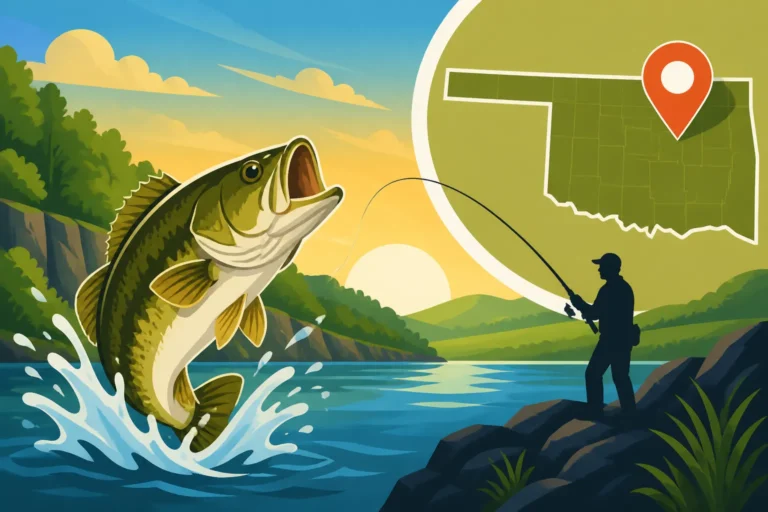
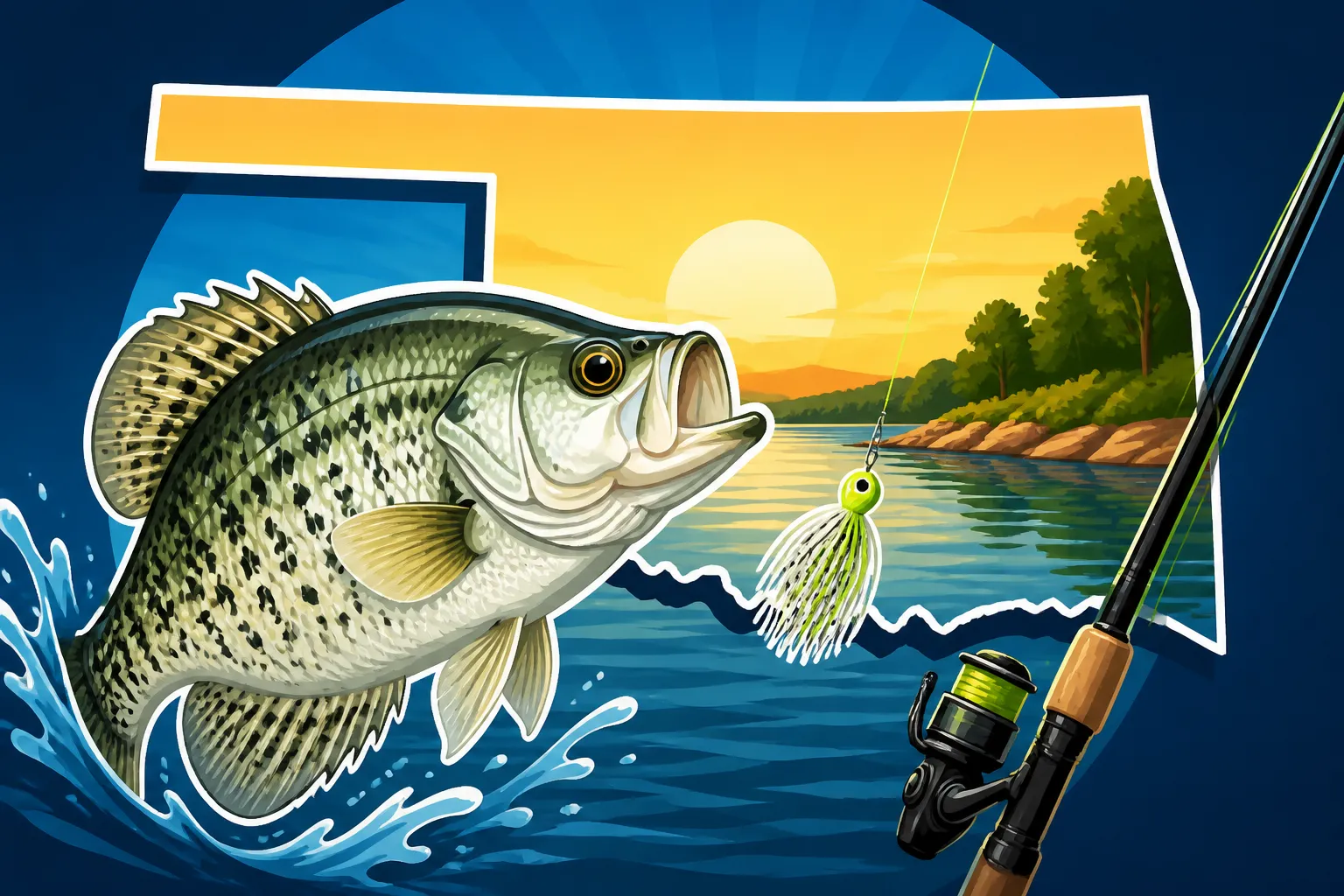
Oklahoma is a true angler's paradise, and when it comes to crappie, we're particularly blessed. You'll find both black crappie and white crappie thriving across our diverse reservoirs and rivers. While they're often lumped together, knowing the subtle differences in their preferred habitats and feeding behaviors can really up your game. White crappie tend to favor more turbid, open water with less vegetation, often schooling in deeper channels or around submerged timber. Black crappie, on the other hand, love clear water with plenty of cover like brush piles, docks, and standing timber, especially in shallower areas.
The key to consistently catching crappie here isn't just about finding them, but understanding the regulations that govern their harvest. The Oklahoma Department of Wildlife Conservation (ODWC) sets statewide limits, but it's crucial to remember that certain lakes have unique, stricter rules. Failing to check these local regulations can lead to a less-than-pleasant encounter with a game warden. We'll dive into some of these specific lake rules later, but always make it a habit to check the current fishing regulations before you drop a line, especially for your target species. For a general overview, you can check out the guide on Crappie Fishing Rules and Limits in Oklahoma.
The Statewide Crappie Limits
Across most of Oklahoma's waters, the statewide daily bag limit for crappie is 37 fish. This limit combines both black and white crappie, meaning you can have a total of 37 fish of either species or a mix, as long as you don't exceed that number. There's generally no size limit on crappie under the statewide rules, which makes it a fantastic species for families and anglers who just want to catch a lot of fish to take home for a delicious fry. This generous limit allows for a bountiful day on the water, especially when you hit a school of actively feeding crappie.
However, as mentioned, these statewide rules are just the baseline. A common mistake many anglers make is assuming "statewide" applies everywhere, only to find out their favorite local spot has its own set of rules. For instance, some lakes might impose a minimum length limit, say 10 inches, or reduce the daily bag limit significantly to protect their crappie populations and promote larger, healthier fish. These special regulations are often put in place after extensive studies by the ODWC to ensure sustainable fishing for future generations.
The Importance of Structure and Cover
Crappie are notoriously structure-oriented fish, always looking for cover where they can ambush prey or hide from predators. This means if you want to find them, you need to be looking around submerged brush piles, standing timber, rock piles, bridge pilings, and even boat docks. These areas provide the perfect ambush points for them to dart out and grab passing minnows or insects. In many of Oklahoma's large reservoirs, the original creek channels, old roadbeds, and flooded timber are absolute goldmines for crappie.
Modern electronics like fish finders with side imaging or down imaging have revolutionized crappie fishing, allowing anglers to pinpoint these hidden structures with incredible accuracy. However, even without the latest tech, a keen eye for shoreline features, a good map, and a bit of patience can lead you to prime crappie real estate. Don't forget that many local fishing clubs and the ODWC often sink artificial brush piles in popular lakes specifically for crappie, and sometimes these locations are even marked on publicly available maps. This is where researching specific lake conditions really pays off.
Eastern Oklahoma Crappie Havens
When you think of exceptional crappie fishing in Oklahoma, the eastern part of the state immediately comes to mind. It's home to some of our largest and most productive reservoirs, offering vast waters teeming with these popular panfish. These lakes provide a mix of habitat types, from expansive open water to intricate coves and timber-filled backwaters, catering to both black and white crappie preferences.
Grand Lake O' the Cherokees
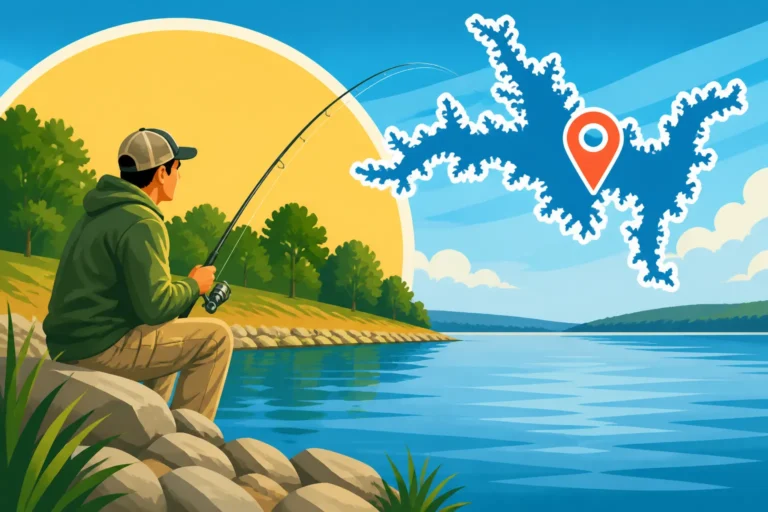
Grand Lake is often heralded as a multi-species powerhouse, but it truly shines as a crappie destination. Located in Northeast Oklahoma, this sprawling reservoir offers over 46,000 acres of water and more than 1,300 miles of shoreline. Its numerous creeks, coves, and extensive standing timber make it an ideal habitat for both black and white crappie, particularly in the spring and fall. The lake's clear to moderately stained water supports robust crappie populations, with many anglers reporting excellent catches year-round.
Spring on Grand Lake, especially from March through May, is prime time for crappie. As water temperatures rise into the 50s and 60s, crappie move into shallower coves and around brush piles to spawn. Anglers often find success jigging small jigs or fishing minnows under bobbers in depths of 2 to 10 feet. Good areas to target include the backs of Horse Creek, Duck Creek, and Honey Creek. In the colder months, crappie move to deeper haunts, often congregating around bridge pilings like those under the Pensacola Dam or the many fishing docks equipped with lights for night fishing. You can learn more about specific spots in the Grand Lake O' the Cherokees Bass Fishing Guide, which also has great crappie info.
Fort Gibson Lake
Just south of Grand Lake lies Fort Gibson Lake, another fantastic crappie fishery with a more consistent reputation for numbers. This lake, fed by the Grand River, covers over 19,000 acres and is known for its abundant standing timber and numerous creek channels, particularly in its upper reaches. Fort Gibson maintains a slightly higher turbidity than Grand, making it particularly favorable for white crappie, though healthy populations of black crappie are also present, especially around clearer structures.
Fort Gibson Lake has a specific crappie regulation you absolutely need to know: the daily bag limit is 15 fish, and there is a 10-inch minimum length limit. This stricter rule is in place to manage the crappie population and encourage the growth of larger fish, which ultimately benefits anglers seeking quality over quantity. The spring spawn sees crappie flocking to the shallow timber-filled coves and flooded willow trees in areas like the Wahoo Bay arm or up the Grand River arm. As temperatures drop, they relocate to deeper submerged timber and creek bends, making brush piles and ledges excellent targets. For more detail on its unique rules, see Fort Gibson Lake's 15-Fish Crappie Limit.
Lake Eufaula
As Oklahoma's largest lake, Lake Eufaula offers a massive crappie playground. Covering over 102,000 acres, its immense size means diverse habitats, from shallow, stump-filled flats to deep, riverine channels. Eufaula is particularly renowned for its plentiful white crappie, thriving in the lake's generally stained waters and extensive submerged cover. The sheer volume of structure here—old timber, brush piles, bridge crossings, and rocky points—makes it a crappie angler's dream, though it can also be intimidating due to its vastness.
Like Grand Lake, spring is a phenomenal time to target Eufaula crappie, with fish moving shallow to spawn. Look for them around shoreline brush, weed beds, and flooded willows in the numerous coves, particularly in the North Canadian and Deep Fork river arms. Spider rigging with multiple rods and minnows or small jigs is a popular and effective technique here, allowing anglers to cover a lot of water at slow speeds. During the summer and winter, crappie migrate to deeper structure along the main lake channels and around major submerged creek beds. Checking platforms like FishingBooker can sometimes reveal local guides who specialize in navigating Eufaula's massive expanse to find those hidden crappie honey holes. For a deeper dive into this incredible fishery, consider reading Lake Eufaula: Oklahoma's Gentle Giant for Bass and Crappie.
Central and Southern Oklahoma Crappie Havens
Moving towards the central and southern parts of the state, you'll find other fantastic crappie lakes, each with its own character and unique fishing opportunities. These waters might not always have the same reputation as the eastern giants, but they consistently produce excellent crappie catches for those in the know.
Lake Texoma
While Lake Texoma is undeniably famous for its striped bass fishery, don't overlook its impressive crappie population. Straddling the Oklahoma-Texas border, this massive reservoir on the Red River offers over 89,000 acres of water. The crappie here, primarily white crappie, thrive in the lake's often turbid waters, congregating around the abundant rock structure, bridge pilings, and submerged timber, especially in the numerous coves and bays found along its extensive shoreline.
Crappie fishing on Texoma is excellent year-round, but it truly excels during the pre-spawn and spawn periods in spring, and again in the fall as temperatures cool. Anglers often target brush piles in 10-20 feet of water, especially in coves that receive good sun exposure. Popular crappie areas include the Washita River arm, Big Mineral Creek, and around the many private docks that line the lake. Night fishing under lights for crappie is also a highly productive technique on Texoma during the warmer months, attracting schools of baitfish and, consequently, hungry crappie. Just remember that specific sections of the lake near the border might have different regulations, so always be mindful of where you're fishing.
Tenkiller Ferry Lake
Tenkiller Ferry Lake, nestled in the scenic Cookson Hills of Eastern Oklahoma, offers a different crappie experience. Known for its exceptionally clear water, deep channels, and rocky bluffs, Tenkiller is a prime black crappie lake. The clarity of the water means crappie here are often found relating tightly to structure, making them a bit more challenging but incredibly rewarding to target. The lake spans over 12,000 acres and is dotted with submerged timber and brush piles that act as magnets for crappie.
Like Fort Gibson, Tenkiller Ferry Lake has a special crappie regulation: a 10-inch minimum length limit and a daily bag limit of 15 fish. This regulation helps ensure the growth of larger, healthier fish. Spring sees crappie moving to shallower rocky points and brush piles, often found in the many coves. During the summer, they retreat to deeper depths, often suspended over old creek channels or around bluff walls, making spider rigging and vertical jigging effective techniques. The lake also features numerous fishing docks with lights that attract crappie after dark. Many guides listed on sites like FishingBooker specifically cater to crappie anglers on Tenkiller, offering expertise in navigating its clear, deep waters. You can learn more about its specific limits in Tenkiller Ferry Lake's Ten-Inch Crappie Minimum.
Lake Arbuckle
Down in Southern Oklahoma, near Sulphur, lies Lake Arbuckle, a true hidden gem for crappie anglers. This smaller lake, covering about 2,300 acres, is known for its incredibly clear, deep waters and excellent crappie fishing. It's an ODWC "Crappie Capital" designated lake, and for good reason—it consistently produces both good numbers and quality fish. The lake's clear water makes for exciting sight-fishing opportunities during the spawn and requires a stealthy approach throughout the year.
Lake Arbuckle is one of those lakes with unique crappie rules that make it stand out. It has a daily bag limit of 15 crappie, with a 10-inch minimum length limit. This is a crucial detail, as keeping undersized fish is a common mistake. Anglers should be prepared to measure their catch carefully. The lake's ample standing timber, submerged brush, and rocky ledges are prime crappie habitat. In spring, crappie are often found in shallow coves, especially around the numerous cedar trees the ODWC has submerged to create additional cover. During summer and winter, look for them suspending in deep creek channels or relating to prominent underwater structures. For detailed information on this lake's special crappie rules, refer to Arbuckle Lake Crappie Rules in Oklahoma.
Other Notable Crappie Lakes and Unique Rules
Oklahoma has so many fantastic crappie fishing opportunities that it's tough to cover them all. Beyond the major players, several other lakes consistently produce great crappie catches, often with their own specific nuances and regulations. Always check the current ODWC regulations before heading out, as these rules can change annually.
Hudson Lake and Keystone Lake
Hudson Lake, located near Salina in Northeast Oklahoma, is another highly productive crappie lake. Known for its stained water and abundant standing timber, especially in its upper reaches, Hudson provides excellent habitat for both black and white crappie. It's often overlooked compared to its larger neighbors but offers consistent action. Hudson Lake is one of the six Oklahoma lakes with stricter crappie limits, having a daily bag limit of 15 fish and a 10-inch minimum length limit. Anglers often find success targeting brush piles and standing timber in the lake's many coves. You can find more specific information on its rules by reading Hudson Lake's Ten-Inch Crappie Limit Explained.
Keystone Lake, just west of Tulsa, is another large reservoir that provides good crappie fishing. Its confluence of the Arkansas and Cimarron rivers gives it unique characteristics, often with turbid water and abundant submerged timber and ledges. Crappie here are often found in the lower lake in clearer water, relating to deep structure like bridge pilings and rock ledges. In the spring, they move into the numerous coves and tributaries. Keystone adheres to the statewide crappie limits of 37 fish with no size limit, making it a great option for those looking to fill a cooler.
Table of Oklahoma Crappie Lake Regulations
To help you keep track of these important details, here's a quick reference table for some of Oklahoma's best crappie lakes and their specific regulations. Remember, these are subject to change, so always verify with the official ODWC regulations.
| Lake Name | County | Approximate Acres | Primary Crappie Species | Daily Bag Limit (Crappie) | Minimum Length Limit (Crappie) | General Water Clarity |
|---|---|---|---|---|---|---|
| Grand Lake O' the Cherokees | Ottawa, Delaware | 46,500 | Black & White | 37 | None | Clear to Stained |
| Fort Gibson Lake | Cherokee, Wagoner | 19,100 | Black & White | 15 | 10 inches | Stained |
| Lake Eufaula | McIntosh, Pittsburg | 102,000 | White | 37 | None | Stained |
| Lake Texoma | Marshall, Bryan | 89,000 | White | 37 | None | Stained |
| Tenkiller Ferry Lake | Cherokee, Sequoyah | 12,900 | Black | 15 | 10 inches | Clear |
| Lake Arbuckle | Murray | 2,300 | Black | 15 | 10 inches | Very Clear |
| Hudson Lake | Mayes | 12,000 | Black & White | 15 | 10 inches | Stained |
| Keystone Lake | Tulsa, Pawnee | 23,600 | Black & White | 37 | None | Turbid |
Always consult the current Oklahoma Fishing Regulations Guide for the most up-to-date information.
Maximizing Your Crappie Haul on Oklahoma Lakes
Catching crappie consistently isn't just about finding the right lake; it's also about understanding their seasonal movements, choosing the right baits and lures, and employing effective techniques. While specific strategies can vary by lake and time of year, there are some fundamental principles that will always serve you well. For a broader look at seasonal patterns, check out Crappie Fishing Techniques and Seasonal Patterns in Oklahoma.
Best Time of Year and Day
Crappie fishing in Oklahoma can be productive year-round, but spring and fall are undeniably the peak seasons. In spring, typically from March to May, crappie move shallow for their spawn, becoming highly concentrated and aggressive. This is when you can often find them in just a few feet of water around brush, docks, and rocky banks. Early mornings and late evenings are generally the best times during the spawn, as they are actively feeding and less spooked by boat traffic.
Fall, from September through November, offers another excellent window as crappie transition from summer patterns back to shallower waters to feed aggressively before winter. They’ll often school up in predictable areas, making them easier to locate. Even in winter, deep water crappie can be caught by vertical jigging or slow trolling over submerged structures. Summer crappie often means night fishing under lights or targeting deep brush piles during the day, as they retreat from the heat to cooler, deeper water.
Essential Gear and Techniques
For crappie, light tackle is generally preferred. A 6 to 7-foot light or ultralight spinning rod paired with a small reel spooled with 4-6 pound test monofilament or fluorocarbon line is perfect. The sensitivity of light tackle allows you to detect the subtle bites of crappie, often described as a slight "tick" or just added weight. You don't need heavy-duty gear for these papermouths; finesse often wins the day.
When it comes to baits and lures, minnows are a classic choice and often irresistible to crappie. You can fish them under a bobber, tightline them, or use them on a spider rig. Small jigs, typically 1/32 to 1/8 ounce, are also incredibly effective. Popular colors include chartreuse, white, black/chartreuse, and blue/white, but having a variety is always a good idea. Techniques range from casting and retrieving, vertical jigging over structure, slow trolling (often called "spider rigging" when using multiple rods), or even tightlining along brush piles. Knowing How to Jig for Crappie in Spring or How to Spider Rig for Crappie can greatly improve your success.
Local Expertise and Resources
While guides like this one provide a great starting point, nothing beats local knowledge. Bait shops around each lake are invaluable resources for current conditions, recent patterns, and hot spots. Don't be shy about striking up a conversation with the locals or observing what successful anglers are doing at the boat ramp. Online fishing forums and social media groups dedicated to Oklahoma fishing can also provide real-time reports and tips.
If you're new to an area or want to jump straight into the action, considering a guided trip can be a fantastic investment. Many experienced crappie guides operate on Oklahoma's top lakes. Websites like FishingBooker allow you to find and book local guides who specialize in crappie, offering everything from half-day trips to full-day excursions. They can teach you the ropes, share their secret spots, and provide all the necessary gear, giving you a serious advantage and a memorable experience.
Planning Your Crappie Fishing Adventure
Embarking on a crappie fishing trip in Oklahoma requires a bit of planning to ensure a successful and enjoyable experience. Beyond knowing where to go, it’s about preparing how to go, considering everything from your legal requirements to your personal safety and comfort. Thinking through these details beforehand makes all the difference when you're finally out on the water.
Essential Licensing and Regulations
First and foremost, you absolutely need a valid Oklahoma fishing license. This isn't just a suggestion; it's a legal requirement for most anglers over a certain age. The good news is that obtaining a license is straightforward, whether you're an Oklahoma resident or visiting from out of state. You can purchase them online through the ODWC website, at licensed vendors like sporting goods stores, or even by phone. For specifics on cost and types, check out Oklahoma Fishing License Requirements in Oklahoma or How to Get a Fishing License in Oklahoma. Remember that specific lake regulations, like those for crappie at Fort Gibson or Lake Arbuckle, are in addition to your general fishing license requirements, so double-check those.
Beyond licenses, understanding the general fishing regulations is paramount. This includes not just crappie limits, but also rules for other species you might incidentally catch, such as bass, catfish, or sunfish. Knowledge of rules like Oklahoma's Statewide Bass Bag Limit Explained can prevent common mistakes. Also, be aware of any length limits, protected slot limits, or special bait restrictions that might apply to the specific lake you're visiting. Ignorance of the law is never an excuse, and game wardens are diligent in enforcing these rules to protect our fisheries.
Accommodations and Amenities
Oklahoma's top crappie lakes are often surrounded by excellent amenities, making them perfect destinations for a weekend trip or even a longer vacation. Many lakes have state parks, private campgrounds, RV parks, cabins, and hotels nearby. For example, the areas around Grand Lake, Lake Eufaula, and Lake Texoma boast a wide array of options for lodging and dining, as well as bait and tackle shops. Booking your stay in advance, especially during peak fishing seasons, is always a good idea.
Consider what kind of trip you’re planning. If it's a family outing, look for resorts or state parks that offer more than just fishing, like swimming beaches, hiking trails, and playgrounds. If you're a serious angler, prioritize locations with easy access to boat ramps, marina services, and perhaps even fish cleaning stations. Researching amenities beforehand can greatly enhance your overall experience. For tips on navigating boat ramps, you might find Boat Ramp and Trailer Tips for Oklahoma's Big Lakes helpful.
Safety on the Water
Safety should always be your top priority when heading out on any Oklahoma lake. Always wear a life jacket, especially if you're in a smaller boat or if conditions are windy. Make sure you have all required safety equipment on board, such as a throwable flotation device, a whistle or horn, and navigation lights if you'll be out after dark. For detailed requirements, check out Oklahoma Boat Safety Equipment Checklist. Keep an eye on the weather forecast, as Oklahoma weather can change rapidly, and sudden storms can turn a calm lake into a dangerous one very quickly.
Tell someone where you're going and when you expect to return. Carry a fully charged cell phone, but don't rely on it as your sole means of communication, as service can be spotty in some remote areas. If you're using a boat, ensure it's in good working order, with enough fuel for your trip. And, of course, practice responsible boating: never operate a boat under the influence, and always be courteous to other anglers and boaters on the water.
Conclusion
Oklahoma offers a smorgasbord of crappie fishing opportunities, from the expansive timber-filled waters of Lake Eufaula to the clear, structure-rich depths of Lake Arbuckle. Whether you're chasing numbers or trophy-sized papermouths, our lakes deliver. Remember to arm yourself with the right knowledge about specific lake regulations, understand seasonal patterns, and choose your gear wisely. With a bit of planning and a lot of patience, you're well on your way to discovering why Oklahoma is truly a crappie angler's paradise. So, grab your ultralight rod, tie on a jig, and get ready to experience some of the best crappie fishing the heartland has to offer.
Disclaimer
The information provided in this guide is for general informational purposes only and is not intended as legal advice regarding fishing regulations. Fishing regulations in Oklahoma are set by the Oklahoma Department of Wildlife Conservation (ODWC) and can change. Always consult the most current official ODWC Fishing Regulations Guide or website before engaging in any fishing activities to ensure compliance with all state and local laws.