Bank Fishing Access on Keystone Lake
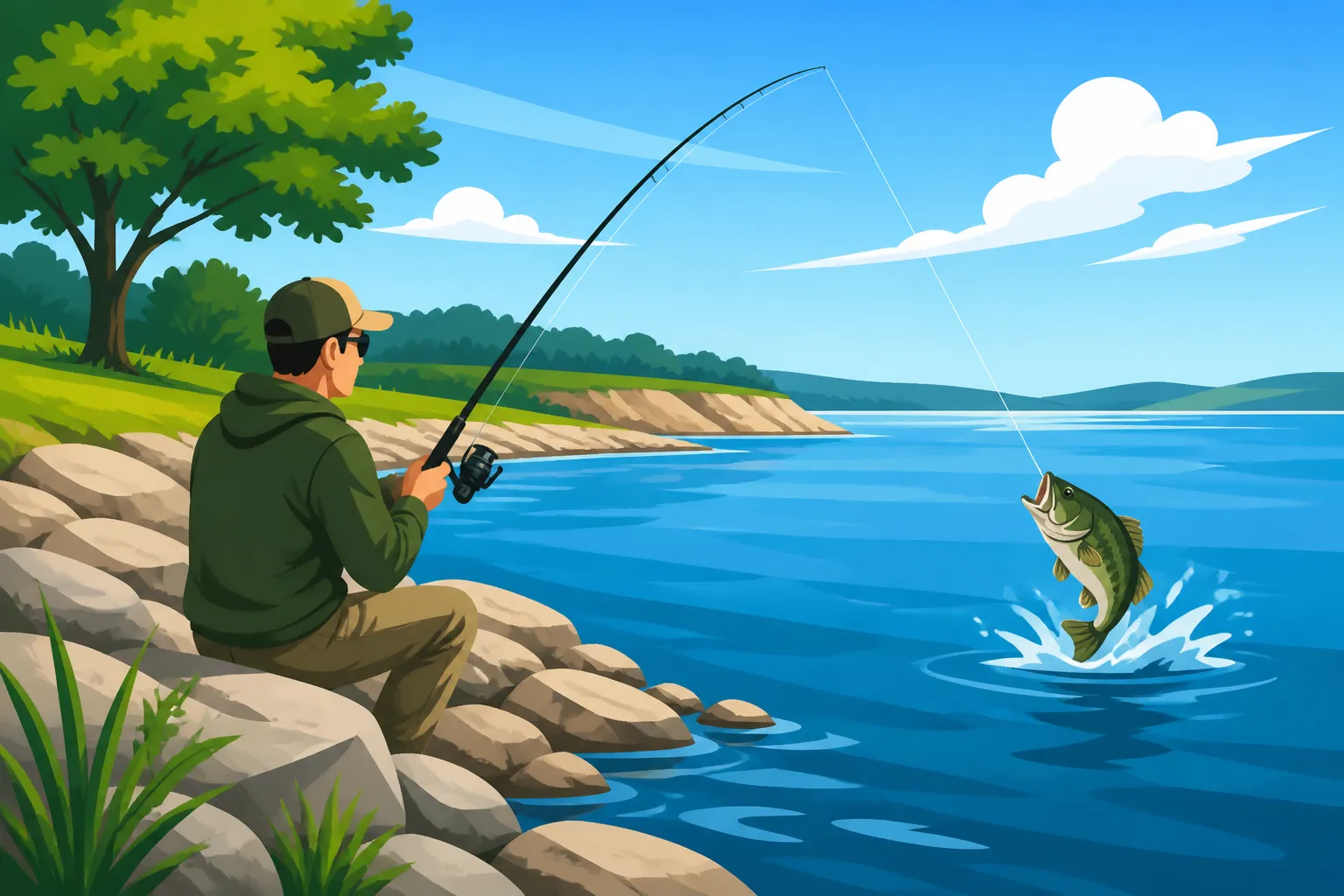
It’s a common frustration for many anglers: you want to spend a relaxing day fishing, maybe even land a trophy, but you don't own a boat. Or perhaps you just prefer the simplicity of walking to the water's edge, casting a line, and enjoying the peace. Finding reliable, productive public bank access on a massive reservoir like Keystone Lake can feel like searching for a needle in a haystack, often leading to wasted time driving around. This comprehensive guide will illuminate the best bank fishing access points around Keystone Lake, helping you pinpoint prime spots, understand the unique challenges, and equip you for successful shore-based fishing adventures.
Understanding Keystone Lake's Unique Layout for Bank Anglers
Keystone Lake, with its sprawling 26,000 surface acres and 330 miles of shoreline, is a dominant feature in northeast Oklahoma. While its vastness offers incredible fishing opportunities, it can be intimidating for those without a boat, especially when trying to find good spots accessible by foot. Much of the shoreline is private property, or difficult to reach due to steep bluffs and dense timber, which means knowing exactly where to go is paramount to a successful day.
The Challenges of Bank Access on a Large Reservoir
One of the biggest hurdles bank anglers face on a lake the size of Keystone is simply getting to the water. Many areas are either private land, managed by the Corps of Engineers with limited public entry, or feature rugged terrain that's just not practical for hauling gear and setting up shop. You might drive past miles of tantalizing shoreline, only to find "No Trespassing" signs or impenetrable thickets. This can be incredibly disheartening, particularly if you've driven a good distance and are eager to cast a line. The fluctuating water levels, which are common on large flood control reservoirs, can also drastically alter access, turning what was once a sandy beach into a muddy, inaccessible bank or completely submerging your favorite fishing spot. It's not uncommon to arrive at a spot you fished last month only to find the water significantly higher or lower, changing the entire dynamic of the bank.
Why Location Matters: From Rocky Bluffs to Gradual Slopes
The diverse topography of Keystone Lake means that not all bank access is created equal. Some areas feature steep, rocky bluffs that drop quickly into deep water, which can be great for targeting species like striped bass or catfish that prefer deeper haunts, but challenging for casting or moving around. Other areas offer more gradual, sandy, or gravely slopes, perfect for setting up chairs, allowing kids to safely cast, and targeting species like crappie or sunfish that might be cruising shallower water, especially during their spawning seasons. Understanding these subtle differences in terrain is key to picking a spot that not only offers good fishing but also suits your comfort and safety needs. For example, a rocky point might be ideal for casting out into deeper currents, while a protected cove with a gentle slope would be better for a family outing. Thinking about what you want to catch and how you prefer to fish from shore will guide you toward the right type of bank access.
Prime Public Bank Fishing Spots on Keystone Lake
Despite the challenges, Keystone Lake offers several fantastic public access points tailor-made for bank anglers. These spots range from well-developed parks with amenities to more rustic, but equally productive, areas. Knowing these locations can save you a lot of guesswork and ensure you spend more time fishing and less time searching.
Popular Parks and Recreation Areas with Shore Access
Several Corps of Engineers parks and state park areas around Keystone Lake provide excellent, reliable bank fishing opportunities. These spots are usually well-maintained, offer ample parking, and often include facilities like restrooms and picnic areas, making them ideal for a full day out or a family trip.
Keystone State Park: Located near Sand Springs, Keystone State Park is a fantastic resource for bank anglers. The park boasts several coves and points that are easily accessible by foot. The areas around the boat ramps and picnic sites often provide clear, relatively flat banks perfect for casting. You can often find good numbers of crappie and white bass here, especially during their spring and fall runs. Anglers often have luck fishing near submerged timber and brush piles that naturally accumulate in these coves. These established parks are often the easiest starting point for anyone looking to go Bank Fishing Tips for Beginners and avoid the frustration of private property.
Washington Irving Park: Situated on the southern arm of the lake, near the town of Blackburn, Washington Irving Park is another excellent choice. This park features long stretches of accessible shoreline, including some areas with concrete banks or jetties that extend into the water. These structures are fish magnets, providing cover and ambush points for a variety of species. It's a prime spot for catfish, particularly channel catfish and blue catfish, especially if you're using stink baits or cut bait. The park is also known for its strong white bass runs in the spring.
New Mannford Ramp and Pier: Just north of Mannford, the New Mannford Ramp area offers not just boat access but also a very long, publicly accessible fishing pier. While technically a pier, it functions similarly to bank fishing, allowing you to cast into deeper water without a boat. This pier is a hotspot for crappie, especially in the cooler months, and also attracts catfish. The surrounding bank areas near the pier also offer good casting opportunities, particularly for those targeting panfish. The convenience of a dedicated fishing pier makes it a very popular choice.
Hidden Gems and Lesser-Known Bank Fishing Opportunities
Beyond the well-known parks, Keystone Lake has a few less obvious spots that can be incredibly productive for those willing to explore a little. These areas might not have amenities, but they often offer more solitude and untouched fishing grounds.
Cowskin Bay South and North: These areas, located on the western side of the lake, offer more primitive access. While the terrain can be a bit rougher, with more natural shoreline and less manicured areas, they provide excellent opportunities for adventurous bank anglers. You'll often find rocky points and submerged brush here, which are ideal for targeting largemouth bass and crappie. Access can be a bit more challenging, sometimes requiring a short walk through brush, but the reward can be less pressured fish. These are the kinds of spots where getting your Best Bank Fishing Spots Setup Tips right, including comfortable footwear and a sturdy tackle bag, really pays off.
Lookout Tower Road Area (East of Mannford): There are several small, unofficial pull-offs and dirt roads off Lookout Tower Road that lead to the lake. These spots can be hit or miss, but with a bit of scouting, you can discover fantastic stretches of bank. These areas often have natural points and coves, providing a more rugged and wild fishing experience. This is where you might find some of the Best Catfish Holes on Keystone Lake, especially if you're looking to cast larger baits into deeper water during the evenings. Always be mindful of private property signs and respect the environment when exploring these less-developed areas.
| Access Point | Ease of Access | Primary Target Species | Amenities | Notes |
|---|---|---|---|---|
| Keystone State Park | Very Easy | Crappie, White Bass, Bass | Restrooms, Picnic, Camping | Great for families, multiple coves and points. |
| Washington Irving Park | Easy | Catfish, White Bass, Crappie | Restrooms, Picnic | Jetties and concrete banks offer good casting. |
| New Mannford Ramp & Pier | Easy (Pier Access) | Crappie, Catfish, Panfish | Restrooms, Parking | Excellent for deeper water without a boat. |
| Cowskin Bay South/North | Moderate (Rustic) | Largemouth Bass, Crappie | Limited to None | More secluded, natural habitat. |
| Lookout Tower Road Area | Moderate (Exploratory) | Catfish, Bass, White Bass | None | Requires scouting for good spots, more rugged. |
Essential Tips and Gear for Successful Bank Fishing on Keystone Lake
Successful bank fishing on Keystone Lake isn't just about finding the right spot; it's also about being properly prepared. From navigating the terrain to selecting the right baits, a few key considerations can significantly enhance your experience and increase your chances of a memorable catch.
Navigating the Terrain: What to Bring for Comfort and Safety
When you're committing to bank fishing, especially in some of the more rugged or less developed areas of Keystone Lake, comfort and safety should be top priorities. Forget your flimsy flip-flops; a sturdy pair of waterproof hiking boots or waders is practically essential. These will protect your feet from sharp rocks, mud, and unknown underwater debris, especially if you need to wade out a few feet to get a better cast or retrieve a snagged lure. A comfortable, lightweight backpack is invaluable for carrying your tackle, water, snacks, sunscreen, and insect repellent. You don't want to be making multiple trips back to the car.
Consider a foldable, portable fishing chair if you plan to sit for extended periods, as not all spots will have natural seating. A pair of polarized sunglasses will not only protect your eyes from the sun's glare but also help you spot submerged structure, schooling baitfish, or even cruising fish – a huge advantage when fishing from shore. For early morning or evening excursions, a headlamp or flashlight is non-negotiable for safety. Always remember to check the weather forecast, as conditions can change rapidly on large bodies of water like Keystone, and bring appropriate rain gear or layers. Also, don't forget to review the Fishing Regulations You Need to Know in Oklahoma to ensure you're compliant with all state laws.
Best Baits and Lures for Keystone's Shoreline Species
The beauty of bank fishing on Keystone Lake is that a wide variety of species are often within casting distance, especially if you're using the right presentations. Understanding what the fish are feeding on and what lures best mimic that can make all the difference.
For bass (largemouth, smallmouth, and spotted), soft plastics rigged Texas-style, like worms or creature baits, are incredibly effective around submerged timber, rocky points, and weed lines you can reach from shore. Spinnerbaits and shallow-diving crankbaits can also cover water effectively and entice strikes, especially in stained water. If you're targeting crappie, especially in spring and fall, small jigs (1/16 to 1/8 oz) tipped with a soft plastic grub or a live minnow under a bobber are hard to beat. Look for them around brush piles, docks, and submerged trees. The Best Bait for Crappie in Oklahoma often depends on the season and water clarity, but minnows are a classic choice year-round.
Catfish are a bank angler's best friend, as they are often caught close to shore. Cut bait (shad, sunfish), chicken livers, and various stink baits are highly productive. Look for deeper channels or holes accessible from the bank, especially during the evening hours. For white bass, which can offer incredibly exciting action during their spring runs, small inline spinners, lipless crankbaits, or Sassy Shad type grubs on a jig head are excellent choices. They often school up and chase baitfish near the surface, making them visible and accessible from shore during peak times. If you're specifically interested in How to Catch White Bass on Keystone Lake, those spring spawning runs up the rivers feeding the lake are prime times to target them from the bank.
Maximizing Your Bank Fishing Experience at Keystone
Beyond gear and bait, there are strategies and considerations that can help you truly maximize your bank fishing experience at Keystone Lake. It's about thinking like a fish and being a responsible angler.
Reading the Water: Identifying Fish-Holding Structure from Shore
One of the biggest advantages boat anglers have is their ability to cover vast areas and use electronics to find underwater structure. As a bank angler, you have to rely on your eyes and a little bit of intuition. Start by looking for anything that breaks up the uniformity of the shoreline or the water's surface. This could be a rocky point jutting out into the lake, a fallen tree limb partially submerged, a patch of lily pads, or even a noticeable depth change where the water darkens. These are all potential fish-holding structures, offering cover, ambush points, or temperature breaks.
Pay attention to currents or eddies, especially near creek mouths or the main river channel; these can bring baitfish and nutrients, attracting game fish. Even subtle ripples on the surface can indicate schooling baitfish or feeding activity. If you can see it or cast to it, it’s worth investigating. On a lake like Keystone, wind can also play a huge role, pushing baitfish and warm surface water against certain banks, making them hotspots. Learning to interpret these visual cues is a skill that develops over time, but actively looking for them will dramatically improve your chances, even from shore. And remember, during the Oklahoma Fishing Seasons: A Month-by-Month Guide, different structures become more or less important depending on fish behavior.
Ethical Angling and Respecting the Lake Environment
Being a good steward of Keystone Lake and its surrounding areas is just as important as catching fish. This means practicing ethical angling and showing respect for the environment and other users. Always pick up your trash, including discarded fishing line, bait containers, and snack wrappers. Leaving litter not only spoils the natural beauty of the area for others but can also be harmful to wildlife.
Be mindful of noise levels, especially in shared public spaces, to ensure everyone can enjoy their time outdoors. If you're planning a trip with younger anglers, it's a great opportunity to teach them about Do Kids Need a Fishing License in Oklahoma? and responsible outdoor behavior. When it comes to the fish you catch, understand and adhere to all size and creel limits. If you're practicing catch-and-release, handle fish with care to ensure their survival. Consider using a platform like FishingBooker if you're looking for an experienced guide who can not only put you on fish but also reinforce these ethical practices, ensuring the longevity of our natural resources for future generations. Respecting private property boundaries is also crucial; just because a spot looks promising doesn't mean it's publicly accessible.
Disclaimer
The information provided in this guide is for general informational purposes only and is subject to change. Fishing regulations, park access, and lake conditions can vary. Always consult the official Oklahoma Department of Wildlife Conservation (ODWC) regulations and local park authorities for the most current information before planning your fishing trip to Keystone Lake. Stay safe and enjoy your time on the water!