Oklahoma Fishing Seasons: A Month-by-Month Guide
One of the biggest headaches for any angler, whether you're a seasoned veteran or just starting out, is figuring out when and where to cast your line for the best results. Oklahoma's weather can be notoriously fickle, swinging from mild to wild in a matter of hours, and trying to keep up with how that impacts the fish can feel like a full-time job. This comprehensive guide is here to cut through the confusion, offering a month-by-month breakdown of what to expect from the waters of Oklahoma, so you can spend less time guessing and more time reeling in that trophy catch.
Understanding Oklahoma's Diverse Climate and Its Impact on Fishing
Oklahoma is a state of extremes, and its climate plays a huge role in the fishing experience. We're talking about everything from scorching summer days to icy winter mornings, and each shift profoundly affects our aquatic friends. Knowing these patterns isn't just helpful; it's essential for consistent success on the water.
The Four Distinct Seasons and Their Angling Implications
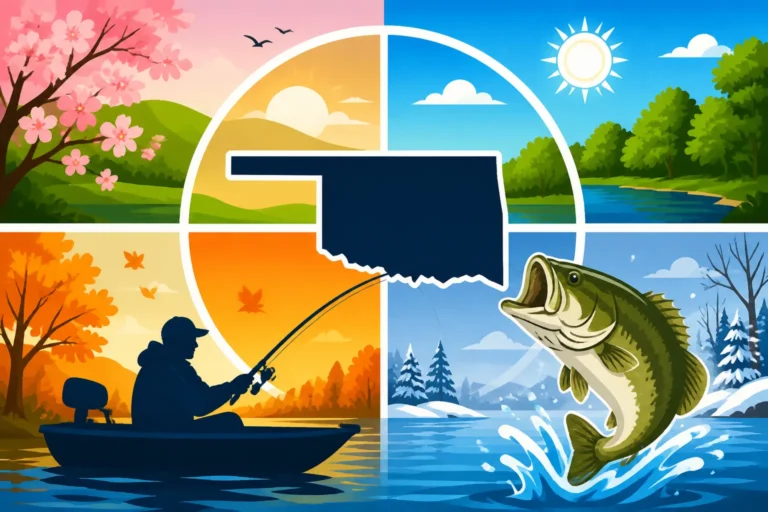
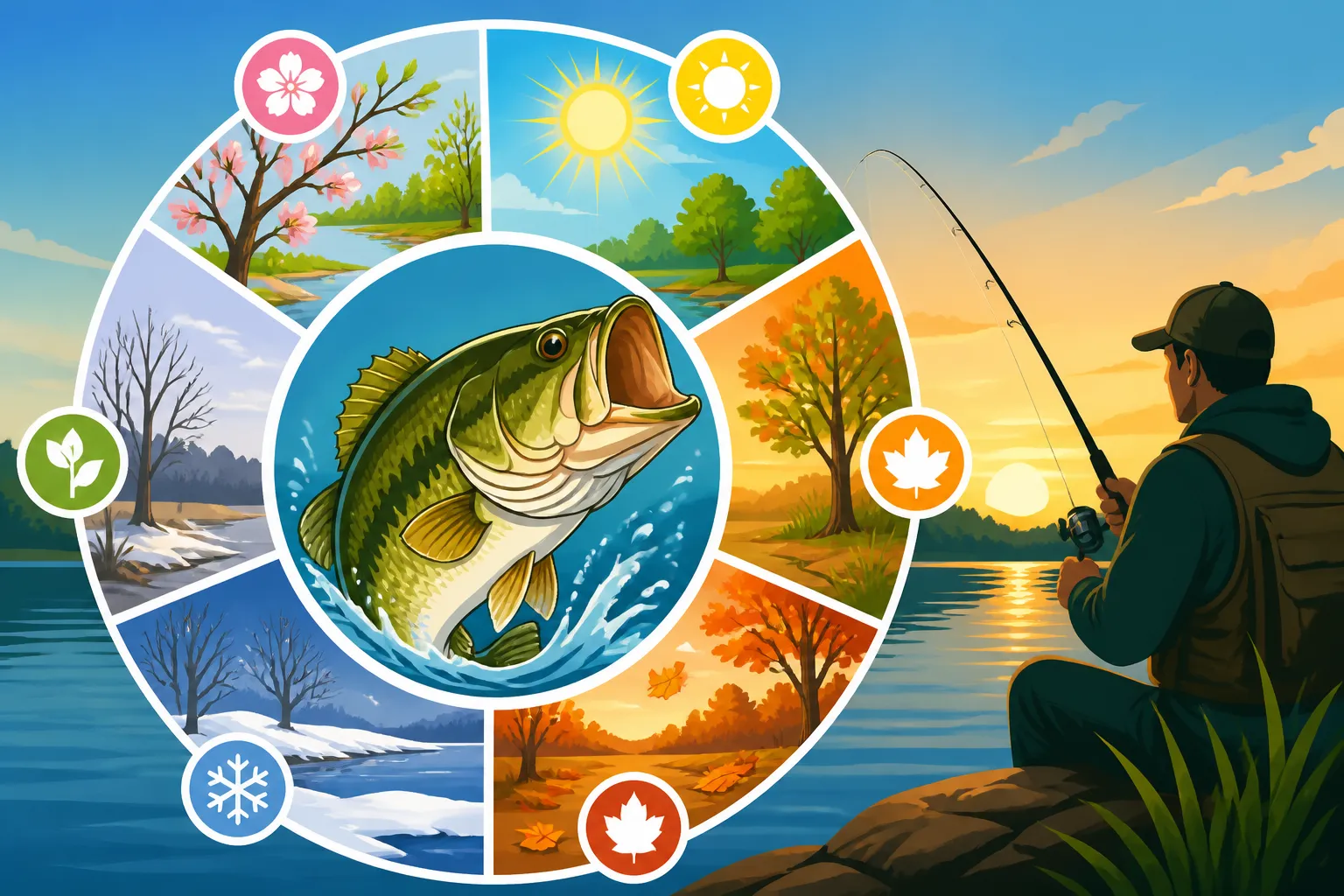
Unlike some parts of the country that seem to have only two seasons – hot and less hot – Oklahoma truly experiences all four distinct seasons, and each brings its own unique challenges and opportunities for anglers. Spring is a time of renewal and frantic spawning activity. Summer forces fish into deeper, cooler waters or makes them nocturnal. Fall ignites a feeding frenzy as fish prepare for winter, and winter itself, while often overlooked, can offer incredible solitude and some of the year's biggest catches if you know where to look. Ignoring these seasonal shifts is like trying to catch a train without checking the schedule; you're likely to miss your target.
How Water Temperature Dictates Fish Behavior
If you take one thing away from this guide, let it be this: water temperature is the absolute king when it comes to fish behavior. It dictates metabolism, spawning triggers, feeding patterns, and where fish choose to hang out. For example, during the spring, a slight increase in water temperature from 50 to 60 degrees Fahrenheit can signal to largemouth bass that it's time to move shallow and begin their spawn. Conversely, when summer temperatures soar into the 80s and 90s, those same fish will dive for cooler, deeper thermoclines, often suspending over structure. Understanding the impact of water temperature is the foundation of becoming a truly savvy Oklahoma angler. You'll often find that knowing how to read water temperature for better fishing in Oklahoma is more important than the specific lure you throw.
Oklahoma's Unique Ecosystems: Lakes, Rivers, and Ponds
Oklahoma boasts an incredible variety of fishing environments, from the vast, open waters of Lake Texoma and Grand Lake O' the Cherokees to the winding currents of the Illinois River and countless smaller farm ponds. Each type of ecosystem behaves differently throughout the seasons. Large reservoirs, for instance, tend to stratify more pronouncedly in summer, creating distinct layers of warm and cold water, which influences where fish hold. Rivers, with their constant flow, might not stratify as much, but their fish are highly reactive to current changes and water levels after rainfall. Even small farm ponds warm and cool much faster than big lakes, meaning their seasonal peaks and valleys for fishing can be more compressed. A technique that works on a sprawling lake like Eufaula might be completely ineffective on a smaller, clearer stream.
Spring Fishing in Oklahoma: The Spawning Frenzy (March, April, May)
Ah, spring! This is arguably the most anticipated time of year for many Oklahoma anglers. As the days lengthen and the air warms, the state's waters come alive with fish preparing to spawn, creating some of the most exciting and productive fishing opportunities.
March: Pre-Spawn Aggression and Early Panfish Action
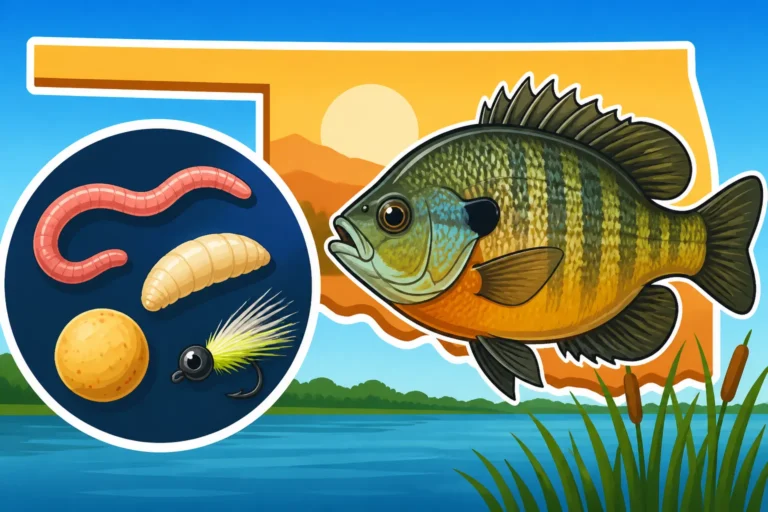
March can be a bit of a rollercoaster. You'll have days that feel like winter and others that give you a taste of summer, but generally, this is the pre-spawn period for many species. Bass, especially largemouth, start to move out of their deep winter haunts and congregate in staging areas near their eventual spawning grounds. They're often aggressive, fattening up before the rigors of reproduction. Jerkbaits, spinnerbaits, and lipless crankbaits fished around channel swings, points, and transition areas can be deadly. It's also a fantastic time for early crappie fishing. They haven't moved fully shallow yet, but you can find them stacked up on brush piles and submerged timber in 10-20 feet of water. Don't forget the sunfish and bluegill either; they become more active, making it a great time for family outings with worms or small jigs.
April: Peak Bass and Crappie Spawns
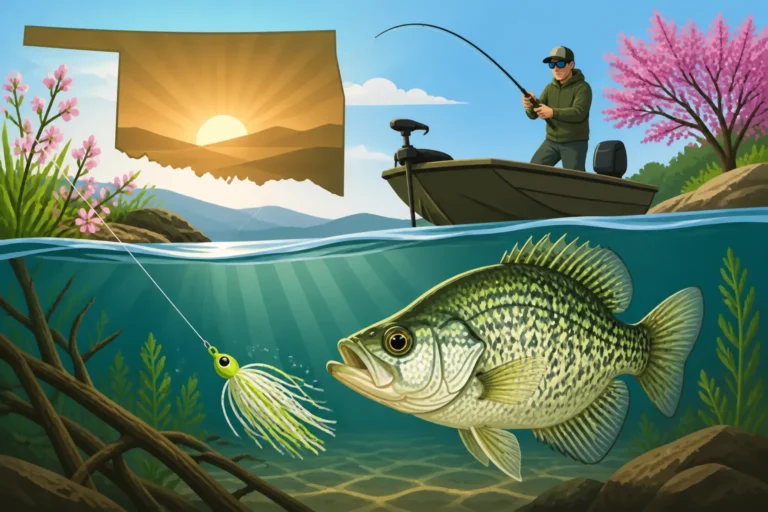
April is when the magic truly happens for many species in Oklahoma. As water temperatures climb consistently into the 60s, the bass spawn kicks into high gear. You'll find them on beds in shallow coves, around docks, and near emergent vegetation. Sight fishing can be incredibly effective, but even if you can't see the fish, targeting typical spawning areas with soft plastics like Texas rigs, wacky worms, or even topwater frogs can yield incredible results. Similarly, crappie move into incredibly shallow water, often right up against the bank, to lay their eggs. Jigs and minnows under a bobber fished around submerged cover are prime tactics. This is often considered the absolute best time for crappie, especially if you're looking for big numbers. Make sure you're up-to-date on Crappie Fishing Rules and Limits in Oklahoma before you head out.
May: Post-Spawn Recovery and Striper Runs
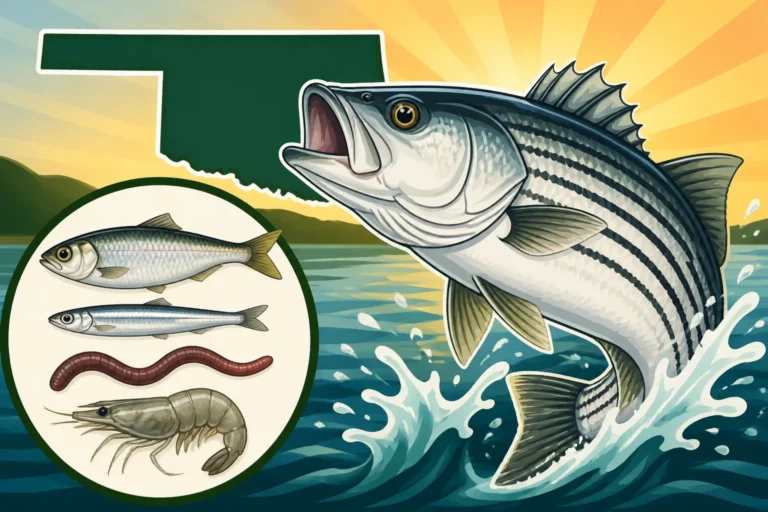
By May, most bass and crappie have finished their initial spawn. While some may continue secondary spawns, many fish transition into a post-spawn phase. This can be tricky, as fish might be recuperating and less aggressive. However, as they recover, they become hungry again, often positioning themselves near deeper cover adjacent to spawning areas. Topwater lures can be fantastic early and late in the day. May is also when you'll start to see more consistent action for white bass and hybrid stripers, especially on large reservoirs like Lake Texoma, where the famous May striper runs can be absolutely epic. Trolling with umbrella rigs or casting swimbaits for surfacing fish are popular methods.
Summer Fishing in Oklahoma: Early Mornings and Night Owl Adventures (June, July, August)
Summer in Oklahoma brings heat, and that heat significantly changes how and when fish feed. While the midday sun can make fishing tough, dedicated anglers know that early mornings, late evenings, and even night fishing can be incredibly productive.
June: Post-Spawn Transition and Catfish Boom
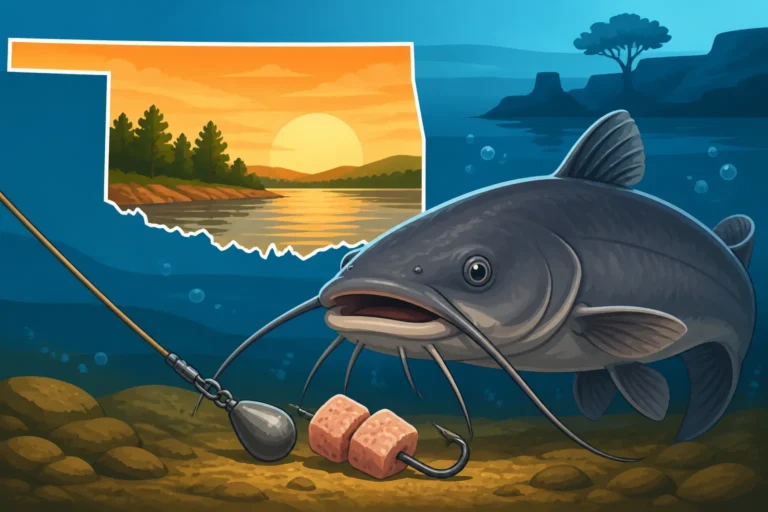
As June arrives, water temperatures continue to climb, pushing many game fish deeper. Bass often relate to offshore structure, ledges, and humps. Deep diving crankbaits, jigging spoons, and Carolina rigs become staples. However, June also marks the real beginning of prime catfish season. Channel catfish, blue catfish, and flathead catfish become incredibly active as the waters warm, often moving into shallower areas during low light conditions or after a good rain. Cut bait, punch bait, and live sunfish are excellent choices for these bottom dwellers. You can find them in river channels, creek mouths, and around submerged timber. This is a great time to target catfish with trotlines or juglines, or simply by bottom fishing from the bank. Always be aware of Oklahoma's Catfish Fishing Rules and Limits before you go.
July: Battling the Heat with Deep Water Tactics
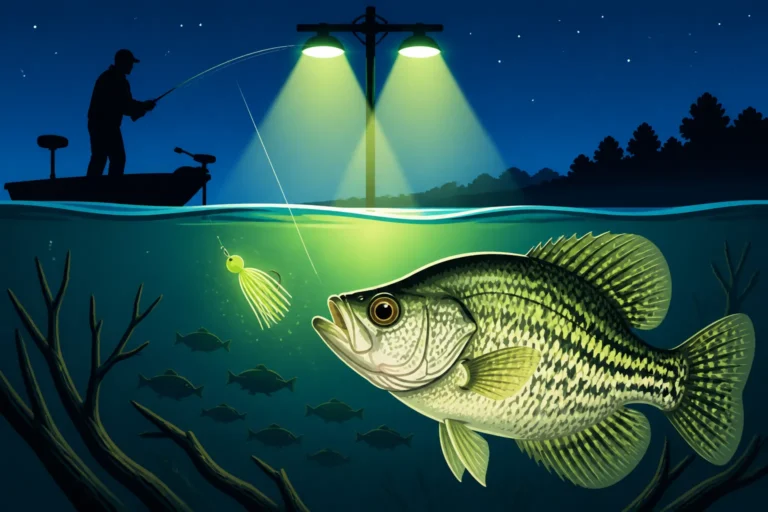
July is often the hottest month in Oklahoma, and the fish know it. Most species will seek refuge in the cooler, more oxygenated deep waters. This means anglers need to adapt their strategies, often focusing on electronics to find submerged structure, ledges, and thermoclines where fish will be suspending. For bass, this might mean slow-pitching jigs to deep brush piles or dragging heavy Texas rigs along rocky ledges. Crappie will be suspended over deep brush or bridge pilings. Don't overlook the potential for Summer Night Fishing Techniques in Oklahoma, as many fish will move shallower under the cover of darkness to feed more comfortably. Live bait is often king in the summer heat, as sluggish fish are less likely to chase down fast-moving artificials. A good fish finder, perhaps one you found on Amazon, becomes an invaluable tool.
August: Early Mornings and Night Fishing for Big Bites
August continues the hot trend, but smart anglers can still find success. The key is to avoid the blazing midday sun. Early morning topwater bites can be explosive as fish make a quick shallow feeding run before retreating to the depths. Look for shaded areas, submerged vegetation edges, and main lake points. Night fishing, as mentioned, becomes even more prominent. Imagine the cool air, the quiet lake, and the thrill of a big catfish or bass slamming your bait under the moonlit sky. For striped bass and hybrids on lakes like Texoma, finding schools of baitfish in deeper water and targeting them with live shad or vertically jigging spoons can produce giants. Remember that even on Free Fishing Days in Oklahoma, specific regulations like bag limits still apply, so always check the latest rules.
Fall Fishing in Oklahoma: Feeding Frenzies and Cooling Waters (September, October, November)
Fall is a spectacular time to be an angler in Oklahoma. As temperatures drop and days shorten, fish sense the coming winter and engage in a massive feeding frenzy, often referred to as the "fall turnover" or "shad run." This period offers some of the year's most consistent and exciting action.
September: Transition Time and Shad Runs
September marks the transition from summer's heat to fall's cooler embrace. Water temperatures begin to drop, signaling fish to start moving more. Baitfish, especially shad, will often school up in vast numbers and move into shallower coves and creek arms. This creates incredible opportunities for predatory fish. Bass will follow these bait schools, making crankbaits, spinnerbaits, and swimbaits highly effective. White bass and hybrid stripers will also be chasing shad on the surface, offering thrilling topwater action. Look for birds diving, which often indicates baitfish being pushed to the surface by feeding fish below. This transition period is ideal for covering a lot of water and trying to locate those active feeding schools.
October: Prime Time for Largemouth and Smallmouth
October, with its crisp air and vibrant foliage, is often considered the absolute prime time for bass fishing in Oklahoma. The water has cooled significantly, and fish are actively gorging themselves. Largemouth bass will be shallow, often in pockets of green vegetation, around boat docks, and on rocky points. Smallmouth bass, found in clearer, rockier lakes and rivers, will also be incredibly active. Jigs, crankbaits, and soft plastics can all produce, but the key is finding concentrations of bait. If you're targeting specific species, make sure you're familiar with Oklahoma's Bass Fishing Rules and Limits. For those chasing trophy bass, October presents some of the best opportunities of the year before the cold really sets in.
November: Last Chance for Aggressive Bites
As November progresses, air and water temperatures continue their downward trend. The fall feeding frenzy is still on, but it starts to shift. Fish might not be as aggressively chasing as they were in October, but they're still feeding heavily. They might begin to move towards deeper wintering grounds, but they'll often hold on secondary points, channel swings, and deeper brush piles. This is an excellent time for jigging spoons, slow-rolling spinnerbaits, and throwing larger crankbaits to tempt big, sluggish fish. Don't overlook crappie either; they'll often stack up in predictable deeper brush piles, offering easy targets for vertical jigging or minnows. For detailed tactics, check out Fall Crappie Fishing Patterns in Oklahoma.
Winter Fishing in Oklahoma: Deep Water and Hidden Gems (December, January, February)
Winter fishing often gets a bad rap, with many anglers putting their gear away until spring. However, for those brave enough to bundle up and face the elements, Oklahoma's winter waters can offer incredible rewards, including some of the largest fish of the year.
December: First Chill and Deeper Structures
December brings the first real chill of winter to Oklahoma. The surface water temperatures drop significantly, pushing most fish deeper into their winter haunts. They're still feeding, but their metabolism slows down, meaning they're less likely to chase fast-moving baits. This is the time for slow, methodical presentations. Vertical jigging spoons, subtle shaky heads, and blade baits worked around deep creek channels, submerged timber, and brush piles are highly effective. For catfish, deep holes in rivers or the main lake basins can hold large numbers of fish, responding well to cut bait fished on the bottom. Remember that while the fishing can be slower, the fish you do catch are often bigger and healthier.
January: The Coldest Waters and Slow Presentations
January is typically the coldest month in Oklahoma, and water temperatures reach their annual lows. This means fish are at their most lethargic. Success in January often depends on patience and precision. Finding deep, stable thermal refuges is key. Fish will often suspend in schools over deep structure or congregate in the deepest parts of the lake or river. Techniques like "dead sticking" soft plastics, spooning directly on top of fish you see on your sonar, or slow-dragging jigs are the way to go. Crappie can be found stacked tight in deep brush piles. For catfish, the bite might be slow, but targeting main lake river channels with large chunks of cut bait can entice trophy blue cats. Don't forget to explore Winter Catfishing Techniques in Oklahoma for specific approaches.
February: Anticipating Spring's Arrival
February, while still cold, starts to offer glimmers of spring. As the days begin to lengthen, even subtle increases in water temperature can signal fish that the pre-spawn is approaching. This can lead to short windows of increased activity, especially on warmer, sunny days. Bass might start to make short forays to secondary points or sun-drenched northern banks. Crappie might begin to stage slightly shallower near their eventual spawning grounds. It's a great month to experiment with slightly more active presentations while still keeping your slower, deep-water techniques in your arsenal. Often, the fishing can be feast or famine, but when you hit it right, it can be incredibly rewarding.
Key Factors Influencing Seasonal Success
Beyond the calendar month, several environmental factors can drastically alter fishing conditions. A truly adaptable angler pays close attention to these nuances.
Weather Patterns: Fronts, Rain, and Wind
Oklahoma's weather is famously unpredictable. A sudden cold front can shut down a hot bite, making fish sluggish and pushing them deeper. Conversely, a warming trend can ignite a feeding spree. Rain can muddy waters, impacting visibility for both fish and anglers, but it can also raise water levels and create new current flows that stimulate feeding in rivers and creek mouths. Wind, too, plays a critical role; a light breeze can create a beneficial "chop" on the water that makes fish feel safer, while strong winds can make boat control and casting a nightmare. Learning how Cold Fronts Change Fishing Patterns on Oklahoma Lakes can significantly improve your winter and early spring success. Always check the forecast and adjust your plans accordingly.
Water Levels and Clarity
Water levels in Oklahoma's lakes and rivers can fluctuate significantly due to rainfall, drought, or dam operations. High water often floods new cover, attracting fish, but it can also disperse them. Low water concentrates fish but can expose structure and make them more wary. Water clarity is another huge factor. Clear water often means fish are more reliant on sight, making natural colors and lighter lines effective. Stained or muddy water reduces visibility, making baits with vibration, scent, or bold colors more appealing. Matching your bait presentation to the prevailing water clarity is crucial. If the water is like chocolate milk, forget about trying a finesse worm; grab a big, noisy crankbait.
Barometric Pressure and Fish Mood
This is often one of the more subtle, yet impactful, factors many anglers overlook. Barometric pressure changes signal shifts in weather patterns, and fish are highly sensitive to these changes. A high, stable pressure often means fair weather and generally good fishing, though fish might be slightly deeper. A rapidly falling pressure, often preceding a storm, can trigger an aggressive bite as fish sense the impending change and feed heavily. A low, stable pressure after a storm can make fish lethargic and difficult to catch. While you can't control the pressure, understanding its effects allows you to anticipate fish behavior and adjust your strategy, perhaps switching from a fast retrieve to a slow, deliberate one during periods of low pressure.
Essential Gear and Preparation for Year-Round Oklahoma Fishing
Being prepared isn't just about having the right lure; it's about having the right mindset, the right knowledge, and the right gear to tackle whatever Oklahoma throws at you.
Adapting Your Tackle Box for Each Season
No single tackle box setup works for every season in Oklahoma. A truly effective angler continuously adapts their arsenal. In spring, you'll want an abundance of soft plastics for bedding bass and small jigs for crappie. Summer demands deep diving crankbaits, heavy jigs, and a variety of catfish baits. Fall calls for an array of reaction baits like spinnerbaits and crankbaits to cover water, chasing feeding fish. Winter requires finesse jigs, spoons, and baits that can be worked slowly in deep water. Don't be afraid to cycle through your tackle, putting away what won't be effective and bringing out the seasonal heavy hitters. You can find a huge selection of seasonal tackle and specialized gear on Amazon to help you stay ahead of the game.
Understanding Oklahoma's Fishing License and Regulations
This is non-negotiable, folks. Before you even think about wetting a line, you absolutely must have a valid Oklahoma fishing license, unless you're fishing on one of the Free Fishing Days in Oklahoma. Regulations vary by species, by body of water, and sometimes even by specific zones within a lake. For instance, Black Bass Rules for Oklahoma Rivers and Streams might differ from those on larger lakes. Failing to check the current rules, limits, and any special area restrictions can lead to hefty fines and a ruined day. Always double-check the latest Oklahoma Fishing License Requirements in Oklahoma and local rules with the Oklahoma Department of Wildlife Conservation (ODWC) before your trip. Knowing the regulations is part of being a responsible and ethical angler.
Safety First: Preparing for Oklahoma's Variable Conditions
Oklahoma's weather can change on a dime, and staying safe on the water is paramount. Always check the forecast before you go, and be prepared for sudden shifts. In summer, that means plenty of water, sunscreen, and maybe a wide-brimmed hat. In winter, layering warm, waterproof clothing is crucial to prevent hypothermia. If you're boating, ensure you have all the necessary safety equipment, including life jackets for everyone on board, and know how to use them. Let someone know where you're going and when you expect to return. Being prepared for anything, from a pop-up thunderstorm to an unexpected equipment malfunction, will not only keep you safe but also allow you to enjoy your time on the water with peace of mind.
Here's a quick overview of what to expect and target each season:
| Season | Months | Primary Target Species (Examples) | General Techniques (Examples) | Key Considerations |
|---|---|---|---|---|
| Spring | March, April, May | Largemouth Bass, Crappie, White Bass | Jerkbaits, Jigs, Soft Plastics, Minnows | Spawning activity, shallow water, increasing water temps |
| Summer | June, July, August | Catfish, Striped Bass, Deep Bass | Cut Bait, Live Bait, Deep Cranks, Jigging Spoons | Heat, deep water, low light/night fishing |
| Fall | September, October, November | Largemouth Bass, Smallmouth Bass, Crappie | Spinnerbaits, Crankbaits, Jigs, Topwater | Shad runs, feeding frenzies, cooling water |
| Winter | December, January, February | Catfish, Crappie, Deep Bass | Vertical Jigs, Spoons, Slow Plastics, Live Bait | Coldest water, slow presentations, deep structure |
Disclaimer
Please remember that fishing conditions and regulations can change rapidly. Always consult the official Oklahoma Department of Wildlife Conservation (ODWC) website or current regulations guide for the most up-to-date information on licenses, bag limits, and specific water body rules before heading out on your fishing trip. This guide is for informational purposes only and does not supersede official regulations.