Boat Fishing Techniques
You know that feeling when you're standing on the bank, casting your heart out, and you just know the fish are holding out in that perfect spot just out of reach? It's a universal frustration for any angler. Bank fishing has its charm, but when you want to truly unlock the full potential of Oklahoma's incredible lakes and rivers, a boat is your ticket to a whole new world of opportunities. This guide is all about diving deep into the world of boat fishing techniques, helping you navigate those waters and put more fish in your net.
The Undeniable Advantages of Fishing from a Boat in Oklahoma
There's a reason so many seasoned anglers invest in a boat: it completely transforms your fishing experience. While a quiet morning spent on the shoreline has its merits, the sheer scope and flexibility a boat offers can't be matched when you're serious about finding and catching fish across Oklahoma's vast and varied waters. It's not just about getting away from the crowds; it's about strategic angling that maximizes your chances.
Accessing Untouched Waters
Think about the sheer size of lakes like Lake Texoma or Lake Eufaula. From the bank, you're limited to a tiny fraction of the available water. With a boat, suddenly those distant points, isolated humps, submerged timber lines, and deep-water channels become accessible. These are often the places where fish, particularly larger, shyer specimens, feel most secure and are less pressured by constant human presence. It allows you to explore areas that might be untouched for weeks or even months by other anglers, giving you a competitive edge.
Furthermore, a boat allows you to reach specific habitat features that are impossible to cast to from shore. Imagine a submerged creek bed winding through a deep reservoir, or a brush pile dropped in 20 feet of water by a local angler. These are prime fish-holding structures that only a boat can get you to. This expanded access means you're no longer confined to where the land meets the water; you're able to follow the fish wherever they choose to hold, whether that's shallow cover during a spawn or deep thermal refuge in the heat of summer.
Covering More Ground Efficiently
Time is precious, especially when you're on the water. A boat dramatically increases your efficiency by letting you scout and fish large areas quickly. Instead of walking miles of shoreline, you can glide across the lake, hitting multiple promising spots in a fraction of the time. This speed is crucial when trying to locate schools of active fish, especially species like striped bass or white bass that often move rapidly across open water in pursuit of baitfish. You can follow the birds, chase surface activity, or systematically work a large flat, all with ease.
This efficiency also translates into being able to adapt to changing conditions. If your primary spot isn't producing, you're not stuck. You can pick up and move to a completely different section of the lake, targeting different depths, structures, or even species, all within the same fishing trip. This agility is a game-changer for serious anglers who understand that fish patterns can change by the hour. It allows for a much more dynamic and responsive approach to fishing, letting you cover more ground and test out various strategies until you hit pay dirt.
Essential Boat Fishing Gear Beyond the Rod and Reel
Stepping into the world of boat fishing means a bit more gear than just your trusty rod and reel. While those are obviously fundamental, the boat itself becomes a floating tackle box, a mobile command center, and a safety vessel all rolled into one. Having the right supporting gear not only enhances your fishing success but, more importantly, ensures your safety and comfort on the water.
The Lifeline: Safety Equipment
Safety isn't just a suggestion; it's a non-negotiable requirement for anyone on the water. In Oklahoma, there are specific guidelines for what you need on board. Every person on your boat, especially children, needs access to a Coast Guard-approved life jacket. For kids 12 and under, they must wear it while the boat is underway. Beyond that, having a throwable flotation device, like a life ring or cushion, is also mandatory for boats 16 feet and longer. These seem like small details until that moment you unexpectedly need them.
Beyond flotation, consider other vital safety items. A working fire extinguisher is crucial, especially with gasoline engines. A horn or whistle for signaling, navigation lights for low-light conditions, and a basic first-aid kit are also essential. It's never a bad idea to have a marine radio or at least a fully charged cell phone in a waterproof case, especially if you're venturing out onto larger bodies of water like Grand Lake O' the Cherokees. Being prepared means you can focus on fishing with peace of mind. For a full rundown, check out the article on Oklahoma Life Jacket and PFD Rules for Boaters.
Locating Fish: Electronics and Sonar
This is where boat fishing truly pulls ahead of bank fishing. Modern fish finders and sonar units are incredibly powerful tools that allow you to "see" underwater. They can reveal schools of baitfish, individual game fish, and critical structures like ledges, humps, and brush piles that would otherwise remain hidden. A good fish finder is your eyes below the surface, helping you identify promising areas before you even make a cast. Brands like Humminbird and Lowrance offer a wide range of options, and you can often find great deals on units with advanced features on Amazon.
When choosing a unit, consider features like CHIRP sonar, Down Imaging, and Side Imaging. CHIRP provides clearer, more detailed images, while Down Imaging gives you a photographic-like view directly beneath your boat. Side Imaging, a personal favorite, lets you scan wide areas to either side, revealing structure and fish far from your boat's path – a huge advantage for quickly locating hot spots. Understanding Fish Finder Features That Matter Most on Oklahoma Reservoirs can help you pick the right one for your fishing style and budget, turning guesswork into informed decisions.
Powering Your Pursuit: Trolling Motors and Anchors
A trolling motor is arguably one of the most transformative pieces of equipment for serious boat anglers. These electric motors allow for quiet, precise boat positioning, whether you're easing along a shallow bank, holding over a brush pile, or slowly working a deep-water contour. Foot-controlled models free up your hands for casting, while newer GPS-enabled models with "spot-lock" technology can hold your boat in a precise location with the press of a button, effectively acting as a digital anchor. This is invaluable when the wind is blowing, or you're trying to fish a very specific piece of structure.
While a trolling motor offers incredible versatility, a traditional anchor still has its place, especially when you need to be absolutely stationary in strong currents or heavy winds, or if you're fishing a very tight spot where electronic anchoring might drift too much. Having both options gives you maximum control over your boat's position, which is paramount for effective boat fishing. For instance, if you're fishing for catfish on a river, a sturdy anchor might be more reliable than a trolling motor trying to fight a strong current. Learn more about How to Anchor a Boat for Better Fishing for advanced strategies.
| Boat Type | Best Use Cases in Oklahoma | Pros | Cons |
|---|---|---|---|
| Bass Boat | Tournaments, fast travel, casting | Speed, large casting decks, ample storage | Expensive, less comfortable for families, poor in rough water |
| Pontoon Boat | Family outings, leisurely fishing, sunfish | Stability, space, comfort, social fishing | Slow, less agile, not ideal for serious casting/trolling |
| Jon Boat | Rivers, shallow lakes, tight spots | Affordable, versatile, easy to launch/store | Limited amenities, less stable, rough ride in chop |
| Deep-V Aluminum | Large reservoirs, rough water, trolling | Handles chop well, good for multi-species | Can be wet in rough conditions, not as fast as bass boats |
| Fiberglass Multi-Species | Walleye, crappie, open water | Versatile, good in chop, comfortable | Higher cost, heavier than aluminum |
Mastering Different Boat Fishing Techniques
Once you're equipped and understand the advantages, it's time to talk about how you actually fish from a boat. It's not just about getting to a spot; it's about how you present your bait or lure, how you move your boat, and how you adapt to the conditions. Boat fishing opens up a whole playbook of techniques that are difficult, if not impossible, to execute from shore.
Precision Casting and Flipping from the Deck
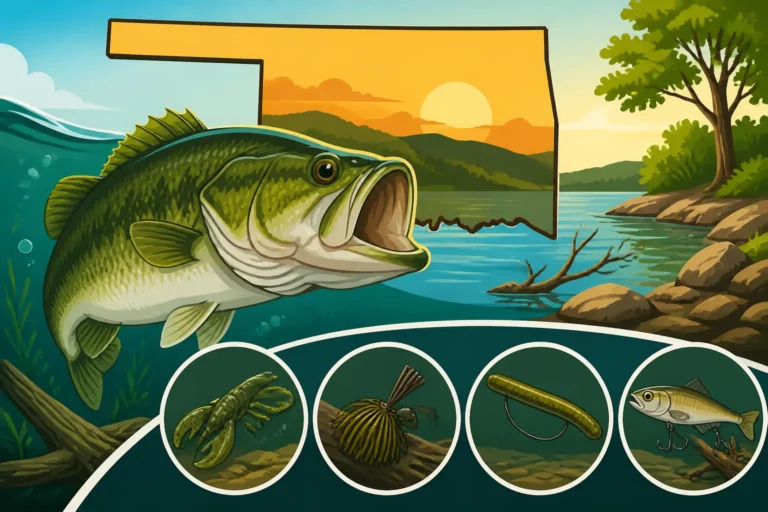
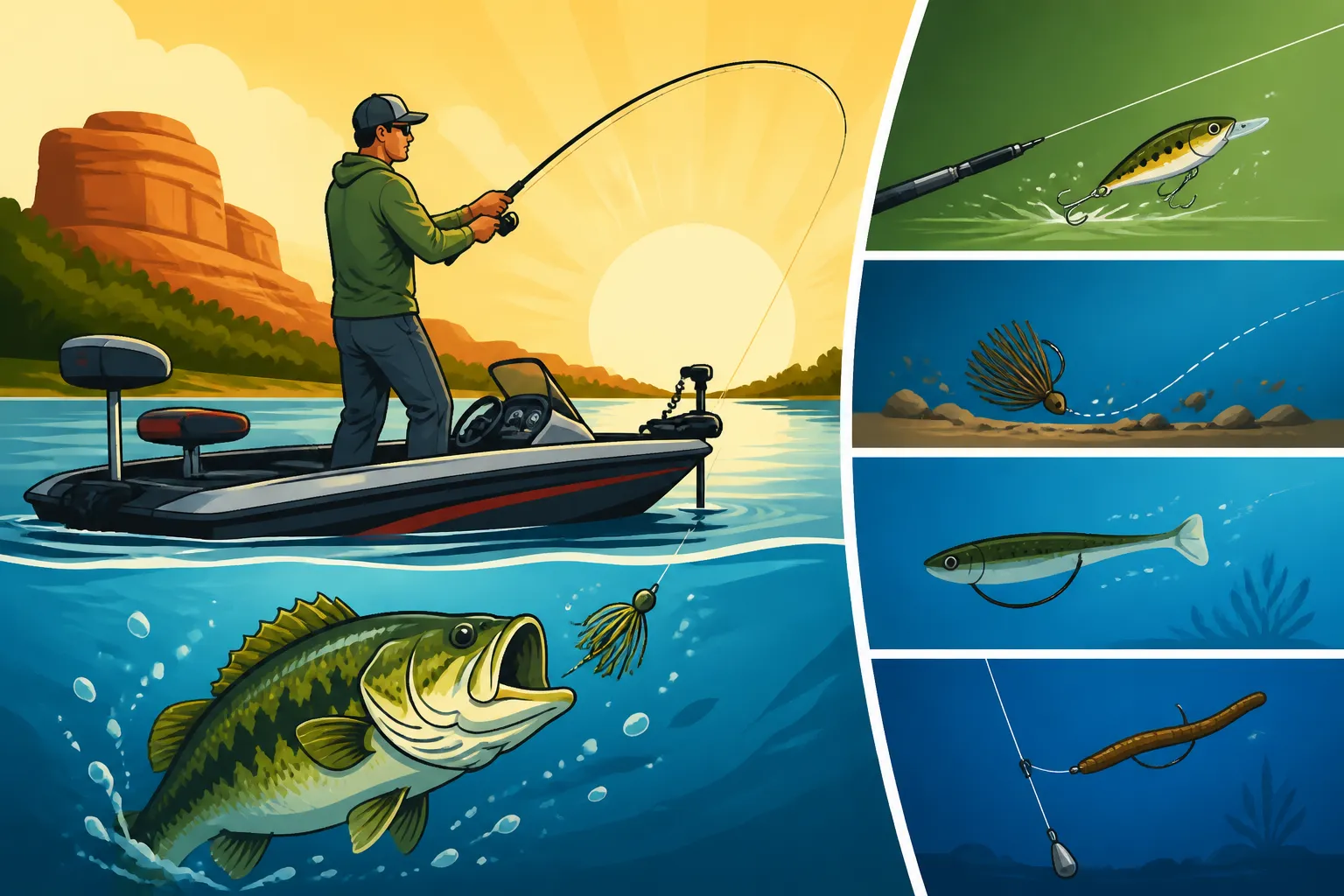
One of the greatest freedoms a boat provides is the ability to cast to any angle around your vessel. This is particularly effective for bass fishing, where targeting specific cover is key. You can position your boat parallel to a submerged tree line, making precise casts with a Texas rig or jig right into the heart of the cover. Or, you can back off a bit and throw a spinnerbait or crankbait down a long point, covering a wide area as you retrieve. The elevated position of a bass boat's deck offers an excellent vantage point for sight fishing in clear water.
"Flipping" and "pitching" are short, accurate casting techniques that are especially deadly from a boat. They allow you to drop a lure almost silently into tight spots like lily pads, docks, or thick brush where big bass love to hide. Instead of making a long overhead cast, you use your rod to lob the lure with minimal splash, imitating a natural presentation. This precision is difficult to achieve from the bank due to obstructions and limited angles, but from a boat, you can work an entire area with surgical accuracy, presenting your lure to every nook and cranny.
The Art of Trolling for Predatory Fish
Trolling is a highly effective technique for covering vast expanses of water and finding actively feeding predatory fish, particularly striped bass, walleye, and even crappie in deeper water. It involves dragging lures or bait behind your moving boat at a controlled speed. The key is to match your trolling speed and lure depth to the fish you're targeting and the conditions of the water. For example, when targeting striped bass at Lake Texoma, anglers often troll large swimbaits or umbrella rigs at specific depths to intercept schools of fish.
Effective trolling often involves using multiple rods, each rigged with a different lure or running at a different depth, until you figure out what the fish are biting and where they are holding. Downriggers and planer boards can help you achieve precise depth control and spread your lures out, preventing tangles and covering a wider path. Understanding Deep Water Striper Fishing Techniques often involves mastering trolling methods. This methodical approach can be incredibly productive, especially when fish are scattered or holding over vast, featureless bottom.
Anchoring Up and Still Fishing
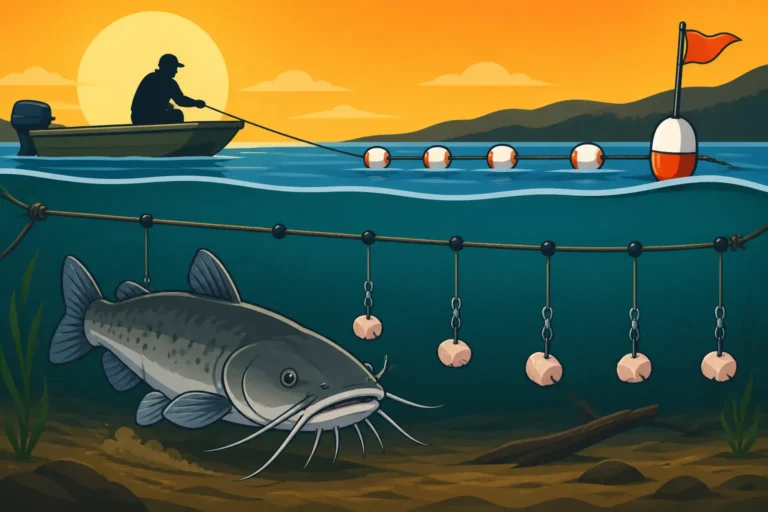
While modern electronics and trolling motors offer mobility, sometimes the best approach is to simply stop and let the fish come to you. Anchoring up and still fishing (or drifting slowly) is a timeless technique that remains highly effective, especially for species like catfish, crappie, and even panfish. It allows you to concentrate your efforts on a very specific spot, saturating it with bait or jigs and waiting for the fish to move in. This can be particularly useful when you've identified a brush pile or a deep hole where fish are congregating.
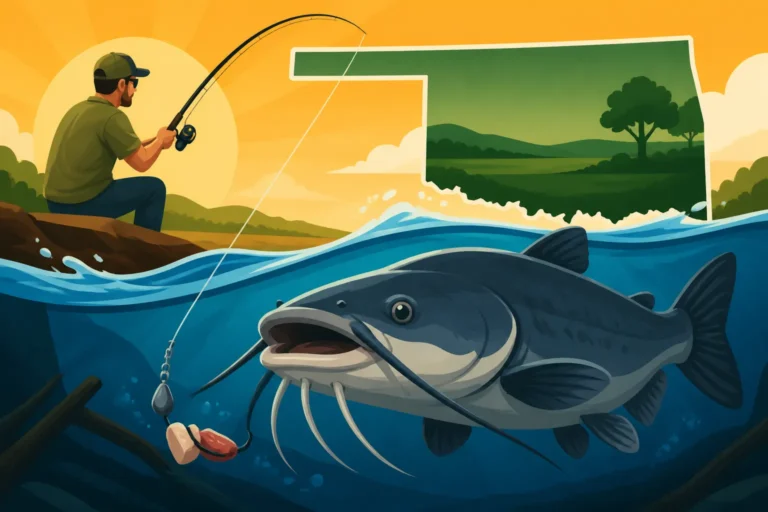
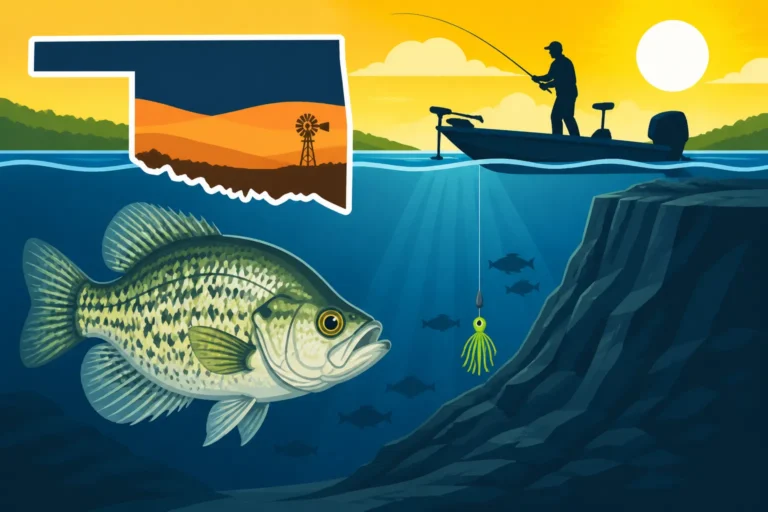
When still fishing for crappie, for example, many anglers will spider rig – using multiple long poles spread out from the boat, each rigged with a jig or a minnow, effectively covering a wide area while remaining stationary. For catfish, anchoring near a channel swing or a deep hole and deploying cut bait on the bottom is a classic and highly successful strategy. This technique demands patience, but it often pays off with consistent catches once you've found the right spot. It's about letting the fish find your offering rather than actively chasing them down.
Tailoring Your Boat Techniques to Oklahoma's Diverse Waters
Oklahoma is a land of diverse fishing opportunities, from massive, windswept reservoirs to meandering rivers and smaller, more intimate lakes. The beauty of boat fishing is that you can adapt your approach to suit these different environments, maximizing your chances regardless of where you drop your lines. What works on Lake Eufaula might not be the best strategy for the Lower Mountain Fork River.
Navigating Open Reservoirs and Big Lakes
Oklahoma's large reservoirs, like Lake Texoma and Keystone Lake, are essentially inland seas. They offer vast open water but can also be intimidating. Here, bigger boats like deep-V aluminum models or larger bass boats shine, as they can handle the chop when the wind kicks up. Techniques like deep-water trolling for striped bass, casting to offshore humps and ledges for bass, or drift fishing for catfish across expansive flats become incredibly effective. Your fish finder is absolutely essential here to locate submerged structure and schools of baitfish in the vastness.
Successful reservoir fishing often involves covering a lot of water to find active fish, especially during periods when they might be scattered. Pay attention to main lake points, creek channels, and submerged timber, which are often fish highways. Understanding how to use your electronics to spot thermoclines in summer or baitfish concentrations is crucial. Always be mindful of weather patterns; a calm morning can quickly turn into a treacherous afternoon on these big bodies of water. Having the right boat, such as those recommended in Best Fishing Boats for Oklahoma's Big Reservoirs, makes a huge difference in comfort and safety.
Working Rivers and Smaller Waterways
Smaller lakes and rivers present a different set of challenges and opportunities. Here, agility and stealth are often more important than sheer speed. Jon boats or smaller multi-species boats are excellent choices for navigating narrower channels, shallow flats, and working around obstacles like downed trees and rock gardens. In these environments, precise boat positioning with a trolling motor is paramount. Think about easing silently up a creek arm, flipping jigs to laydowns, or holding your boat in a current seam while you cast for smallmouth bass.
River fishing, in particular, requires an understanding of current. Fish often hold in eddies, behind obstructions, or in current breaks where they can ambush prey without expending too much energy. Techniques like jigging, short-range casting, and even using current to present live bait become highly effective. While these waters might not hold the trophy-sized striped bass of Texoma, they often offer fantastic opportunities for species like smallmouth bass, spotted bass, and channel catfish. Remember, you'll still need to follow Oklahoma Boat Registration and Titling Rules Explained for most motorized vessels, even on smaller waterways.
Common Boat Fishing Challenges and How to Overcome Them
Let's be real: boat fishing isn't always smooth sailing. There are challenges that every angler faces, from temperamental weather to elusive fish. But with a bit of knowledge and preparation, you can turn these frustrations into learning experiences and ultimately, more successful outings.
Battling Wind and Waves
Oklahoma is known for its wind, and on large reservoirs, that can translate into significant waves and choppy conditions. Wind makes boat control difficult, pushes your boat off course, and can make accurate casting a nightmare. The solution often lies in having the right gear and knowing how to use it. A powerful trolling motor with GPS "spot-lock" capabilities is a game-changer, allowing you to hold your position even against a stiff breeze. Many anglers consider a Minn Kota or MotorGuide model to be indispensable for fighting the wind.
Beyond technology, understanding how to position your boat can help. Try to keep the wind at your back when casting long distances, or position your boat so the waves are hitting your bow or stern at an angle, rather than broadside, to minimize rocking. Fishing sheltered coves or creek arms can offer respite from the wind when the main lake is too rough. Sometimes, the best strategy is simply to adjust your plans and target different areas or even different species that prefer less wind-affected water. Don't be afraid to change tactics if the conditions are making your current approach impossible.
Reading Structure and Bottom Contours
One of the biggest hurdles for new boat anglers is learning how to effectively read their electronics to understand what's beneath the surface. You might have a fancy fish finder, but if you don't know what you're looking at, it's just a screen with colorful blobs. Learning to distinguish between a brush pile, a rock pile, a submerged roadbed, and a school of baitfish takes time and practice. This is where those invaluable hours on the water really pay off.
Start by practicing in known areas. Use your map and GPS to navigate to a prominent point or a known submerged roadbed, then use your sonar to identify what it looks like on screen. Pay attention to how different bottom compositions (hard vs. soft) appear. Look for those tell-tale arches or dots that indicate fish, and observe how they relate to the structure. Many experienced anglers spend as much time "looking" at their fish finder as they do casting. Resources like online forums, YouTube tutorials, and even guide services can significantly shorten your learning curve when it comes to interpreting your sonar. Investing a little time in learning these skills is critical, and it will give you a leg up on locating the Best Fishing Spots in Oklahoma.
Preparing for Your Oklahoma Boat Fishing Adventure
A successful day on the water isn't just about what happens when you cast your line; it starts long before you even leave your driveway. Proper preparation ensures safety, maximizes fishing time, and prevents those frustrating mishaps that can ruin an otherwise perfect trip.
Pre-Trip Boat and Gear Check
Before every outing, take a few minutes to run through a quick checklist of your boat and essential gear. Is your boat's registration current? Are your navigation lights working? Is the bilge pump functional? Do you have enough fuel for your trip, plus a little extra for emergencies? Check your battery connections and ensure your trolling motor is fully charged. These simple checks can prevent headaches and lost fishing time on the lake. Don't forget to review Oklahoma's Boat Safety Equipment Checklist to ensure you're compliant with all regulations.
Beyond the boat itself, give your fishing gear a once-over. Are your reels spooled with fresh line? Are your knots strong? Do you have a variety of lures, baits, and tackle appropriate for the species you plan to target? Pack enough food, water, and sunscreen. Even if you're just heading out for a few hours, being prepared for the unexpected is key. Think about packing an extra change of clothes, just in case, and remember to stow everything securely so nothing flies out when you hit a wave or make a sharp turn. You can find all sorts of helpful boat organizing solutions on Amazon, making it easier to keep your essentials tidy and accessible.
Boat Ramp Etiquette and Launching Tips
Public boat ramps can be busy places, especially on weekends, and navigating them efficiently and courteously is part of the boat fishing experience. Always prepare your boat before backing down the ramp: remove tie-downs, load all your gear, attach bow and stern lines, and ensure your drain plug is in. This speeds up the process for everyone. When it's your turn, back your trailer confidently and launch your boat quickly. If you're struggling, don't be afraid to pull aside and let others go ahead.
Once your boat is off the trailer, move it away from the ramp as quickly as possible so the next person can launch. Never tie up at the ramp itself if there's a courtesy dock available. Retrieve your vehicle and trailer and park it in a designated spot, being mindful not to block other access points. The same applies for retrieval; stage your boat on the courtesy dock or out of the main traffic flow while you get your trailer ready. Good boat ramp etiquette keeps things running smoothly and makes the experience more enjoyable for everyone. For more detailed advice, check out Boat Ramp and Trailer Tips for Oklahoma's Big Lakes.
Disclaimer
Please remember that fishing regulations, license requirements, and safety guidelines can change. Always consult the latest Oklahoma Department of Wildlife Conservation (ODWC) official resources before planning your fishing trip. This article is intended for informational purposes and should not be considered legal or official guidance.