Best Crappie Jig Colors for Clear Water
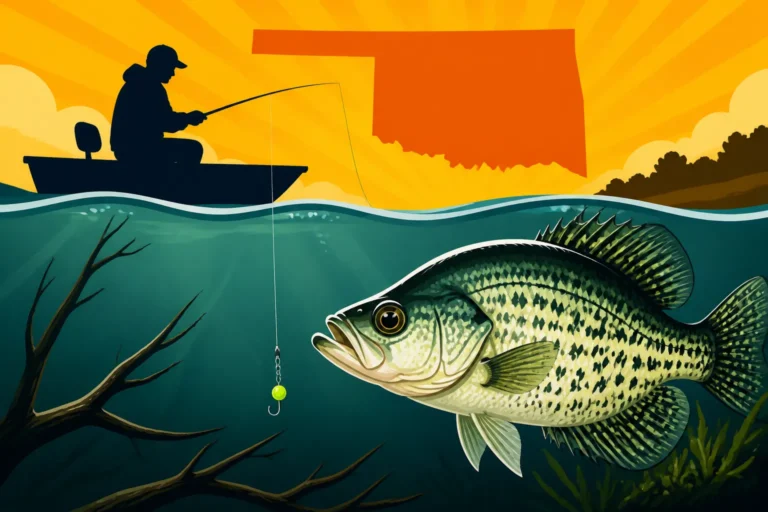
It can be incredibly frustrating to hit your favorite clear-water crappie spot, tie on what usually works, and just get skunked. Those finicky slab-sided fish in transparent waters often ignore the flashy offerings that dominate in murkier environments, leaving you scratching your head. This guide is all about cutting through that confusion, helping you understand the subtle nuances of jig colors that truly shine when the water is crystal clear, giving you the edge you need for a successful crappie outing in Oklahoma.
Understanding Clear Water Dynamics for Crappie
Fishing in clear water isn't just about what you can see; it's about what the fish can see, too. When you're dealing with lakes like Tenkiller Ferry Lake, Broken Bow Lake, or even parts of Lake Murray, the light penetration is significant, and fish have a much better view of your presentation. This changes everything, from how they perceive your jig to how they react to movement.
The Challenge of Highly Visible Water
In clear water, crappie become more wary. They've got excellent eyesight, and they're used to spotting predators from a distance. That means any unnatural presentation, anything that doesn't quite look right, can send them darting for cover. Think about it: if you can easily see the bottom in 10-15 feet of water, those crappie can certainly see your line, your knot, and every detail of your jig. This heightened visibility makes them much pickier about what they're willing to bite. It's not just about finding the fish; it's about convincing them your offering is a natural, non-threatening meal. You're essentially playing a game of stealth and deception.
How Light Conditions Affect Color Perception
The amount and angle of sunlight hitting the water directly influence how colors appear underwater. On a bright, sunny day, especially midday, those vibrant, fluorescent colors that might grab attention in stained water can look completely out of place and garish in clear conditions. They might even appear faded or washed out at certain depths. Conversely, on an overcast day or during low light periods like dawn and dusk, even subtle colors can take on a different hue. The water acts like a filter, absorbing certain wavelengths of light more quickly than others. Reds disappear first, followed by oranges and yellows, with blues and greens penetrating the deepest. This means a jig that looks red to you on the surface might appear as a dull gray or black to a crappie at 15 feet. Understanding this optical trickery is crucial for selecting the right jig.
The Science Behind Jig Colors in Clear Water
It’s not just about picking a pretty color; there’s a biological and physical science to why certain jig colors perform better in clear water. Fish rely on more than just sight, but in clear conditions, visual cues become incredibly important for hunting and identifying prey.
Imitating Natural Forage and Camouflage
In clear water, the most successful jig colors often mimic the crappie's natural prey. Think about what crappie eat: small shad, minnows, insects, and crustaceans. These baits typically aren't neon pink or chartreuse. They're subtle, often translucent, and designed by nature to blend in. Colors like subtle greens, light grays, clear with flecks of silver, or even muted browns can perfectly imitate a tiny baitfish or a bug drifting by.
When a crappie spots a jig that perfectly imitates a shad, darting through the water column, it’s much more likely to strike out of instinct. They're less likely to scrutinize it like they would a jarring, unnatural color. Sometimes, the best "color" isn't a solid hue at all, but a translucent body with glitter or flecks that catch and reflect light, mimicking the scales of a tiny baitfish. This subtlety is key in not alarming the fish. You can find a huge variety of these subtle, natural-looking crappie jigs on platforms like Amazon, offering everything from transparent bodies with silver flakes to muted greens that perfectly blend with underwater vegetation.
Understanding the Light Spectrum Underwater
As mentioned, water acts as a filter. Reds vanish quickly, and while blues and greens penetrate deeper, their perceived intensity changes. This phenomenon is why a bright red jig, which looks vibrant on the surface, can appear almost black or a deep gray at 20 feet. For instance, a blue jig might look like a vibrant blue close to the surface, but as it descends into deeper, clear water, it will become progressively darker, eventually appearing as a muted, deeper blue or even a grayish-blue.
This means that for deeper clear water, you might want to lean into colors that retain some visibility in lower light, such as blues, purples, or greens. Conversely, closer to the surface, where all colors are still visible, even natural shades can be too bright or too contrasting if not chosen carefully. It’s a delicate balance of trying to select a color that looks natural at the depth you're fishing while also being distinct enough to be noticed without spooking the fish. For example, knowing the light spectrum underwater helps explain why the often-overlooked "Best Crappie Jig Colors for Stained Water" might fail in ultra-clear conditions.
Top Crappie Jig Colors for Clear Water in Oklahoma
Now let's get down to the brass tacks: what specific colors should you be reaching for when you're fishing the clear waters of Oklahoma? It's not a one-size-fits-all answer, but there are definite go-to options that experienced anglers swear by.
Natural and Translucent Hues
These are your bread and butter for clear water. They offer a subtle presentation that doesn't scream "artificial!" to wary crappie.
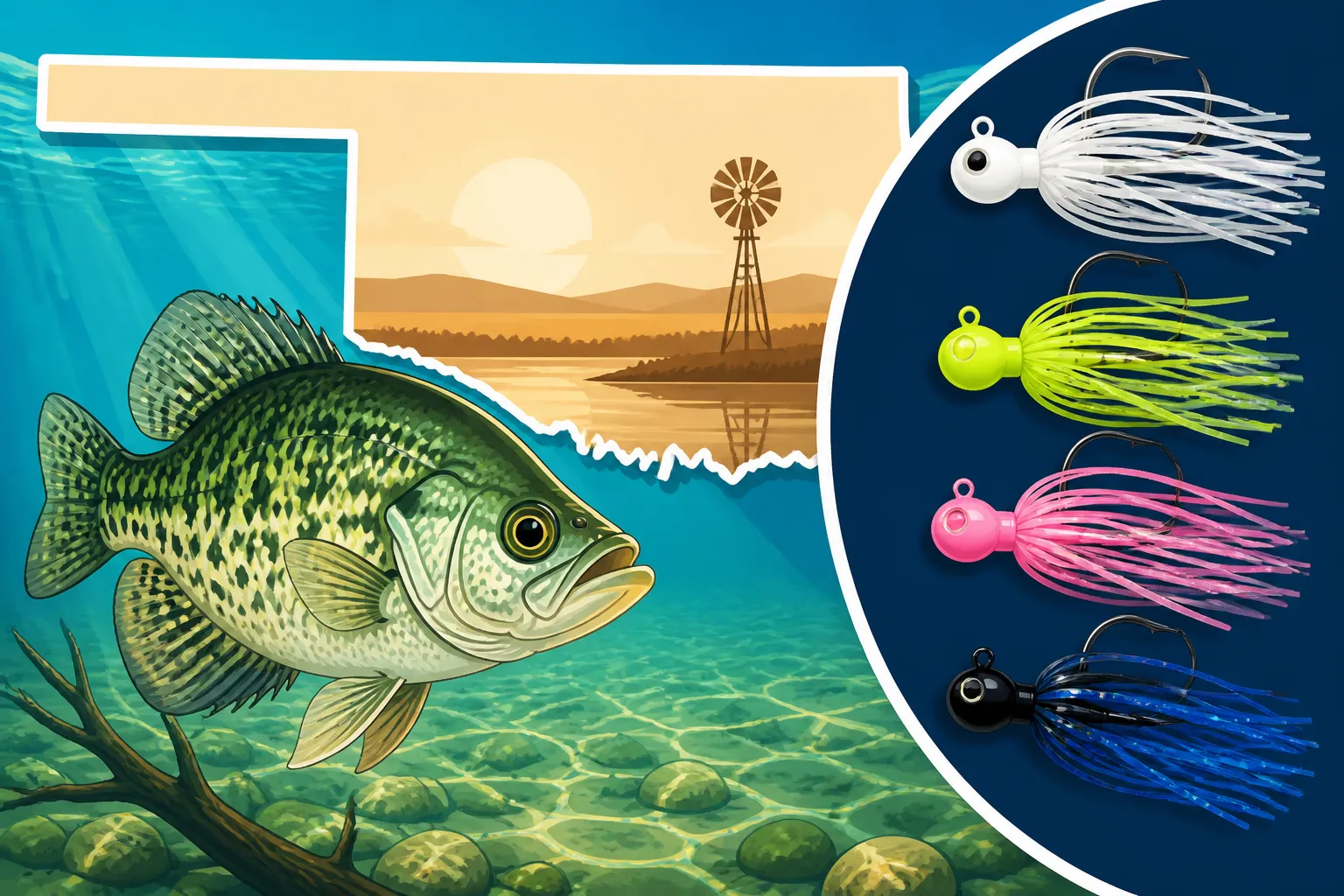
- Smoke/Clear with Flakes: This is arguably one of the most effective choices. A clear or smoke-colored jig with silver or gold flakes perfectly imitates a tiny shad or minnow flashing through the water. The translucency allows light to pass through, making it less opaque and more natural-looking. It’s hard for a crappie to refuse a bait that looks exactly like their natural forage. Brands like Bobby Garland's "Blue Ice" or "Smokin' Shad" are classic examples that consistently produce in these conditions. When sunlight hits those tiny flakes, it creates a subtle shimmer, mimicking the natural flash of a baitfish, without being overpowering.
- Green Pumpkin/Watermelon Red: While often associated with bass fishing, these subtle green and brown tones are fantastic for crappie, especially when they're feeding on insects, small crawfish, or even vegetation-dwelling baitfish. The muted green-brown shades blend in naturally with underwater structures like submerged timber or weed lines. A "watermelon red" jig, with its green body and subtle red flakes, can imitate a struggling insect or a small, injured baitfish. These colors are particularly effective in clear lakes where there's a good amount of aquatic vegetation or woody cover, as the jigs disappear into the background while offering just enough contrast to be spotted.
- Pearl/White: While sometimes considered brighter, a pure pearl or soft white jig can be incredibly effective in clear water, especially on overcast days or in slightly deeper water. The clean, solid color presents a stark silhouette against the lighter sky or water surface, without being overly flashy. It often mimics dying baitfish or even smaller panfish. When crappie are aggressive and chasing schools of shad, a pearl jig can be just what they’re looking for. It's especially potent when paired with a light jig head. For instance, many anglers swear by a plain white jig for catching bigger crappie in the early morning or late evening.
Subtle Pop and Contrast Colors
Sometimes, even in clear water, a touch of contrast or a "pop" of color can be the trigger. The key is subtlety.
- Blue/Black Combinations: These colors work exceptionally well in deeper, clear water or on cloudy days. The blue, whether a light "baby blue" or a deeper "junebug" shade, mimics bluegill or other panfish that crappie prey on. Black provides a strong, clear silhouette against the sky or lighter bottom, making it easy for crappie to spot. A black head with a blue body, or a blue head with a black body, creates a distinct profile. The blue can also be effective in imitating certain types of plankton or invertebrates that crappie filter feed on. This combination is particularly deadly around drop-offs and submerged structures where fish tend to suspend.
- Light Pink/Purple: These might seem counterintuitive for clear water, but they can be surprisingly effective, especially in highly pressured waters where crappie have seen every natural color under the sun. A very light, almost translucent pink or lavender can imitate certain insect larvae or even small shrimp-like creatures. The subtle hue offers a slight contrast without being aggressive. These colors tend to work well when crappie are feeding on smaller, almost invisible forage. Try a very light pink with a silver flake. You might be surprised at how well it draws a strike from a cautious crappie. Many anglers find good success with these more unusual colors at lakes like Arbuckle Lake, especially during the colder months.
| Jig Color | Primary Imitation | Ideal Conditions | Key Advantages |
|---|---|---|---|
| Smoke/Clear w/ Flakes | Shad, Minnows | Sunny, Clear, Any Depth | Natural flash, low visibility of jig body |
| Green Pumpkin/Watermelon | Insects, Small Crayfish | Sunny, Clear, Vegetated Areas, Wood Cover | Blends with natural surroundings, subtle profile |
| Pearl/White | Shad, Dying Baitfish | Overcast, Low Light, Deeper Water | Strong silhouette, clean look, easily seen by fish |
| Blue/Black | Bluegill, Panfish | Cloudy, Deeper Water, Low Light | Good contrast, retains visibility in low light |
| Light Pink/Purple | Insects, Larvae, Unique | Pressured Waters, Changing Conditions | Unique trigger, subtle contrast |
Presentation and Jig Types for Clear Water Success
It's not just the color, but how you present that color. In clear water, a crappie has time to inspect your jig, so retrieve speed, jig weight, and even your line choice can make a huge difference.
Matching Jig Weight and Size to Depth and Current
In clear water, a lightweight jig often outperforms heavier options. The slower fall rate of a lighter jig (1/32 to 1/16 ounce) appears more natural and allows crappie to track it easily. A heavy jig that plummets too quickly can spook fish, appearing unnatural or like a threat. When fishing deeper water, you might need to go slightly heavier (1/8 ounce) to reach the crappie, but always strive for the lightest possible weight that still allows you to maintain contact with your jig and feel the bite.
Consider the retrieve as well. A very slow, almost imperceptible retrieve with a light jig can be deadly. Crappie often respond to baits that appear to be barely moving, as if they are injured or weak. Many anglers find great deals on assorted jig heads in various weights on Amazon, which can be super helpful for experimenting with different fall rates. For a more detailed look into how different jigging techniques work, check out our guide on Crappie Jigging Techniques.
Line Choice and Leader Materials
This is absolutely critical in clear water. Your line can be a huge deterrent.
- Fluorocarbon Leaders: If you're using braided line (which is great for sensitivity), a fluorocarbon leader is non-negotiable. Fluorocarbon is nearly invisible underwater due to its refractive index being very close to that of water. Use a light leader, typically 4-6 pound test for crappie, especially in super clear conditions. This allows you to gain the benefits of braid's sensitivity while tricking the fish with an invisible connection to your jig. The length of the leader can vary, but generally 2-4 feet is a good starting point.
- Light Monofilament: For those who prefer mono, stick with light test lines, 4-6 pound test maximum. While not as invisible as fluorocarbon, high-quality monofilament in a clear or low-visibility green tint can still be effective. The key is to avoid thick, highly visible lines that will cast a shadow or be easily detected by wary crappie. Remember, a crappie has time to eyeball your setup, so anything that screams "fishing line!" will likely be ignored.
Retrieve Speed and Action
In clear water, less is often more. A slow, subtle retrieve with minimal action is usually the most effective.
- Slow Roll: A slow, steady retrieve, just fast enough to keep your jig hovering at the desired depth, often works wonders. It mimics a baitfish or insect swimming languidly. The less erratic movement, the better. Let the natural action of the jig tail do the work.
- Subtle Twitch: Instead of aggressive jerks, try very slight twitches of the rod tip, just enough to make the jig "kick" slightly, then pause. This stop-and-go action can be incredibly enticing. The pause allows the crappie to get a good look at the jig and decide to strike. When you're "tightlining" for crappie, for example, your presentation is all about these subtle movements and the jig's natural fall. For more on this, check out our piece on Crappie Tightlining Techniques.
- Vertically Jigging: When fish are suspended over structure or in deep brush piles, vertical jigging is key. Drop your jig straight down to the fish, then lift and drop it with very small, controlled movements. The idea is to keep the jig in the strike zone for as long as possible without aggressive movements that might spook them. This is often done when you’ve located a school of fish on your fish finder and want to target them precisely.
Adapting to Changing Clear Water Conditions
Even in generally clear lakes, conditions can shift throughout the day or season, requiring you to adjust your jig color and presentation. What works perfectly at dawn might be completely ineffective by midday.
Sun vs. Cloud Cover
The amount of direct sunlight plays a massive role in color effectiveness.
- Bright Sun: On bright, sunny days, especially at midday, stick to the most natural and translucent colors. Smoke with silver flakes, clear with glitter, or light greens and browns are prime choices. The intense light penetrates deep, making any unnatural colors stand out. You want your jig to blend in, not scream for attention. These are the days where fluorocarbon leaders are absolutely essential. Also, consider fishing deeper or in shaded areas, as crappie will often retreat from direct sunlight.
- Overcast/Cloudy: Under heavy cloud cover or during periods of low light (early morning, late evening), you can often get away with slightly more opaque or contrasting colors. Pearl white, light blue, or even a subtle black/blue can become effective. The diffused light reduces the crappie's ability to scrutinize your bait, and a stronger silhouette can actually help them locate it. These conditions also allow for a bit more versatility in your retrieve, as the fish may be slightly less spooky.
Water Depth and Clarity Consistency
Even in a "clear" lake, clarity can vary. Near inlets after a rain, water might be slightly stained, while the main lake body remains pristine.
- Shallower Water (0-10 feet): In very shallow, clear water, crappie are at their spookiest. Opt for the smallest jigs (1/32 oz or even lighter) and the most natural, translucent colors. Think tiny, almost invisible presentations. Any slight unnatural movement or color will be instantly noticed. This is where subtle shimmers and perfectly matched baitfish imitations shine. Consider fishing very early or late in the day when light is low.
- Mid-Depth (10-25 feet): This is a common zone for crappie in clear lakes. Here, the subtle pops of color (light pink, blue/black) can start to shine, especially as sunlight penetration diminishes slightly. Natural colors remain strong contenders. You can experiment more with jig head colors too – sometimes a chartreuse or red jig head on a natural body can provide that subtle trigger.
- Deeper Water (25+ feet): In very deep, clear water, color perception becomes heavily altered. Blues, purples, and sometimes even black tend to retain their visibility best. Your jig should primarily rely on its silhouette and action. Heavy metal jigs or even small spoons can be effective here, often tipped with a crappie nibbler for added scent. This is also where relying on your fish finder to locate schools becomes paramount. Our guide on How to Find Crappie in Deep Water in Summer offers some excellent strategies for these depths.
Ultimately, clear water crappie fishing is a game of finesse and observation. Start with the most natural presentations, pay close attention to how light conditions affect your chosen colors, and don't be afraid to make small, incremental changes until you dial in what the crappie want on that particular day. Keeping a selection of colors, from subtle to slightly contrasting, readily available in your tackle box from a vendor like Amazon, will put you in a great position to adapt to whatever Oklahoma's clear waters throw at you.
Disclaimer
Fishing conditions, regulations, and fish behavior can change rapidly. Always consult the latest Oklahoma Department of Wildlife Conservation (ODWC) regulations before heading out on the water. This guide is for informational purposes only and should not replace official guidelines.