How to Rig a Minnow for Crappie Fishing
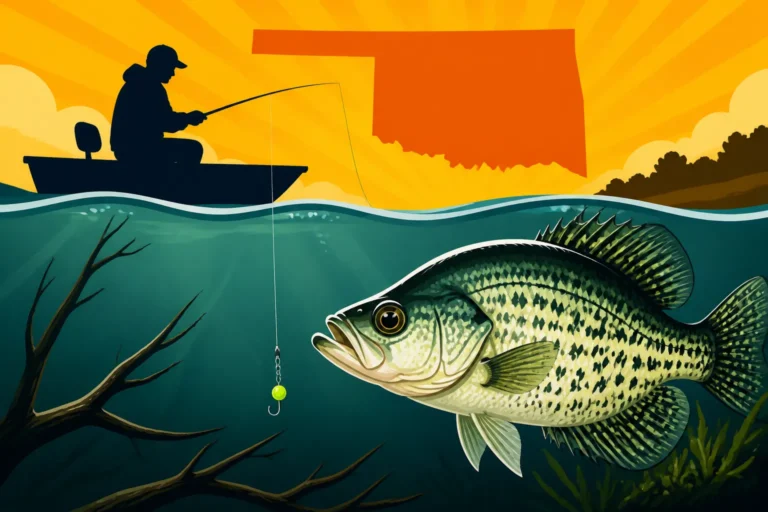
Catching crappie can sometimes feel like trying to convince a super-picky toddler to eat their vegetables. One day they'll hit anything, the next they're ignoring every jig and lure you throw their way. It’s frustrating when you know the fish are there, but they just won't cooperate. If you've been struggling to entice those notoriously finicky slabs, especially when the bite is tough, then turning to live bait, specifically minnows, is often the game-changer you need. This comprehensive guide is all about showing you exactly how to rig a minnow for crappie fishing, ensuring your bait presents naturally and irresistibly to even the most reluctant fish in Oklahoma's waters.
Why Live Minnows Are the Undisputed Champions for Crappie
There’s a reason old-school anglers swear by live bait, and it’s especially true when it comes to crappie. While artificial lures have their place and can be incredibly effective, nothing truly mimics the real thing like, well, the real thing. Crappie are primarily sight feeders, but they also use their lateral line to detect vibrations, and their sense of smell. A live minnow checks all these boxes in a way no plastic can ever fully replicate.
The Irresistible Appeal of Natural Movement
Think about it: a small minnow darting, twitching, and struggling on a hook sends out natural vibrations and visual cues that scream "easy meal" to a hungry crappie. This isn't just a static piece of plastic; it's a living, breathing snack. The frantic wiggles, the subtle flick of a tail, the way it tries to swim away from the hook – these are all triggers that predatory crappie simply can't ignore. When crappie are schooling in brush piles or along ledges, a properly presented live minnow often gets hit when artificials are simply passed over. This natural, erratic movement in the water column is what often seals the deal, especially in clear water conditions where crappie have a better chance to scrutinize your offering.
When Artificial Lures Just Aren't Cutting It
We've all been there: you've cycled through every jig color in your tackle box, tried different retrieves, and still, nothing. This is precisely when live minnows shine brightest. During cold fronts, after a storm has muddied the water, or in the post-spawn period when crappie can be lethargic and less aggressive, their metabolism slows down. They're not actively chasing; they're conserving energy. In these situations, a live minnow, gently presented in their strike zone, requires minimal effort from the crappie. It's an easy, high-protein meal delivered right to their doorstep. Unlike jigs, which demand constant action from the angler to be effective, a live minnow does most of the work for you, providing continuous enticing movement even when you're holding your rod still. When the bite is tough and you're contemplating just giving up, switching to live bait can literally save your day on the water.
Gathering Your Essential Arsenal for Minnow Rigging
Before you even think about putting a hook in a minnow, you need to make sure you have the right gear. Trying to fish minnows with a heavy bass rod or an oversized hook is like trying to swat a fly with a baseball bat – it’s just not going to work efficiently. Crappie fishing with minnows demands a delicate touch and specialized equipment.
Rods, Reels, and Line: The Foundation
For crappie fishing with minnows, you want a light, sensitive setup. A lightweight spinning rod, typically 5 to 7 feet long, with a fast or moderate-fast action, is ideal. This gives you the backbone to cast light rigs but enough tip sensitivity to detect those subtle crappie bites, which can often feel like nothing more than a faint tap or the line simply going slack. Pair this with a small spinning reel (like a 500-1000 series) that's spooled with light line.
Most anglers opt for 4-pound test monofilament or fluorocarbon. Monofilament is a classic choice, offering good knot strength and some stretch, which can be forgiving on light bites. Fluorocarbon, while a bit more expensive, is nearly invisible underwater and has less stretch, providing excellent sensitivity. You can often find great deals on these smaller reels and specialized lines on Amazon, ensuring you have quality gear without breaking the bank. Choosing the right rod and reel can make a huge difference in your success, so consider checking out our guide on the Best Rod and Reel Combo for Crappie Fishing for more in-depth recommendations.
Hooks, Weights, and Floats: The Business End
This is where the precision comes in for minnow rigging.
- Hooks: For minnows, small, sharp hooks are paramount. Aberdeen hooks are very popular for crappie because their long shanks make it easier to remove them from a crappie's mouth, and their thin wire straightens out under pressure, allowing you to often retrieve snagged rigs from brush piles. Sizes #4, #6, or #8 are common. Some anglers prefer small J-hooks or even tiny circle hooks. The key is sharpness and a size that doesn't overpower the minnow or deter the crappie.
- Weights: You’ll need just enough weight to get your minnow down to the desired depth. Split shot weights are most common, crimped a few inches above the hook. You might use one or two small BB-sized split shots. In deeper water or current, a small egg sinker might be used, but always ensure the weight doesn't restrict the minnow's natural movement.
- Floats: Both fixed and slip bobbers have their place. Fixed bobbers are great for shallower water (up to your rod length in depth) as they keep your minnow at a consistent, shallow depth. Slip bobbers are incredibly versatile for deeper water, allowing you to set your depth anywhere from a few feet to 20 feet or more using a bobber stop knot. They're essential for targeting crappie that might be suspended over deep channels or holding near brush piles.
Having a variety of these components in your tackle box is crucial for adapting to different conditions. Building a well-stocked tackle setup specifically for crappie will serve you well, and you can learn more about what to include in our dedicated article on the Best Tackle Setup for Oklahoma Crappie.
Keeping Your Bait Alive: The Unsung Hero
A dead minnow is rarely as effective as a lively one. Investing in a good aerated minnow bucket or a livewell is non-negotiable. These keep the water oxygenated, crucial for keeping your minnows frisky. Change the water frequently, especially on hot days, to maintain a cool, clean environment. A small, fine-mesh minnow net is also invaluable for easily scooping out individual minnows without stressing them or the others in the bucket. Remember, a healthy, active minnow is your best chance at catching crappie. You can often find compact, battery-powered aerators that easily clip onto a standard minnow bucket, readily available on Amazon, which makes keeping your bait lively much easier.
Step-by-Step: Mastering the Art of Minnow Rigging for Crappie
Now, let's get down to the nitty-gritty of how to rig your minnow. There are a few primary methods, each suited for different situations and angler preferences. The key to all of them is to hook the minnow in a way that keeps it alive and lively for as long as possible, while also providing a good hook-up ratio when a crappie strikes.
The Classic Slip Bobber Setup
This is arguably the most popular and versatile method for crappie fishing with minnows, especially when you need to present your bait at a specific depth. It’s effective whether you're fishing from the bank or from a boat. If you enjoy How to Catch Crappie from the Bank, this is often your go-to rig.
- Thread the Line: Start by sliding a bobber stop onto your main line, followed by a small plastic bead. The bobber stop allows you to adjust your fishing depth, and the bead prevents the stop from going through the bobber.
- Attach the Bobber: Next, thread your slip bobber onto the line.
- Add Weight: Below the bobber, attach one or two small split shot weights, about 6-12 inches above where your hook will be. The amount of weight depends on the size of your minnow and how quickly you want it to sink. You want just enough weight to keep the minnow down and allow the bobber to sit correctly without completely submerging.
- Tie the Hook: Finally, tie on your crappie hook (size #4 to #8 Aberdeen or J-hook).
- Hook the Minnow: This is critical.
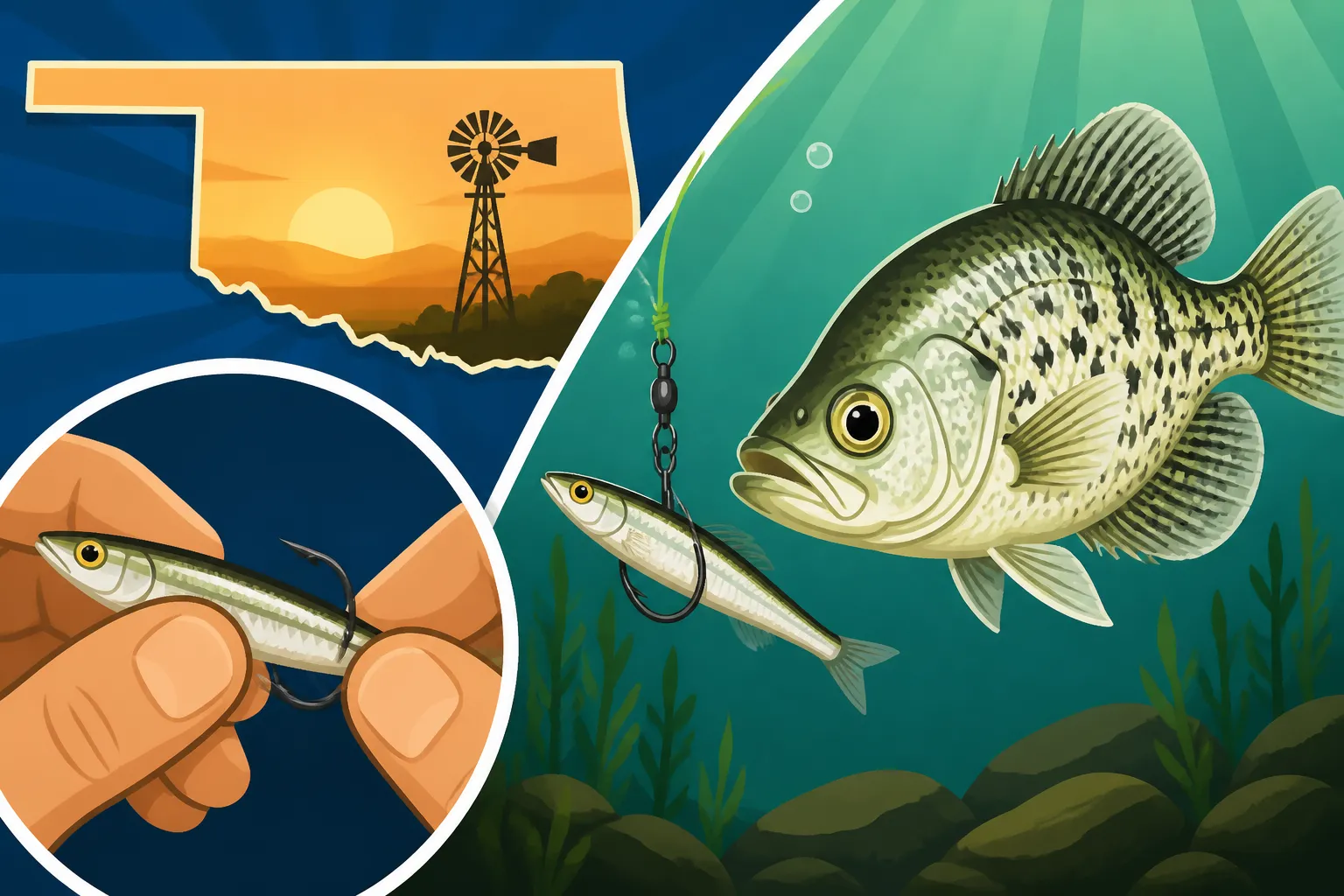
- Through the Lips: The most common method is to hook the minnow gently through both lips, from the bottom lip up through the top. This allows the minnow to swim naturally and breathe easily, keeping it alive longer. It also offers a clean hook-set when a crappie bites.
- Through the Dorsal Fin (Back): Another effective method is to hook the minnow just behind the dorsal fin, making sure to go above the spine. This keeps the minnow lively and allows it to swim horizontally, which can be very enticing. Be careful not to damage the spine, as this will quickly kill your bait. This method is often preferred when crappie are aggressive and hitting hard.
- Through the Tail: Less common, but sometimes effective for a dying minnow or when you want a more frantic swimming action. Hook through the base of the tail, again, being careful not to hit the spine. This can cause the minnow to swim in circles, which can sometimes trigger a bite.
Once rigged, simply adjust your bobber stop to the desired depth, cast it out, and watch for that bobber to dip!
The Stealthy Tightline or Bottom Rig
When crappie are holding close to the bottom or suspended just above it, and you don't want the visual disturbance of a bobber, a tightline or bottom rig is excellent. This method is all about feel and sensitivity. You might even discover new ways to fish by exploring other Crappie Tightlining Techniques.
- Minimal Weight: Tie your crappie hook directly to your main line.
- Add Split Shot: Place one or two small split shot weights about 6-12 inches above the hook. For a true tightline, you might use no weight at all, allowing the minnow to swim freely, but this is best in very still water.
- Hook the Minnow: Hook your minnow through the lips or nose. This ensures it swims naturally, subtly presenting itself to crappie lurking below.
- Presentation: Drop the rig straight down to the desired depth, or make a short pitch. Keep a slight tension on the line, feeling for bites. The rod tip will often just load up or give a subtle twitch when a crappie takes the bait. This technique requires more focus but can be incredibly effective when crappie are shy.
The Versatile Drop-Shot Rig
While often associated with bass fishing, the drop-shot rig can be remarkably effective for crappie, especially when you need to present a minnow vertically in deep water or over specific structure like submerged brush piles. It’s particularly useful when you're using your fish finder to locate schools of crappie that are suspended off the bottom. If you're looking for How to Find Crappie in Deep Water in Summer, the drop-shot is a prime technique to consider.
- Tie the Hook: Tie your crappie hook directly to your main line using a Palomar knot, leaving a long tag end (12-24 inches). The key here is to pass the tag end back through the eye of the hook after tying the knot, so the hook stands out horizontally from the main line.
- Attach Weight: At the very end of that long tag end, tie on a small drop-shot weight (typically 1/8 to 1/4 ounce, often a pencil-style sinker).
- Hook the Minnow: Hook your minnow through the lips. Because the hook is designed to stand out, the minnow will swim naturally, hovering at the exact depth where your hook is tied.
- Vertical Presentation: Drop the rig straight down to the bottom. The weight will sit on the bottom, but your minnow will suspend at a fixed distance above it, perfectly in the strike zone. You can gently twitch your rod tip to give the minnow subtle action without moving your weight off the bottom, keeping your bait in the target area longer.
Minnow Hooking Methods Comparison
Here’s a quick overview of the different ways to hook a minnow for crappie fishing:
| Hooking Method | Pros | Cons | Best Used When |
|---|---|---|---|
| Through the Lips | Keeps minnow lively; natural swimming action; good hook-up ratio; simple. | Minnow can sometimes pull off during a cast or light strike. | All-around, general purpose; especially with bobber rigs. |
| Behind Dorsal Fin (Back) | Minnow swims horizontally, very natural; excellent liveliness. | Can accidentally kill minnow if spine is hit; less secure for casting. | Crappie are active and hitting hard; targeting suspended fish. |
| Through the Tail | Creates frantic, erratic action; good for dying minnows. | Minnow dies faster; less natural action if not constantly moved. | Crappie are sluggish; to provoke a reaction strike; less common. |
Elevating Your Minnow Fishing Game: Pro Tips and Common Pitfalls
Rigging a minnow properly is the first step, but how you present it, and how you adjust to the conditions, is what truly separates a good crappie angler from a great one. Understanding the nuances of crappie behavior throughout the year, as detailed in our guide to Crappie Fishing Techniques and Seasonal Patterns in Oklahoma, will certainly help.
Depth and Presentation Are Everything
Crappie are masters of their environment, often holding at precise depths dictated by water temperature, light conditions, and baitfish location. Your fish finder is your best friend here. Use it to locate schools of baitfish and, more importantly, the crappie themselves, which often appear as distinctive arches or blobs. Once you know their depth, adjust your bobber stop or drop-shot rig accordingly.
Subtlety is key with minnows. A gentle twitch of the rod, a slow retrieve, or simply letting the minnow do its thing can be far more effective than aggressive jigging. If you're fishing in current, allow the minnow to drift naturally. Remember, you're trying to mimic an injured or lost baitfish – something easy for a crappie to ambush. Sometimes, the crappie will simply suck the minnow in without much fanfare, making line watching crucial. Any slight jump, twitch, or sideways movement of your line warrants a gentle, sweeping hook set.
Matching Your Rig to the Conditions
The weather, water clarity, and time of year all play a role in which minnow rig will be most effective.
- Shallow, Still Water: A fixed bobber with a minnow hooked through the lips might be perfect for targeting crappie under docks or around shallow cover.
- Deep Water/Suspended Fish: The slip bobber or drop-shot rig becomes indispensable. Use your electronics to pinpoint depth, and don't be afraid to experiment with how far your minnow is off the bottom or how high it's suspended in the water column.
- Windy Conditions: A slightly heavier split shot can help keep your minnow down and prevent your line from drifting too much.
- Clear Water: Use fluorocarbon line and ensure your hooks are small and sharp. Crappie in clear water can be very visual and spook easily.
- Stained/Murky Water: The natural scent and vibrations of a live minnow become even more critical here, as visual cues are diminished.
Understanding when crappie are most active, like during the Best Time of Year to Catch Crappie in Spring and Fall, can also help you choose the most effective rigging method and presentation.
Avoiding Rookie Mistakes
Even seasoned anglers make mistakes, but new minnow users often fall into a few common traps:
- Too Large a Hook: This is probably the biggest culprit for missed bites. A hook that's too big can make the minnow look unnatural, kill it quickly, or simply be too large for a crappie's mouth to fully engulf. Stick to sizes #4 to #8.
- Dead Minnows: As mentioned, a dead minnow is far less effective. Check your bait regularly and replace it with a fresh, lively one if it appears sluggish or dies.
- Improper Depth: If you're not getting bites, the first thing to check is your depth. Crappie are often schooling at a very specific depth. Adjust your bobber stop up or down in small increments until you find the fish.
- Impatience: Sometimes crappie just need a moment to commit. Give your minnow time to do its work. Don't constantly retrieve or move your bait unless you're intentionally trying to create action.
- Ignoring Regulations: Always double-check the local Oklahoma Statewide Crappie Bag Limit before you head out, and keep track of How Many Crappie You Can Keep in Oklahoma to stay within legal limits. It's easy to get carried away when the bite is hot, but staying compliant is important.
By mastering these rigging techniques and understanding how to present your live minnows effectively, you'll significantly increase your chances of bringing home a cooler full of delicious crappie from your next Oklahoma fishing adventure.
Disclaimer
Please be aware that fishing regulations, license requirements, and local rules can change. Always consult the official Oklahoma Department of Wildlife Conservation (ODWC) website or current regulations guide before heading out on the water. This article is for informational purposes only and should not be considered a substitute for official legal guidance.