How to Jug Fish for Catfish
Let's be honest, sometimes you just want to sit back and let the fish come to you, especially when you're after those big, bottom-dwelling catfish that can be notoriously elusive with a traditional rod and reel. If you've ever felt the frustration of waiting endlessly for a bite or wanted to cover more water efficiently, then this guide is for you. We're diving deep into the world of jug fishing for catfish in Oklahoma, a method that's as effective as it is laid-back, and we'll cover everything from gear to regulations.
What Exactly is Jug Fishing?
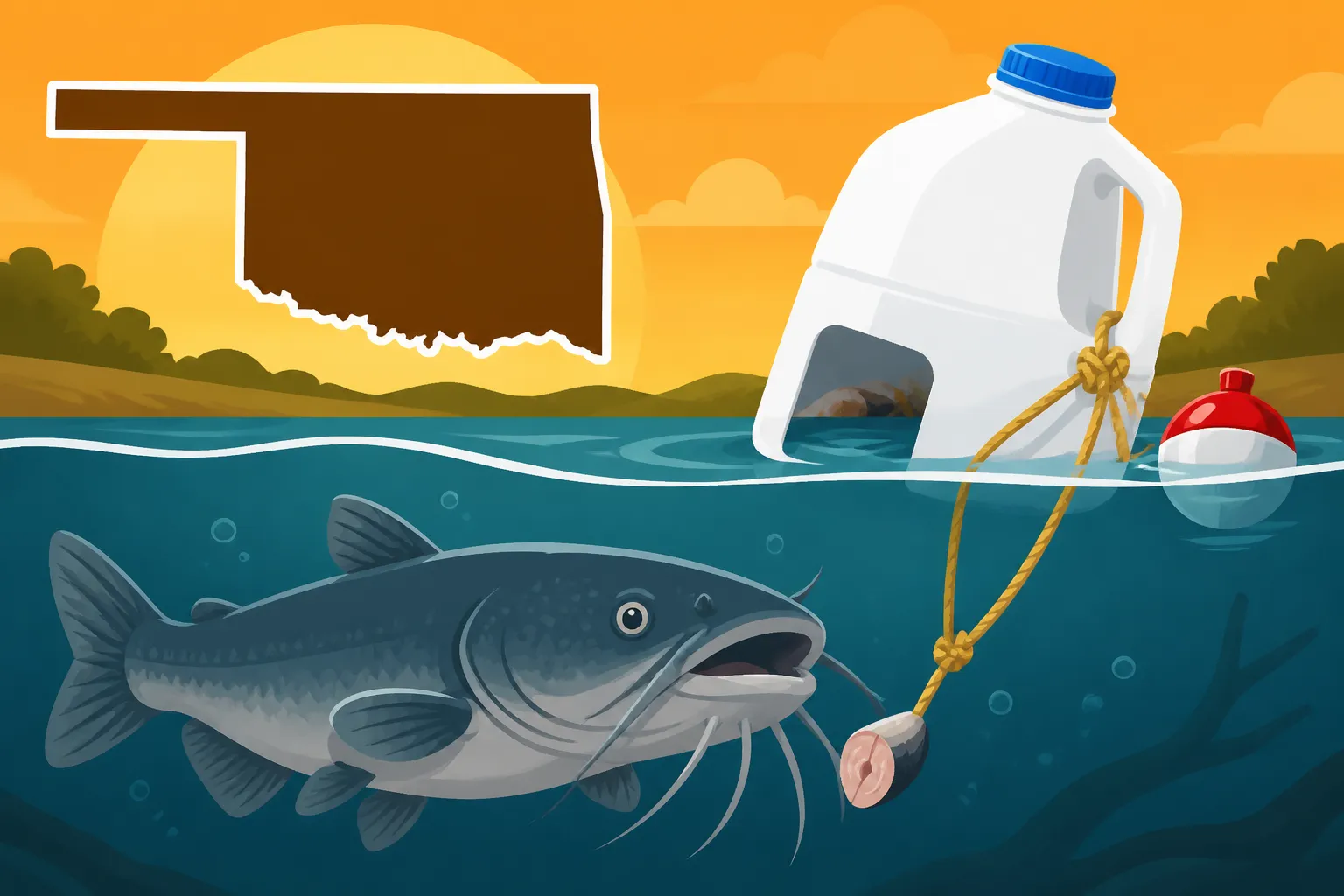
Jug fishing is an old-school, tried-and-true method for catching catfish that has stood the test of time, particularly here in Oklahoma where we have some incredible catfishing opportunities. Instead of casting a line from a boat or the bank and holding onto a rod, you're essentially setting out multiple independent lines, each attached to a float (the "jug") that drifts freely, or is anchored in a strategic location. It’s a fantastic way to fish a larger area and increase your chances of hooking into some whiskered giants.
This isn't about passive fishing where you just leave a line and hope for the best. Jug fishing is a dynamic technique that allows you to deploy several baited lines simultaneously, each working for you while you might be doing something else, like cooking up some breakfast on the shore or enjoying a leisurely paddle around the lake. The beauty of it lies in its simplicity and efficiency, especially when you're targeting species like channel cats, blue cats, and flatheads that love to roam.
The Basics of Jug Line Setup
At its core, a jug line is wonderfully simple: a float, a line, and a hook. The float, or "jug," is usually something buoyant and highly visible, like a plastic bottle, a pool noodle segment, or even specialized commercial jug fishing floats. Attached to this float is your fishing line, typically a heavy-test monofilament or braided line, long enough to reach varying depths depending on where you're fishing. At the business end of that line, you'll have a hook, often weighted to keep your bait down, and sometimes a swivel to prevent line twist.
The brilliance of this setup is how it plays into a catfish's natural foraging behavior. As the jug drifts with the current, or as it's set in a specific spot, the baited hook dangles at a predetermined depth. When a catfish takes the bait, the jug acts as a giant bobber, either taking off across the water if it’s a free-floating line, or aggressively bobbing and moving if it’s anchored, instantly alerting you to a bite. It's an active, engaging way to fish, despite the initial "set it and forget it" appearance.
Why Jug Fishing Excels for Catfish
Jug fishing truly shines when you're after catfish. These opportunistic feeders are often found scavenging along the bottom or cruising through open water, and a drifting or strategically placed jug line with a tantalizing bait is a beacon for them. Unlike a fixed pole, a jug line can present bait in a much more natural, dynamic way, mimicking live prey drifting in the current. This natural presentation can be incredibly effective, especially for wary trophy fish.
Another major advantage is the ability to cover vast stretches of water. Imagine trying to fish a 50-acre cove with just a few rods. With jugs, you can spread out your efforts, hitting different depths, structures, and current seams simultaneously. This multi-pronged approach dramatically increases your odds, turning a slow fishing day into a successful one. Plus, when a big blue cat or flathead hits a jug, the fight isn't confined to your rod tip; you're often chasing down a rogue float, which adds an exciting element of pursuit to the catch! For more insights into catching these species, check out our guide on Catfish Fishing Techniques for Oklahoma Anglers.
Essential Gear for Your Oklahoma Jug Fishing Adventure
Before you hit the water, you'll want to make sure you have the right tools for the job. While jug fishing is simple, having the proper gear can make all the difference in your success and enjoyment. Forget about fancy electronics for a moment; we're talking about durable, effective items that can handle Oklahoma's hard-fighting catfish.
Choosing the Right Floats and Lines
First up are your jugs. You want something buoyant and visible. Many anglers swear by repurposed plastic soda bottles or milk jugs, which are cheap, effective, and readily available. Just make sure they're clean and sealed. For a more robust and professional setup, consider dedicated jug fishing floats, often made from durable foam or PVC, which you can find on platforms like Amazon. These are typically brightly colored for easy spotting and built to withstand repeated use and tough fish. Some come pre-weighted or with built-in features for line storage.
For the line itself, durability is key. Catfish aren't delicate eaters, and they have powerful runs. A heavy-test monofilament line, typically 80 to 150-pound test, is a popular choice due to its abrasion resistance and relative affordability. Braided line in similar strengths also works, offering excellent sensitivity and strength, though it can be a bit more expensive. You'll want enough line on each jug to reach the deepest parts of the water you plan to fish, plus some extra for play and adjustments. A good rule of thumb is at least 20-30 feet, or even more for deeper reservoirs.
Hooks, Swivels, and Weights
Now for the business end: hooks, swivels, and weights. For hooks, size and strength matter. Circle hooks are highly recommended for jug fishing because they are designed to hook fish in the corner of the mouth, reducing gut-hooking and making for easier, healthier releases if you're not keeping your catch. Sizes can range from 5/0 to 10/0, depending on the size of catfish you're targeting and the bait you're using. You might even go larger for monster flatheads.
Swivels are crucial to prevent line twist, especially with baits that might spin in the current or active fish. Heavy-duty barrel swivels or ball-bearing swivels are excellent choices. Attach one just above your hook to allow your bait to present naturally without twisting your main line. Weights are important for keeping your bait down in the strike zone. Egg sinkers, pyramid sinkers, or bank sinkers in weights from 1/2 ounce up to several ounces will work. The amount of weight depends on the current and how quickly you want your bait to sink. You can often find multi-packs of these essential terminal tackle items on Amazon, making it easy to stock up.
Best Baits for Jug Fishing Catfish
Catfish are not picky eaters, which is one of the many reasons they're so much fun to target! When it comes to jug fishing, the smellier, the better. Common favorites include cut bait from shad, carp, or sunfish. Fresh cut bait often outperforms frozen, but sometimes frozen will do the trick if that's all you have available. Shad, in particular, is a classic for blue and channel catfish. Just remember to check Oklahoma's regulations on using game fish as bait.
Other fantastic options include prepared stink baits or punch baits, which are formulated with strong odors to attract catfish from a distance. Chicken livers are another jug fishing staple; they're incredibly effective but can be messy and tend to fall off hooks easily, so rigging them carefully is key. Live baits like large minnows, sunfish, or even small perch can be dynamite for flathead catfish. Remember to always use legal-sized bait and check local regulations. For more detailed bait information, refer to our article on the Best Catfish Bait for Summer Fishing.
Step-by-Step: Setting Up Your Jug Lines
Once you've gathered all your gear, it's time to put it all together and get those lines in the water. This isn't rocket science, but a little preparation goes a long way to ensure your jugs are effective and easy to manage.
Preparing Your Jugs
Start by assembling each jug line. If you're using plastic bottles, you might want to wrap them with bright reflective tape for better visibility, especially if you plan to fish into the evening or at night. Secure your main line to the neck or handle of the jug with a strong knot, like a palomar or improved clinch knot, reinforced with electrical tape if desired for extra security. Some anglers like to drill a small hole in the cap and thread the line through, knotting it inside for a cleaner look.
Next, measure out the length of line you want for each jug. This might vary based on the depth you expect to fish. You can mark different depth increments on your line with a permanent marker, or use a simple system of wrapping excess line around the jug and securing it with a clip or rubber band. Tie on your weight at the desired depth, followed by a swivel, and then your hook. Make sure all your knots are tight and secure. Repeat this process for all your jugs. Having them pre-rigged before you get on the water will save you a lot of time and fumbling.
Deploying Your Jugs Effectively
Deployment is where strategy comes into play. If you're drift fishing, you'll want to consider the wind and current. A common tactic is to start upwind or upcurrent from the area you want to fish and deploy your jugs one by one, spaced out enough to prevent tangles but close enough to cover the zone. As they drift, they'll spread out and cover a wider area. Pay attention to how the wind and current are affecting them.
If you're anchoring your jugs, choose your spots carefully. Look for underwater structure like old creek channels, humps, drop-offs, or submerged timber, all of which are classic catfish haunts. You can use a grappling hook or another heavy anchor (like a brick or a heavy rock secured with rope) to keep your jug stationary. Be mindful of boat traffic and other anglers, and always ensure your jugs are clearly visible, especially at dawn, dusk, or night. Remember, for anchored jugs, a longer tether to the anchor and a shorter leader to the hook is often effective.
Monitoring and Retrieving Your Jugs
The exciting part! Once your jugs are deployed, keep a watchful eye on them. A twitch, a slow drift against the current, or a sudden sprint across the water are all signs that a catfish has found your bait. Approach your jugs slowly and quietly to avoid spooking the fish or tangling other lines.
When you reach a jug that has a fish on it, gently pull it in. Have a net ready, especially for larger fish, and be prepared for a fight! Catfish, particularly bigger ones, can put up a serious battle, even on a jug line. Once the fish is in the boat, carefully remove the hook. If you plan to release the fish, do so quickly and gently. If you're keeping them, place them in a livewell or cooler with ice. Always count your catch and ensure you're within the legal limits specified in Oklahoma's Catfish Fishing Rules and Limits.
Oklahoma Regulations and Best Practices for Jug Fishing
While jug fishing is a blast, it's absolutely crucial to understand and follow Oklahoma's fishing regulations. These rules are in place to ensure sustainable fishing and to keep everyone safe on the water. Ignoring them can lead to hefty fines and a ruined fishing trip.
Understanding Oklahoma's Jug Fishing Rules
Oklahoma has specific rules regarding jug lines, and they can vary slightly by body of water. Generally, anglers are allowed to use a certain number of jug lines. Each jug must be clearly marked with the angler's name and address or their current hunting/fishing license number. This is a non-negotiable rule. The type of jug can sometimes be restricted (e.g., no glass jugs). Furthermore, there are typically restrictions on the number of hooks per jug line, and often a maximum number of jug lines an individual can operate at one time.
It's also important to be aware of any time restrictions for leaving jug lines unattended. Some waters may have specific hours during which jug lines must be removed. Always consult the current Oklahoma Fishing Guide published by the Oklahoma Department of Wildlife Conservation (ODWC) before heading out. This guide will provide the most up-to-date information on all fishing regulations, including specifics on Forked-Tail Catfish Limits in Oklahoma and The 30-Inch Blue Catfish Rule in Oklahoma.
Safety and Environmental Considerations
Beyond regulations, practicing good etiquette and safety is paramount. Always wear a life jacket, especially if you're operating a boat to set or retrieve your jugs. Have a whistle or horn on board, and ensure your boat has all required safety equipment. Be mindful of other boaters and anglers. Jug lines, especially free-floating ones, can be a hazard if not properly monitored and marked. Avoid setting jugs in high-traffic areas or navigation channels.
Environmental responsibility is also key. Never leave your jugs or any fishing tackle behind. All lost gear can become hazardous to wildlife and other boaters. Dispose of all bait, packaging, and trash properly. Consider using biodegradable weights if possible. Respect the fish you catch: handle them carefully, and if releasing, do so quickly to maximize their survival chances. A healthy environment makes for better fishing for everyone.
Tips for Maximizing Your Catfish Haul
To truly optimize your jug fishing, consider a few extra tips:
- Vary Depths: Don't put all your hooks at the same depth. Catfish often move through the water column. Set some jugs shallower, some deeper, and some in the middle to find where the fish are active.
- Target Structure: Catfish love structure. Look for submerged trees, brush piles, rock formations, or sharp drop-offs on your sonar if you have it. These are prime locations to set anchored jugs or drift near.
- Scout Ahead: Before deploying, spend some time observing the water. Look for current breaks, baitfish activity, or even other anglers having success. This reconnaissance can be invaluable.
- Time of Day: Catfish are often most active during low-light conditions, like dawn, dusk, and throughout the night. Consider deploying your jugs in the evening and checking them early in the morning. For specific techniques, read our article on Winter Catfishing Techniques in Oklahoma.
- Bait Variety: If one bait isn't working, try another. Keep a variety of options on hand, from fresh cut bait to stink baits, and see what the fish prefer on any given day.
Jug fishing for catfish is a rewarding and exciting way to experience Oklahoma's fantastic fisheries. With the right gear, a good understanding of the regulations, and a little bit of strategic thinking, you'll be well on your way to a successful and memorable day on the water.
Here's a quick look at common catfish species you might encounter and their characteristics for jug fishing:
| Catfish Species | Typical Size Range (Oklahoma) | Preferred Habitat | Best Bait for Jugging |
|---|---|---|---|
| Channel Catfish | 1-10 lbs, up to 20+ lbs | Lakes, rivers, ponds; prefers warmer water | Cut bait, chicken liver, stink bait, shrimp |
| Blue Catfish | 10-50 lbs, up to 100+ lbs | Large rivers, main lake channels; deeper | Fresh cut bait (shad, herring), live perch |
| Flathead Catfish | 5-30 lbs, up to 80+ lbs | Rivers, lakes; likes submerged timber | Live bait (sunfish, bluegill, goldfish) |
Disclaimer
This article is for general informational purposes only and does not constitute professional advice. Laws, prices and regulations vary by location and change over time. Consult a qualified professional for guidance on your specific situation.