Easy Bream Fishing Tips for Beginners
It’s easy to feel a bit overwhelmed when you first dip your toes into the world of fishing, especially when you just want to enjoy a relaxing day catching something fun and feisty like bream. Many new anglers get bogged down trying to understand complex rigs or expensive gear, but the truth is, bream fishing for beginners is all about simplicity and enjoying the moment. This guide is here to cut through the noise and provide straightforward, actionable tips to get you started catching bream in Oklahoma without any fuss.
The Simple Setup: Gear That Gets You Fishing, Not Frustrated
When you’re just starting out, the sheer amount of fishing gear available can be incredibly daunting. Walk into any sporting goods store, and you’ll see walls of rods, reels, lures, and lines that can make your head spin. But for bream, you really don't need much, and that’s the beauty of it. The key is to keep it light, keep it simple, and keep it affordable.
Choosing Your First Rod and Reel
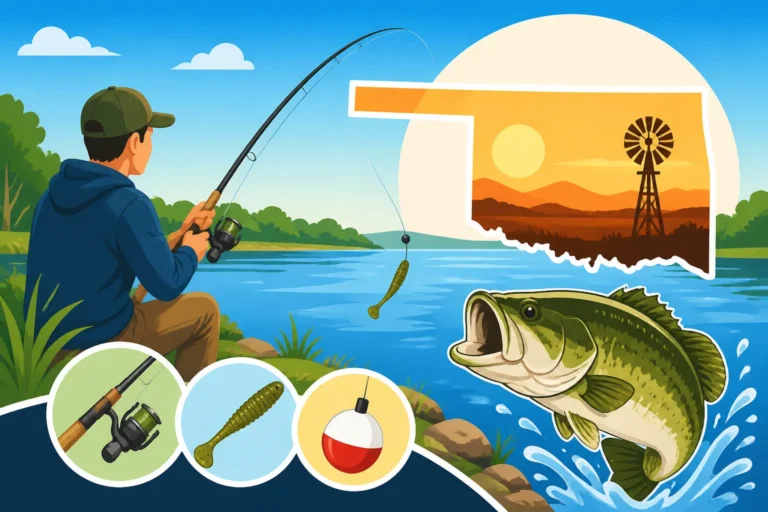
Forget about heavy-duty saltwater setups or complex baitcasters for now. For bream, which include species like bluegill and redear sunfish, a light action spinning rod and reel combo is your best friend. These combos are designed to be user-friendly, allowing for easy casting and handling of smaller fish. Look for a rod in the 5 to 6.5-foot range; anything longer might be cumbersome for a beginner, especially if you're fishing from the bank with trees overhead. The reel should be a small spinning reel, typically in the 1000 or 2000 size range, spooled with light fishing line, perhaps 4 to 6-pound test monofilament. This lighter line helps with casting small baits and is more sensitive to the gentle bites of bream.
Many tackle shops and large retailers offer "youth" or "beginner" combos that are perfectly suited for this type of fishing. You can often find great beginner combos on Amazon that come with a rod, reel, and even some basic tackle, making it incredibly convenient. The rod should have a bit of flex to it, which we call "light action," allowing it to bend easily when a small bream takes the bait, making the fight more exciting and preventing the hook from tearing out of the fish's mouth.
Essential Terminal Tackle for Bream
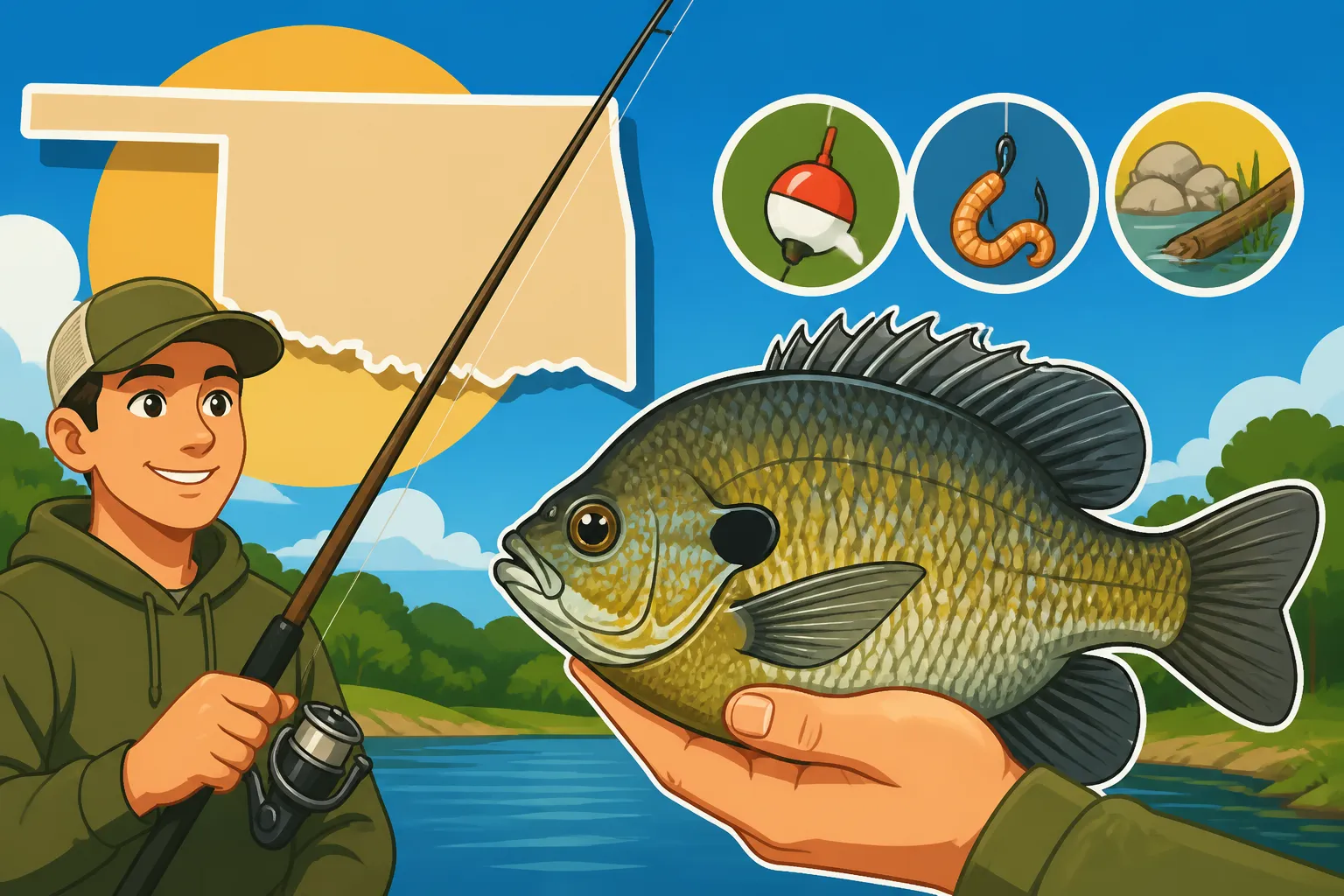
"Terminal tackle" sounds fancy, but it just refers to the bits and pieces at the end of your fishing line. For bream, this list is mercifully short. You'll need some small hooks, usually size 6 or 8 are perfect. These are small enough to fit in a bream's mouth without being swallowed too deeply. Next, you'll want a few small split shot weights. These are tiny lead or lead-alternative weights that you pinch onto your line a few inches above the hook to help your bait sink. Finally, the iconic bobber! These are crucial for bream fishing. A small clip-on bobber (the red and white kind are classics for a reason) will signal when a fish is biting. When that bobber dips, you know it's time to set the hook.
It’s worth having a small pair of needle-nose pliers or a hook remover tool on hand for unhooking fish, as those small hooks can be tricky to get out with just your fingers, especially if the fish has swallowed the bait a bit. Safety first, right?
The Best Baits for Bream
Bream aren't picky eaters, which is fantastic news for beginners! This makes them one of the easiest fish to catch in Oklahoma. The tried-and-true live baits are incredibly effective.
- Worms: Red wigglers or nightcrawlers are a classic for a reason. They're cheap, readily available, and bream absolutely love them. Just pinch off a small piece, enough to cover the hook, and you're good to go.
- Crickets: Another fantastic option, especially in warmer months. Crickets can be threaded onto the hook gently, making sure the hook point is exposed. Their natural movements in the water are irresistible to bream.
- Small pieces of bread or corn: If live bait isn't your thing, or you're just looking for something even simpler, tiny pieces of bread balled onto a hook or a few kernels of canned corn can also entice bream. These are incredibly easy baits that often lead to success.
Need some red wigglers or crickets? Many local bait shops carry them, but you can also find reliable options, sometimes even live bait delivery, through services found on Amazon. The key is to use a bait size appropriate for the small mouths of bream; you don't want a huge chunk of nightcrawler if you're targeting small bluegill. For more specific bait advice, you might want to check out our guide on Best Bluegill Bait for Beginners.
Finding Your Bream Hotspots in Oklahoma
Once you have your simple setup, the next step is finding where these eager little fish hang out. Bream are incredibly common across Oklahoma, found in almost any body of freshwater, from sprawling reservoirs to small farm ponds. They prefer certain habitats, and knowing what to look for will dramatically increase your chances of success.
Ponds and Small Lakes: Beginner's Paradise
For beginners, especially those with kids, small ponds and quieter sections of smaller lakes are goldmines. These areas typically have less fishing pressure, and bream populations can be quite prolific. Farm ponds, city park ponds, and smaller state park lakes often hold abundant bream. When looking at a map or scouting a location, focus on areas with calm water and visible structure. Think about where the fish might feel safe and find food.
The beauty of these smaller waters is that you often don't need a boat. Bank fishing is perfectly suitable. Just grab a comfortable, lightweight folding chair for bank fishing from Amazon and find a nice spot under a shade tree. For ideas on where to start, you might find our guide on Best Fishing Spots for Beginners in Oklahoma particularly helpful.
Key Bream Habitats: Where to Cast Your Line
Bream love cover and structure. This provides them with protection from predators and a place to ambush smaller insects and crustaceans. When you arrive at your chosen fishing spot, scan the water's edge for these prime locations:
- Docks and Piers: The shaded areas under and around docks are magnets for bream. They offer cover and often attract smaller baitfish, which in turn attracts bream.
- Lily Pads and Aquatic Vegetation: Beds of lily pads, cattails, or other submerged weeds are fantastic bream hideouts. Cast your bait just to the edge of these areas, or gently drop it into small openings within the vegetation.
- Fallen Trees and Brush Piles: Any kind of woody debris in the water creates excellent habitat. Fish love to congregate around sunken logs and branches. Cast close to these structures, but be prepared for occasional snags.
- Shaded Areas: Bream often prefer cooler, shaded water, especially during the warmer parts of the day. Overhanging trees, bridge pilings, or even the shadows cast by boats can be productive spots.
These types of locations are prevalent in many of Oklahoma's lakes and ponds. Even if you're fishing a larger body of water like Lake Eufaula or Fort Gibson, look for the protected coves and shallow bays that offer these characteristics. For a broader overview, check out our piece on Family-Friendly Fishing Spots in Oklahoma.
Mastering the Simple Art of Bream Fishing
You've got your gear, you've found a spot – now comes the fun part: actually catching some fish! The techniques for bream fishing are delightfully straightforward, making it perfect for anyone new to the sport. There's no need for fancy retrieves or complex lure presentations; it's all about presentation and patience.
Rigging Your Line and Casting
Before you cast, let's get your line rigged up correctly.
- Tie on your hook: Use a simple knot like an Improved Clinch knot. If you don't know it, a quick search for "fishing knots" will show you. Practice it a few times!
- Add a split shot: About 6-12 inches above your hook, pinch on one or two small split shot weights. This will help your bait sink effectively.
- Attach your bobber: Place your bobber about 1 to 2 feet above your split shot. The exact depth depends on how deep you think the fish are, but starting shallow is always a good idea. If you're fishing in 3 feet of water, set your bobber to allow your bait to hang 1-2 feet deep.
- Bait your hook: Secure a small piece of worm, cricket, or bread onto your hook, making sure the hook point is slightly exposed for a better hook set.
Once rigged, casting is next. With a spinning reel, it’s a simple motion. Open the bail (the metal arm on the reel), grip the line with your index finger, bring the rod tip back over your shoulder, and then smoothly cast forward, releasing the line with your finger as the rod comes forward. It takes a little practice to get accuracy, but you'll get the hang of it quickly. Aim for those juicy spots near cover we talked about.
Reading the Bobber: The Excitement of the Bite
This is where the magic happens! Once your bait is in the water, the bobber is your sole indicator. Watch it closely. Bream bites are usually subtle at first – a little twitch, a slight dip. But then, if a bream is really interested, that bobber will start to dance, sometimes darting sideways, and then, the most exciting part, it'll disappear completely under the water! That's your cue!
Don't yank the rod back immediately with full force. A gentle, but firm, upward sweep of the rod tip is usually enough to set the small hook in a bream's mouth. If you pull too hard, you might rip the hook out or even pull the fish clear out of the water and onto the bank before it even knows what happened. A smooth, controlled motion is key. This is a skill you'll develop, and it's incredibly rewarding when you get it right. For more specific timing, our guide on Best Time of Day to Catch Bluegill could offer additional insights.
Catching and Releasing or Keeping Your Bream
Once you’ve successfully hooked a bream, the next step is bringing it in and deciding what to do with your catch. Whether you plan to release it gently or keep it for a delicious meal, responsible handling is crucial.
Gentle Handling and Releasing Fish
If you’re planning to release your bream, treating the fish with care is paramount to its survival. Try to minimize the time the fish spends out of the water. Handle it with wet hands to protect its slime coat, which is vital for its immune system. If the hook is easily visible and accessible, use those needle-nose pliers or hook remover to gently back the hook out. If the fish has swallowed the hook deeply, it might be better to simply cut the line as close to the hook as possible. The hook will often rust out naturally over time.
Once unhooked, gently place the fish back into the water. If it seems stunned or disoriented, hold it upright in the water and move it back and forth slightly to push water over its gills until it swims away under its own power. Teaching kids these practices is a fantastic way to instill conservation values. You might find our article on How to Teach a Kid to Fish for Bream helpful for this.
Understanding Bag Limits and Keeping Fish
Part of the joy of bream fishing is that they make excellent table fare. Pan-fried bream are a classic for a reason! However, it's important to be aware of the fishing regulations in Oklahoma. While bream generally have generous limits, it's always good practice to check the current rules for the specific body of water you're fishing. The statewide bag limit for crappie, for instance, is typically 37, but individual lakes might have stricter rules. Bream, including bluegill and redear sunfish, usually fall under a much more liberal "unrestricted" category for daily bag and possession limits in Oklahoma, meaning you can keep a good number for a family fish fry.
It’s a good idea to bring a cooler with ice if you plan to keep fish. This keeps your catch fresh until you can clean them. When in doubt about limits, always consult the Oklahoma Department of Wildlife Conservation's current regulations. Our guides on Oklahoma's Bag Limit Rules by Species and Oklahoma Statewide Crappie Bag Limit can offer more detailed information about specific species, even if bream often have simpler rules.
Here's a quick look at common bream baits and their characteristics:
| Bait Type | Pros | Cons | Best For | Ease of Use for Beginners |
|---|---|---|---|---|
| Red Worms/Nightcrawlers | Very effective, readily available, cheap | Can be messy, some find handling them unpleasant | All bream species, general purpose | Easy |
| Crickets | Highly attractive, good movement | Can be harder to keep alive, can jump off hook | Bluegill, Redear Sunfish | Moderate |
| Small Pieces of Bread | Very cheap, no live bait handling | Can come off hook easily, less scent | Bluegill, particularly in urban ponds | Easy |
| Canned Corn | Clean, easy to use, cheap | Less natural attraction, can be less durable | Bluegill, often good for smaller fish | Easy |
| Small Artificial Jigs | Reusable, cleaner, diverse colors | Requires more active presentation, learning curve | Larger bream, more experienced beginners | Moderate to Advanced |
Bream fishing is genuinely one of the most accessible and rewarding ways to get into the sport. It's an activity that truly embraces simplicity, connecting you with nature and providing endless hours of relaxed fun. So grab a simple rod, some worms, find a shady spot by an Oklahoma pond, and get ready to enjoy the thrill of that bobber dipping!
Disclaimer
This article is for general informational purposes only and does not constitute professional advice. Laws, prices and regulations vary by location and change over time. Consult a qualified professional for guidance on your specific situation.