Best Time to Fish Before a Front Moves In
We've all been there: you plan a fishing trip for days, the weather looks perfect, and then bam, a cold front rolls in, and suddenly the fish just vanish. It's incredibly frustrating when your carefully laid plans are thwarted by Mother Nature's mood swings. This guide is all about helping you understand how to recognize the prime window before a front hits and equip you with the knowledge to make the most of that precious time when Oklahoma's fish are often at their most active.
Understanding Barometric Pressure and Fish Behavior
It might sound a bit scientific, but understanding barometric pressure is truly key to unlocking the mystery of why fish bite like crazy sometimes and then clam up completely. Think of it as the invisible force affecting everything from our own headaches to how fish feel in their watery world.
The Science Behind the Pressure Drop
Barometric pressure is essentially the weight of the air pressing down on the Earth's surface, and consequently, on the surface of our lakes and rivers. When a front, especially a cold front, is approaching, there's usually a noticeable drop in this atmospheric pressure. This isn't just a subtle change; it's a significant shift that fish absolutely sense. Their swim bladders, which help them maintain buoyancy in the water column, are directly impacted by these pressure changes. Imagine if your ears suddenly felt immense pressure; you'd probably feel uncomfortable and less inclined to go about your usual business. Fish experience something similar, though perhaps not in the exact same way.
As the pressure begins to drop, the water column itself feels lighter. This can make fish feel more comfortable moving to shallower depths or becoming more active. They're responding to a physiological cue that tells them a change is coming, and often, that change means feeding aggressively while the conditions are still favorable. This often happens right before a strong weather system, which might bring with it storms, heavy winds, or a significant temperature drop.
How Fish React to Changing Pressure
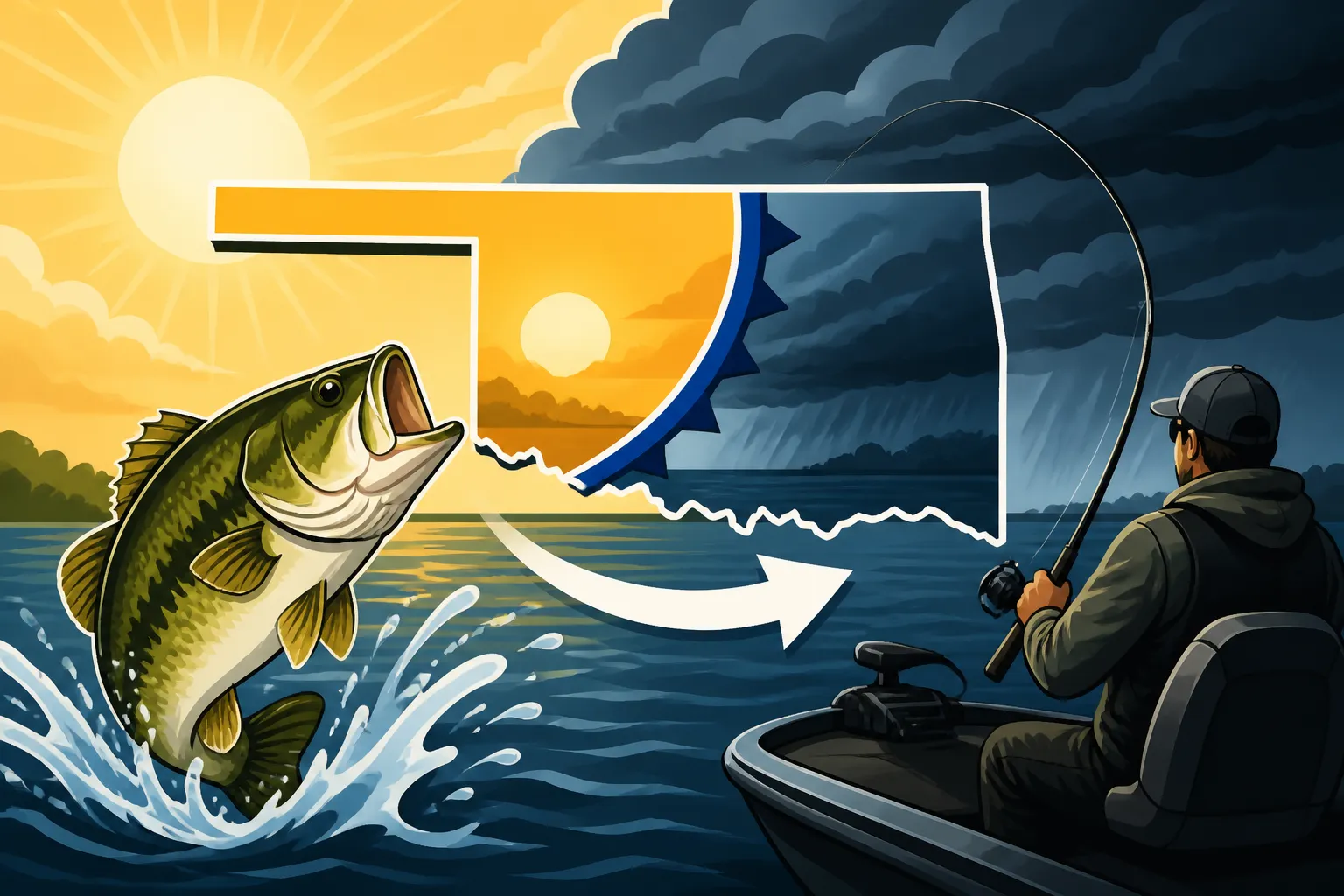
It’s a common frustration: you're out on the water, the sun is shining, and you're not getting a single bite. Then, the sky starts to cloud over, the wind picks up a little, and suddenly, fish are hammering your lures. This isn't just coincidence! When barometric pressure is high and stable, fish often feel a bit sluggish. They might hang out in deeper water or tighter cover, conserving energy. But as a front approaches and the pressure drops, it signals to many species that it's time to feed. This pre-front activity surge is a direct response to the impending change.
Fish know that after the front passes, conditions might become much less hospitable for foraging. Lower temperatures, clearer water, and increased pressure can make them less willing to chase food. So, in that window before the front, they go into a heightened feeding mode. They're trying to pack on calories, anticipating the slowdown that's about to occur. Validating this experience, many seasoned anglers can attest that the fishing is often at its worst after a cold front has firmly settled in, precisely because the fish have already had their pre-front feast and are now feeling the post-front slump. Understanding How Cold Fronts Change Fishing Patterns on Oklahoma Lakes is really vital.
The Golden Window: When Bites Are Best
So, when exactly is this magical "golden window" before a front? It’s typically during the hours leading up to the actual arrival of the foul weather. This could be anywhere from a few hours to a full day before the rain, storms, or significant temperature drop hits. You'll often notice a subtle shift in the air, perhaps a change in wind direction, a darkening sky, or a slight drop in temperature as the leading edge of the front makes its presence known.
During this period of falling barometric pressure, many fish species become incredibly active. Bass, crappie, and even catfish will often move out of their deeper haunts or dense cover and begin aggressively pursuing prey. They might venture into shallower flats, along ledges, or near current breaks, looking for an easy meal. This is the time when you want to be on the water, because once the front actually arrives and the pressure stabilizes again (often at a higher pressure after a cold front), the fish tend to shut down. The key is to be observant and get out there while the barometric needle is still falling. This is when your efforts are most likely to pay off big.
Reading the Signs: How to Know a Front is Coming
You don't need to be a meteorologist to predict when a front is on its way, especially the kind that impacts fishing. There are plenty of subtle (and not-so-subtle) clues that Mother Nature provides. Learning to "read the water" and the sky around you can give you a significant advantage. It's about paying attention to more than just where the fish are hiding.
Atmospheric Clues: Clouds, Wind, and Temperature
One of the most obvious signs that a front is approaching is a change in the sky. Look for increasing cloud cover, especially high, wispy cirrus clouds that often precede a low-pressure system. As the front gets closer, these might develop into thicker, darker clouds. The wind is another huge indicator; often, before a cold front, you'll experience a shift in wind direction and an increase in wind speed. A south wind might suddenly swing to the west or even north as the front approaches, and it usually starts to blow harder. This can make casting a bit trickier, but it's a good sign that the fish might be active.
Temperature can also offer a clue, though it's not always as pronounced before a cold front as it is after. You might notice a slight warmth or humidity build-up if it's a warm front, but with a cold front, the most noticeable temperature change comes after the front passes. However, the air pressure change itself often creates a certain "feel" in the air – sometimes a bit heavy or muggy – that keen observers can pick up on. Keeping an eye on these elements is part of being a prepared angler. Understanding How Weather Fronts Affect Fishing at Grand Lake, Oklahoma can prepare you for specific local conditions.
Observing Wildlife and Insect Behavior
It’s not just us and the fish who feel these atmospheric shifts; other wildlife reacts too! Pay attention to the birds. Before a storm, you might notice birds flying lower to the ground or becoming more active in their feeding, much like fish. Insects can also be a good barometer (pun intended). Dragonflies might fly lower, and you might see an increase in insect hatches right before a low-pressure system, which in turn can bring baitfish to the surface, exciting game fish.
Even livestock can give you clues. Farmers will often tell you their cows lie down before a rainstorm. While you might not have cattle on your fishing boat, the principle is the same: animals are acutely sensitive to changes in pressure. These subtle environmental cues, when pieced together, can paint a clear picture of what's coming, giving you that critical heads-up to maximize your fishing time.
Checking Forecasts and Fishing Apps
While old-school observation is invaluable, in today's world, we also have technology on our side. Checking a reliable weather forecast is always a good starting point. Don't just look at temperature and rain chances; try to find forecasts that include barometric pressure readings or trends. Many popular weather apps will show you if the pressure is rising, falling, or stable. A steady drop is your green light.
There are even specialized fishing apps that integrate barometric pressure data with moon phases and solunar tables, aiming to predict peak feeding times. While no app is 100% foolproof, they can be a fantastic supplement to your own observations. Combine modern tech with traditional wisdom, and you'll be much better equipped to hit the water during that golden pre-front window. It’s a good idea to consider these tools as part of your overall Oklahoma Fishing Seasons: A Month-by-Month Guide planning.
Adjusting Your Strategy: Tactics for Pre-Front Fishing
Once you've identified that "golden window" before a front moves in, it's not enough to just show up. You need to adjust your approach to capitalize on the fish's aggressive feeding behavior. This is when they're less cautious and more willing to strike, so your tactics should reflect that.
Lure Selection and Presentation Adjustments
During the pre-front frenzy, fish are often more willing to chase and strike, which means you can be more aggressive with your lure choices. Don't be afraid to throw those reaction baits! This is an excellent time for crankbaits, spinnerbaits, chatterbaits, and even topwater lures if conditions allow. Bright, flashy colors can often trigger strikes as fish are looking for an easy, visible meal. A quick retrieve can often entice a reaction strike from a fish that's in an active feeding mood.
However, it's also smart to have some slower presentations ready. If the fish aren't quite as aggressive as you'd hoped, or if the pressure has started to stabilize at the very end of the pre-front window, a jig or a Texas-rigged worm can still be effective. The key is to cover water quickly with aggressive baits, but be prepared to slow down if you're not getting bites. Having a variety of options on hand, perhaps a well-stocked tackle box purchased from a reliable vendor like Amazon, ensures you're ready for whatever the fish decide. For bass, specifically, tailoring your approach is key, and you can learn more about this in Oklahoma Bass Fishing: Techniques by Season.
Targeting Key Structure and Cover
Before a front, fish often move from their deeper, more stable holding patterns to areas where they can ambush baitfish more easily. Look for shallower points, humps, ledges, and the edges of weed lines or submerged timber. These are all prime ambush spots where fish will stage to feed as the pressure drops. If there's any current, focus on current breaks, as baitfish will often congregate there, making it an easy target for hungry predators.
Don't neglect shorelines either, especially if there's wind blowing into them. This "wind-blown bank" phenomenon pushes baitfish and plankton into those areas, attracting game fish who are ready to feast. Even subtle changes in depth, like a small drop-off near a flat, can hold a concentration of fish in this pre-front period. Remember, they're looking for efficiency in their feeding, so think like a predator looking for the easiest meal. Best Fishing Techniques Before a Cold Front delves deeper into these specific strategies.
Bait Choices and Techniques
Live bait can be incredibly effective during this aggressive feeding window. Minnows for crappie, shad for stripers or large bass, or even worms for catfish can be irresistible to actively feeding fish. If you're using artificials, consider upsizing your lures slightly. A larger profile can often trigger a more aggressive response from fish that are in a feeding frenzy.
For crappie, active jigging or trolling with multiple lines (spider rigging) can cover a lot of water and help you locate those feeding schools. For catfish, setting up trotlines or juglines in strategic feeding areas can also be highly productive. The key is to be proactive and cover a lot of water initially. If you find a pattern, then you can slow down and meticulously work that area. Having a good supply of fresh bait and a diverse lure selection, perhaps from your latest Amazon order, gives you the versatility you need. You might also want to consult Crappie Fishing Techniques and Seasonal Patterns in Oklahoma or Catfish Fishing Techniques for Oklahoma Anglers for species-specific bait advice.
Gear Considerations for Pre-Front Conditions
While the fish are more active, the weather leading up to a front can sometimes be less than ideal. Increased wind is a common factor, so consider a slightly heavier lure or bait to cut through the breeze and reach your target. Using a slightly heavier line might also be beneficial to handle stronger winds and potential tangles. Also, ensure your knots are fresh and strong, as aggressive strikes from actively feeding fish can put your tackle to the test.
Comfort and safety are also paramount. Even if the immediate weather isn't severe, having rain gear, a good hat, and polarized sunglasses on hand is always a good idea. The weather can change quickly, and being prepared means you can stay out on the water longer during that prime bite window. You can find excellent quality rain gear and other essential fishing accessories easily on Amazon.
Pre-Front Fishing: What to Expect by Species
Different fish species react to changing barometric pressure in their own unique ways, though many share a common surge of activity before a significant front. Knowing these nuances can further refine your strategy.
Bass: Largemouth, Smallmouth, and Spotted
Before a front, bass species are often the most noticeable in their increased activity. Largemouth bass will typically move shallower, often holding along the edges of grass beds, submerged timber, or rocky points where they can ambush baitfish. They'll readily strike spinnerbaits, crankbaits, and even topwater lures if the water is calm enough. Smallmouth bass, known for their love of clear water and rocky structures, will become more aggressive around rocky ledges, humps, and points, often chasing fast-moving jerkbaits or grubs. Spotted bass, similar to largemouth but often found in deeper, clearer reservoirs, will also push shallower and suspend over baitfish schools, making them susceptible to spoons, underspins, and swimbaits. The common thread is aggression and movement to more accessible feeding grounds.
| Species | Typical Pre-Front Behavior | Preferred Lures/Techniques |
|---|---|---|
| Largemouth Bass | Move to shallower cover (grass, timber, docks), active ambush. | Spinnerbaits, Crankbaits, Jigs, Texas Rigs, Topwater. |
| Smallmouth Bass | More aggressive around rocky structure, shallower humps/points. | Jerkbaits, Grubs, Tubes, Small Crankbaits. |
| Spotted Bass | Push shallower, suspend over baitfish, aggressive strikes. | Spoons, Underspins, Swimbait, Jigging Spoons. |
| Crappie | Move to brush piles, creek channels, shallower structure. | Jigs (tipped with minnows), Spider Rigging, Trolling. |
| Catfish | Active feeding in channels, flats, current breaks. | Cut Bait, Prepared Baits, Worms on the bottom. |
Crappie: Black and White
Crappie are another species that often put on a show before a front. They tend to move from deeper open water or isolated brush piles to more accessible shallow cover, especially creek channels, submerged timber, and brush where baitfish congregate. This is an excellent time for tight-lining jigs or minnows around structure. Spider rigging, where multiple rods are deployed with jigs or minnows at various depths, can be incredibly effective for locating these pre-front feeding schools.
The key with crappie is to find the depth they are most comfortable at during the pressure drop. They might be suspended a few feet off the bottom, or right in the middle of a brush pile. Once you find that depth, replicate it. Their bite can be subtle even when active, so pay close attention to your rod tip. You can find more targeted advice in Oklahoma's Statewide Crappie Bag Limit for managing your catch during these productive times.
Catfish: Channel, Blue, and Flathead
Catfish, too, respond positively to falling barometric pressure. Channel and blue catfish become very active, moving into shallower flats and channel edges to scavenge for food. This is an ideal time for bottom fishing with cut bait, punch bait, or large worms. Look for areas with a good current flow or adjacent to deeper channels. They're not as selective during this period and are primarily focused on scent, so strong-smelling baits are a huge plus.
Flathead catfish, being more predatory, will also increase their activity, often venturing out from their deep timber hideouts to ambush live baitfish. Drifting live sunfish or shad in major river channels or over large flats can be very productive. While they might not be as responsive to "reaction" baits as bass, the increased activity means they're more likely to stumble upon and devour a well-presented natural bait. Always check the rules for Oklahoma Forked-Tail Catfish Bag Limit and The 30-Inch Blue Catfish Rule in Oklahoma to ensure you're fishing legally.
Maximize Your Opportunities on the Water
Understanding the science and the signs behind pre-front fishing is only half the battle. To truly maximize your opportunities, you need to think strategically about your time on the water, your preparation, and your approach.
Planning Your Attack for the Pre-Front Window
Strategic planning is crucial. Once you identify that a front is coming, you need to act fast. Don't wait until the clouds are directly overhead. Look at the forecast a few days out and mark that falling pressure period on your calendar. This allows you to prepare your gear, gather your baits, and ensure you have enough time off to hit the water during that prime window. It might even mean adjusting your work schedule or cutting a trip short on another day to make the most of those productive hours.
Consider bringing multiple rod setups. One for aggressive, fast-moving baits, and another for slower, more subtle presentations, just in case the fish aren't as hot as you expect. Having a flexible plan that allows for quick adjustments based on the fish's immediate behavior will always yield better results. Remember, the fish aren't reading the same forecast as you, so their reaction might vary slightly from what's "expected." You'll find more comprehensive planning tips in Building a Fishing Trip Around License and Bag Limit Rules.
Being Prepared for Rapid Weather Changes
Even though you're fishing before the front, conditions can still shift rapidly. A strong front often brings with it high winds, sudden downpours, or even lightning. Always check the most up-to-date forecast before you launch, and keep an eye on the sky and a weather app on your phone while you're out. Having appropriate rain gear, a dry bag for electronics, and knowing your boat's capabilities in rough water are non-negotiable.
Safety should always be your top priority. If conditions start to deteriorate rapidly, don't hesitate to head back to the ramp. No fish is worth risking your safety. Investing in good quality, waterproof gear (many options are available on Amazon) will make your experience much more enjoyable and safer, even when the weather starts to get squirrely.
The Mental Game: Patience and Persistence
Even during a prime pre-front bite, fishing is still fishing. There will be lulls, missed strikes, and moments of doubt. The mental game is just as important as your tackle. Stay persistent, keep experimenting with different presentations and depths, and trust your instincts. If one spot isn't producing, don't be afraid to move and try another. Fish might be concentrated in very specific areas, and it can take some searching to find them.
Celebrate every bite, learn from every cast, and most importantly, enjoy the process. That feeling of anticipation, the thrill of the chase, and the satisfaction of cracking the code on a tough bite are what make fishing such a rewarding pursuit. The best time to fish before a front moves in isn't just about catching fish; it's about connecting with nature and understanding its intricate rhythms.
Disclaimer
This article is for general informational purposes only and does not constitute professional advice. Laws, prices and regulations vary by location and change over time. Consult a qualified professional for guidance on your specific situation.