How to Teach a Kid to Fish for Bream
There’s a special magic that happens when you take a child fishing for the first time. The anticipation, the quiet moments on the water, and especially that thrilling tug on the line—it's an experience every parent or grandparent wants to share. But sometimes, it feels overwhelming, doesn't it? You might worry about keeping their attention, choosing the right spot, or even just getting started with all the gear. This guide is here to walk you through exactly how to make that first fishing trip to an Oklahoma pond or creek a memorable success, focusing on the eager-to-bite bream.
Why Bream Are the Perfect Target for Young Anglers
When you're introducing a child to fishing, you need a fish that's enthusiastic. Nothing saps a child's interest faster than sitting for hours without a single nibble. That's where bream—often interchangeably called sunfish, bluegill, or perch—become your secret weapon in Oklahoma. They are abundant, aggressive, and eager to bite, which means more action and less waiting, keeping those little anglers engaged and excited.
Bream's Abundance and Aggressive Nature
Bream are practically everywhere in Oklahoma. You'll find them in farm ponds, state park lakes, slow-moving creeks, and even the shallow coves of our larger reservoirs. They thrive in various environments, often congregating in large schools, which means if you find one, you're likely to find many. This abundance is crucial for beginner anglers, as it significantly increases their chances of getting a bite. Imagine the look on a child’s face when their bobber dips, and they feel that first exciting pull! That immediate gratification is priceless and hooks them on the sport for life. The sheer number of opportunities to catch a fish makes bream the Best Beginner Fish for Kids Just Starting Out.
Their aggressive nature is another huge plus. Bream aren't shy about striking a bait, often with a quick, decisive tug. This isn't subtle, finicky fishing; it's direct and noticeable, making it easier for a child to feel the bite and react in time. Many veteran anglers will tell you that their fondest fishing memories started with a simple cane pole and a bucket of worms, chasing bluegill in a local pond. This isn't just nostalgia; it's a testament to how reliable and fun bream fishing can be for all ages, especially for little ones taking their first cast.
Simple Gear and Techniques for Bream Fishing
One of the greatest things about targeting bream is how little specialized gear you actually need. You don't need a fancy bass boat or an expensive array of high-tech lures. Simple, affordable equipment is all it takes, which is a huge relief for parents who might be hesitant to invest a lot of money into a hobby their child might not stick with. A basic fishing rod, a small reel, some line, a bobber, a few hooks, and a container of worms is often more than enough to get started.
The techniques are just as straightforward. The most common and effective method for bream is a classic bobber rig. This involves suspending a small hook baited with a worm or other tempting treat a few feet below a bobber. The bobber acts as a visual indicator: when it twitches or goes under, you know you've got a bite. This visual cue is fantastic for kids, as it gives them a clear signal of when to reel. It's incredibly satisfying for them to watch that bobber disappear and then feel the vibration of a fish on the line. It's a foundational skill that can easily lead to more advanced techniques later, but for now, it's all about that simple, joyful moment of a fish biting. If you're looking for more general tips, check out our guide on Bluegill Fishing for Beginners.
Essential Gear for a Successful Kids' Bream Fishing Trip
Getting the right gear for a child's first fishing trip isn't about buying the most expensive items, but about choosing equipment that's easy to use, durable, and appropriate for their size and skill level. Simplicity and comfort are key to making the experience positive.
Rods, Reels, and Line: Keeping It Simple
For young children, a spin-cast rod and reel combo (often called a "push-button" reel) is hands-down the best choice. These reels are incredibly user-friendly; they have a button you press to cast, then release, and crank the handle to retrieve. This eliminates the complexities of open-face spinning reels or baitcasters, which can be frustrating for small hands to manage. Look for combos that are roughly 4 to 5 feet long, which will be much easier for a child to handle and cast than an adult-sized rod. You can find excellent, inexpensive kids' combos on Amazon or at any local sporting goods store. Many even come pre-spooled with line, usually a light 4-6 pound test monofilament, which is perfect for bream. This lighter line allows for easier casting of small baits and still has plenty of strength to bring in those feisty sunfish.
The Perfect Bream Baits and Rigs
When it comes to bait, you can't go wrong with live worms. Red wigglers are fantastic because they're lively and just the right size for bream hooks, but even pieces of a nightcrawler will work wonders. The movement and natural scent of live bait are irresistible to bream. If live bait isn't an option or you prefer something less squiggly, small pieces of corn, bread, or even tiny artificial soft plastic baits designed for panfish can also be effective. The key is to keep the bait small enough for a bream's mouth.
Your rig should be equally simple. You'll need a bobber (the classic red-and-white spherical ones are great because they're easy for kids to see), a small split-shot sinker, and a small hook. Hooks in sizes #8, #10, or #12 are ideal for bream. These are small enough to fit in a bream's mouth but strong enough to hold them. For a basic setup, attach the hook to your line, crimp a small split-shot sinker about 6-12 inches above the hook, and then clip your bobber about 1 to 3 feet above the sinker. The exact depth depends on where the fish are, but starting shallow in calmer, weedy areas is usually a good bet for bream. Our article on How to Rig a Bobber for Bluegill Fishing offers more detailed instructions on this classic setup. For specific recommendations, check out our guide on the Best Bluegill Bait for Beginners.
| Item | Description | Why it's great for kids fishing bream |
|---|---|---|
| Spin-cast Combo | Rod (4-5 ft) & Push-Button Reel, pre-spooled | Easy to use, prevents tangles, fits small hands. |
| Live Worms | Red wigglers, small pieces of nightcrawlers | Irresistible natural scent & movement, reliable for bites. |
| Bobbers | Red & white clip-on bobbers | Highly visible, clear indication of a bite, exciting for kids to watch. |
| Small Hooks | Size #8, #10, or #12 | Perfect size for bream mouths, easy to bait. |
| Small Sinkers | Split-shot sinkers | Keeps bait at desired depth, easy to attach/remove. |
| Pliers/Hook Remover | Small, easy to use | Essential for safe hook removal, protects small fingers and fish. |
| Small Cooler | Drinks, snacks, maybe a few worms | Keeps kids hydrated & happy, prevents meltdowns, keeps bait fresh. |
| Sunscreen & Hat | High SPF, wide-brimmed | Protects delicate skin from Oklahoma sun exposure. |
| Bug Spray | DEET-free or natural options | Keeps annoying mosquitoes and gnats at bay. |
The "Extras" That Make a Difference
Beyond the core fishing gear, a few extra items can significantly enhance the comfort and enjoyment of the trip. A small bucket can serve multiple purposes: a place to sit, to hold water for keeping fish, or simply to carry gear. A small cooler filled with cold drinks and snacks is absolutely essential, especially during Oklahoma's warmer months. Dehydration and hunger can quickly turn a fun outing into a grumpy one. Sunscreen, a hat, and bug spray are non-negotiables for protecting young, sensitive skin from the elements.
Lastly, consider a small, child-friendly tackle box to organize hooks, sinkers, and extra bobbers. This helps teach them about organization and gives them a sense of ownership over their gear. Remember, this isn't just about catching fish; it's about creating a positive outdoor experience. Comfort and preparedness go a long way in ensuring your child remembers the fun, not the discomfort. You can find plenty of these "extras" like kid-sized fishing seats or fun tackle boxes on Amazon that cater specifically to young anglers.
Step-by-Step: Teaching a Kid to Cast and Catch Bream
The real fun begins when you get to the water! Teaching a child to fish involves a series of small, achievable steps, each building confidence and excitement. Patience is your most important tool here.
Mastering the Cast The Push-Button Way
Before you even think about putting a hook on, it's a fantastic idea to practice casting in the backyard. Attach a casting plug (a rubber weight without a hook) or even just a washer to the line. This allows the child to get a feel for the rod and reel without the risk of hooks or the pressure of catching a fish. Show them how to hold the rod, press and hold the button, gently swing the rod forward, and release the button at the right moment.
Emphasize a smooth, controlled motion rather than a forceful one. Start with short distances and celebrate every successful cast, no matter how small. Encourage them by saying things like, "Wow, you really sent that out there!" or "That was a perfect aim!" It's all about positive reinforcement. Once they're comfortable with the casting motion and can consistently get the plug to land where they intend, they're ready for the real deal. Remember, mastering the cast is often the biggest hurdle, so take your time and make it a game.
Setting the Hook and Reeling in That First Bream
Now, it’s time to head to the water with bait on the hook. Find a calm spot, ideally where you can see some bream activity or know they congregate, like near submerged vegetation or shaded banks. Cast out the baited hook and bobber, and then explain the magic of the bobber: "See that red and white float? That's our fish doorbell! When a fish bites, it'll twitch, wiggle, or even disappear under the water. That's our signal!"
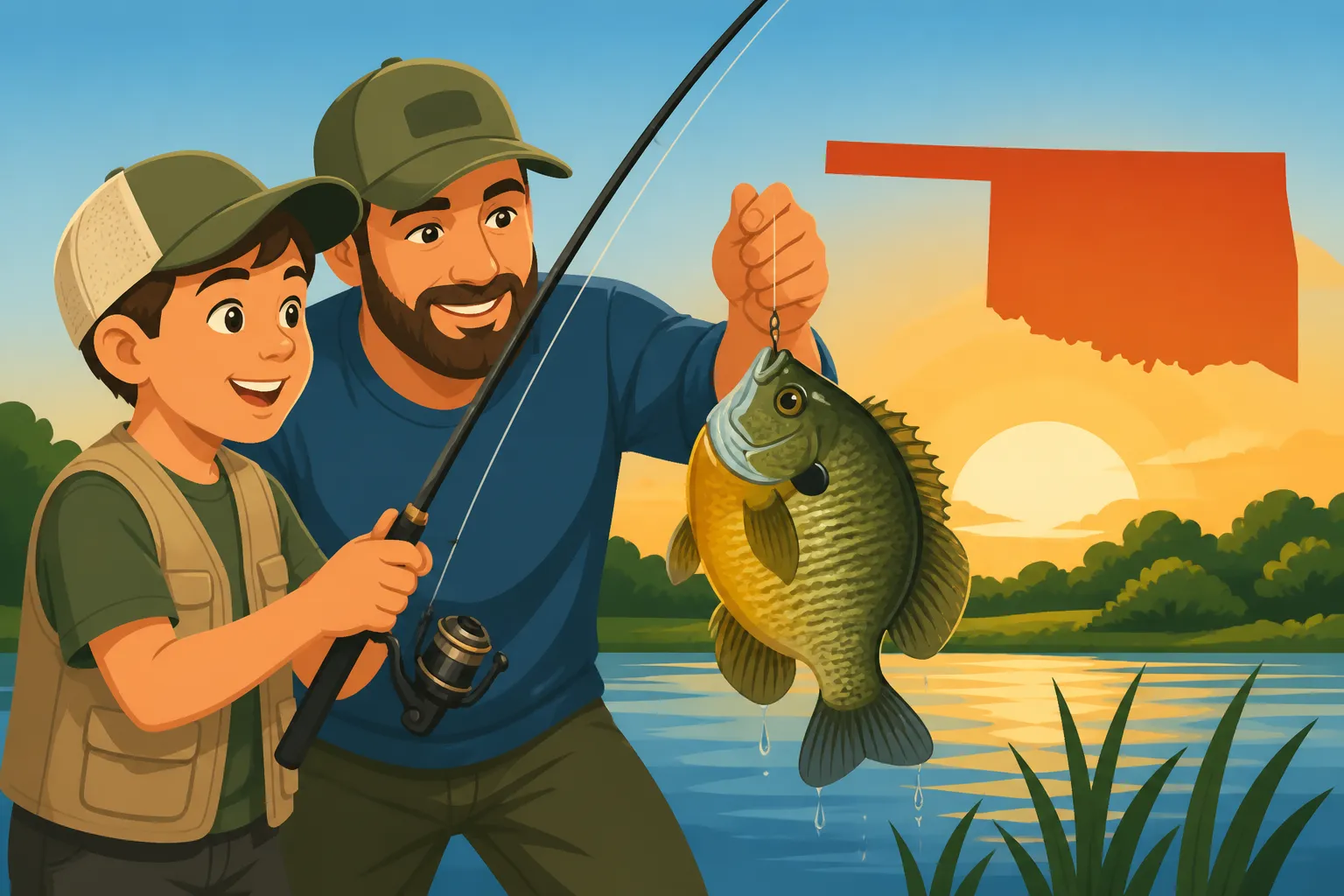
When the bobber moves, instruct them to gently lift the rod tip upwards to set the hook. It doesn't need to be a huge, dramatic yank; a firm, steady lift is usually enough for bream. Once they feel the weight of the fish, guide their hand to the reel handle and tell them to reel steadily. "Keep reeling, keep reeling! You've got him!" The moment they see that shimmering bream break the surface of the water, it's pure joy. That first fish, no matter how small, is a monumental achievement and often the moment they fall in love with fishing. This is where the magic truly happens, cementing their interest in How to Fish for Bluegill with Kids.
Handling the Catch and Releasing or Keeping
Once the fish is reeled in, it's important to teach them how to handle it respectfully and safely. Show them how to gently grasp the fish, avoiding the sharp dorsal fin spines of a bream. Use a pair of small pliers or a hook remover to quickly and carefully take the hook out. This protects both the child's fingers and the fish.
Discuss with your child the option of releasing the fish back into the water or keeping it for dinner (if allowed by local regulations). If you're releasing, show them how to gently place the fish back into the water, allowing it to swim away. If you're keeping it, have a cooler with ice ready. This is also a great opportunity to teach them about conservation and respecting wildlife. Talk about the fish's role in the ecosystem and why it's important to keep only what you'll eat.
Making It an Unforgettable Experience: Beyond the Catch
While catching fish is definitely the highlight, a truly memorable fishing trip with a child is about much more than just the number of fish in the bucket. It's about the entire experience, the lessons learned, and the quality time spent together outdoors.
Choosing the Right Location and Time
Selecting the right spot is paramount. For kids, you want places that are easily accessible, relatively safe, and, most importantly, known for producing bites. Small farm ponds, community fishing ponds in state parks, or calm, slow-moving sections of creeks are often ideal. These spots tend to have high populations of bream and are usually less crowded and intimidating than vast, open reservoirs. Look for areas with some shallow water and submerged vegetation or structure, as this is where bream love to hide and feed. Our guide to the Best Fishing Spots for Beginners in Oklahoma can offer some fantastic local suggestions.
Timing matters, too. Early morning or late afternoon/early evening often yield the best results for bream, as these are typically cooler times of day when fish are more active. Avoiding the harsh midday sun also makes the experience more comfortable for everyone. Consider our insights on the Best Time of Day to Catch Bluegill for optimal results.
Keeping the Fun Alive Even When Fish Aren't Biting
Let's be realistic: there will be times when the fish aren't biting, even with eager bream. This is where your parenting skills truly shine. Have a backup plan to keep them entertained. Bring a small magnifying glass to look at insects, binoculars to spot birds, or even just some paper and crayons for drawing. Pack extra snacks and drinks, and don't be afraid to take breaks. A short walk around the pond or a storytelling session can rejuvenate their interest.
The goal isn't necessarily to catch a trophy fish, but to foster a love for the outdoors and create lasting memories. Focus on the sounds of nature, the feel of the sun on their face, or the simple joy of being together. Encourage curiosity about the plants and animals around them. Sometimes, the most cherished moments come from watching a duck swim by or finding an interesting rock. The true success of the trip isn't measured by the fish count, but by the smiles and the desire to go fishing again. Our list of Family-Friendly Fishing Spots in Oklahoma highlights locations with amenities that cater to a broader outdoor experience.
Safety First: A Parent's Guide
Safety should always be your top priority. Before you even leave the house, discuss basic safety rules with your child:
- Hook Safety: Explain that hooks are sharp and should always be handled carefully. Teach them to look behind them before casting to avoid hitting anyone.
- Water Safety: If you're near deep water or on a boat, ensure children wear properly fitted life jackets. Even on a dock, close supervision is essential. For detailed requirements, refer to Life Jacket Rules for Kids 12 and Under on Oklahoma Boats.
- Sun Protection: Apply sunscreen regularly, and make sure they wear hats and sunglasses. The Oklahoma sun can be intense.
- Hydration: Bring plenty of water or juice to prevent dehydration, especially in warmer weather.
- Bug Protection: Use insect repellent to avoid bites from mosquitoes, ticks, and chiggers.
- Buddy System: Always keep an eye on your child, and if possible, fish with another adult.
A quick review of the fishing location beforehand can also help you identify any potential hazards like steep banks, strong currents, or poison ivy. By being prepared and vigilant, you can ensure that the focus remains on fun and connection, making their first bream fishing adventure truly unforgettable.
Disclaimer
This article is for general informational purposes only and does not constitute professional advice. Laws, prices and regulations vary by location and change over time. Consult a qualified professional for guidance on your specific situation.