Safety Gear Checklist for a Day on an Oklahoma Reservoir
There’s nothing quite like the feeling of heading out onto an Oklahoma reservoir, sun on your face, rod in hand, ready for a day of incredible fishing. But as an experienced angler and fellow Oklahoman, I’ve seen my share of unexpected bumps in the water. Far too often, people get so caught up in the excitement of the catch that they overlook the critical importance of safety. This comprehensive guide is here to walk you through a detailed safety gear checklist, ensuring your next outing on an Oklahoma lake or river is not only productive but, more importantly, safe and worry-free.
Life Jackets and Personal Flotation Devices: The Absolute Non-Negotiables
When you're out on the water, whether it's the vast expanse of Lake Texoma or a more intimate spot on Lake Arbuckle, circumstances can change in an instant. A sudden wake, an unexpected storm, or even a simple slip can land you in the water. This is why personal flotation devices (PFDs), commonly known as life jackets, are at the absolute top of any safety gear list.
Life Jackets for Every Passenger
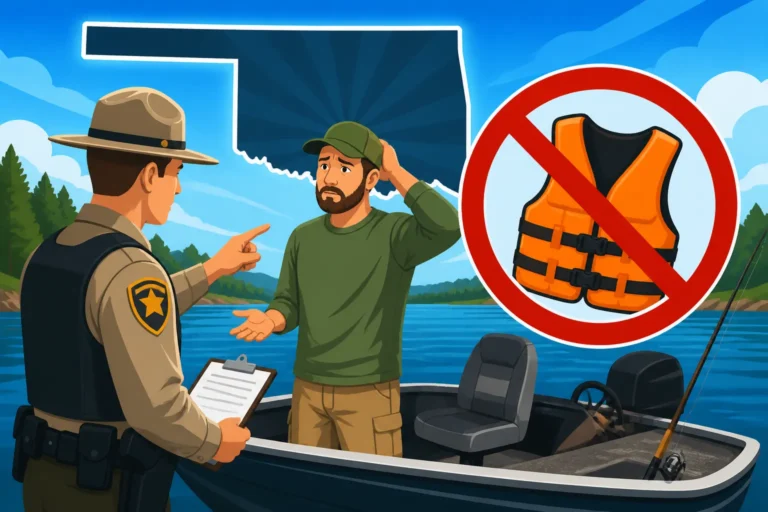
It might seem obvious, but you'd be surprised how many folks think having some life jackets on board is enough. The truth is, every single person on your vessel, from the smallest grandchild to the most seasoned angler, needs access to a properly fitting, Coast Guard-approved life jacket. And by "access," I mean readily available, not buried under a pile of tackle boxes or forgotten in a cabin locker. Imagine the chaos if someone goes overboard unexpectedly – scrambling for a jacket isn't an option. Make it a routine to count heads and ensure a PFD for each one before you even leave the dock. You can find a wide range of Coast Guard-approved life jackets at your local Bass Pro Shops or even browse options on Amazon, making sure to get the right size and type for everyone, especially the kids. Life Jacket Rules for Kids 12 and Under on Oklahoma Boats are particularly strict for a good reason.
The "Wear It" Versus "Have It" Debate
While the law dictates that you must have certain life jackets on board, there's a world of difference between merely possessing a life jacket and actually wearing it. For children aged 12 and under, Oklahoma law generally requires them to wear a PFD while the vessel is underway. But for adults, it's often a personal choice. I can't stress this enough: wear it. Especially if you're alone, if the weather looks iffy, or if you're not a strong swimmer. Modern life jackets are far less bulky and much more comfortable than the old-school orange blocks. They won't hinder your casting and they could literally save your life. Think about it: if you're unconscious after an accident, a stowed life jacket won't do you any good. Do Adults Need to Wear a Life Jacket on an Oklahoma Boat? explores this in more detail, and the answer is always yes if you want to be truly safe.
Throwable Devices
Beyond individual life jackets, boats 16 feet or longer are generally required to carry at least one Type IV throwable flotation device. This could be a ring buoy or a boat cushion. While these aren't meant to be worn, they are absolutely invaluable for throwing to someone who has unexpectedly fallen overboard. The key here is quick access. Don't stash it away where it's hard to grab in an emergency. It should be within arm's reach of the helm or a main seating area. Learning how to quickly and accurately throw one of these can make all the difference in a rescue situation. It’s not just about compliance; it’s about preparedness. Understanding Type IV Throwable Device Rules for Boats 16 Feet and Longer can help you meet legal requirements while enhancing safety.
Communication and Emergency Preparedness: Staying Connected and Safe
Even on a calm day, things can go wrong. Engine trouble, a medical emergency, or getting lost can quickly turn a pleasant fishing trip into a stressful situation. Having reliable ways to communicate and address immediate issues is paramount for any day on an Oklahoma reservoir.
Marine Radios and Cell Phones
Relying solely on your cell phone for emergencies on the water can be a dangerous gamble. While cell service is getting better, there are still plenty of dead zones, especially in remote coves or on the vast open waters of bigger lakes. A waterproof marine radio, available at most sporting goods stores or online retailers like Amazon, is a crucial piece of equipment. It allows you to hail other boats, communicate with marine patrol, or reach the Coast Guard if necessary. Always keep it charged and know how to use it. Your cell phone should be a backup, preferably stored in a waterproof bag. It's great for checking local forecasts or calling a friend, but for genuine distress calls, a marine radio often trumps it. Consider investing in a high-quality model, as a reliable radio can be a lifesaver. You can find out more about selecting one in our guide, Best Marine Radio for Fishing on Big Reservoirs.
First Aid and Emergency Kits
No one wants to think about injuries, but they happen. A hook in the finger, a minor cut, a sunburn, or even a sudden allergic reaction. A well-stocked first aid kit isn't just a suggestion; it's a necessity. Your kit should include basics like bandages, antiseptic wipes, pain relievers, and any personal medications. But beyond standard first aid, an emergency kit should also contain items like a whistle (for signaling), a flashlight with extra batteries, a multi-tool, duct tape (you'd be surprised what you can temporarily fix with duct tape!), and a knife. Having a basic repair kit for your boat, like spare spark plugs, fuel line clamps, or even just some zip ties, can also turn a bad situation into a manageable one. Think about what you'd need if you were stranded for a few hours. For comprehensive advice on what to pack, check out Best First Aid Kit for a Fishing Boat.
Signaling Devices
Visibility is crucial, especially if you find yourself in distress after dark or in foggy conditions. Beyond a marine radio, signaling devices can help others locate you. Flares (both visual and smoke), a signaling mirror for daytime, and a powerful waterproof flashlight for night are excellent additions to your safety kit. A loud, air-powered horn or whistle is also important for alerting nearby boats to your presence or signaling for help. Remember, while a cell phone flashlight can work in a pinch, a dedicated marine-grade light will be much more effective and reliable. These items are often overlooked until they're desperately needed, so make sure they're part of your routine safety check.
Navigation and Environmental Awareness: Knowing Your Way and Your Surroundings
Oklahoma's reservoirs are beautiful, but they can also be tricky. Hidden stumps, rapidly changing weather, or simply getting turned around in a maze of coves are real possibilities. Good navigation tools and an awareness of your environment are key to a smooth and safe trip.
Charts and GPS
While many boats today come equipped with advanced GPS units, having paper charts of the reservoir you're fishing is a smart backup. Batteries die, electronics fail, and screens can be hard to read in bright sunlight. A detailed paper chart allows you to orient yourself, identify channels, depths, and potential hazards like submerged timber or rock formations. Pair this with a reliable, handheld GPS unit or even a good navigation app on your phone (download maps offline!) for pinpoint accuracy. Always mark your starting point and keep an eye on your position, especially if you're exploring new areas. Losing track of your location can lead to wasted time, running aground, or even getting stuck after dark.
Weather Monitoring
Oklahoma weather is famous for its unpredictability. A sunny morning can quickly turn into a raging thunderstorm. Always check the forecast before you head out, and continue to monitor it while you're on the water. A marine radio can often pick up weather advisories, and many weather apps provide real-time radar. Look for signs of changing weather: sudden drops in temperature, darkening skies, or a shift in wind direction. If you see storms approaching, don't wait – head back to the ramp immediately. No fish is worth risking your safety, or the safety of your passengers, in a violent storm. Knowing when to call it a day is a mark of a truly experienced and responsible boater.
Anchor and Rode
An anchor isn't just for holding your position while you fish. It's a critical safety device, especially if your engine dies or you find yourself drifting towards hazards. Your anchor setup (the anchor itself, chain, and rode/rope) needs to be appropriate for the size of your boat and the type of bottom you'll encounter. Most Oklahoma reservoirs have a mix of mud, sand, and rock, so a versatile anchor type like a fluke anchor or a plow anchor is often a good choice. Ensure you have enough rode for the depth you'll be fishing, typically 7-10 times the depth in length for effective anchoring. A strong anchor can keep you from drifting into danger while you troubleshoot an issue or wait for help. You'll find more details on choosing the right one in Best Anchor for Fishing From a Boat on Oklahoma Reservoirs.
Boat Operation and Maintenance Basics: Keeping Things Running Smoothly
Even the most well-equipped boat needs a little love and attention to ensure it performs safely. Neglecting basic checks can lead to unexpected breakdowns, which can quickly become safety hazards on the water.
Fire Safety
Few things are more terrifying on a boat than a fire. Boats carry fuel and often have electrical systems, making them susceptible. Every boat needs at least one Coast Guard-approved fire extinguisher, and it needs to be easily accessible and in good working order. Know how to operate it, and regularly check its pressure gauge to ensure it’s charged. Beyond having an extinguisher, practice good habits: ensure your engine compartment is well-ventilated, check fuel lines for leaks, and be cautious with open flames or heat sources on board. If you're carrying a portable fuel tank, make sure it's properly secured and vented.
Basic Tool Kit and Spares
You don't need to be a marine mechanic to carry a basic tool kit. A few wrenches, pliers, screwdrivers, electrical tape, spare fuses, and maybe a prop wrench with a spare cotter pin and prop nut can save your day. An engine might sputter because of a loose battery terminal or a fouled spark plug – simple fixes if you have the right tools. Imagine being miles from the ramp with a loose connection and no way to tighten it. These small items take up minimal space but can be invaluable. Basic tool kits are easy to assemble yourself or you can pick up a pre-made marine kit from Bass Pro Shops or even a general mechanics set from Amazon. This preparedness ties into preventing major issues from developing.
Fuel and Battery Checks
Before every trip, no matter how short, check your fuel level. It's easy to misjudge how much fuel you'll burn, especially on bigger lakes with strong winds or currents. The old adage "halfway out, turn around" is a good rule of thumb. Ensure your fuel lines are free of leaks and your fuel tank cap is secure. Equally important are your boat's batteries. Check that terminals are clean and tight, and that your batteries are fully charged. A dead battery can leave you stranded, unable to start your engine, run your electronics, or even sound your horn. It’s a simple check that takes minutes but can prevent hours of frustration or a dangerous situation.
Your Day on the Water Safety Checklist
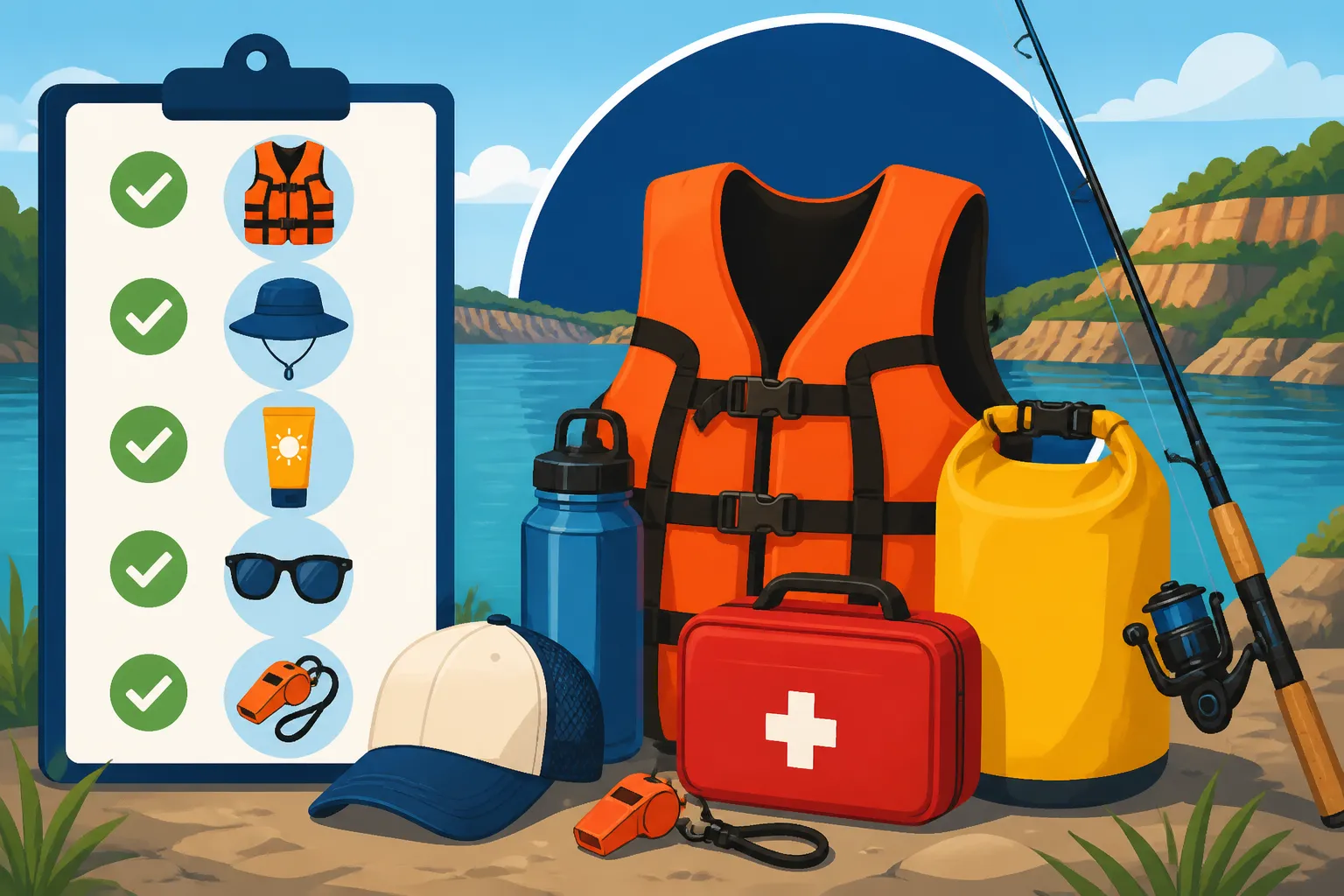
Here's a quick reference table for your essential safety gear, combining regulatory requirements with practical advice for a safe and enjoyable fishing trip in Oklahoma.
| Category | Item | Notes |
|---|---|---|
| Personal Safety | Coast Guard-approved Life Jackets | One for every person on board, properly sized. Kids 12 and under generally required to wear. |
| Type IV Throwable Device | Required for boats 16 feet or longer. Easily accessible. | |
| Communication | Marine Radio (VHF) | Crucial for distress calls, weather, and hailing other vessels. |
| Fully Charged Cell Phone | Backup communication, preferably in a waterproof case. | |
| Emergency Preparedness | First Aid Kit | Well-stocked with bandages, antiseptic, pain relievers, and any personal medications. |
| Visual Distress Signals (Flares) | Required for coastal waters and certain lakes, highly recommended everywhere for night/fog. | |
| Sound Signaling Device (Horn/Whistle) | Required. Alerts other boats to your presence or signals distress. | |
| Fire Extinguisher | At least one USCG-approved, accessible, and charged extinguisher. | |
| Navigation & Operation | Paper Charts / GPS Unit | Redundant navigation is best. Maps of the specific reservoir you are on. |
| Anchor with Sufficient Rode | Sized for your boat and bottom conditions, with enough line (7-10x depth). | |
| Basic Tool Kit | Wrenches, pliers, screwdrivers, electrical tape, spare fuses. | |
| Spare Propeller & Prop Wrench | Especially for remote areas. | |
| Bilge Pump (Manual & Electric) | Keeps your boat dry and buoyant. | |
| Paddle or Oars | For small boats or in case of engine failure. | |
| Environmental Awareness | Sun Protection | Sunscreen, hat, sunglasses. Oklahoma sun is no joke! |
| Drinking Water & Snacks | Stay hydrated and fueled for long days. | |
| Weather Radio/App | Monitor conditions constantly. | |
| Documentation | Fishing License | Always carry your valid Oklahoma Fishing License Requirements in Oklahoma. |
| Boat Registration/Title | Oklahoma Boat Registration and Titling Rules Explained – keep these accessible and current. |
Being prepared is a sign of a truly smart angler. It means you can focus on the joy of fishing, knowing you've taken every step to keep yourself and your loved ones safe. Remember, the game wardens aren't just looking for license violations; they're also ensuring boats are properly equipped for safety. Penalties for Fishing Without a License in Oklahoma aren't fun, but neither are Fines for Boating Safety Violations in Oklahoma. A little planning goes a long way!
Disclaimer
This article is for general informational purposes only and does not constitute professional advice. Laws, prices and regulations vary by location and change over time. Consult a qualified professional for guidance on your specific situation.