Best Boat for Windy Days on Lake Texoma
Few things are as frustrating for an angler as heading out to Lake Texoma, full of anticipation for a great day of fishing, only to be met with relentless, bone-rattling wind and waves that make simply staying upright a challenge, let alone casting. It’s a huge, open body of water, and it can turn from glass-smooth to a washing machine in a heartbeat. This guide is dedicated to helping you choose the best boat and equip yourself to confidently tackle those notorious windy days on Lake Texoma, so you can focus on the fish, not just staying afloat.
Understanding Lake Texoma's Wind Challenges
Lake Texoma is truly a gem for Oklahoma anglers, known for its incredible striped bass fishery and diverse species. However, its sheer size and geographical location make it particularly susceptible to strong winds, often catching even seasoned boaters off guard. When the wind picks up, it's not just an annoyance; it can seriously impact your safety and ability to fish effectively.
Why Texoma Gets So Windy
Imagine a massive, flat canvas, stretching for miles in every direction. That's essentially Lake Texoma. It's one of the largest reservoirs in the Southwest, covering over 89,000 surface acres at normal pool, with a huge expanse of open water. When fronts blow through, whether it's a strong northerly breeze in the fall or a gusty southerly wind in the spring, there's nothing to really block or slow it down. The wind has a long "fetch," meaning it can travel a great distance across the water without obstruction, building up significant wave height and power.
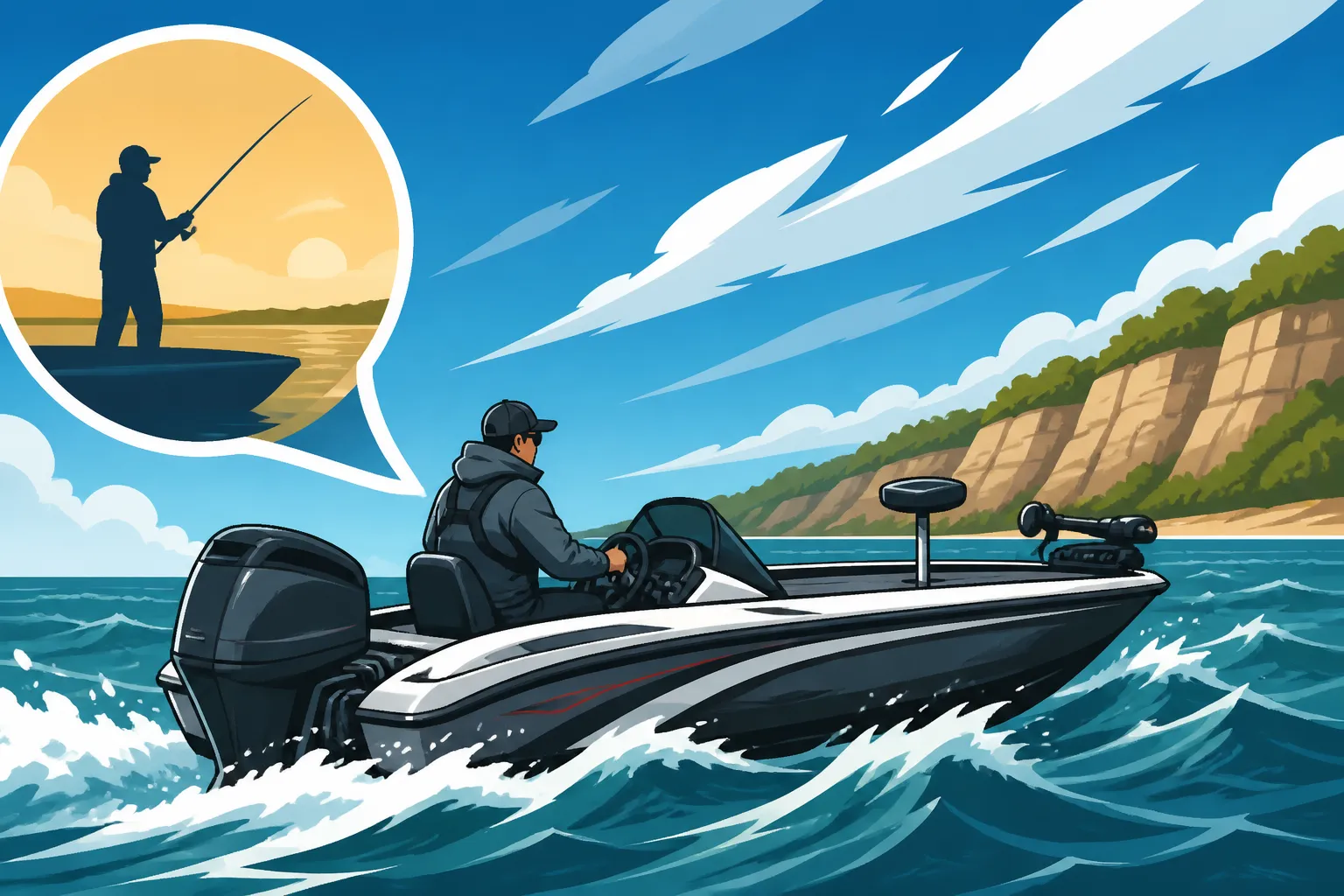
This open nature is fantastic for sailing and enjoying vast horizons, but for fishing, it means you're almost always battling some kind of chop. You might start your day with calm conditions, only for the wind to whip up to 15-20 mph by midday, creating whitecaps and swells that can make navigating treacherous. This isn't just about feeling a breeze; it's about persistent, powerful forces acting on your vessel, pushing you around and making precise boat control incredibly difficult. It's a key reason why choosing the right boat for this particular lake is so critical, especially if you plan on spending serious time on its waters. For more insights into fishing this incredible body of water, check out our Lake Texoma Fishing Guide for Oklahoma Anglers.
How Wind Affects Your Fishing Experience
Beyond just making the ride bumpy, strong winds fundamentally change how you fish on Lake Texoma. First and foremost, safety becomes a primary concern. Large waves can swamp smaller boats, knock passengers off balance, and make basic maneuvers like docking or retrieving gear much harder. Comfort is another huge factor; constantly bracing yourself against waves takes a toll, turning what should be a relaxing day into an exhausting ordeal.
From an angling perspective, wind creates significant challenges. It can make accurate casting nearly impossible, blowing your line and lures off target, and making it difficult to feel subtle bites. Boat control is severely hampered, as you're constantly fighting to stay on a spot, especially crucial when targeting structure or schooling fish. The wind also stirs up the water, affecting clarity and potentially changing fish behavior, pushing baitfish to more protected areas, or concentrating them on wind-blown banks. Even finding good fishing spots can be harder when the wind is whipping up waves that obscure your view of the water or make it difficult to run your electronics effectively.
Key Boat Features for Windy Conditions
When you're looking for the Best Boat for Windy Days on Lake Texoma, you need to prioritize certain design elements and features that specifically counteract the effects of wind and chop. It's not just about horsepower; it's about how the boat interacts with the water.
Hull Design and Stability
The hull is the foundation of your boat, and its design plays the most critical role in how it handles rough water.
- Deep-V Hulls: These are arguably the best choice for dealing with chop. A deep-V hull has a sharper angle (or "deadrise") at the transom, cutting through waves rather than slapping over them. This design provides a smoother, drier ride in rough conditions, minimizing the jarring impact that comes with hitting waves head-on. While they might be slightly less stable at rest than a flatter hull, the comfort and safety they offer when running across a windy Texoma far outweigh this minor trade-off for many anglers. Boats with deep-V hulls tend to "slice" through waves, reducing spray and making the ride much more comfortable.
- Modified-V Hulls: These hulls offer a compromise, with a moderate V-shape that flattens out towards the transom. They provide a good balance of stability at rest and decent wave-handling capabilities while running. Many versatile fishing boats feature a modified-V, making them suitable for a variety of conditions, though they may not be as smooth as a true deep-V in truly heavy chop. They're often a popular choice for anglers who want a boat that can handle open water runs but still offer good shallow-water access and stability for casting.
- Flat-Bottom Hulls (Jon Boats): While excellent for very shallow water and extremely stable at rest, flat-bottom boats are a nightmare on windy, choppy lakes like Texoma. They tend to pound mercilessly, throwing a lot of spray, and can be quite unsafe in anything more than a light ripple. These are generally not recommended for open-water fishing on Texoma when wind is a factor.
For Lake Texoma, you'll generally want to lean towards deeper V-hulls, whether fiberglass or robust aluminum. These designs are designed to punch through waves, offering a more stable and less jarring experience for everyone on board.
Motor Power and Control
Having enough power to confidently navigate against strong winds and currents is non-negotiable on Lake Texoma.
- Sufficient Horsepower: You need an outboard motor with enough horsepower to quickly get you across large expanses of water, especially if conditions turn sour rapidly. A boat that is underpowered will struggle to maintain headway against strong winds and waves, making your journey slow and potentially dangerous. Being able to get on plane quickly and stay there even in moderate chop helps immensely with both comfort and safety.
- Reliable Trolling Motors with GPS Anchoring: While horsepower gets you there, a quality trolling motor keeps you there. On windy days, a powerful bow-mount trolling motor with GPS-controlled "spot-lock" or virtual anchoring technology is a game-changer. Instead of constantly adjusting with a foot pedal or dropping a traditional anchor, these systems use GPS to automatically hold your boat in position, even in strong currents and winds. This frees you up to focus on fishing, rather than fighting the boat. Brands like Minn Kota's Ultrex or MotorGuide's Xi5 are highly favored by anglers for their precision and power. Having this kind of control is invaluable when trying to work a wind-blown point or holding over a schooling striper bite. Trolling Motor Setup for Oklahoma Striped Bass often includes these advanced features for good reason.
Deck Layout and Storage
While hull design and power are primary, the practical layout of your boat also contributes to a better experience on windy days.
- Secure and Dry Storage: Wind often means spray, and spray means wet gear. Ample, truly dry storage compartments are essential for protecting electronics, tackle, extra clothing, and personal items. You don't want your phone getting soaked or your spare reel rusting because of a rogue wave.
- Comfortable and Secure Seating: When the lake gets rough, having comfortable seats that offer good support and don't feel like they're going to launch you overboard is important. Look for seats with backrests and secure mounting, especially if you plan to cover long distances.
- Good Rod Storage: Integrated rod holders or secure rod lockers keep your expensive gear from bouncing around and getting damaged when the boat is pitching and rolling. You want your rods secure, yet easily accessible.
- Safety Railings and Grab Handles: These are simple features that become critically important in rough water. Easy-to-reach grab handles and secure railings provide stability and safety for everyone on board, especially when moving around the boat. Even a simple trip to the livewell can become hazardous without something solid to hold onto.
Top Boat Types for Windy Texoma
Given Texoma's tendency to get windy and choppy, certain boat types naturally perform better than others. It really comes down to stability, ride quality, and capacity for handling challenging conditions. When considering Best Fishing Boats for Oklahoma's Big Reservoirs, Texoma definitely requires special attention.
Deep-V Aluminum or Fiberglass Boats
These are often the go-to choices for many anglers who regularly brave large, open waters.
- Deep-V Aluminum Boats: Modern aluminum fishing boats, particularly those from manufacturers like Lund, Lowe, or Alumacraft, have come a long way. They feature robust, deep-V hulls designed to cut through chop, offering a surprisingly smooth and dry ride. They are typically lighter than fiberglass, which can be a pro for towing and fuel efficiency, but can also mean they get pushed around slightly more by the wind. However, their durability is a huge advantage, shrugging off minor bumps and scrapes that might damage fiberglass. Many serious crappie and walleye anglers, and even some striper fishermen, swear by their deep-V aluminum rigs for Texoma. They often have high sides, which help keep spray out and offer a sense of security.
- Deep-V Fiberglass Boats: These are the heavy hitters when it comes to rough water performance. Brands like Ranger, Skeeter, or Warrior build fishing boats with deep-V fiberglass hulls that are incredibly stable, providing the smoothest ride possible in choppy conditions. The added weight of fiberglass helps them punch through waves without getting tossed around as much. They tend to be quieter and offer more amenities, but they are also typically more expensive and heavier to tow. For serious tournament anglers or anyone who values comfort and performance above all else on Texoma's open water, a deep-V fiberglass boat is often the ideal choice. They are particularly popular among those targeting the Best Striped Bass Fishing Spots on Lake Texoma, Oklahoma, where long runs across open water are common.
Both types offer excellent platforms for targeting species like striped bass, often requiring trolling or drifting in open water, which is where their rough-water capabilities truly shine.
Bay Boats
Bay boats, while often associated with coastal fishing, are surprisingly adept at handling large inland reservoirs like Texoma, especially those with varying depths and large open areas.
- Versatile Design: Bay boats typically feature a modified-V hull that provides a good balance between cutting through chop and offering a shallower draft for navigating coves and shallower points. They often have high gunwales (sides) for safety and a wide beam, contributing to excellent stability both while running and at rest. This makes them versatile for anglers who might chase striped bass in the main lake in the morning and then switch to bass or crappie in protected coves later in the day.
- Open Layout: The typical open, center-console layout of a bay boat provides ample deck space for casting from any angle, which is a huge advantage on a windy day when you might need to adjust your casting position frequently. They also often come equipped with large livewells, plenty of rod storage, and comfortable leaning posts or captain's chairs. While they might not be as purely offshore-capable as a dedicated ocean center console, their design makes them a very strong contender for Lake Texoma's challenging conditions.
Larger Center Consoles
For those who prioritize ultimate rough water performance and safety, a larger center console boat (generally 20 feet and up) can be an excellent, albeit often more expensive, option.
- Superior Rough Water Handling: These boats are built for open water, designed to handle severe chop and provide a dry, stable ride even in conditions that would send smaller boats heading for the ramp. Their deep-V hulls, often with higher freeboard (side height), mean they can take on big waves with confidence.
- Ample Space and Features: Larger center consoles offer plenty of deck space, multiple livewells, expansive dry storage, and often come equipped with advanced electronics. The elevated helm provides excellent visibility, crucial for navigating in choppy conditions. They are fantastic for multiple anglers and long days on the water.
- Considerations: While outstanding in rough water, their deeper draft and larger size can make them less ideal for very shallow water fishing or sneaking into tight coves. They also typically require larger tow vehicles and can be more costly to operate. However, for serious striper fishermen who venture far out on Texoma and frequently face unpredictable weather, a robust center console offers unparalleled peace of mind.
| Boat Type | Hull Design | Key Advantages for Windy Texoma | Potential Disadvantages | Ideal Angler Profile |
|---|---|---|---|---|
| Deep-V Aluminum | Deep-V | Cuts chop well, durable, lighter to tow, often high sides | Can be lighter, may feel wind effect more | Anglers seeking durability, good rough-water ride, and value; often crappie/walleye/striper anglers. |
| Deep-V Fiberglass | Deep-V | Smoothest ride in chop, heavy and stable, quieter, high performance | Heavier to tow, typically higher cost, less durable hull | Serious anglers prioritizing comfort, speed, and ultimate rough-water performance (e.g., tournament pros). |
| Bay Boat | Modified-V | Versatile (chop + shallow), stable, open layout, good deck space | Not as smooth as pure deep-V in extreme conditions | Anglers needing versatility for open water and shallow coves, multi-species fishing; good all-around choice. |
| Larger Center Console | Deep-V (often very deep) | Superior rough water handling, very safe, ample space | High cost, heavier, deeper draft, less agile in shallows | Anglers prioritizing safety and comfort in severe conditions, large groups, dedicated open-water fishing. |
Essential Gear and Best Practices for Windy Days
Even the best boat needs to be properly equipped and operated with specific strategies when dealing with windy conditions on Lake Texoma. Being prepared makes all the difference in turning a potentially miserable day into a successful one.
Must-Have Boat Accessories
The right accessories can enhance both your safety and your fishing efficiency when the wind kicks up.
- Advanced Anchoring Systems: As mentioned, a reliable GPS-enabled trolling motor (like those from Minn Kota or MotorGuide) is a game-changer for holding your position without manually deploying an anchor. For areas where a trolling motor might struggle, a heavy, oversized conventional anchor with plenty of rode (rope and chain) is essential. Shallow water anchor systems, like Power-Pole or Minn Kota Talon, are fantastic for quickly and silently pinning your boat down in shallower water, offering immediate stability on windy banks or flats. Investing in these systems, perhaps through a reputable marine dealer or an online retailer like Bass Pro Shops or Amazon, is money well spent. How to Anchor a Boat for Better Fishing can provide more detail on these systems.
- Quality Electronics: A good fish finder with strong sonar capabilities and reliable GPS mapping is vital. In rough water, you might not be able to visibly identify structure or baitfish, so your electronics become your eyes underwater. Side imaging and down imaging can help you locate fish even when pitching and rolling. Make sure your unit's screen is large enough and bright enough to see clearly, even with glare and boat movement. Best Fish Finder for Deep Water Striped Bass on Lake Texoma will guide you further in this area.
- Safety Gear: Beyond the legally required items, consider extra safety measures. Always have appropriate life jackets for everyone on board, and ensure children 12 and under are wearing them. A VHF marine radio is a smart investment for emergency communication on large, open waters where cell service might be spotty. Keep extra warm, waterproof clothing readily available, as spray and wind can quickly lead to hypothermia. A well-stocked first-aid kit is also a must. For a complete list, consult our Safety Gear Checklist for a Day on an Oklahoma Reservoir.
- Heavy Duty Rod Holders: If you plan on trolling for striped bass, heavy-duty rod holders that can withstand the stress of a big fish strike in choppy water are crucial. You don't want your rod flying overboard.
Angling Strategies for Wind
Wind doesn't have to ruin your fishing day; it just means you need to adapt your approach.
- Fish the Wind-Blown Side (Carefully): Often, baitfish and plankton are pushed by the wind into certain areas, and game fish follow. Wind-blown points, main lake banks, and humps can be incredibly productive, as the churning water disorients bait and creates feeding opportunities. However, this also means you'll be fishing in the roughest conditions. Your boat's ability to handle this chop, combined with an effective anchoring system, becomes paramount here. You might need to adjust your lure presentation, using heavier baits to cut through the wind and maintain contact with the bottom. Understanding How Wind Direction Affects Where Fish Feed can give you a significant edge.
- Seek Protected Waters: If the wind is truly unbearable on the main lake, don't be afraid to retreat to more protected coves, creek arms, or areas behind islands. While these spots might not have the same immediate "wind-blown" advantage, they offer calmer conditions where you can fish more comfortably and effectively. Often, fish will also seek refuge in these areas during extreme winds. You might need to change your target species or technique, perhaps switching from trolling for stripers to jigging for crappie or flipping for bass.
- Adjust Casting Techniques: On windy days, casting accuracy can be a real challenge. Try casting low to the water to minimize wind resistance on your line. Consider using heavier lures or baits that are less affected by the wind. Sometimes, simply positioning your boat so you're casting with the wind, rather than directly into it, can make a huge difference, though this might mean adjusting your approach to the structure you're targeting.
- Prioritize Boat Control: Whether you're drifting, trolling, or holding a spot, maintaining precise boat control is essential. Use your trolling motor actively, even if you have spot-lock, to make minor adjustments. When trolling for stripers, running parallel to wind-blown banks or contours can sometimes be more effective than going directly into or away from the wind. Make sure your Best Rod for Striped Bass Trolling at Lake Texoma and other gear are suited for these conditions. If you're using live bait, ensure your bait presentation can withstand the choppy conditions without getting tangled or swept away too quickly.
By understanding Lake Texoma's unique wind patterns, choosing a boat specifically designed for rough water, and adapting your fishing techniques, you can still have incredibly productive and enjoyable days on the water, even when the wind decides to blow.
Disclaimer
This article is for general informational purposes only and does not constitute professional advice. Laws, prices and regulations vary by location and change over time. Consult a qualified professional for guidance on your specific situation.