Boat Ramp Etiquette at Busy Oklahoma Lakes
There's nothing quite like the excitement of hitting the water on a beautiful Oklahoma morning, whether you're chasing bass on Lake Eufaula or stripers on Lake Texoma. But that excitement can quickly turn into frustration, or worse, outright chaos, when you pull up to a busy boat ramp only to find a tangle of unprepared boaters, confused drivers, and impatient anglers. It’s a scene many of us have witnessed, and it can sour the start of an otherwise perfect day. This guide is all about navigating those often-stressful boat ramp scenarios with grace, speed, and courtesy, ensuring your day on the water starts as smoothly as possible for everyone.
The Critical Stage: Pre-Launch Preparation is Everything
The biggest mistake many anglers make, especially during peak season or on a holiday weekend, is pulling up to the boat ramp itself to begin their preparations. This is the cardinal sin of boat ramp etiquette and causes massive bottlenecks. Think of the ramp as a fast-moving conveyor belt – you want to be ready to go when it's your turn.
Getting Everything Ready Before You Even See the Water
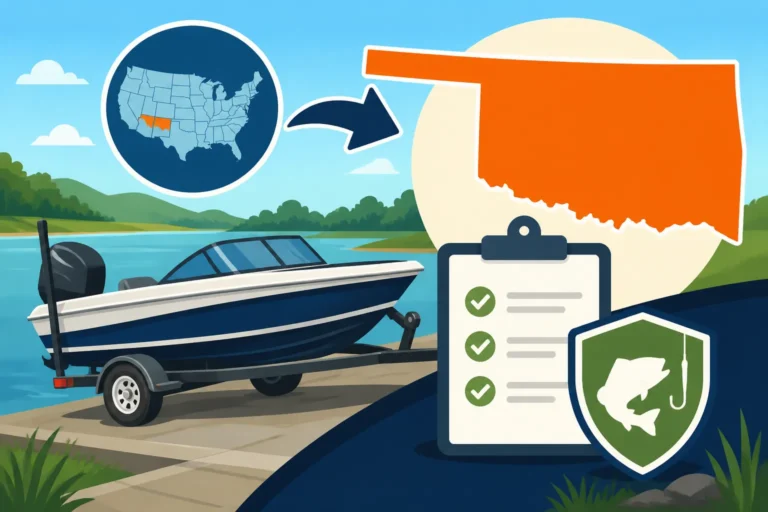
Before your trailer wheels even sniff the incline of the ramp, you should be in a designated staging area. Most popular lakes, from Grand Lake O' the Cherokees to Broken Bow Lake, will have these areas nearby. This is your personal pit stop, where you transform from "travel mode" to "launch mode."
Here’s a detailed rundown of what needs to happen:
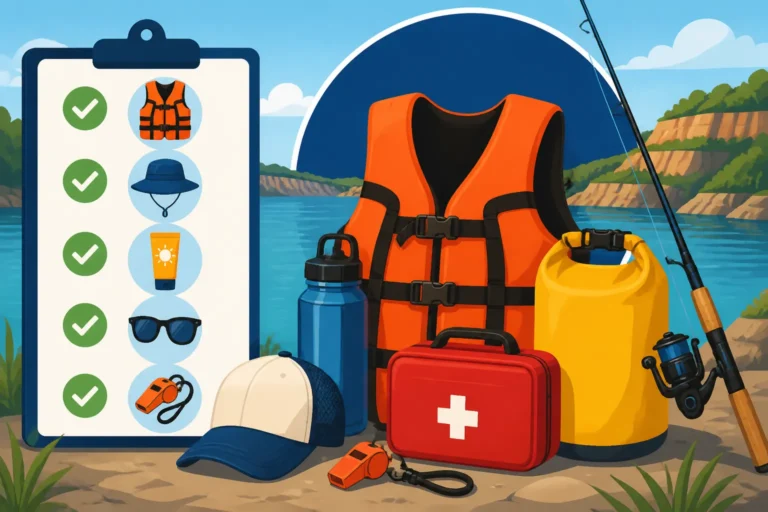
- Install the Drain Plug: This might sound painfully obvious, but ask any game warden or experienced boater, and they’ll tell you it's the number one overlooked item. Forgetting your drain plug means a quickly sinking boat at the ramp, a huge delay, and a whole lot of embarrassment. Double-check it. Make it a habit. Many anglers keep a spare plug in their Oklahoma Boat Safety Equipment Checklist kit, just in case.
- Load All Your Gear: Tackle boxes, rods, reels, coolers, life jackets, snacks, sunscreen, towels – everything should be transferred from your truck to your boat. You don't want to be fumbling with rod lockers or digging through truck beds when you're blocking the ramp. Get your Best Cooler for a Fishing Boat filled and stowed.
- Remove Tie-Down Straps and Transom Savers: All straps securing your boat to the trailer, including the transom saver, need to come off here. The bow strap and safety chain, however, should remain attached until you're actually backing down the ramp. This is a safety measure to prevent your boat from sliding off prematurely, especially if you're on a sloped parking lot.
- Check Engine and Electronics: Take a moment to ensure your motor trims up and down, your livewell fills, and any critical electronics are powered up and ready. A quick check of your Fish Finder Features That Matter Most on Oklahoma Reservoirs can save you trouble. You can often find crucial spare parts or marine lubricants at stores like Bass Pro Shops or even handy small tools on Amazon for these quick checks.
- Final Passenger Boarding (If Safe): If you have passengers, and it’s a safe, level staging area, they can often board the boat here. This reduces the time spent at the courtesy dock or ramp itself. Just make sure they're safely seated and ready for the launch.
Taking these few extra minutes in the staging area can save everyone behind you significant time and frustration. It's a small act that makes a huge difference in the flow of busy ramps, helping you avoid those dirty looks from fellow anglers eager to get their lines wet.
The Moment of Truth: Launching Your Boat Like a Pro
Once your boat is fully prepped and you’ve patiently waited your turn, it's time to execute the launch. This is where precision and efficiency truly shine.
Backing Down and Getting into the Water
This is often the most intimidating part for new boaters, but with a little practice and confidence, you can make it look easy.
- Line Up Carefully: Approach the ramp slowly and line your trailer up with the center of the lane. Many ramps, especially at popular spots like Lake Murray, are wide enough for two boats at a time, so be mindful of the other lane. Don't rush this part; a straight approach is key. If you're struggling, practicing in an empty parking lot can make a world of difference for learning How to Back a Boat Trailer Down a Steep Ramp.
- Back Down Smoothly: Use your mirrors and take it slow. Small, controlled adjustments to your steering wheel are far more effective than big, jerky movements. Back the trailer just deep enough so the boat can easily float off. For most boats, this means the top of the trailer fenders might be just submerged.
- Quick Unhooking: Once the boat is floating, or nearly so, detach the bow strap and safety chain. A quick push can often slide the boat off the trailer. If you have a driver and a person in the boat, the person in the boat can start the engine (if deep enough) and guide it off. Ensure your boat's Best Trailer Setup for Launching a Boat at an Oklahoma Ramp makes this as smooth as possible.
- Immediately Move Out of the Way: As soon as your boat is off the trailer, the driver of the tow vehicle should immediately pull the truck and trailer out of the ramp lane and go park. Do not dawdle. Do not spend time cleaning your fenders. Your priority is to clear the ramp for the next boater. The person in the boat should move it to a courtesy dock if one is available, or anchor it safely away from the ramp's immediate path.
The Importance of Teamwork and Communication
If you're launching with a partner, clear communication is paramount. Decide beforehand who is doing what.
- Driver's Role: Focus on backing the trailer, getting it deep enough, and then moving to parking as quickly as possible. Hand signals can be incredibly effective, especially if the engine is running or there's wind.
- Boat Person's Role: Once in the boat, guide it off the trailer, start the motor (if clear), and take it to the nearest courtesy dock or a safe waiting area. Ensure lines are ready to secure the boat.
- Family Outings: Even if it’s a family fishing trip, everyone can have a role. Kids can help by passing equipment, or even just staying clear and quiet during the critical moments. This makes it a team effort and teaches them proper boating etiquette from a young age.
A swift and coordinated launch will earn you silent nods of approval from other waiting anglers and get you on the water faster to enjoy the Best Fishing Spots in Oklahoma.
Smooth Exits: Retrieving Your Boat Efficiently
Bringing your boat back to the ramp can be just as hectic as launching, especially at the end of a long, successful fishing day when everyone else is also heading in. Again, preparation and efficiency are your best friends.
Preparing for Retrieval and Getting the Boat on the Trailer
Just like launching, the key to a smooth retrieval is to minimize your time actively blocking the ramp.
- Patience is a Virtue: If the ramp is busy, wait your turn. Don't idle your boat directly in the path of others trying to retrieve, and certainly don't cut in line. Find a safe holding pattern or wait at a nearby courtesy dock.
- Ready the Trailer: As the tow vehicle operator, position your trailer for a straight shot down the ramp. Communicate with the person in the boat (if you have one) about when you're ready to back down.
- Backing the Trailer: Similar to launching, back the trailer into the water, typically a little shallower than you would for launching, so the boat can easily power onto the bunks. For some boats, just getting the tail end of the bunks wet is enough.
- Winch On Quickly: Once the boat is aligned and centered on the trailer bunks, power it up (carefully!) or use the winch to pull it securely into place. Reattach the bow strap and safety chain immediately. This prevents the boat from sliding back off if the driver has to stop suddenly or adjust.
- Clear the Ramp: As soon as the boat is secured, pull the truck and trailer completely off the ramp and into a staging area or parking lot. Do not start draining your livewell or cleaning your boat on the ramp. That's what the staging area is for.
Post-Retrieval Actions in the Staging Area
Once you’re safely off the ramp, you can take your time to secure everything for the drive home.
- Install Transom Saver and Tie-Down Straps: These are crucial for safely trailering your boat. Get them all hooked up and tightened down. Your boat needs to be secure for highway travel.
- Remove the Drain Plug: Yes, this is the opposite of launching, but equally important. You want to drain any water from the bilge to prevent mildew, insect infestations, and reduce weight for towing. If you're at a facility that has a fish cleaning station, this is also a great time to ensure your boat is clean and ready for its next adventure.
- Clean Up: This is the time to remove any trash, clean off mud, and generally get your boat ready for storage or the next trip. If you used bait, dispose of it properly.
| Action Point | At Staging Area (Pre-Ramp) | At the Ramp (Launch/Retrieve) | Post-Ramp (Staging/Parking) |
|---|---|---|---|
| Drain Plug | Install | N/A | Remove |
| Gear Loading | Load all items | N/A | Remove/Stow |
| Tie-Downs/Transom Saver | Remove | N/A | Install |
| Bow Strap/Safety Chain | Leave on | Unhook/Hook | Keep hooked |
| Engine/Electronics Check | Yes | N/A | N/A |
| Boat Positioning | N/A | Back in/out smoothly | N/A |
| Truck/Trailer Movement | N/A | Quick in/out | Park |
Beyond the Ramp: General Courtesy and Avoiding Conflicts
Good boat ramp etiquette extends beyond just the launching and retrieving process. It's about being a considerate member of the boating community.
Respecting Shared Spaces and Fellow Anglers
Think of the ramp area as a miniature highway system. Everyone has a destination, and delays cause backups.
- Courtesy Dock Use: These docks are for temporary tie-ups only – usually just long enough to drop off/pick up passengers or briefly wait for your turn at the ramp. Do not tie up for an hour while you organize your tackle or grab a snack. Others need that space. If you're done fishing and need to get your things organized, pull your boat onto the bank (if permitted and safe) or simply anchor it a short distance from the ramp.
- Mind Your Wake: When approaching or leaving the ramp, maintain a no-wake speed. Large wakes can slam other boats against docks, swamp smaller vessels, or make it incredibly difficult for someone else to launch or retrieve.
- Offer Help (When Appropriate): If you see someone clearly struggling and they look open to assistance, a friendly offer of help can go a long way. Maybe they just need an extra hand with a line or a quick tip on How to Back a Boat Trailer Down a Steep Ramp. However, respect their space if they prefer to figure it out themselves. Sometimes unsolicited advice can be more frustrating than helpful.
- Be Patient: This is perhaps the hardest one. We all want to get on the water or get home after a long day. But getting angry or yelling at someone won't make them move faster; it will likely just stress them out more and slow things down further. A little patience and understanding can defuse a tense situation. Remember, you might be the one struggling next time.
- Know the Rules: Understanding Oklahoma's boating laws, such as Do You Need a Fire Extinguisher on a Boat in Oklahoma? or Oklahoma's Senior Fishing License Guide (if applicable), shows you're a responsible boater. This also means you're prepared for any interaction with game wardens, ensuring no unnecessary delays on your end. For those new to boating, researching Boat Fishing Techniques for Beginners can boost confidence and readiness.
By following these simple guidelines, you not only make your own day more enjoyable but also contribute to a positive experience for every angler sharing the waters of Oklahoma's beautiful lakes. A little courtesy goes a long way in ensuring that everyone can enjoy their passion without unnecessary stress or conflict.
Disclaimer
This article is for general informational purposes only and does not constitute professional advice. Laws, prices and regulations vary by location and change over time. Consult a qualified professional for guidance on your specific situation.