Life Jacket Rules While Tubing Behind a Boat in Oklahoma
It's easy to get swept up in the fun of a day out on Oklahoma's beautiful lakes, especially when you're thinking about the thrill of tubing behind a boat. But amidst all that excitement, it’s also easy to get confused about what safety gear is actually required by law, particularly when it comes to life jackets. No one wants a fun day on the water to end with a stern talk from a game warden or, worse, an accident. This guide is here to cut through the confusion and explain exactly what Oklahoma's life jacket rules are when you're tubing behind a boat, ensuring everyone stays safe and legal.
Understanding Oklahoma's Life Jacket Laws for Towables
Navigating the rules for boating can sometimes feel like trying to untangle a fishing line after a big catch – a bit messy! But when it comes to personal flotation devices (PFDs) and activities like tubing, the law in Oklahoma is actually quite clear, and it’s all about keeping you and your loved ones safe on the water. It’s one of those rules that, while sometimes feeling inconvenient, truly has everyone's best interest at heart.
The Basics of Personal Flotation Devices PFDs
Before we dive into the specifics of tubing, let's cover the fundamentals of PFDs. In Oklahoma, just having enough life jackets for everyone on board isn't always enough; certain situations require them to be worn. A PFD is essentially your flotation safety net, designed to keep your head above water if you unexpectedly go overboard. They come in various types, each suited for different activities and conditions. For example, a Type I PFD offers maximum flotation and is designed to turn an unconscious person face-up, making it ideal for offshore use. Type II is a bit less bulky but still provides good flotation, often seen on calmer waters.
However, for active water sports, Type III PFDs are often the preferred choice. These are the ones most people think of when they picture a life vest: comfortable, allowing for a good range of motion, and designed for conscious users in calm waters where rescue is likely to be prompt. While there are also Type IV (throwable devices like cushions) and Type V (special use devices, often inflatable), these generally aren't what you'd wear while being towed. Understanding these basic types is the first step toward appreciating why the rules are set up the way they are, especially when the water fun picks up speed. You can learn more about general requirements in Oklahoma Life Jacket and PFD Rules for Boaters.
Specific Rules for Tubing and Water Sports
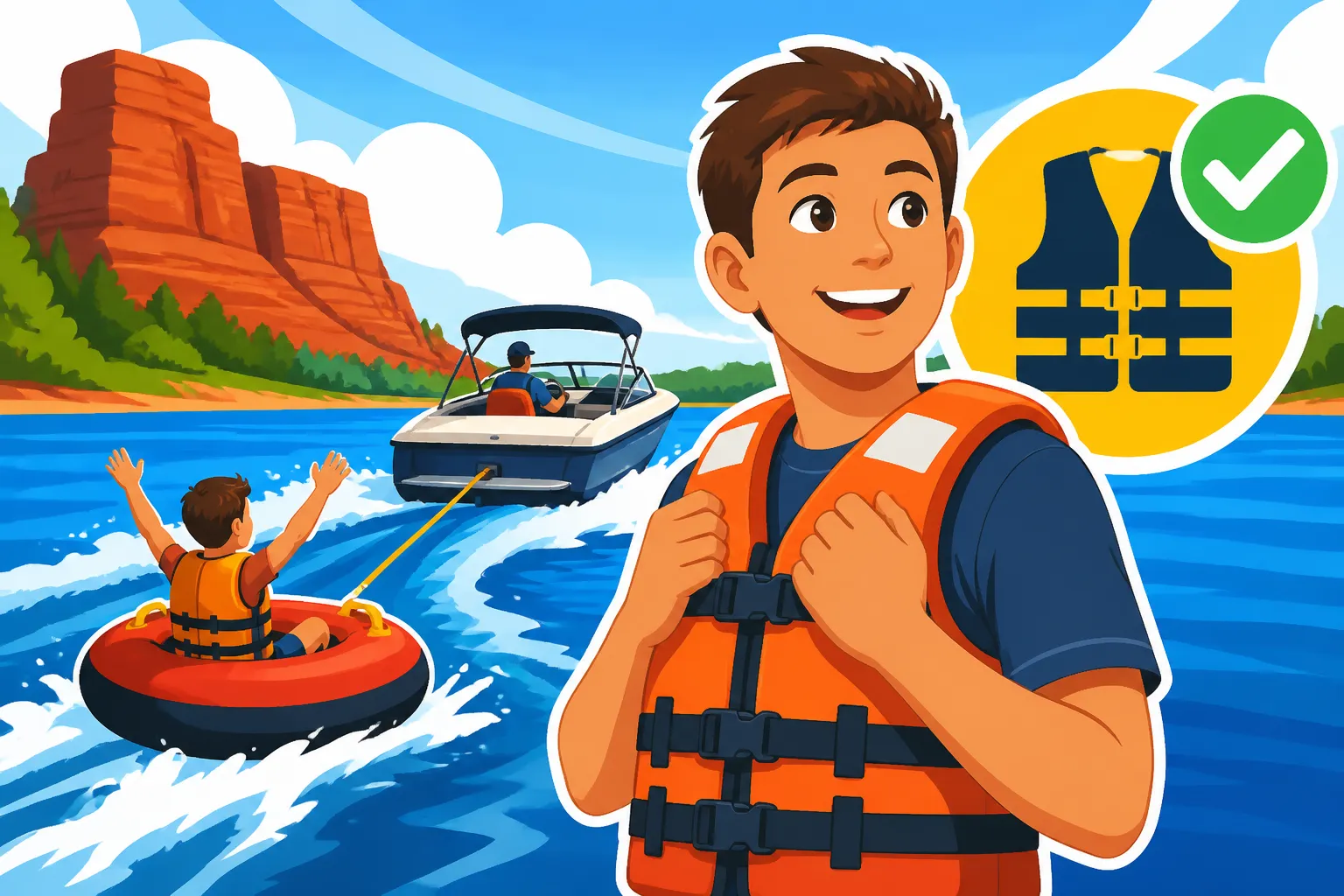
Here’s where it gets really specific for our tubing enthusiasts: in Oklahoma, anyone being towed behind a boat on skis, a wakeboard, an inner tube, or any similar device must wear a U.S. Coast Guard-approved life jacket. This isn't just a suggestion; it's a non-negotiable legal requirement. It doesn't matter if you're an Olympic swimmer or just going for a gentle cruise; if you're in the water and being pulled by a boat, that life jacket needs to be securely fastened.
This rule exists for a very good reason. When you're tubing, things can happen in a split second. You could hit a wave, get flung off unexpectedly, or the boat could make a sharp turn. Even at moderate speeds, hitting the water can be jarring, and it's easy to become disoriented or even temporarily stunned. A properly worn life jacket ensures that you stay afloat and visible, even if you're unable to help yourself immediately. This applies to every single person on the tube, regardless of their age or swimming ability. While there are specific rules for younger children, the requirement to wear a PFD while being towed applies universally. You might want to check out Why Water Skiers and Tubers Must Wear a Life Jacket in Oklahoma for more detailed insights.
The "Observer" Requirement
Beyond the person being towed, there's another crucial player in the tubing safety lineup: the observer. Oklahoma law mandates that when engaging in any towing activity, such as tubing, water skiing, or wakeboarding, there must be a competent observer on board the boat in addition to the operator. This isn't just a friend lounging in the back; this person has a serious job.
The observer's primary role is to keep a constant watch on the person being towed. They are the eyes in the back of the boat's head, responsible for signaling to the operator if the tuber falls, needs to stop, or if there's any other issue that requires attention. This allows the boat operator to focus solely on driving the boat safely, maintaining course, and avoiding hazards, without constantly looking over their shoulder. It’s a team effort, and both the operator and the observer play critical roles in ensuring a safe and enjoyable experience for the person being towed. Without a dedicated observer, it's incredibly difficult for the driver to safely manage the boat and monitor the towed individual, dramatically increasing the risk of an accident.
Choosing the Right Life Jacket for Tubing
Selecting the right life jacket isn't just about compliance; it's about comfort, safety, and ultimately, enjoying your time on the water without worry. Just like you wouldn't use a wrench to hammer a nail, you wouldn't want to use a bulky offshore life vest for an active sport like tubing. The right gear makes all the difference.
Importance of a Properly Fitted Life Jacket
A life jacket is only effective if it fits correctly. A PFD that's too big can ride up around your ears when you're in the water, providing little actual support and potentially hindering your ability to swim or breathe. One that's too small will be uncomfortably tight, restrict movement, and might not provide enough buoyancy. When you're choosing a life jacket, especially for tubing, pay close attention to the weight and chest size guidelines printed on the label.
To test the fit, put the life jacket on, buckle and zip it up, and then have someone gently pull up on the shoulders. If it slides up past your chin or nose, it's too big. It should feel snug but not constricting, allowing you to move your arms and breathe easily. Remember, people come in all shapes and sizes, so what fits one person might not fit another. It's especially important for kids to have properly fitted jackets, as oversized PFDs can be more dangerous than helpful. For more on specific age requirements, see Life Jacket Rules for Kids 12 and Under on Oklahoma Boats.
Types of Life Jackets Suitable for Tubing
When it comes to tubing, Type III PFDs are generally your best bet. These vests are designed for continuous wear, offering good comfort and freedom of movement, which is essential when you're holding onto a tube and bouncing across the waves. They are often inherently buoyant, meaning they have flotation material built right in, so there's no inflation required – a huge plus for water sports where you might be hitting the water unexpectedly.
While some inflatable PFDs fall under Type V (special use) and can be approved for certain activities, they often require a conscious action to inflate, which isn't ideal for tubing. If you’re knocked unconscious or disoriented, an inflatable PFD that isn’t already inflated won't help you. So, for the active and often unpredictable nature of tubing, stick with an inherently buoyant Type III vest. You can find a wide range of these at reputable retailers like Bass Pro Shops, which often have knowledgeable staff to help with fitting, or easily browse options on Amazon, making sure to look for U.S. Coast Guard approval.
Here's a quick comparison of PFD types and their typical suitability for towing sports:
| PFD Type | Description | Buoyancy (Minimum) | Suitability for Tubing | Key Characteristics |
|---|---|---|---|---|
| Type I | Offshore Life Jacket | 22 lbs | Poor | Bulky, designed for rough, remote waters; turns unconscious wearers face-up. |
| Type II | Near-Shore Buoyancy Vest | 15.5 lbs | Fair | Less bulky than Type I, good for calm inland waters; may not turn unconscious wearers face-up. |
| Type III | Flotation Aid | 15.5 lbs | Excellent | Comfortable for continuous wear, allows freedom of movement; wearer must be conscious to maintain face-up position. |
| Type IV | Throwable Device | 16.5 lbs | Not Applicable (boat only) | Cushion or ring buoy, designed to be thrown to a conscious person. |
| Type V | Special Use Device | Varies | Depends on Approval | Includes work vests, deck suits, hybrid inflatables; must be specifically approved for the activity. Generally not ideal for tubing unless explicitly designed and worn. |
Features to Look For in a Tubing Life Jacket
Beyond the correct type and fit, a few key features can make a life jacket even better for tubing. Look for vests with multiple adjustment straps and buckles. This allows for a truly customized, snug fit that won’t shift around excessively when you hit a wake. A sturdy zipper, often backed by a storm flap or additional buckles, adds another layer of security. Bright, highly visible colors like neon yellow, orange, or green are also a huge advantage. If you fall off the tube, these colors make it much easier for the boat operator and observer to spot you quickly in the water, especially in choppy conditions or at a distance.
Consider the material as well. Quick-drying fabrics are always a plus, preventing that clammy, heavy feeling after repeated dunks. Comfort is key because you'll be wearing this vest for potentially extended periods. Some vests include padded panels or flexible designs specifically engineered for active sports, giving you the movement you need without sacrificing safety. Remember, a life jacket you want to wear is a life jacket that will be worn.
Common Misconceptions and Safety Best Practices
It’s astonishing how many myths circulate about water safety, especially when it comes to life jackets. Overcoming these misconceptions is critical because they often lead to preventable accidents. When we're out on the water, having a blast, it's easy to let our guard down and assume "it won't happen to me."
Dispelling Myths About Life Jacket Use
One of the most common myths is, "I'm a strong swimmer, I don't need a life jacket." This simply isn't true for situations like tubing. Even the most capable swimmer can be knocked unconscious, disoriented, or injured when hitting the water at speed. Imagine being thrown from a tube, hitting the water hard, and having the wind knocked out of you. Or worse, hitting your head. In these scenarios, even Michael Phelps would struggle to stay afloat without assistance. The life jacket isn't just for those who can't swim; it's for everyone because accidents don't discriminate.
Another misconception is that the life jacket just needs to be in the boat, not on the person. While there are rules for adults on board a boat that sometimes allow for the PFD to be stored, this absolutely does not apply to anyone being towed. The law is explicit: if you're being pulled behind a boat, you must be wearing a Coast Guard-approved life jacket. Period. These rules are in place not to spoil your fun, but to drastically reduce the risk of serious injury or drowning. Ignoring them is not only illegal but incredibly risky. Understanding Do Adults Need to Wear a Life Jacket on an Oklahoma Boat? can help clarify the different requirements.
Beyond the Life Jacket: Comprehensive Tubing Safety Tips
While wearing a life jacket is paramount, it's just one piece of the overall safety puzzle when tubing. A truly safe tubing experience starts before you even pull away from the dock. Always perform a quick pre-ride check: Is the tube in good condition, free of leaks or tears? Is the tow rope specifically designed for tubing, without frays, and the correct length? Is your boat engine running smoothly? Ensure everyone knows hand signals for "faster," "slower," "stop," and "I'm okay." Clear communication between the tuber, the observer, and the driver is non-negotiable.
Once on the water, the boat operator has a huge responsibility. Avoid sudden, sharp turns or excessive speeds that could violently whip the tuber. Be constantly aware of your surroundings: other boats, swimmers, shallow areas, and any potential obstacles in the water. When a tuber falls, circle back slowly and keep them on the driver's side of the boat so you always have eyes on them. Turn off the engine or put it in neutral when approaching a fallen tuber to prevent prop injuries. Always ensure the tube is in open, safe water, far from shorelines, docks, or other hazards. You can find more useful information for overall boating safety in Safety Gear Checklist for Oklahoma Boaters.
Where to Find Approved Life Jackets and More Info
Finding a U.S. Coast Guard-approved life jacket is relatively easy these days, but always double-check the label for that crucial certification. Reputable outdoor and marine retailers are excellent places to start. Stores like Bass Pro Shops often have a wide selection, and their staff can assist with proper sizing and advice. Online retailers like Amazon also offer a vast array of options, often with detailed descriptions and customer reviews to help you make an informed choice. When shopping online, make sure the product clearly states it's U.S. Coast Guard-approved and that it's the correct type for your intended activity (Type III for tubing is generally recommended).
Beyond purchasing gear, it’s always a good idea to stay informed about the latest boating regulations. The Oklahoma Department of Wildlife Conservation (ODWC) is the official source for all fishing and boating laws. Regularly reviewing their guidelines can ensure you're always compliant and up-to-date. Making safety a priority doesn't detract from the fun; it enhances it, allowing you to create lasting memories on Oklahoma's beautiful waters with peace of mind.
Enforcement and Consequences of Non-Compliance
It's easy to think of boating regulations as just a list of rules designed to make things complicated. But in reality, every single one of these laws, especially those concerning life jackets, is there for a critical purpose: to protect lives. Ignoring them carries real consequences, both legal and, more importantly, personal.
What Happens if You're Caught Without a Life Jacket While Tubing
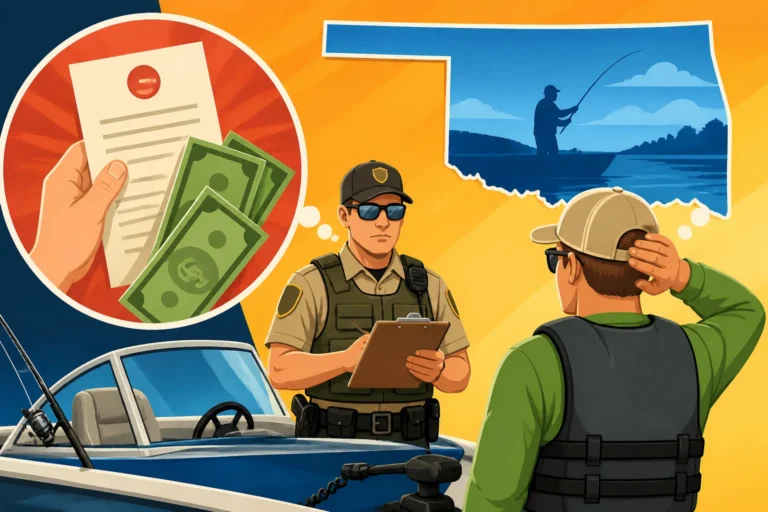
When you're out on an Oklahoma lake, you'll often see game wardens or marine patrol officers. Their job isn't to ruin your day; it's to ensure everyone is operating safely and legally. If they observe someone tubing without a properly worn, U.S. Coast Guard-approved life jacket, they have every right to stop your boat. This isn't just a friendly reminder. Fishing and boating without proper compliance can result in fines and other penalties.
Imagine having to cut short your fun day on the lake because of a citation. That's a real possibility. The primary consequence, however, is the stark increase in risk. If someone falls off a tube at speed without a life jacket, the chances of serious injury or drowning skyrocket. A game warden writing you a ticket might feel like a hassle, but it pales in comparison to the regret of a preventable accident. These officers are there to enforce laws that genuinely save lives, and they take that responsibility seriously. For a sense of the legal repercussions, you might want to read Fine for Not Having a Life Jacket on Board in Oklahoma or How Much Is the Fine for a Boating Safety Violation in Oklahoma?.
The Broader Impact on Boating Privileges and Safety Records
Beyond immediate fines, repeated or severe violations of boating safety laws can have broader impacts on your boating privileges. While a single infraction for a life jacket might not immediately revoke your ability to operate a boat, a pattern of non-compliance can lead to more serious repercussions over time. This could include mandatory safety courses, increased fines, or even temporary suspension of boating privileges.
More significantly, accidents stemming from a lack of proper safety equipment can have devastating personal consequences. An injury or fatality on the water affects not just the individuals involved but their families and communities. These incidents can also lead to civil lawsuits, increased insurance premiums, and a permanent mark on one's personal record. The rules around life jackets, especially for high-energy activities like tubing, are not arbitrary. They are built on years of accident data and safety research. By adhering to them, we all contribute to a safer, more enjoyable environment for everyone who wants to experience the joy of Oklahoma's lakes and rivers. Ultimately, a life jacket is the simplest, most effective piece of safety equipment you can provide for anyone enjoying a ride on the tube, and understanding and following these rules is a commitment to everyone's well-being.
Disclaimer
This article is for general informational purposes only and does not constitute professional advice. Laws, prices and regulations vary by location and change over time. Consult a qualified professional for guidance on your specific situation.