Does Moon Phase Affect Fishing Success?
Oh, the moon! It hangs up there, a silent sentinel, pulling on our tides and lighting up our nights. And for as long as anglers have cast a line, they’ve looked up at it, wondering: does that big orb in the sky actually make a difference to whether the fish bite? It’s a question that can really get into your head, especially when you’ve had a tough day on the water and you’re looking for any explanation. This guide is going to dive deep into the age-old debate of moon phases and fishing success, exploring the theories, the myths, and what really holds water for us here in Oklahoma.
The Allure and Mystery of Moon Phases in Fishing
There’s something inherently captivating about the moon, isn’t there? Its cyclical journey through the sky has fascinated humanity for millennia, and it’s no surprise that anglers, ever keen observers of nature, have looked to it for clues about fish behavior. You’ve probably heard whispers around the bait shop or read articles online that claim certain moon phases are "the best" or "the worst" for fishing. This isn't just modern-day chatter; it's a belief rooted in centuries of observation, passed down through generations of fishermen and women.
Ancient Wisdom vs. Modern Science
For generations, long before advanced sonar or satellite weather forecasting, anglers relied on their senses and the subtle rhythms of nature. They noticed patterns, like how fish seemed more active on certain nights or during particular parts of the lunar cycle. This led to a wealth of anecdotal evidence and folk wisdom, suggesting that the moon's influence was undeniable. Grandpas would tell their grandkids to wait for the new moon for catfishing or to hit the lake during a full moon for a strong crappie bite. These weren't just stories; they were observations from a lifetime spent on the water.
However, modern science often grapples with quantifying these subjective observations. While there's no single, universally accepted scientific explanation that definitively links moon phases directly to a dramatic increase or decrease in fish activity across all species and conditions, that doesn't necessarily mean the old wisdom is entirely without merit. It simply means the "why" can be complex, involving multiple interacting factors, many of which are hard to isolate in a controlled study. What we can say is that for many dedicated anglers, the belief in the moon's influence is a deeply ingrained part of their fishing strategy, even if they can't always articulate the scientific mechanism behind it. It's a blend of tradition, intuition, and perhaps a subtle connection to the natural world we sometimes overlook in our tech-driven lives.
What We're Really Talking About: Tidal Influence and Light
When most folks talk about the moon's effect on fishing, they're often thinking about two main forces: gravitational pull and ambient light. Now, let's be realistic for a moment: we're talking about fishing in Oklahoma. That means for the vast majority of our beautiful lakes and reservoirs, significant tidal influence from the moon's gravitational pull simply isn't a major factor. Unlike coastal fishing, where the ebb and flow of tides can dictate when and where fish feed, our landlocked waters experience negligible tidal fluctuations. So, if someone tells you the "tide is out" on Grand Lake O' the Cherokees, you can probably just smile and nod.
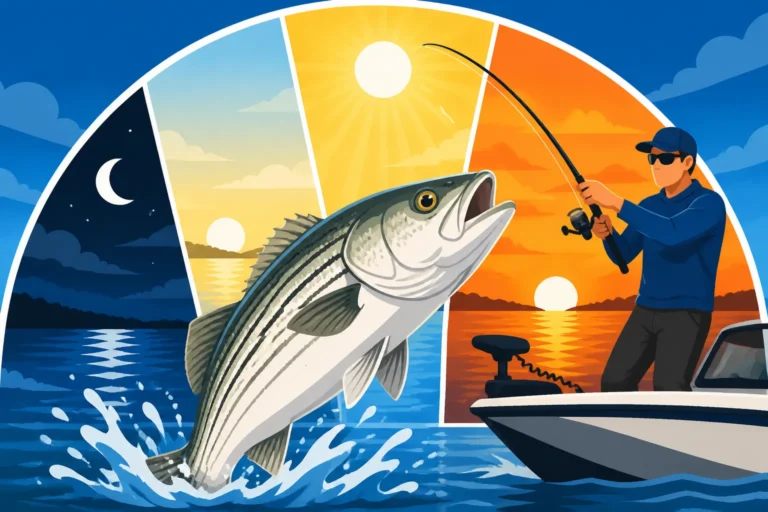
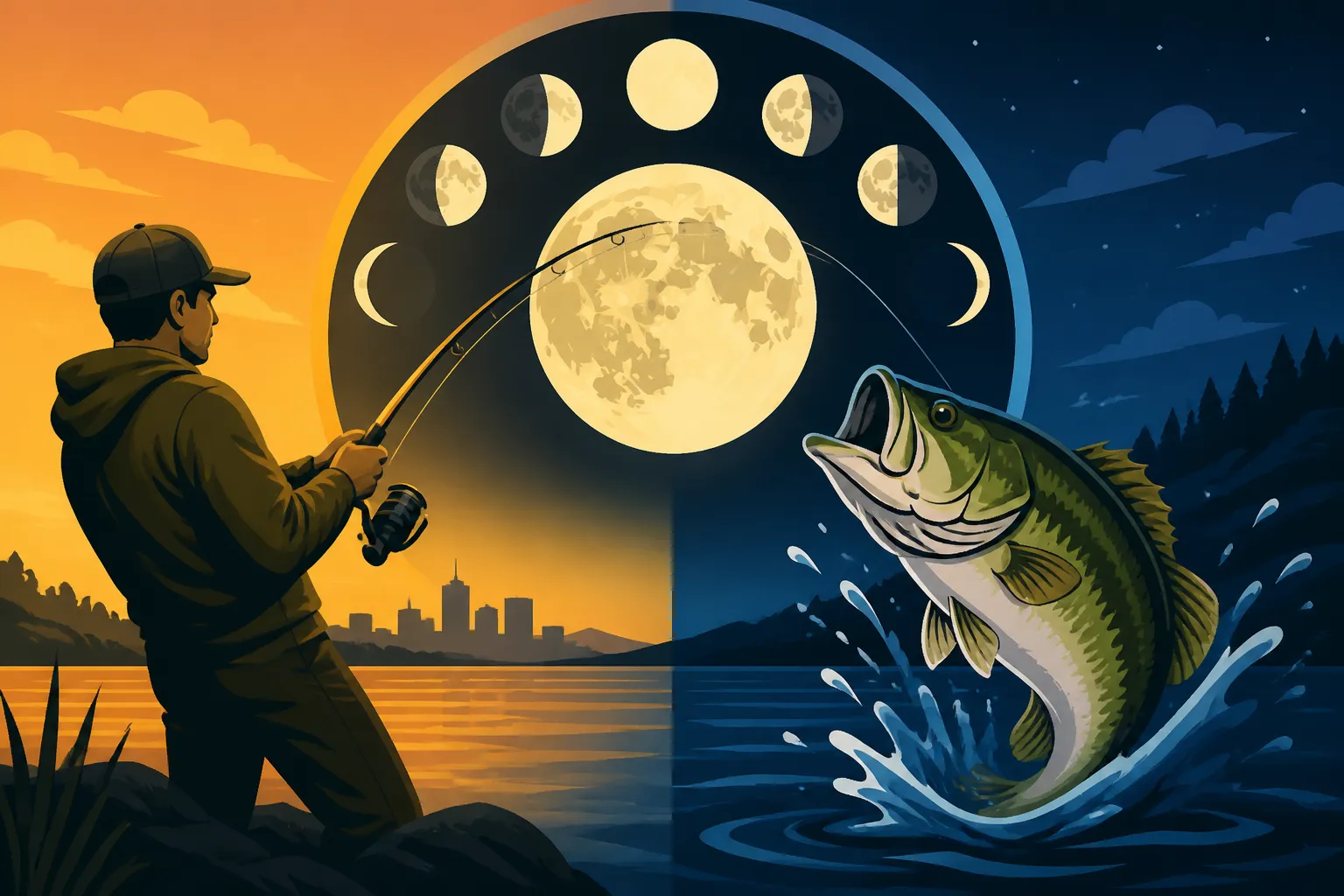
This immediately shifts our focus. While the moon's gravity is always at play, its practical impact on water levels in our inland lakes is generally too small to directly affect feeding patterns in the same way it does saltwater species. Therefore, when we consider the moon's potential influence in Oklahoma, the primary mechanism many anglers point to is light. A full moon casts a significant amount of light on the water at night, while a new moon offers profound darkness. This change in ambient light, especially during nocturnal hours, is what anglers hypothesize can alter the feeding behavior, movements, and visibility of fish, potentially influencing their activity levels during both night and day. It's not about the water moving up and down; it's about how much the fish can see, and how comfortable they feel, under the moon's glow or its absence.
Understanding the Major Moon Phases and Their Supposed Impact
So, if we set aside the idea of major tides, what are the commonly held beliefs about each of the moon's main phases and their effect on fish here in Oklahoma? It really boils down to how much light the moon provides and how that might influence the underwater world.
New Moon: The Darkest Days
The new moon phase is often called the "dark moon" because, from our perspective on Earth, the moon isn't visible in the night sky. The sunlit side is facing away from us, leaving our evenings truly dark, assuming no cloud cover. For anglers, this intense darkness at night brings a few theories into play.
One school of thought suggests that with no moonlight to illuminate the water, nocturnal feeders like catfish, walleye, and even crappie, might become incredibly active under the blanket of absolute darkness. If these fish are typically more active under low light conditions, a truly dark night could be their prime hunting time. This increased overnight activity could then lead to a more subdued bite during the day, as fish might be "full" or resting after a successful night of foraging. Conversely, some argue that the absence of moonlight means that predatory fish, which rely on sight, might be less effective hunters at night, forcing them to be more aggressive during daylight hours when the sun is their only light source. It's an interesting paradox, and what holds true can often depend on the specific species you're targeting and their preferred feeding habits. Many dedicated catfish anglers, for instance, swear by the new moon for a strong bite, reasoning that the complete darkness allows them to roam more freely without being easily spotted by their prey.
Full Moon: The Brightest Nights
Ah, the full moon! It’s undeniably beautiful, casting a silvery glow across the lake that can almost make you forget your headlamp. But does that bright light translate to better fishing? This phase often sparks the most passionate debates among anglers, particularly those who frequent the water after sunset.
The prevailing theory for full moon fishing is that the abundant moonlight at night can stimulate intense feeding activity, especially among predatory fish that are visual hunters. Bass, crappie, and even some species of catfish can use that moonlight to their advantage, ambushing prey in conditions that are far from truly dark. This extended period of feeding at night means fish might be less inclined to bite during the day, as they’ve already filled up. Think of it like a late-night buffet: if you eat all night, you're probably not hungry for breakfast. Anglers often report that while the nighttime bite can be incredible around the full moon, the daytime bite can be noticeably slower.
However, some argue that the bright moonlight can also make fish more wary and cautious, as they become more visible to their own predators. This could lead to them seeking deeper cover or becoming more active in short, intense bursts rather than sustained feeding. The "moon bite" is a well-known concept, referring to those specific windows of time around moonrise and moonset during a full moon when activity is supposed to peak. It’s a period when some anglers believe they can catch fish that are otherwise inactive. For those who enjoy Summer Night Fishing Techniques in Oklahoma, a full moon can be a truly magical experience, regardless of whether the fish are biting nonstop. The visibility, the ambiance, and the sheer challenge of it all make for an unforgettable evening.
Quarter Moons: Transitional Periods
Between the darkness of the new moon and the brilliance of the full moon lie the quarter moons – specifically the first quarter and the last quarter. These phases are characterized by a half-lit moon, marking a transition in the amount of light cast upon the Earth at night. For many anglers, these periods are often seen as less extreme, perhaps even "average" in terms of lunar influence.
During the first quarter, the moon waxes from new to full, providing increasing amounts of light each night. Conversely, the last quarter sees the moon waning from full back to new, with decreasing light. What does this mean for fishing? Some theories suggest that these transitional periods can offer a more consistent, albeit less spectacular, bite compared to the more dramatic swings sometimes associated with the new and full moons. Fish might not be as gorged from intense overnight feeding (as potentially happens with a full moon), nor are they navigating complete darkness. This could lead to more predictable daytime patterns.
However, because these phases don't present the dramatic extremes of light or dark, they are often overlooked in the moon-phase fishing discussion. Anglers might find less definitive advice or strong opinions about fishing during a quarter moon. Instead, other factors like weather, water temperature, or current might become even more dominant in determining fishing success. It's during these "middle ground" moon phases that focusing on fundamental fishing principles – like finding good structure, understanding the forage base, and adapting to immediate weather conditions – becomes paramount. Don't dismiss these days just because they're not a "peak" moon phase; they can still offer excellent fishing if you're tuned into the fish and their environment.
Solunar Tables: Angler's Almanac or Old Wives' Tale?
If you’ve spent any time looking into moon phases and fishing, you’ve undoubtedly stumbled upon solunar tables. These seemingly mystical charts promise to predict the absolute best times to hit the water based on the positions of the moon and sun. But are they a genuine angler’s secret weapon, or just another piece of hopeful folklore?
How Solunar Tables Work
At their core, solunar tables are based on the theory that the combined gravitational forces of the moon and sun influence all living things, including fish. The theory, first popularized by John Alden Knight in the 1930s, posits that there are specific "major" and "minor" feeding periods each day when fish activity is heightened due to these celestial alignments.
- Major Periods: These occur when the moon is directly overhead or directly underfoot (opposite side of the Earth). These are believed to be the most intense feeding times, often lasting for an hour or two.
- Minor Periods: These occur when the moon is halfway between directly overhead and underfoot (moonrise and moonset). These periods are generally shorter but still considered good times to fish.
The tables take into account the exact lunar and solar positions for any given date and location, predicting these windows of heightened activity. You can find them in fishing almanacs, online, or even on many fishing apps (you can easily find many versions by doing a quick search on Amazon for fishing almanacs). Anglers use them to plan their trips, trying to time their casting to coincide with these predicted peaks. The idea is that even if the overall day might be slow, you might experience a burst of action during these brief solunar windows.
Applying Solunar Theory to Oklahoma Waters
For us here in Oklahoma, the application of solunar theory, especially without the direct tidal influence, often raises an eyebrow. If tides aren't a factor, what exactly is the mechanism? Proponents argue that while major tidal surges might not occur, the subtle gravitational pull still exists and can influence biological rhythms in fish. This could manifest as changes in metabolism, feeding instincts, or even activity levels, albeit on a much subtler scale than in coastal waters.
Practically speaking, many Oklahoma anglers who follow solunar tables use them as a guide to focus their efforts. If a major solunar period coincides with dawn, dusk, or a favorable weather window, they'll prioritize being on the water then. It’s less about a guaranteed bite and more about optimizing chances. It becomes another data point in their decision-making process, alongside water temperature, barometric pressure, and knowledge of the specific lake. For example, if you're planning a trip to one of the Best Bass Fishing Lakes Across Oklahoma, checking the solunar table might encourage you to launch your boat an hour earlier or stay out a bit longer to hit a predicted peak. Is it a magic bullet? Probably not. But does it offer a psychological edge and sometimes lead to a concentrated period of action? Many experienced anglers would tell you "yes." It's about stacking the odds in your favor, even if by a small margin.
Other Factors That Trump Moon Phase for Oklahoma Fishing
While the moon's influence is a fascinating topic, it's crucial to maintain a realistic perspective. For us in Oklahoma, many other environmental factors often have a far more immediate and discernible impact on whether fish decide to bite. If you're only looking at the moon, you might be missing the bigger picture.
Weather and Barometric Pressure
If there’s one thing that can turn a hot bite cold or a slow day into a flurry of action, it’s the weather, and specifically, changes in barometric pressure. Fish, being cold-blooded creatures, are incredibly sensitive to their environment, and atmospheric pressure plays a huge role. When a cold front moves in, for instance, the barometric pressure usually rises sharply. This sudden change can make fish feel uncomfortable, causing them to become sluggish, seek deeper water, and significantly reduce their feeding activity. Conversely, a stable, low-pressure system (often associated with warm, overcast weather) can sometimes signal an impending storm but can also trigger aggressive feeding, as fish sense a change is coming and try to feed before conditions deteriorate.
You've probably experienced this yourself: a beautiful, sunny day after a front moves through, and the fish just aren't biting, even if the moon phase is supposedly "perfect." That's the barometric pressure at work. Learning How Cold Fronts Change Fishing Patterns on Oklahoma Lakes can be far more valuable than solely relying on the moon phase. These shifts can affect everything from where fish position themselves in the water column to how aggressively they strike your lure. Monitoring a weather app for pressure trends is often a more reliable indicator of immediate fish behavior than glancing at the lunar calendar.
Water Temperature and Seasonality
If you want to understand fish, you absolutely have to understand water temperature. It is, without a doubt, one of the most critical factors influencing fish behavior, metabolism, and location. Fish are cold-blooded, which means their body temperature is the same as the water they're in. This directly impacts their metabolism, their need to feed, and their overall activity levels.
Think about it: in the dead of winter, when water temperatures plummet, fish become lethargic. Their metabolism slows down, and they don't need to eat as frequently or as much. Conversely, as spring arrives and water warms, their metabolism ramps up, leading to increased activity and aggressive feeding, especially during critical times like the Spring Bass Spawn Timing in Oklahoma or the Fall Crappie Fishing Patterns in Oklahoma. Different species have different optimal temperature ranges, too. Bass might be active in one temperature band, while crappie prefer another. How Water Temperature Affects Fish Feeding Habits is a fundamental concept that every angler should grasp, as it dictates everything from what depth fish will hold to what type of bait they're likely to strike. No matter what the moon is doing, if the water temperature isn't in a comfortable range for your target species, the fishing is likely to be tough.
Habitat, Forage, and Fishing Pressure
Beyond the celestial and meteorological, the immediate environment around the fish is paramount. What kind of structure are they relating to? Is there ample food available? And how much pressure are they experiencing from other anglers? These are tangible factors that often overshadow the subtle influence of the moon.
- Habitat and Structure: Fish need cover, ambush points, and resting areas. Whether it's submerged timber, rock piles, ledges, or weed beds, finding the right habitat is key to locating fish. You can have the perfect moon phase and weather, but if you're casting into barren water, you won't catch anything. Understanding where fish hold at different times of the year and under various conditions is crucial. This is why knowing the Best Fishing Spots in Oklahoma and the specific features of lakes like Lake Texoma Fishing Guide for Oklahoma Anglers or Lake Eufaula: Oklahoma's Gentle Giant for Bass and Crappie is so important.
- Forage Base: Fish go where the food is. If baitfish like shad or sunfish are schooling in a certain area, you can bet the predatory fish won't be far behind. Matching the hatch – using lures or baits that mimic the local forage – can be a game-changer, regardless of what phase the moon is in.
- Fishing Pressure: This is an increasingly relevant factor on popular Oklahoma lakes. Heavily fished areas often see weary, spooky fish that are harder to entice. Even on a "prime" moon phase, if a spot has been hammered by dozens of boats, the fish might have shut down. Sometimes, seeking out Remote and Less-Crowded Fishing Spots in Oklahoma can yield better results than targeting a popular spot during a supposedly ideal lunar window. These ground-level realities are often far more significant than the distant moon when it comes to putting fish in the boat.
Practical Takeaways for Oklahoma Anglers
So, with all this discussion, where does that leave us, the everyday anglers navigating the lakes and rivers of Oklahoma? Do we toss out the moon phase charts, or do we embrace them wholeheartedly? The realistic answer, like most things in fishing, lies somewhere in the middle.
Don't Obsess, But Don't Dismiss
The moon phase isn't the magic bullet that guarantees a full livewell, and it's certainly not the primary driver of fish behavior compared to things like major weather changes or water temperature. You shouldn't cancel a fishing trip just because the moon phase isn't "ideal." However, it's also not something to entirely dismiss. Many experienced anglers feel there's a subtle, almost intangible edge that the moon can provide, especially when combined with other favorable conditions.
Think of it as an extra layer of insight, a minor tweak to your strategy rather than the foundation of it. If all other factors (weather, water temp, bait, location) are looking good, and the moon phase is also predicted to be active, it might give you a bit more confidence, or encourage you to try a specific technique you've had success with during similar lunar conditions. It’s an interesting variable to consider, but it should never override common sense observations about the fish and their immediate environment. The fish are living in this water, experiencing this weather, and reacting to these lures, not necessarily the distant gravitational pull or light of the moon as their primary driver.
Experiment and Keep a Log
The best way to truly understand if moon phases impact your fishing success in your favorite Oklahoma spots is to conduct your own long-term experiment. Start keeping a detailed fishing log. Record not just what you caught, but also:
- Date and Time: Essential for tracking moon phases.
- Location: Specific lake, area, or even GPS coordinates.
- Weather Conditions: Air temperature, wind direction, cloud cover, and crucially, barometric pressure trends.
- Water Conditions: Water temperature (surface and at depth if possible), clarity, and level.
- Moon Phase: Note whether it's new, full, or a quarter, and if it's waxing or waning.
- Solunar Periods: Did you fish during a predicted major or minor period?
- Baits/Lures Used: What was successful, what wasn't.
- Catch Details: Species, size, number of fish.
- Notes: Any unusual observations, feeding frenzies, or complete shutdowns.
Over time, you might start to see patterns emerge for your specific fishing preferences and target species. Perhaps you'll notice that the Oklahoma Statewide Bass Bag Limit Explained seems easier to fill during a waxing crescent on your local pond, or that those big blue catfish at Lake Eufaula really do prefer the new moon nights. This personal data is far more valuable than any generic chart because it's tailored to your unique fishing experiences. An app like "Amazon Kindle" or a physical journal found on Amazon can be a great way to keep these detailed records.
Leverage the Light for Night Fishing
While the debate rages on about daytime moon phase impacts, there's one area where the moon's influence is undeniable and directly observable: ambient light for night fishing. A full moon, or even a strong half-moon, can dramatically change the visibility on the water after dark.
For those who enjoy night fishing, particularly for species like crappie, walleye, or catfish, the amount of moonlight can be a huge factor. On a full moon night, you might not even need a headlamp to tie a knot or navigate safely. This increased visibility can empower sight-feeding predators to hunt more effectively, potentially leading to more active feeding periods. Many anglers specifically plan their Summer Night Fishing Techniques in Oklahoma around the full moon, not just for the bite, but for the enhanced experience and safety that the natural light provides. Conversely, on a new moon, the profound darkness means you'll need to rely heavily on artificial lights, like submersible fishing lights, to attract baitfish and ultimately, your target species. The moon might not make the fish bite, but it absolutely changes the conditions under which you're fishing, and smart anglers will adapt their strategies accordingly.
Comparing Moon Phase Theories and Real-World Fishing Factors
Let's put some of this into perspective with a quick comparison.
| Factor | Moon Phase Theory (Oklahoma) | Real-World Impact (Oklahoma Angling) |
|---|---|---|
| New Moon | Intense darkness boosts nocturnal feeders; potential slower day. | Night: Excellent for catfish; Day: Variable, often good. |
| Full Moon | Bright nights trigger nocturnal feeders; potential slower day. | Night: Often strong for visual predators; Day: Can be tough. |
| Quarter Moons | Transitional, moderate activity. | Often stable, good general fishing if other factors are good. |
| Solunar Tables | Predicts peak feeding windows based on celestial alignment. | Offers focused fishing times; effectiveness varies per angler. |
| Barometric Pressure | Not directly related to moon phase. | High (stable): Generally good. Falling: Often very good. Rising (post-front): Usually very tough. |
| Water Temperature | Not directly related to moon phase. | Optimal Range: High activity. Too Cold/Hot: Low activity. |
| Forage Availability | Not directly related to moon phase. | Abundant: Fish are healthy. Scarce: Fish may roam widely. |
| Fishing Pressure | Not directly related to moon phase. | High: Fish are wary. Low: Fish are more aggressive. |
This article is for general informational purposes only and does not constitute professional advice. Laws, prices and regulations vary by location and change over time. Consult a qualified professional for guidance on your specific situation.