Best Kayak Fish Finder for Oklahoma Reservoirs
Ever feel like you're just paddling blind on those massive Oklahoma reservoirs, casting into the unknown and hoping for the best? Kayak fishing offers an incredible sense of freedom and access to waters bigger boats can't reach, but it also comes with its own unique challenge: how do you find fish and structure when you're sitting so low to the water and have limited space for gear? This guide is going to walk you through everything you need to know about choosing the best kayak fish finder, transforming your paddling adventures into successful fishing trips across the Sooner State.
Why a Fish Finder is a Game-Changer for Oklahoma Kayak Anglers
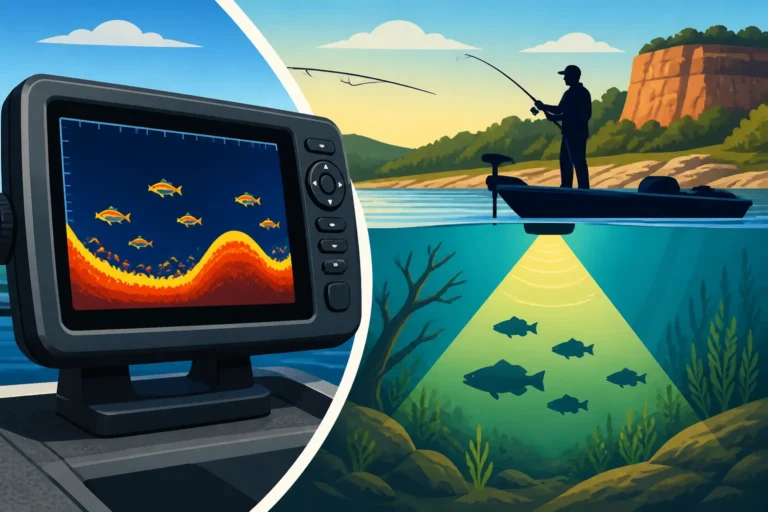
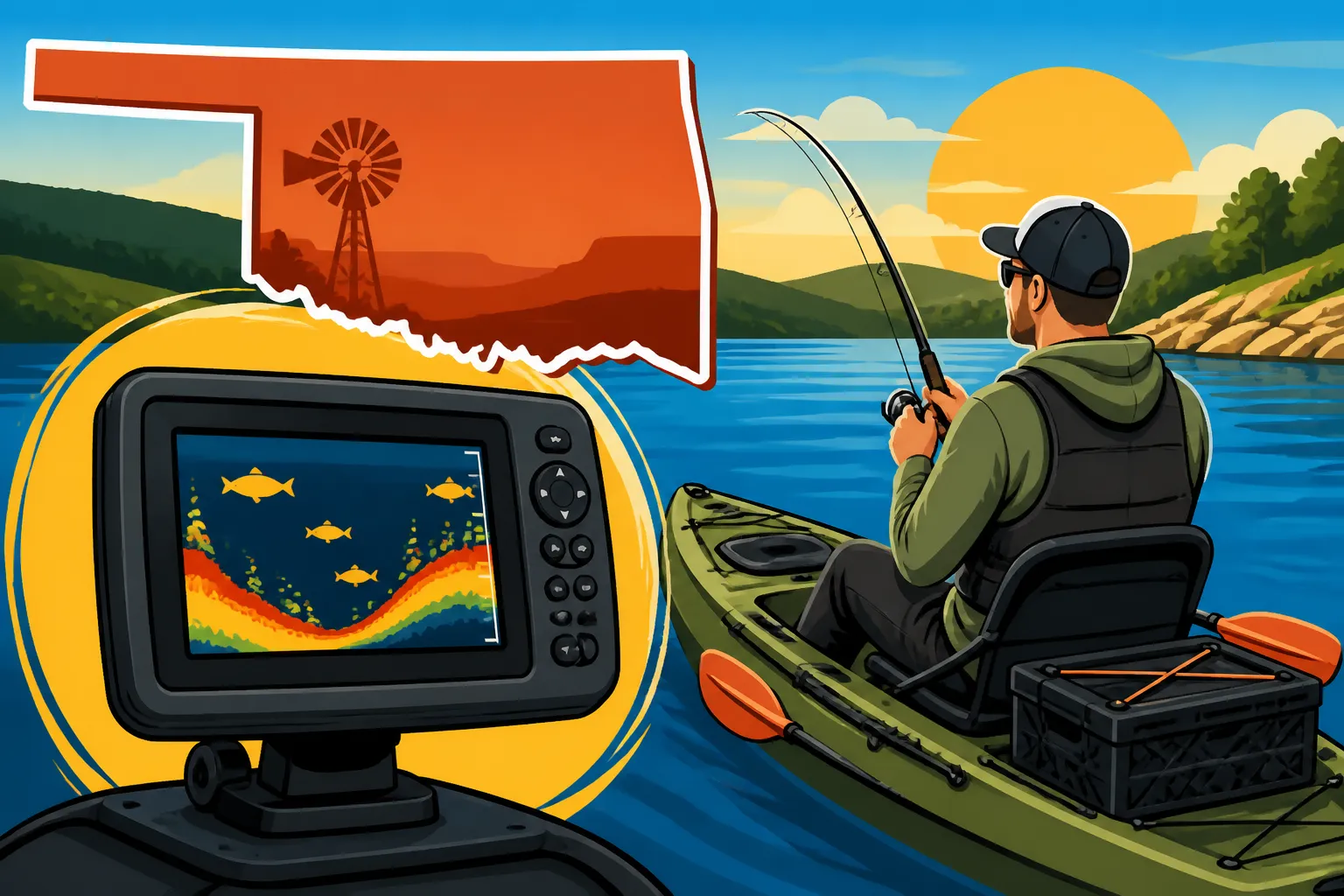
For many kayak anglers, the appeal is often the simplicity and the connection to the water. But let's be real, blindly paddling over miles of open water on a lake like Eufaula or Grand Lake O' the Cherokees can be incredibly frustrating when you're trying to locate those elusive bass or crappie. A fish finder isn't just a fancy gadget; it's a vital tool that levels the playing field, giving you an "underwater eye" to see what's beneath your hull.
Overcoming the Kayak Fishing Challenges
Think about it: from a kayak, your vantage point is limited. You can't stand up and scan the horizon like you might in a bass boat, and you're often paddling or pedaling, which means less time for focused observation. Oklahoma's reservoirs are known for their vastness and diverse underwater topography, from submerged timber to rocky ledges and deep creek channels. Without a fish finder, you're essentially guessing where the fish might be holding. It's like trying to navigate a dark room without a flashlight; you might bump into something, but it's not efficient. This device helps you pinpoint structure, identify baitfish schools, and even see individual fish arches, drastically increasing your chances of success.
Enhanced Efficiency and Safety on Big Water
Beyond just finding fish, a fish finder with GPS capabilities can be a huge asset for navigation and safety, especially on large, unfamiliar waters or when unpredictable Oklahoma weather rolls in. Imagine you find a fantastic brush pile holding a school of crappie on Fort Gibson Lake. With GPS, you can mark that spot and easily return to it on your next trip. This saves you precious time and paddling effort. Furthermore, understanding the contours and depths can help you avoid shallow hazards or identify safe routes back to the launch if visibility drops. It's not just about catching more fish; it's about making your entire experience safer and more productive. For more insights on where to launch, check out Best Boat Ramps in Oklahoma.
Decoding the Tech: Essential Features for Your Kayak Fish Finder
Choosing a fish finder for your kayak isn't like picking one for a full-sized bass boat. Space, power, and portability are major considerations. You need something robust enough to give you clear readings but compact enough not to overwhelm your limited deck space.
Display Size and Clarity: See What's Underneath
When you're out on the water, battling glare and trying to keep your paddle moving, a clear, readable screen is paramount. While bigger screens are always nice, a 5-inch or 7-inch display is often the sweet spot for kayaks. It provides enough real estate to show detailed sonar readings without consuming too much space. Look for high-resolution screens with good pixel density, especially if you're keen on identifying individual fish or subtle structure. Color displays are far superior to black and white, allowing you to differentiate between bottom hardness, fish arches, and vegetation with greater ease. Brands like Garmin and Humminbird offer excellent compact color displays that hold up well in bright sunlight.
Transducer Technology: The Eyes of Your Fish Finder
The transducer is the heart of your fish finder, sending and receiving sonar waves. For kayak fishing on Oklahoma's diverse lakes, you'll want versatile transducer technology.
Traditional Sonar (2D)
This is the classic sonar view, showing fish as arches and structure as various shapes. It's reliable and excellent for identifying fish directly beneath your kayak. Many units will combine this with other technologies.
Down Imaging and Side Imaging
- Down Imaging (DI): This technology provides a picture-like view of what's directly below your kayak, showing timber, rocks, and fish with incredible detail. It's fantastic for pinpointing exact structure on lakes like Broken Bow.
- Side Imaging (SI): This is a game-changer for kayak anglers on bigger waters. Side Imaging allows you to scan wide areas (often up to 100-150 feet on each side of your kayak) for structure and fish without having to paddle directly over them. Imagine paddling along a shoreline on Lake Texoma and being able to scan brush piles and ledges well off to your left and right. This drastically reduces the amount of paddling required to find productive spots and is often found on higher-end units available at Bass Pro Shops.
CHIRP Sonar
CHIRP (Compressed High-Intensity Radiated Pulse) sonar sends a range of frequencies, rather than just one or two, resulting in much clearer, more detailed images, better target separation, and improved depth penetration. Many modern fish finders incorporate CHIRP, making it easier to distinguish between baitfish and larger game fish, even when they're tightly schooled.
GPS and Mapping: Never Lose a Spot Again
For vast Oklahoma reservoirs, an integrated GPS is almost non-negotiable.
- Chartplotting: A GPS with a built-in chartplotter allows you to view maps of the lake, showing depth contours, channels, and sometimes even navigation aids. This is incredibly helpful for understanding the lake's topography and finding those hidden deep-water ledges or humps that hold fish.
- Waypoint Marking: The ability to mark waypoints is crucial. Found a brush pile that produced a nice bass? Mark it! Stumbled upon a promising creek channel? Mark it! This feature ensures you can revisit productive spots time and time again. This is particularly useful for tournament anglers who need to hit their spots precisely. You can often find units with excellent mapping from brands like Lowrance and Humminbird on platforms like Amazon.
- Track Recording: Recording your tracks can help you retrace your path, especially useful in foggy conditions or when exploring new areas. For tips on navigating different waters, check out Oklahoma Fishing Spots for Every Angler.
Powering and Mounting Your Kayak Fish Finder
Once you've picked out your dream fish finder, the next hurdle is getting it powered up and securely mounted on your kayak. This isn't just about functionality; it's about making sure your gear is safe, accessible, and doesn't hinder your paddling or fishing.
Battery Solutions for Kayak Anglers
Unlike a bass boat with multiple large batteries, kayaks require compact, lightweight power sources that can last for hours, or even a full day, on the water.
Traditional Sealed Lead-Acid (SLA) Batteries
These are often the most affordable option. A 12V 7-10Ah SLA battery is a common choice, providing enough juice for a typical fish finder for 8-12 hours, depending on the unit's power draw and screen brightness. They are readily available and simple to charge. However, they can be somewhat heavy and bulky for a kayak, and care must be taken to ensure they are properly sealed and protected from water. Placing them in a dry bag or a small waterproof battery box is a smart move.
Lithium-Ion or LiFePO4 Batteries
If you're looking for lighter weight, longer run times, and faster charging, lithium batteries are the way to go, though they come with a higher price tag. A 12V 10-20Ah LiFePO4 (Lithium Iron Phosphate) battery can power most kayak fish finders for multiple days, or even power smaller trolling motors. They are significantly lighter than SLAs and often come in waterproof housings. While the initial investment is greater, their longevity and performance make them a popular choice for serious kayak anglers. Remember to always use a charger specifically designed for lithium batteries.
Power Management and Protection
Regardless of your battery choice, consider fuse protection for your fish finder to prevent damage from power surges. Many anglers use a small inline fuse holder near the battery. It’s also wise to keep your battery in a waterproof box or dry bag, secured to prevent it from shifting or falling overboard, especially on choppy water.
Mounting Your Fish Finder Head Unit
Space is at a premium on a kayak, so thoughtful mounting is essential.
Rail Mount Systems
Many modern kayaks come with gear tracks or rails. These systems are incredibly versatile, allowing you to attach a fish finder mount (like those from RAM Mounts or Scotty) that can be easily adjusted, removed, and re-positioned. This is a popular choice for quick setup and breakdown. You can find these mounts at your local Bass Pro Shops or online.
Permanent Flush Mounts
For some kayaks, especially those with larger flat surfaces, a permanent flush mount might be an option. This involves cutting a hole in your kayak to recess the unit. While clean and secure, it's a commitment and not easily changed. Most kayak anglers prefer less invasive options.
Portable Suction Cup or Clamp Mounts
For anglers who want maximum flexibility or use multiple kayaks, portable mounts that attach via suction cups or clamps can work. These are generally less stable, especially in rough water, and should be chosen with caution for open reservoirs. They are often best suited for smaller, calmer bodies of water or for temporary use.
Transducer Placement: Getting a Clear Read
Proper transducer placement is critical for accurate readings.
Through-Hull (Shoot-Through) Transducer
This method involves mounting the transducer inside the hull, usually glued with a marine-grade sealant (like epoxy or silicone) to a flat spot at the bottom of the kayak. The sonar signal shoots through the plastic hull. This is a popular option as it protects the transducer from damage and allows for easy launching and landing. However, it can result in some signal loss, reducing sensitivity, and only works effectively on kayaks with thin, solid hulls (not rotomolded with air gaps or composite).
Scupper Hole Mount
Many fishing kayaks have scupper holes designed for drainage. Specific transducer mounts are available that allow you to pass the transducer through a scupper hole, positioning it directly in the water. This provides a clear, unobstructed signal, much like an external mount, while still offering some protection. It's a very popular and effective solution for many modern kayaks.
External Mount (Over the Side or Arm Mount)
This involves mounting the transducer on an arm that extends into the water from the side of your kayak. This provides the clearest possible signal as the transducer is fully submerged. However, it makes the transducer vulnerable to damage from submerged objects, can create drag, and might be cumbersome during transport or when landing. It's often used with quick-release systems to protect the transducer when not fishing.
By carefully considering your battery, mounting points, and transducer placement, you can ensure your kayak fish finder is ready for action on any Oklahoma reservoir.
| Feature | Description | Kayak Angler Benefit |
|---|---|---|
| Display Size | Typically 5-7 inches for portability. | Balances readability with limited kayak space. |
| CHIRP Sonar | Sends multiple frequencies for clearer images. | Better target separation, easily distinguish fish from structure, especially helpful in Oklahoma's diverse waters. |
| Down Imaging | Photo-like views of what's directly beneath. | Pinpoint submerged timber, rock piles, or ledges with high accuracy. |
| Side Imaging | Scans wide areas to the left and right of the kayak. | Covers more water efficiently, finds offshore structure without paddling directly over it on vast lakes. |
| GPS/Chartplotter | Built-in mapping and waypoint marking. | Mark productive spots, navigate safely, track routes, essential for big reservoirs like Texoma or Eufaula. |
| Battery Life | Needs to run 8-12+ hours on a single charge. | Ensures power for a full day of fishing without needing a recharge; lithium options are lighter. |
| Mounting Options | Adaptable to rail systems, scupper holes, or internal hull. | Secure and versatile installation that fits kayak specifics and preferences. |
Making the Most of Your Fish Finder on Oklahoma Waters
Having a great fish finder is only half the battle; knowing how to use it effectively is where the real magic happens. Learning to interpret the signals and integrate the information into your fishing strategy will dramatically improve your success on Oklahoma's lakes and rivers.
Interpreting Sonar Readings
Your fish finder is constantly painting a picture of the underwater world. Learning to read it takes practice but pays off immensely.
- Understanding Fish Arches: Fish typically appear as arches on traditional 2D sonar. A strong, thick arch usually indicates a larger fish, while smaller, thinner arches are smaller fish or baitfish. A half-arch near the bottom might be a fish holding tight to structure.
- Identifying Structure: Submerged timber, rock piles, humps, ledges, and creek channels will all show up differently. Down Imaging excels at giving you a photographic view of these features. Learning to identify these fish-holding structures is key. For example, a sharp drop-off or a distinct cluster of lines might indicate a brush pile holding crappie, especially if you see fish arches nearby.
- Finding Baitfish: Look for dense clouds or balls of tiny dots on your screen. These are baitfish schools, and where there's bait, there are usually predators. If you see baitfish near a piece of structure, chances are larger game fish aren't far away. This is crucial for species like striped bass on Lake Texoma.
Using GPS for Precision Angling
The GPS feature on your fish finder is more than just a navigation tool; it's a strategic asset.
- Saving Waypoints: As mentioned, mark every productive spot. Did you catch a nice bass off that submerged point? Mark it. Found a thermocline where the crappie were suspended? Mark it. These waypoints become your personal treasure map. You can also mark areas that look promising, even if they don't produce immediately, for future exploration. Consider what Oklahoma's Bass Fishing Rules and Limits might apply to your catches.
- Following Contours: Use the lake's contour maps on your GPS to follow specific depth lines. Bass and crappie often relate to these contours, especially during seasonal transitions. Your GPS allows you to maintain a precise line, presenting your bait consistently in the strike zone.
- Track Back to Productive Areas: If you're drifting or exploring a long stretch, recording your track can help you identify patterns. Maybe fish were only biting at a specific depth along a certain section of your drift. Your track history helps you pinpoint those zones.
Species-Specific Strategies
Different fish species will relate to structure and depth differently, and your fish finder helps you adapt your approach.
- Bass: Look for bass near cover (timber, rocks, vegetation), ledges, and sharp drop-offs. Use Down Imaging to pick apart brush piles or see individual fish hiding in cover. Best Bass Fishing Lakes Across Oklahoma often have plenty of structure to explore.
- Crappie: Crappie often suspend in brush piles, under docks, or along creek channels. Side Imaging can help you find these brush piles from a distance, and 2D sonar will show schools of crappie tightly packed. Remember to check Stricter Crappie Limits at Six Oklahoma Lakes before heading out.
- Catfish: While catfish often hug the bottom, your fish finder can help you locate deeper holes, ledges, or structure where they might be staging. It's also great for finding baitfish schools that catfish might be targeting. For blue catfish, specifically, The 30-Inch Blue Catfish Rule in Oklahoma is an important one to remember.
By actively engaging with your fish finder and consistently interpreting its data, you'll go from simply paddling and casting to strategically hunting and catching fish on Oklahoma's incredible reservoirs. It transforms your kayak into a formidable fishing machine.
Disclaimer
This article is for general informational purposes only and does not constitute professional advice. Laws, prices and regulations vary by location and change over time. Consult a qualified professional for guidance on your specific situation.