How to Fish During Rising Barometric Pressure
We've all been there: you wake up, the sky is clear, the sun is shining, and it feels like a perfect day to hit the water in Oklahoma. But then, you get out on the lake, cast your line, and nothing. It's frustrating, right? Sometimes, those beautiful, blue-bird days with rapidly rising barometric pressure can actually make fishing incredibly tough. Fish seem to vanish, or they just won't bite no matter what you throw at them. This guide is here to unravel the mysteries of high-pressure fishing and equip you with the knowledge and tactics to still find success when the barometer is on the rise, even if it feels like the fish are on strike.
Understanding Barometric Pressure and Its Impact on Oklahoma Fishing
Let's clear up what we're even talking about first. Barometric pressure is one of those weather terms we hear a lot, but its direct impact on fishing often gets overlooked, or at least misunderstood. It's not just about whether it's sunny or stormy; it's about the invisible forces affecting the entire aquatic environment, and consequently, the fish themselves.
What is Barometric Pressure, Anyway?
Think of barometric pressure as the weight of the air pressing down on the Earth's surface, including our beloved Oklahoma lakes and rivers. This atmospheric pressure isn't constant; it's always changing. When a high-pressure system moves in, it means more air is pressing down, which can feel great to us on land – clear skies, light winds. But for fish underwater, it's a different story. They feel that increased pressure, not just from the air above the water, but transmitted through the water itself.
Conversely, when a low-pressure system is in place (think cloudy, stormy weather), the air pressure is lower. Fish often react differently to falling or stable low pressure than they do to a rapid increase. It's a subtle but significant factor that truly dictates how fish behave, where they hold, and most importantly, how willing they are to feed. Understanding these shifts is key to knowing How Water Temperature Affects Fish Feeding Habits.
The Angler's Dilemma: Why Rising Pressure Can Be a Challenge
Here's where the frustration comes in. When the barometer is rising quickly, especially after a period of low pressure or a cold front, fish often become sluggish and less active. Imagine the feeling of being "pressured" yourself – it's not conducive to a big appetite or energetic movement! For fish, this increased pressure can make their swim bladders contract, affecting their buoyancy and comfort. They might seek deeper water where the pressure changes are less drastic relative to their immediate environment, or they might simply become less inclined to chase a meal.
Many anglers find themselves scratching their heads on these "bluebird" days. You see the clear sky, feel the gentle breeze, and think it's prime fishing weather, only to be met with finicky fish or an empty livewell. This shift in behavior is precisely why we need to adapt our tactics. It's not about giving up; it's about understanding their world and adjusting your approach to match their mood. Fishing after a cold front often brings a similar challenge, as discussed in How Cold Fronts Change Fishing Patterns on Oklahoma Lakes.
Deciphering Fish Behavior During Rising Pressure in Oklahoma Waters
Every species of fish responds a little differently to changes in barometric pressure. What might send a largemouth bass into hiding could make a striped bass slightly more active, or a catfish just plain lazy. Knowing these nuances is crucial for any Oklahoma angler.
How Bass Respond to a Rising Front
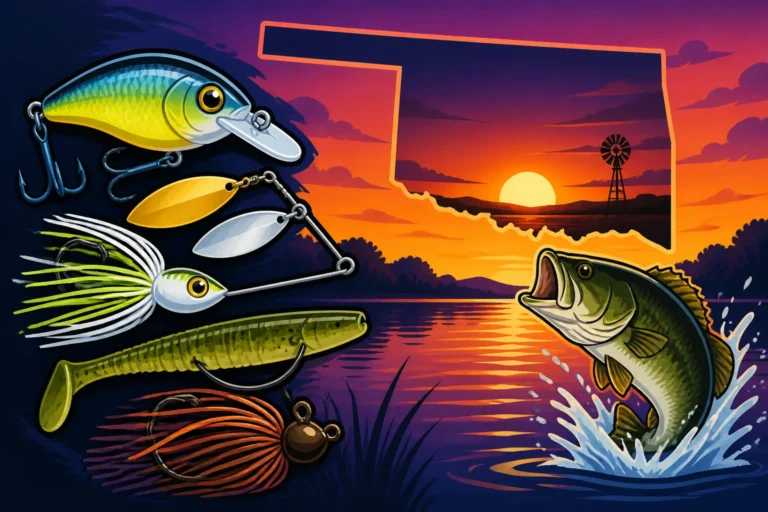
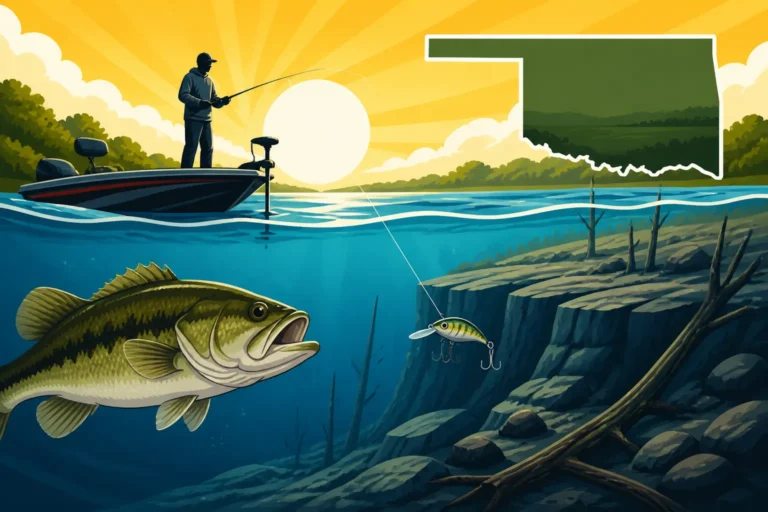
Bass, especially largemouth, are notorious for getting a case of lockjaw during rapidly rising pressure. When that high-pressure system settles in, many bass tend to retreat to deeper, thicker cover. They might bury themselves in brush piles, snuggle up to submerged timber, or pull back into the deepest parts of a creek channel. They're not actively feeding; they're more in a "holding pattern," conserving energy and waiting for conditions to stabilize or change again.
You'll often find them suspended slightly off the bottom or tucked tight against structure. Instead of chasing baits aggressively, they'll require a slower, more subtle presentation right in their face to entice a strike. This is where patience truly becomes a virtue. You might need to present your bait multiple times to the same spot, almost forcing them into a reaction bite. For more specific tactics during this time, consider exploring Pre-Spawn Bass Fishing Techniques Explained.
Crappie and Catfish Reactions to High Pressure
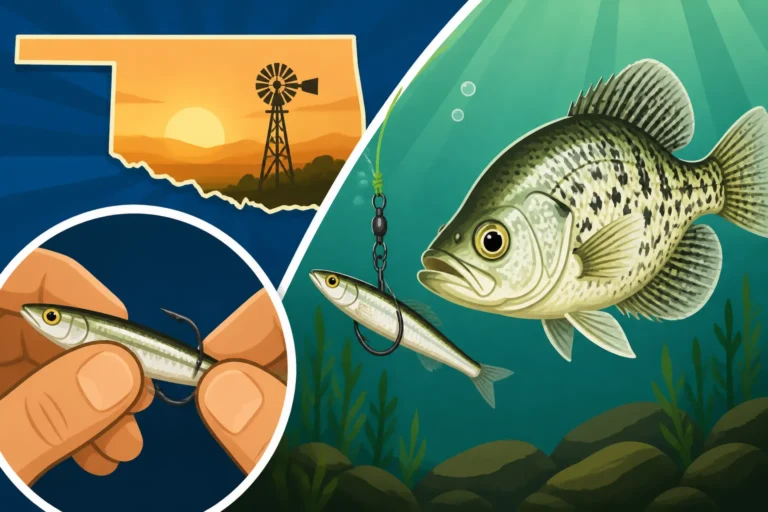
Crappie, like bass, often head for deeper water or dense cover when high pressure moves in. They'll school up tight, typically suspending over brush piles, submerged trees, or around bridge pilings in deeper sections of lakes like Lake Eufaula or Grand Lake. Their bites can become incredibly light and tentative, sometimes feeling like just a slight tick on your line rather than an aggressive strike. This means you need to be hyper-attentive to your line and use sensitive gear. Fishing very slowly, often vertically, right on top of their schools is your best bet. If you're struggling, a change in tactics could be in order, as shown in How to Jig for Crappie in Spring.
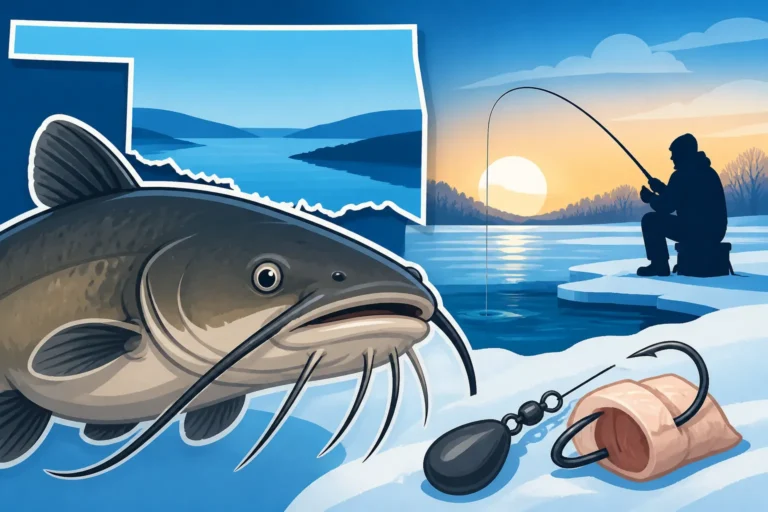
Catfish, on the other hand, can be a bit more unpredictable. While they might also become sluggish and move deeper, particularly flatheads, channel catfish can sometimes remain somewhat active, especially if there's a good current or abundant natural bait. However, you'll still likely find them closer to the bottom, often tucked into holes, undercuts, or around submerged structure in rivers or the deeper channels of lakes. Their feeding might slow, meaning you'll want to use strong-smelling baits that can draw them out even when they're not actively hunting. For tactics, consider How to Bottom Fish for Catfish.
Striped Bass and Walleye: Different Responses, Different Tactics
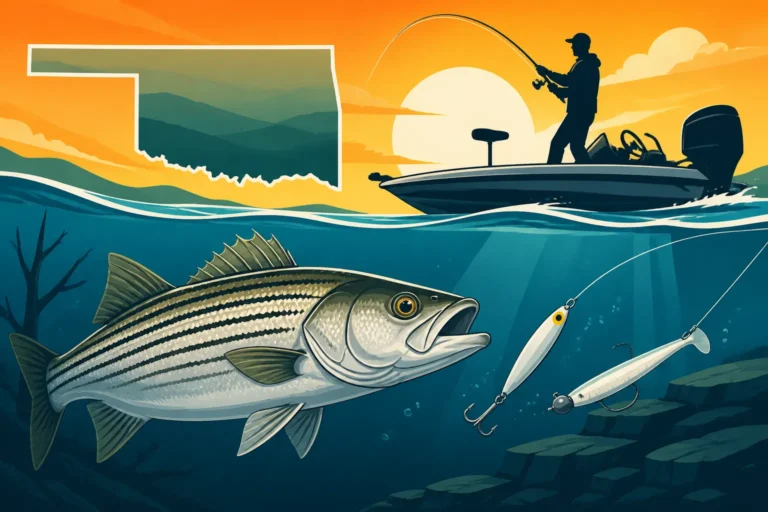
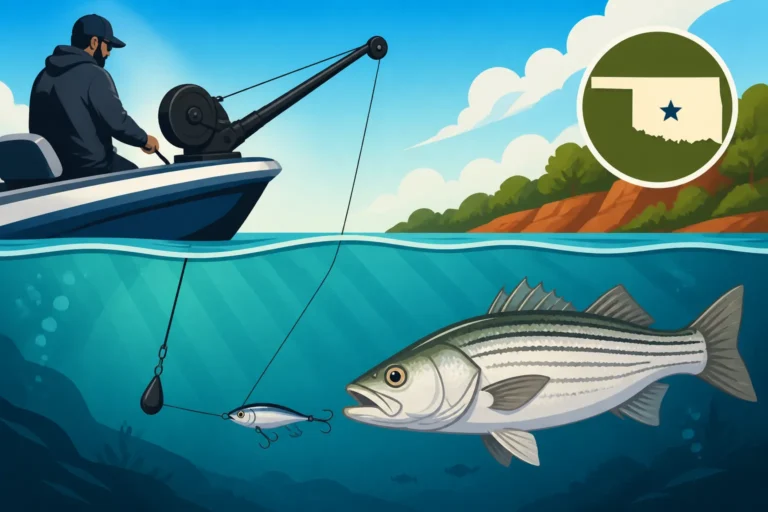
Striped bass, being open-water predators, can sometimes offer a slightly different scenario. In large reservoirs like Lake Texoma, they might follow baitfish schools into deeper thermoclines or suspend in open water. While not always as aggressive as during a feeding frenzy, they can still be caught with the right trolling or deep-jigging techniques. They tend to be less affected by the "moodiness" high pressure imparts on many shallow-water species, but they will still likely be holding deeper than usual.
Walleye, often found in deeper, cooler waters to begin with, might also move even deeper or become more concentrated around specific structures like humps, ledges, or submerged points. Their bite can also be very subtle during high pressure. Techniques like slow trolling with deep-diving crankbaits or jigging spoons directly on the bottom can be effective. They're often found in specific areas, so using your electronics to pinpoint them is vital.
Strategic Adjustments for Successful Fishing in Rising Pressure
Successfully fishing during rising barometric pressure means letting go of your usual playbook and embracing a slower, more methodical approach. It's about adapting to the fish's mood, not trying to force them into an aggressive bite.
Go Slow, Go Deep: Lure and Presentation Adjustments
When the pressure is rising, fish aren't going to exert much energy chasing down a fast-moving bait. This is the time for finesse and patience. Slow your retrieve way down. Think about letting your lures sink longer, crawling them along the bottom, or twitching them ever so subtly. Vertical presentations directly into cover or over deep schooling fish can be incredibly effective.
Consider downsizing your lures, too. A smaller, less intimidating meal might be more appealing to a lethargic fish. Soft plastics fished on light jig heads, small jigs, or even live bait become your best friends. The key is to keep the bait in the strike zone for as long as possible, making it an easy, irresistible target. This slower, deeper approach also aligns well with techniques described in Best Lures for Summer Fishing, as fish often move deeper to escape heat, similar to how they might react to pressure changes.
Focus on Structure and Cover
Fish seek comfort and security when they feel "off." During rising pressure, this often means they will hug tight to whatever structure or cover they can find. This could be the dense branches of a fallen tree, a deep rock pile, the shady side of a dock, or a sharp drop-off along a creek channel. These areas offer them protection and a sense of safety from predators, and often provide slightly more stable conditions than open water.
Your job is to meticulously work these areas. Make multiple casts to the same piece of cover from different angles. Use your boat's trolling motor to position yourself perfectly and make accurate presentations. For bass, think about flipping and pitching jigs or Texas-rigged worms into the heart of the cover. For crappie, probe brush piles with small jigs or minnows. Knowing How to Fish Deep Structure for Bass in Summer can be directly applied here.
Bait Selection: Natural and Subtle Options
Live bait is often a game-changer on tough days. A lively minnow, shiner, or worm wiggling naturally can entice a strike when artificial lures fail. The subtle movements and natural scent are hard for even the most finicky fish to ignore. If you're going with artificials, lean into soft plastics that can be fished slowly and realistically. Wacky-rigged worms, Senkos, creature baits, or small finesse worms on a shaky head are excellent choices.
Scent is another critical factor. Applying a strong, fish-attracting scent to your soft plastics or even live bait can make a significant difference. Many anglers swear by it during these challenging conditions. For bass, consider Best Bait for Largemouth Bass in Oklahoma, which often includes these subtle options.
Gear and Tactics for Battling High Pressure Days
Having the right gear won't guarantee success, but it will certainly improve your chances and make those subtle bites more detectable. It's about sensitivity and precision.
The Right Rods, Reels, and Lines for Finesse
When fish are barely biting, you need to feel everything. This calls for highly sensitive rods, typically medium-light to medium power spinning rods with fast tips. These rods will transmit even the slightest tap or weight change on your line directly to your hand. Pair them with a smooth spinning reel that has a good drag system, and spool it with lighter line.
Fluorocarbon line is an excellent choice for high-pressure situations because of its low visibility and minimal stretch, which increases sensitivity. Some anglers opt for braided line with a fluorocarbon leader for maximum sensitivity and strength. You can find a fantastic selection of these types of rods, reels, and lines on reputable platforms like Amazon, making it easy to outfit yourself for those challenging Oklahoma fishing days. For more on specific setups, look into Best Spinning Reel for Crappie Fishing.
Essential Electronics: Fish Finders and Mapping
Your boat's electronics become invaluable tools on high-pressure days. A good fish finder with down-imaging and side-imaging capabilities can help you locate those deep, tightly schooled fish or hidden structure that you might otherwise miss. Use it to mark brush piles, rock formations, and ledges where fish are likely to be holding.
GPS mapping is equally important. It allows you to precisely navigate back to productive spots, mark subtle changes in bottom contour, and stay on track with deep creek channels or breaks. Don't just motor around hoping; use your electronics to systematically scan and identify areas where fish are likely to be staging. Understanding Fish Finder Features That Matter Most on Oklahoma Reservoirs can drastically improve your success.
Here's a quick reference table for general fish behavior and tactical adjustments during rising barometric pressure:
| Fish Species | Typical Behavior in Rising Pressure | General Tactical Adjustments |
|---|---|---|
| Largemouth Bass | Retreat to deep, dense cover; less active. | Slow presentations, finesse baits, target heavy cover. |
| Smallmouth Bass | Move deeper to rock piles, ledges; subtle bites. | Finesse jigs, drop shots, slow retrieve near bottom. |
| Spotted Bass | Similar to largemouth, but may stay slightly shallower. | Small crankbaits, jigs, worms; work structure thoroughly. |
| Crappie | School tight in deep brush, structure; light bites. | Vertical jigging, live minnows, sensitive gear, slow. |
| Channel Catfish | May become sluggish; hold in deep holes, current breaks. | Strong-scent baits, bottom rigs, wait for longer bites. |
| Blue Catfish | Move deeper, near main channel breaks or humps. | Cut bait, bottom rigs, check deep structure. |
| Flathead Catfish | Often tuck into heavy cover, very lethargic. | Large live bait, target known flathead holes, extreme patience. |
| Striped Bass | May suspend deeper in open water, follow bait. | Trolling, deep jigs, live bait; watch electronics. |
| Walleye | Concentrate on deep humps, ledges, points; subtle bites. | Slow trolling, jigging spoons, focus on bottom contact. |
Patience and Persistence: The Angler's Mindset
Perhaps the most important "tactic" for fishing during rising barometric pressure is your mindset. These days are not for the impatient. You will likely get fewer bites, and they will be subtle. You might have to work a spot for a long time before getting a single strike.
Don't get discouraged if the fish aren't jumping in the boat. Stay focused, trust your instincts, and keep experimenting with depths, presentations, and retrieve speeds. The anglers who consistently catch fish on tough days are often those who are willing to slow down, pay attention to the smallest details, and persist when others have given up. Remember, you're trying to coax a bite out of a fish that might not feel like eating, so every cast counts. This is especially true when fishing some of the Best Fishing Spots in Oklahoma which can see a lot of pressure from other anglers.
Successfully navigating fishing during rising barometric pressure in Oklahoma boils down to understanding how fish react to their environment and making precise, thoughtful adjustments to your approach. It’s about slowing down, targeting deep structure and cover, choosing subtle baits, and relying on sensitive gear. With a bit of patience and persistence, those "bluebird" days don't have to be bust days.
Disclaimer
This article is for general informational purposes only and does not constitute professional advice. Laws, prices and regulations vary by location and change over time. Consult a qualified professional for guidance on your specific situation.