Best Fishing Techniques Before a Cold Front
Fishing in Oklahoma can be absolutely phenomenal, but there's nothing quite like the frustration of hitting the water just as a cold front sweeps through, turning a promising day into a bust. Fish seem to vanish, or they get so finicky you wonder if they've developed an allergy to your bait. But here's the secret: the days before a cold front can offer some of the most intense, aggressive fishing you'll experience all year. This guide will walk you through how to recognize an approaching front and exactly what techniques to employ to make the most of that pre-front feeding frenzy.
Understanding the Cold Front Phenomenon and Its Impact on Fish
When we talk about a cold front, we're not just talking about a drop in temperature. It's a whole atmospheric shift that dramatically alters the underwater world. Before the front arrives, you typically see stable or rising barometric pressure, often accompanied by warm, breezy conditions. This is when the fish are often at their most active, sensing the change in the atmosphere.
The Barometric Pressure Rollercoaster
Fish, particularly larger game fish like bass and crappie, are incredibly sensitive to changes in barometric pressure. Think of it like us feeling a storm coming in our joints. Before a cold front, the pressure often rises or remains stable, which can make fish feel more comfortable and active. This is their prime feeding window. They sense the impending change and instinctively know that conditions are about to get tough, so they gorge themselves. It's like they're stocking up the pantry before a blizzard. This is the crucial window you want to exploit. Understanding How Water Temperature Affects Fish Feeding Habits is also key, as falling temperatures are a cold front's main consequence.
Why Fish Get Finicky Post-Front
Once the cold front actually passes, the barometric pressure usually drops significantly and then stabilizes at a lower point, often bringing clear skies but also colder temperatures and high-pressure conditions. This is the notorious "post-front" bite, or lack thereof. Fish often become lethargic, retreating to deeper water or dense cover, and are much harder to entice. Their metabolism slows down, and they don't feel the same urgency to feed. It's a dramatic shift from the pre-front frenzy, which is why capitalizing on that initial window is so important. Trying to fish a post-front lake with the same aggressive tactics will usually leave you frustrated.
Reading the Weather: Signs of an Incoming Front
You don't need to be a meteorologist to predict a cold front. Anglers, especially those in Oklahoma where the weather can change on a dime, learn to pay close attention to environmental cues. Getting ahead of the game is your biggest advantage, allowing you to plan your trip for maximum success.
Atmospheric Cues and Cloud Formations
Keep an eye on the sky. Before a cold front, you might notice the wind picking up, often from the south, and the air feeling unusually warm or muggy. High, wispy cirrus clouds might give way to more substantial cumulus clouds, often darkening as the front approaches. You might even feel a subtle shift in the air pressure on your ears, especially if you're sensitive to it. These are all signals that things are about to change. Always check the forecast, but also trust your senses. You'll also want to understand How Cold Fronts Change Fishing Patterns on Oklahoma Lakes once the front has truly arrived, to know what to expect in the days following.
Technology as Your Angler's Almanac
While traditional observations are great, modern technology gives us a huge leg up. Weather apps on your phone or dedicated marine weather radios can provide real-time barometric pressure readings and detailed forecasts. Look for a predicted sharp drop in temperature over 24-48 hours, usually preceded by a day or two of warmer-than-average temps and increased wind. These forecasts are your best friend for planning when to hit the water. Devices with accurate barometric pressure sensors can be a great investment, and you can find many options on services like Amazon, helping you track those critical atmospheric shifts.
Pre-Front Fishing Strategies for Oklahoma's Favorite Species
Different fish react slightly differently to pre-front conditions, but the common thread is an increased feeding drive. You need to adjust your approach to match their urgency, opting for presentations that capitalize on their aggressive mood.
Aggressive Bass Fishing Before a Front
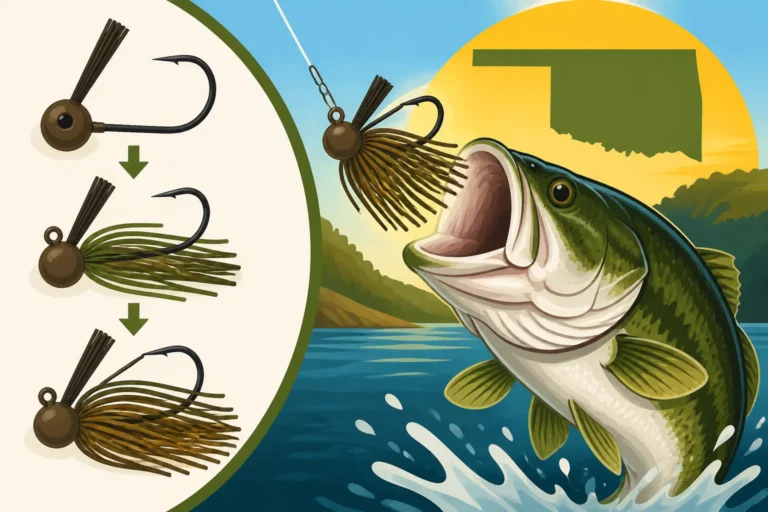
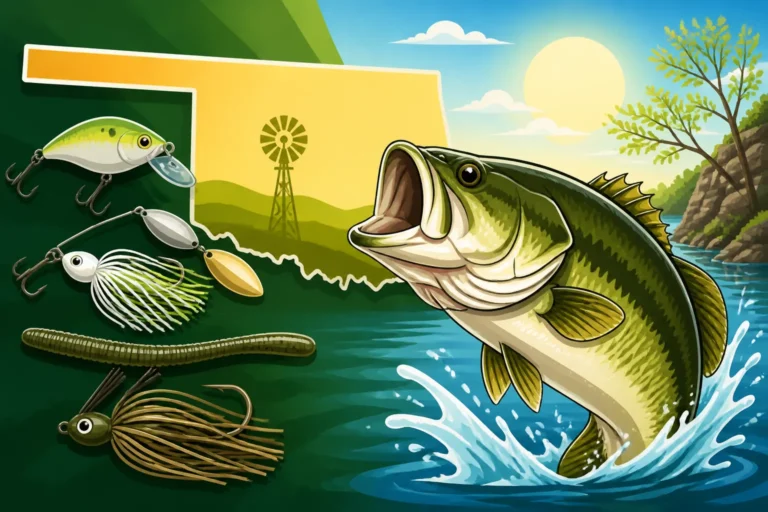
Largemouth bass, smallmouth bass, and spotted bass in Oklahoma will often go on a serious feeding binge before a cold front. This is your chance to use reaction baits. Think fast-moving lures like spinnerbaits, crankbaits, and chatterbaits. Cover water quickly, targeting areas where baitfish are abundant, like shallow flats, points, and transition zones. They're looking for an easy, substantial meal, and they're less likely to scrutinize your offering.
- Crankbaits: Choose lipped crankbaits that dive to the depth where you expect the bass to be, often 5-15 feet. Vary your retrieve speed – a stop-and-go or deflecting off submerged structure can trigger bites. For darker, stained water, brighter colors or those with a lot of flash can be particularly effective. Don't be afraid to experiment with larger sizes, as bass are often trying to pack on calories.
- Spinnerbaits & Chatterbaits: These lures create a lot of vibration and flash, perfect for calling in aggressive bass from a distance. Fish them around cover like submerged timber, rock piles, or weed edges. A faster retrieve works well, as bass are more likely to chase. The key is to keep the bait moving and provoking a strike, rather than giving the fish time to inspect it.
- Topwater: If the conditions are particularly calm and overcast before the front, don't rule out topwater lures. Poppers, walkers, and frogs can get explosive strikes as bass feed actively near the surface. It's a thrilling way to catch them, especially during low light conditions or when the water is still relatively warm.
Many anglers find that heavier lines and more powerful rods, like those listed in Best Rods and Reels for Oklahoma Fishing, allow them to wrestle these aggressively biting bass out of cover quickly. Always be mindful of Oklahoma's Bass Fishing Rules and Limits when you're on a hot bite.
Capitalizing on Crappie's Pre-Front Push
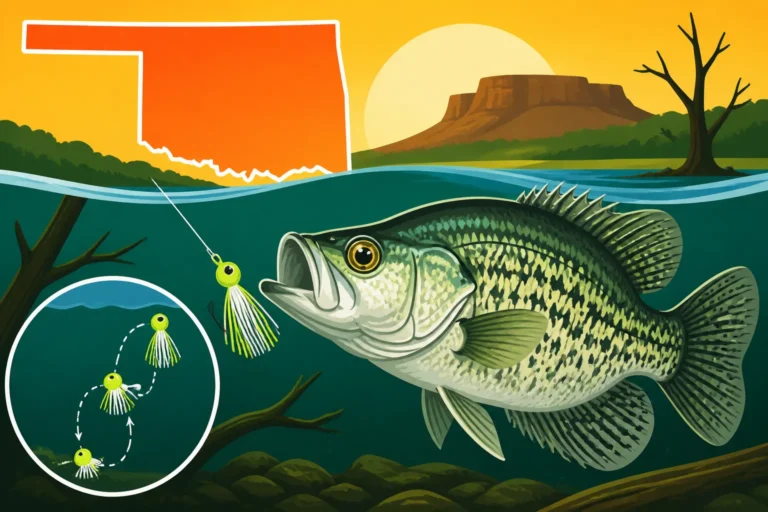
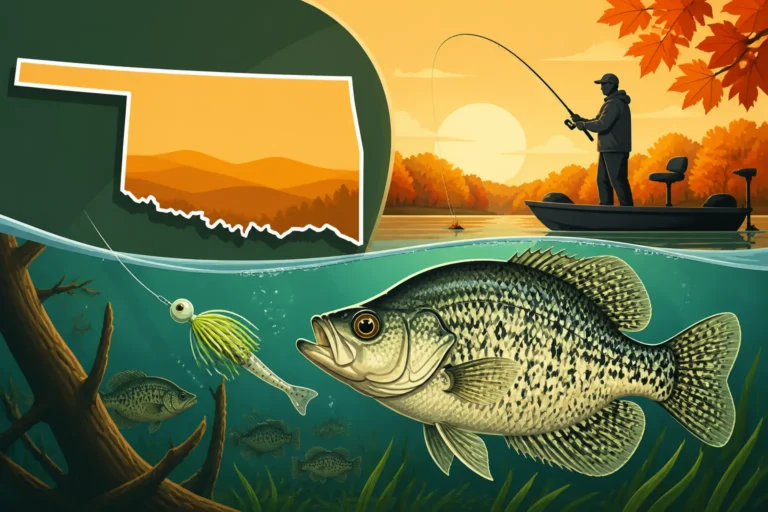
Crappie, both black and white, also get active before a cold front. They'll often move shallower, congregating around brush piles, submerged timber, and dock pilings in preparation for their feeding spree. This is a fantastic time for jigging or using minnows under a float, as they become less wary and more focused on feeding.
- Jigging: Use small jigs (1/16 to 1/8 ounce) tipped with soft plastic bodies. Colors like chartreuse, white, or pink are often effective. Vertical jigging directly over brush piles or pitching jigs to submerged cover can produce quick limits. Don't be afraid to experiment with retrieve speed; sometimes a slow, subtle twitch is all it takes, while other times a slightly faster lift-and-drop triggers bites. Knowing Best Crappie Jig Colors for Clear Water or stained water can make a noticeable difference in your success.
- Minnows: Live minnows are always a crappie favorite and become even more so when crappie are actively feeding. Fish them under a bobber at various depths around structure, or use them as a tipping agent for your jigs. The natural movement of a live minnow can be irresistible to hungry crappie, especially if they're hesitant to strike a plastic lure.
- Spider Rigging: If you're on a boat, spider rigging with multiple rods holding jigs or minnows at different depths can cover a lot of water and help you locate concentrations of pre-front crappie. This technique is particularly effective over open water humps or along creek channels, allowing you to present multiple offerings simultaneously.
Remember that Oklahoma's Statewide Crappie Bag Limit still applies, even during a hot bite, so keep track of your catch.
Catfish: The Consistent Pre-Front Biters
Channel catfish and blue catfish often become very active before a front, especially if it brings increased current or cloud cover. They're opportunistic feeders and will take advantage of the heightened activity to gorge themselves. This is a prime time for stink baits, cut bait, or even live bait for bigger blue cats. Their feeding window can be quite generous during this period.
- Bottom Fishing: This is the classic method for catfish, and it's highly effective before a front. Use a slip-sinker rig with a large hook and your chosen bait. Target river channels, creek mouths, and deeper holes in lakes where current might bring food to them. The increased barometric pressure often pushes them to feed more aggressively in these areas, making them more willing to scavenge.
- Prepared Baits: Dough balls, punch baits, or dip baits that are heavily scented work wonders for channel cats, which rely heavily on their sense of smell. For blue catfish, fresh cut bait (shad, perch, skipjack) is often irresistible, as it mimics their natural prey. Consider checking out offerings on Amazon for various catfish baits and rigs to expand your arsenal.
- Trotlines & Juglines: If legal in your area, these passive methods can be highly effective before a front. Set them in active feeding areas, using robust baits, and check them frequently. The fish will be moving and looking for food, increasing your chances of multiple hookups. Ensure you understand the specific regulations for these methods in Oklahoma.
Make sure you're familiar with Oklahoma's Catfish Fishing Rules and Limits before you head out, as limits can vary by species and water body.
Gear and Bait Considerations for Pre-Front Success
To truly maximize your chances before a cold front, your gear and bait selection become paramount. You need reliable equipment that can handle aggressive strikes and baits that provoke a reaction, especially when fish are in a frenzied feeding mood.
Essential Lures and Baits to Stock Up On
When fish are actively feeding, they're often less picky about ultra-finesse presentations, but having the right type of bait can still make all the difference by triggering those reaction strikes.
- For Bass: As mentioned, aggressive baits like crankbaits (both shallow and deep divers), spinnerbaits with large blades for maximum flash and vibration, and chatterbaits are top performers. Don't forget jig-and-trailer combos, especially those with larger profiles, for slower presentations around heavy cover, if the aggressive bite starts to slow. Soft plastics like Texas-rigged worms or creature baits can also be effective if you're targeting specific structure where bass are ambushing prey. For fall, which often sees these fronts, Best Bass Lures for Fall Fishing can provide further insights.
- For Crappie: Small jigs with bright or contrasting colors (chartreuse, pink, black/chartreuse), either plain or tipped with a small minnow, are hard to beat. Soft plastic tube jigs, grub tails, and minnow-imitating plastics in sizes from 1/32 to 1/8 ounce are essential. Live minnows, of course, are always a good choice, especially when fished under a small float near cover.
- For Catfish: Stick with potent, smelly baits. Prepared stink baits, punch baits, and dip baits for channel catfish are excellent. For blue and flathead catfish, fresh cut bait from local baitfish (shad, sunfish) or even store-bought chicken livers or gizzards can be incredibly effective. Circle hooks are highly recommended for catfishing to ensure solid hookups and easy release if necessary. You can easily stock up on these essentials on Amazon.
Optimizing Your Tackle and Electronics
Your tackle needs to be robust enough to handle the potential flurry of activity. Having your reels spooled with fresh line and your knots tied securely is crucial. A single weak point can cost you a trophy fish during a hot bite.
- Rods and Reels: For bass, a medium-heavy to heavy power rod with a fast action will give you the backbone to cast larger lures and pull fish out of cover. Pair it with a baitcasting reel for accuracy and power, especially when working those reaction baits. For crappie, light to ultralight spinning gear allows for delicate presentations of small jigs and minnows, essential for feeling subtle bites. Catfishing often requires heavy-duty spinning or conventional gear, especially if you're targeting trophy blue cats in strong currents. Check out Best Rods and Reels for Oklahoma Fishing for specific recommendations.
- Line Choice: For bass, fluorocarbon or monofilament in the 12-20lb range offers a good balance of strength and castability, with fluorocarbon offering better sensitivity and less stretch. Crappie anglers often prefer light monofilament or braided line with a fluorocarbon leader in the 4-8lb range for stealth and sensitivity. Catfishing demands strong braided line (30-80lb test) or heavy monofilament for battling big fish and abrasion resistance against structure.
- Electronics: A good fish finder can be invaluable, especially before a cold front. Fish will often move to specific depths or congregate around certain structures. Your electronics can help you locate these hotspots quickly. Look for features like side imaging or down imaging to pinpoint brush piles, ledges, and schools of baitfish where game fish are likely to be lurking, giving you a distinct advantage in finding active fish. Knowing Fish Finder Features That Matter Most on Oklahoma Reservoirs can help you choose the right unit. These are often readily available on Amazon with various price points and features.
Timing Your Trip: The Critical Window
The window of opportunity before a cold front can be short but incredibly productive. Missing it means you're likely facing tough fishing conditions, making precise timing a game-changer.
Monitoring Forecasts and Barometric Pressure
It cannot be overstated: constantly monitor the weather. Pay attention to local forecasts for temperature drops, wind shifts, and precipitation. Most weather apps will show you the barometric pressure. You're looking for that upward trend or stable high pressure before the front moves in. As soon as you see a significant cold front forecast to arrive within the next 24-48 hours, that's your cue to clear your schedule and hit the water. This pre-front period is prime time, often out-fishing several days after the front passes, so don't delay.
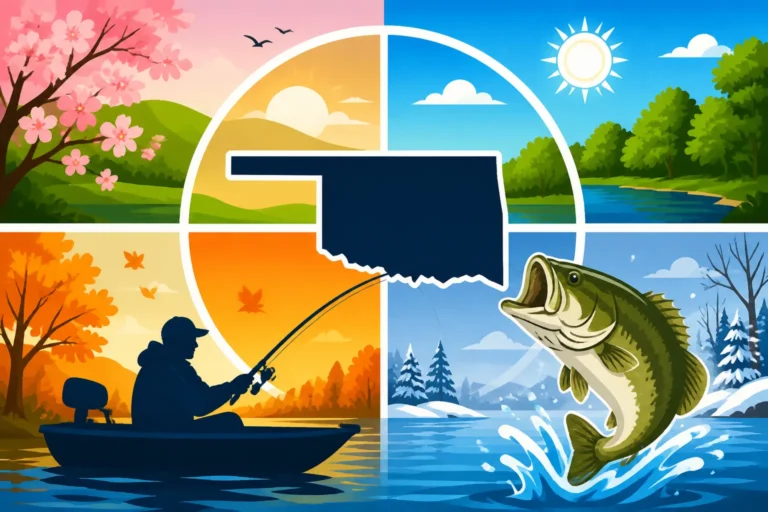
A great approach is to plan your trips around these weather patterns, making the most of the short windows. This is a more strategic way to fish than just showing up on a random Saturday, significantly increasing your chances of success. You'll also want to reference Oklahoma Fishing Seasons: A Month-by-Month Guide to ensure you're targeting species that are already active during that particular time of year, maximizing your chances even further.
When to Make the Most of the "Prime" Hours
Often, the best fishing before a cold front occurs during the warmest part of the pre-front day, or even during the night preceding it. As the atmospheric pressure peaks and temperatures are at their highest before the drop, fish activity surges. If you can only fish for a few hours, prioritize those windows. Early morning and late evening can also be productive, especially as the wind picks up, creating chop on the water that can stimulate feeding.
Consider a lake like Lake Texoma, for example. If a cold front is coming, you'd want to be on the water during that feeding window, especially targeting areas where baitfish are abundant. Check out the Lake Texoma Fishing Guide for Oklahoma Anglers for specific tactics for that renowned fishery, then apply the pre-front approach to those methods. Remember, fishing at these times requires focused effort, so avoid distractions and stay alert for subtle bites. Even when the fish are aggressive, they can sometimes be surprisingly subtle. Being aware of How to Adjust Techniques for Midday Fishing can also help if your prime window falls during those hours.
Safety and Best Practices When Fishing a Front
While chasing the pre-front bite, always prioritize safety. Weather can change quickly in Oklahoma, and an incoming front can bring more than just good fishing; it can bring rapidly deteriorating conditions.
Staying Safe on the Water
- Monitor Conditions: Keep an eye on the sky and your weather apps. Wind can pick up rapidly before a front, making boating dangerous and creating challenging conditions even for bank anglers. If conditions start to deteriorate, with lightning, heavy rain, or strong gusts, don't hesitate to head back to shore immediately.
- Dress Appropriately: Even if it's warm and sunny before the front, pack layers. You never know when the actual cold air will arrive, and being prepared for a sudden temperature drop can prevent an uncomfortable or even dangerous situation like hypothermia if you get wet. A waterproof outer layer is always a good idea.
- Boating Safety: Ensure all your boat safety equipment is in order and easily accessible. Life jackets, particularly for children, should always be worn or readily accessible. A rapidly changing front can create rough water and unexpected challenges that test your boating skills. It's a good idea to refresh your knowledge on Oklahoma Life Jacket and PFD Rules for Boaters before any trip.
Environmental Awareness and Ethical Angling
Even during a hot bite, responsible angling practices are crucial to maintain healthy fish populations and pristine environments for future generations of anglers.
- Respect Limits: Always adhere to Oklahoma's Bass Fishing Rules and Limits, crappie, catfish, or any other species you're targeting. The pre-front bite can be so good you might easily exceed your daily limit if you're not paying attention. Keep a mental or written tally of your catches to stay compliant. Over-harvesting can quickly deplete local populations.
- Handle Fish with Care: If you're catching and releasing, handle fish gently to ensure their survival. Use appropriate netting techniques, minimize their time out of the water, and release them quickly and carefully. Avoid dragging them on the bank or handling them with dry hands, which can strip their protective slime coat.
- Leave No Trace: Pack out everything you pack in, and perhaps even a little more. This means all your trash, discarded fishing line, and any other litter. Preserve the natural beauty of Oklahoma's fishing spots for everyone to enjoy, and contribute to keeping our waterways clean and healthy.
It's tempting to push the limits when the fishing is good, but our responsibility as anglers is to protect the resource for future generations.
Disclaimer
This article is for general informational purposes only and does not constitute professional advice. Laws, prices and regulations vary by location and change over time. Consult a qualified professional for guidance on your specific situation.