Is Flathead Catfish Good to Eat?
Flathead catfish flavor and texture compared to channel and blue species, with size, water, and diet tips for Oklahoma anglers.
Know what’s on the line.
Gamefish and panfish profiles — identification, behavior, feeding habits, and species-specific strategies for every catch.
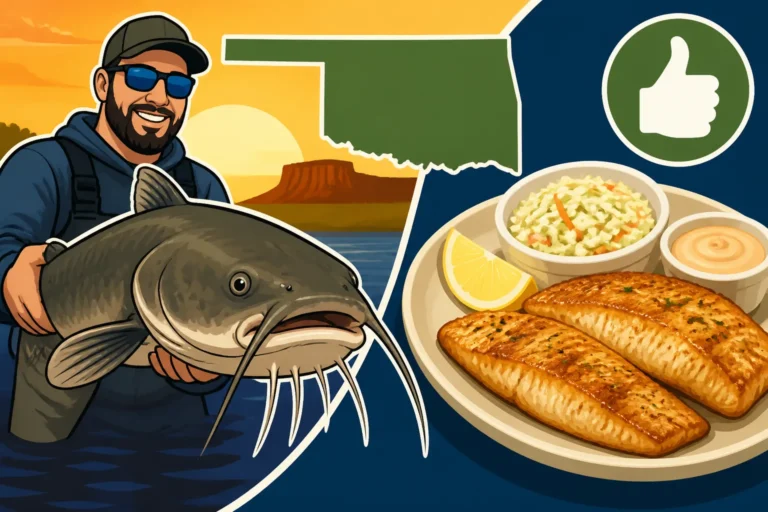
Flathead catfish flavor and texture compared to channel and blue species, with size, water, and diet tips for Oklahoma anglers.
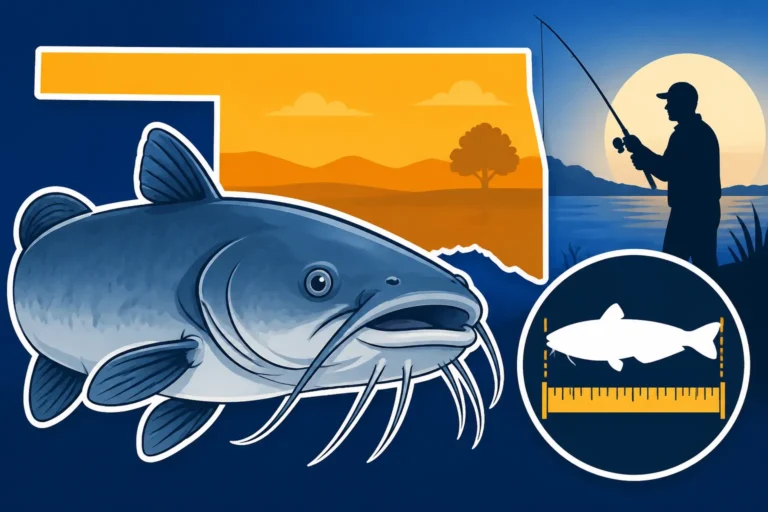
Oklahoma fishing regulations restrict anglers to keeping only one blue catfish per day that measures thirty inches or longer.
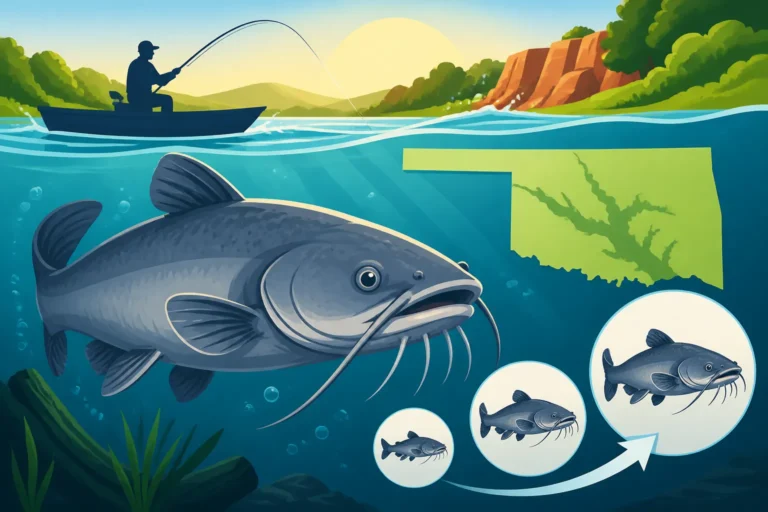
Blue catfish growth rates in Oklahoma waters depend on genetics, food availability, habitat suitability, and water temperature.
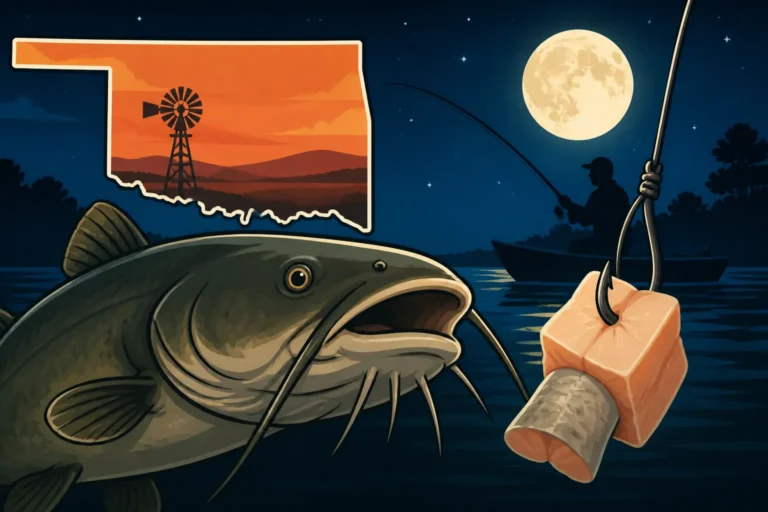
Four to six inch sunfish and lively shad serve as the best live bait for catching flathead catfish at night in Oklahoma.
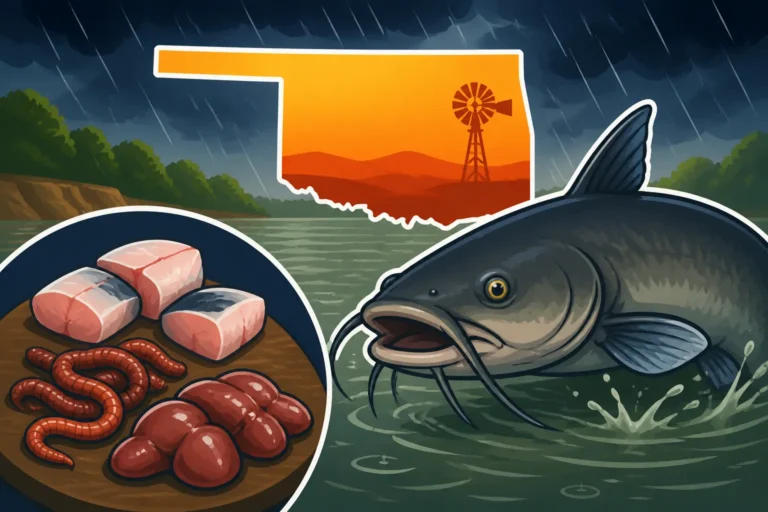
Channel catfish feeding behavior changes after rainstorms, and Oklahoma anglers can use specific stink baits for murky waters.
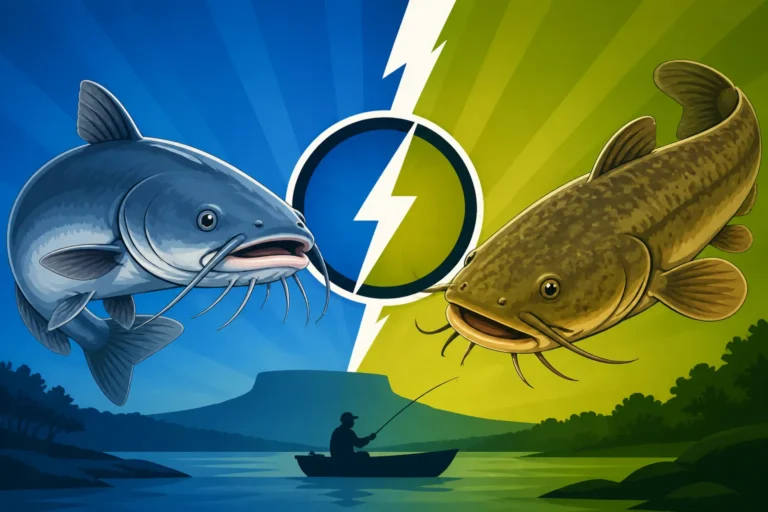
Physical differences between blue catfish and flathead catfish include tail shapes, anal fins, and jaw alignments, plus specific ray counts.
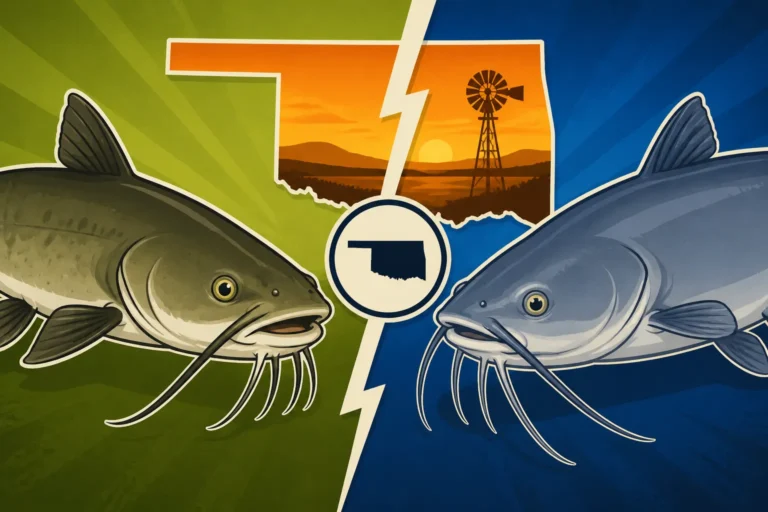
Distinguishing channel catfish from blue catfish traits helps Oklahoma anglers follow bag limits and avoid fishing citations.
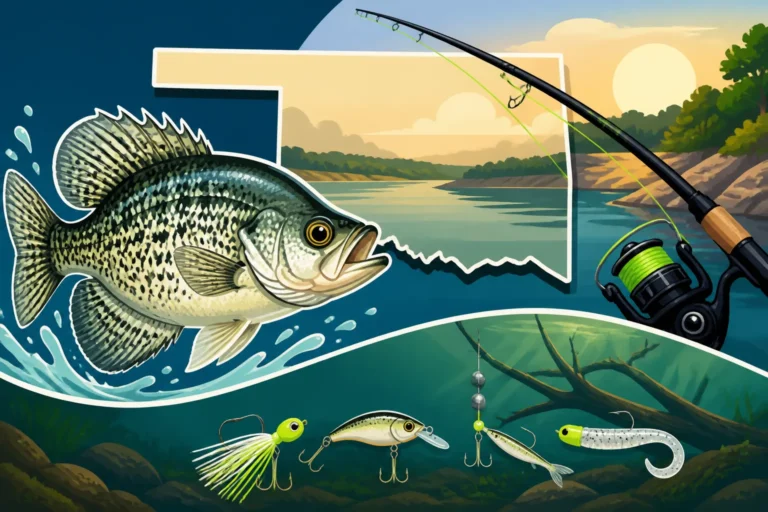
Oklahoma crappie fishing strategies differ between natural lakes and vast reservoirs like Eufaula, Texoma, and Tenkiller.
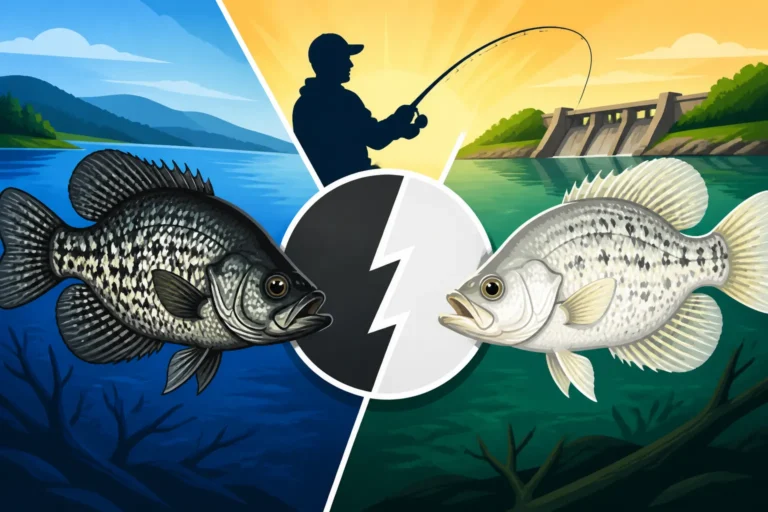
Oklahoma crappie populations and reservoir distribution depend on distinct habitat preferences, water clarity, and environmental factors.
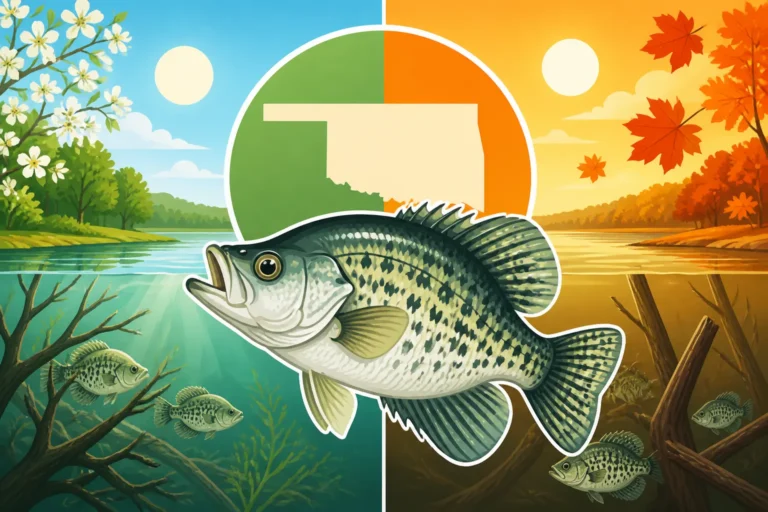
Spring and fall water temperatures in Oklahoma lakes drive predictable crappie movements and aggressive feeding behaviors.