Crappie Fishing Tips for Natural Lakes and Reservoirs
The struggle is real when you're an angler trying to consistently catch crappie in Oklahoma, especially when moving between the varied fishing grounds our state offers. One day you might be on a small, tree-lined pond that feels utterly wild, and the next you're launching into a massive reservoir with seemingly endless open water. It can feel like you need a whole new playbook for each, and honestly, in many ways, you do! This guide is here to walk you through the essential differences and adapt your crappie fishing strategies, ensuring you're successful whether you're on a tranquil natural lake or tackling one of Oklahoma's sprawling reservoirs.
Understanding the Habitat Differences: Natural Lakes vs. Reservoirs
Oklahoma's waters are diverse, and understanding the fundamental differences between what we often call "natural lakes" (which, in Oklahoma, are often smaller, older impoundments or larger ponds that behave similarly) and our colossal reservoirs is the first step to becoming a more effective crappie angler. Each type of water body presents its own unique set of challenges and opportunities for finding those tasty papermouths.
The Nuances of Natural Lake Environments
When we talk about "natural lakes" in Oklahoma, we're often referring to smaller, older impoundments, farm ponds, or maybe even oxbow lakes that feel a bit more wild and less "engineered" than our massive reservoirs. These waters typically have a more consistent, long-established type of structure. Think about decaying fallen timber along the banks, extensive stands of lily pads, cattails, and other aquatic vegetation that have been growing undisturbed for years. The contours of the bottom tend to be softer, more gradual, and less dramatic than the steep drop-offs you might find in a reservoir created by damming a river valley.
Crappie in these environments often relate very closely to this natural cover. They might school up in the shade of a large cypress tree, suspend under a thick mat of lily pads, or cruise the edges of a weed line looking for minnows and insects. Water levels in these smaller bodies of water tend to fluctuate less dramatically than in big reservoirs, meaning that the crappie's habitat remains more stable throughout the seasons. This consistency can be a blessing once you've dialed in their patterns, but finding those specific pockets within the often dense natural cover can still be a bit of a treasure hunt. You're often looking for that "sweet spot" within a larger area of cover.
Navigating Oklahoma's Vast Reservoirs
Oklahoma is famous for its massive, man-made reservoirs, and these are a different beast entirely when it comes to crappie fishing. Lakes like Eufaula, Grand Lake O' the Cherokees, Lake Texoma, and Tenkiller Ferry Lake are immense, often covering tens of thousands of acres. These lakes were created by damming river valleys, and their underwater topography reflects that history. You'll find incredibly diverse and often dramatic structure: submerged roadbeds, old creek channels winding through the depths, vast forests of standing timber that were left when the valleys were flooded, steep bluff walls, and extensive rip-rap along causeways and dam faces.
The sheer size of these reservoirs can be incredibly daunting. Where do you even begin to look for crappie? The answer often lies in understanding how crappie use these man-made features. They'll stack up on ledges along old creek channels, seek refuge and ambush points within dense standing timber, or hold tight to brush piles that anglers or nature have created. Water levels on reservoirs can fluctuate significantly due to flood control or power generation, which means crappie might move up or down the water column or relocate entirely as their preferred depth changes. This constant change adds an extra layer of complexity, but also keeps things interesting for those who love the challenge of deciphering the puzzle. How the Crappie Limit Compares to Other States
Essential Crappie Fishing Techniques for Both Water Types
While crappie are crappie, no matter where they swim, the tactics you employ to catch them will definitely shift based on whether you're targeting them in a brushy pond or a sprawling reservoir. It's all about adapting your presentation to the environment they call home and how they utilize its features.
Adapting Your Approach for Natural Cover
When you're fishing smaller, more "natural" bodies of water – those ponds, oxbows, or smaller impoundments – stealth and precision are often your best friends. Crappie in these settings tend to be less pressured but can be easily spooked in shallower, clearer water. You'll be focusing on visible structure: fallen trees, dense weed beds, lily pad fields, and the shady undersides of docks.
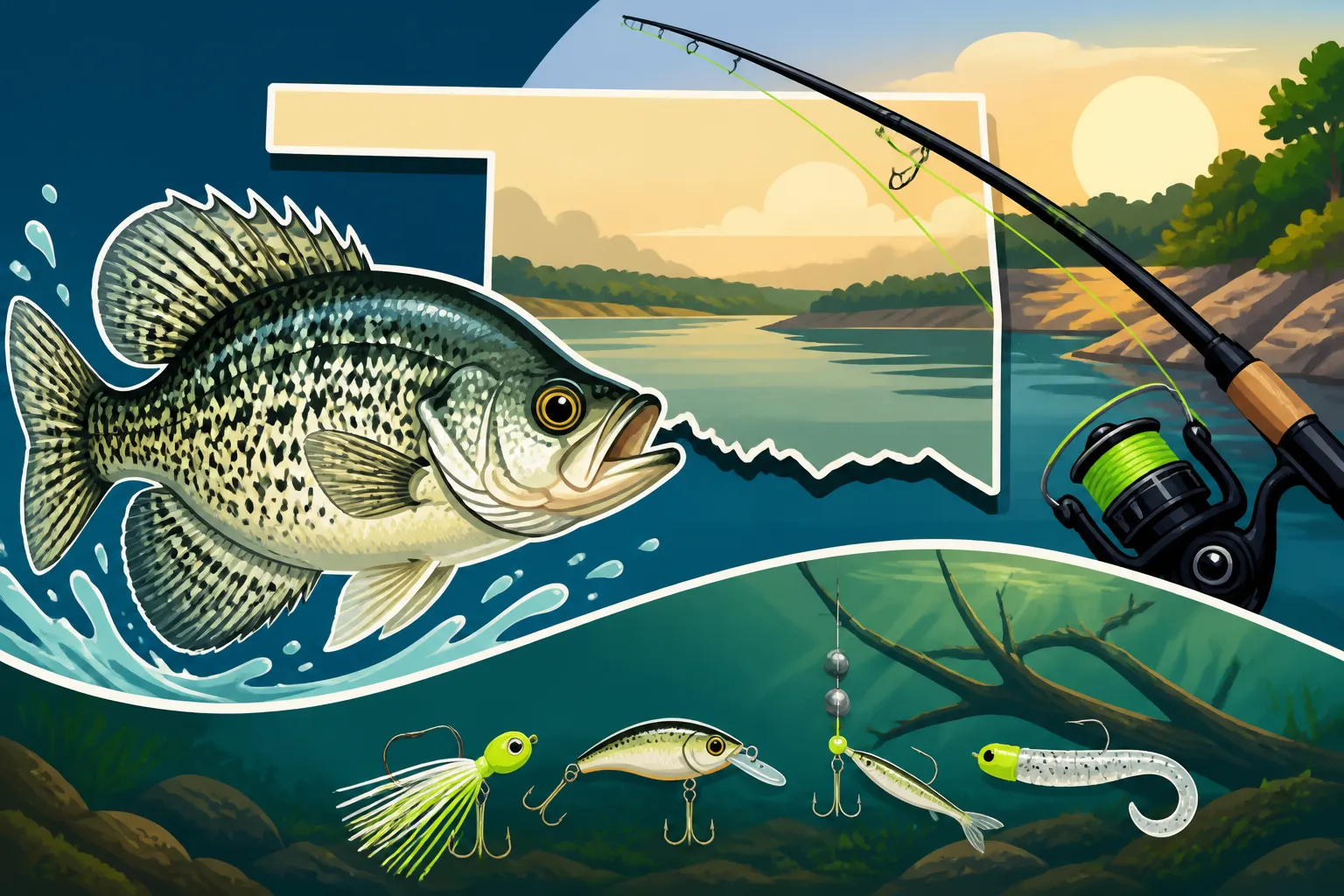
A classic technique here is simply a small jig or a live minnow suspended under a bobber. Cast it gently near the edge of a brush pile or just into an opening in the lily pads. A slip bobber can be invaluable here, allowing you to easily adjust your depth without constantly re-tying, which is perfect for probing different depths within a limited area of cover. For jigs, try small tube jigs,Bobby Garland Baby Shad, or grub-style baits in natural colors like clear with silver flake, or chartreuse in slightly stained water. Work them slowly, letting them fall naturally into the strike zone. You might even find success with ultralight spinning gear, allowing for delicate presentations and maximum feel. Remember, in these tighter spots, sometimes less is more when it comes to movement and noise. How to Jig for Crappie in Spring
Strategies for Reservoir Crappie: Covering Water and Finding Structure
Tackling crappie in Oklahoma's vast reservoirs requires a different mindset. Here, you're often looking to cover a lot of water to find schools of crappie that might be spread out or concentrated in very specific, often submerged, locations. This is where modern electronics truly shine. A good fish finder with side imaging or down imaging can be a game-changer for locating those elusive brush piles, submerged timber, or even schools of crappie holding tight to an old creek channel. You can find excellent options for these on sites like Amazon, making it easier to equip your boat for success.
Trolling is a highly effective method for covering large areas and finding active fish in reservoirs. "Spider rigging" – running multiple rods out from the front and sides of your boat at different depths – allows you to present several baits simultaneously, increasing your chances of finding the crappie's preferred depth and lure. Another popular technique is deep-water jigging, where you vertically drop jigs or minnows directly over identified structure. This is especially effective when crappie are suspended in deep water, relating to timber or humps. Don't be afraid to experiment with different jig weights and retrieve speeds until you find what triggers a bite. How to Find Crappie in Deep Water in Summer
Bait and Lure Selection Across Different Water Bodies
While crappie generally prefer smaller baits, the specific choices can definitely make a difference depending on the water you're fishing. It's less about a hard-and-fast rule and more about subtle adjustments.
In clearer, more natural lakes and ponds, natural-looking baits often get the nod. Live minnows are always a top producer, offering irresistible action and scent. Small jigs in subtle colors like clear, smoke, or light green can imitate the natural forage found in these waters. Sometimes, a tiny feather jig or hair jig can be incredibly effective when crappie are finicky. Best Crappie Jig Colors for Clear Water
For the larger, often more stained or turbid waters of reservoirs, jigs remain king, but sometimes bolder colors and slightly larger profiles can be more advantageous. Chartreuse, lime green, pink, or orange jigs can stand out better in murky water, especially when crappie are feeding aggressively. Soft plastic tubes, grubs, and small paddle-tail baits are excellent choices. Many anglers prefer baits like the Bobby Garland Baby Shad or various offerings from Crappie Magnet, which are readily available on platforms like Amazon. Don't forget that scent can also play a huge role, so applying a crappie-specific attractant to your jigs can sometimes turn a slow day into a stellar one. No matter the water, always have a variety of jig head weights on hand, from 1/32 oz for shallow, calm water to 1/8 oz or even 1/4 oz for deeper reservoir applications or windy conditions. Best Bait for Crappie in Oklahoma Reservoirs
Gear Considerations for Versatile Crappie Anglers
Just as your techniques adapt to different water bodies, so too should your gear. While you don't need a completely different setup for every single pond and reservoir, having a versatile arsenal or at least making smart choices in your primary gear can make a world of difference.
Rods, Reels, and Line: Matching Your Environment
Choosing the right rod, reel, and line is paramount for crappie success. For those smaller, more natural lakes and precision casting around tight cover, an ultralight to light action spinning rod, typically 5 to 6 feet in length, is ideal. This setup provides excellent sensitivity for feeling subtle bites and enough backbone for handling decent-sized crappie. Pair it with a small spinning reel, size 1000 or 2000, spooled with 4-6 pound monofilament or fluorocarbon line. Monofilament offers good stretch and knot strength, while fluorocarbon is virtually invisible underwater and offers increased sensitivity. Best Spinning Reel for Crappie Fishing
When you're out on the big reservoirs, especially if you plan on spider rigging or tight-lining, longer rods become incredibly beneficial. Specialized crappie rods can range from 8 to 16 feet or even longer, allowing you to spread out multiple lines and present baits over a wider area. These rods often have a light to medium-light action to protect lighter lines, yet possess enough power to control fish. For these setups, a slightly larger spinning reel might be preferred, spooled with 6-8 pound monofilament or a braided line with a fluorocarbon leader for maximum sensitivity and strength. The braid's lack of stretch is fantastic for detecting those light crappie bites in deeper water.
Electronics and Navigation for Reservoir Success
For any serious reservoir angler, electronics are no longer a luxury but a necessity. A quality fish finder with GPS and mapping capabilities can literally transform your fishing experience. These units allow you to not only see fish and structure directly beneath your boat (down imaging) but also out to the sides (side imaging). This is invaluable for locating submerged brush piles, old creek channels, and schools of crappie that might be off to the side of your boat, saving you countless hours of aimless searching.
GPS functionality lets you mark waypoints on productive spots, making it easy to return to them later, especially on vast, featureless water. High-definition mapping cards provide detailed contours and sometimes even highlight common submerged structures like roadbeds. You can find a huge variety of these advanced fish finders from reputable brands, and purchasing online through a retailer like Amazon gives you access to countless reviews and comparison tools to help you choose the best unit for your budget and needs. Learning how to interpret what your fish finder is showing you takes time, but it's an investment that pays off handsomely in crappie catches.
Essential Accessories for a Successful Crappie Trip
Beyond the core rod, reel, and electronics, a few key accessories can make your crappie trips more comfortable, productive, and safe, regardless of the water body.
- Livewell or Cooler: If you plan on keeping crappie, a good livewell keeps them fresh until you're ready to head home. If you don't have a built-in livewell, a quality cooler filled with ice can serve the same purpose.
- Landing Net: Crappie have soft mouths, and a net prevents lost fish at the boat, especially if you're using light line. A rubberized net is best as it's gentler on the fish and prevents hooks from snagging.
- Pliers/Forceps: Essential for removing hooks safely, especially if a fish swallows the bait.
- Tackle Management: A well-organized tackle box or bag keeps your jigs, weights, and hooks in order. For crappie fishing, smaller compartmentalized boxes work great for keeping different jig colors and sizes separate. You can find an array of excellent tackle storage solutions on Amazon that are perfect for keeping your crappie gear tidy.
- Sun Protection: Sunscreen, a wide-brimmed hat, and polarized sunglasses are critical for comfort and safety during long days on the water. Polarized glasses also help you spot submerged structure and even cruising crappie in clear water.
Seasonal Patterns and Specific Oklahoma Lake Insights
Understanding crappie behavior is deeply tied to the seasons and water temperature. Knowing when and where to find them throughout the year, combined with a little local knowledge about Oklahoma's unique crappie fisheries, will elevate your game considerably.
Spring and Fall: Peak Crappie Times
These are arguably the most exciting times to target crappie in Oklahoma, whether you're on a small pond or a big reservoir. In spring, as water temperatures rise, crappie move from deeper wintering holes into shallower water for their annual spawn. They'll seek out protected coves, brushy shorelines, and vegetation-rich areas. This is when they become more accessible to bank anglers and those fishing from smaller boats. Key temperatures for the crappie spawn typically range from the low to mid-60s Fahrenheit. When Do Crappie Spawn in Oklahoma Lakes? You'll find them aggressive and often stacked up, making for some fast-paced action. In natural lakes, this means focusing on the warmest, shallowest pockets with cover. In reservoirs, look for those shallow flats and protected coves off the main lake.
Fall brings another surge of crappie activity as water temperatures begin to cool, signaling the fish to feed aggressively in preparation for winter. Crappie will often move back to shallower depths, though not as shallow as the spawn, concentrating on baitfish schools that are also moving shallow. They might be found around submerged humps, ledges, or the edges of creek channels. This is a great time for trolling or casting jigs around cover. The patterns during fall can be a bit more scattered than the spring spawn, but the fish are often larger and very willing to bite.
Summer and Winter: Deep Water Tactics
While spring and fall offer the most accessible crappie fishing, you can absolutely catch them year-round in Oklahoma by adapting to their summer and winter patterns. In summer, as surface water temperatures soar, crappie retreat to deeper, cooler water. They'll seek out the thermocline (the layer where water temperature changes rapidly), suspending over deep brush piles, old creek channels, or the cooler water found around dam faces. This is prime time for vertical jigging, drop-shotting, or slow trolling with electronics to pinpoint their exact depth. Night fishing under lights can also be incredibly productive in summer, as the lights attract baitfish and, in turn, crappie to the surface. How to Find Crappie in Deep Water in Summer
Winter crappie fishing requires patience but can yield some truly impressive catches of large fish. As water temperatures drop into the 40s, crappie become sluggish and often school tightly in deep main lake channels, around standing timber, or suspended over deep brush piles. They'll often be found near the bottom. Slow, subtle presentations are key. Very small jigs, sometimes tipped with a live minnow, worked almost imperceptibly are often what it takes. Ice fishing, while not as prevalent in Oklahoma as in northern states, can be an option on some smaller, shallower bodies of water during extended cold snaps.
Local Hotspots and Notable Regulations
Oklahoma boasts numerous fantastic crappie fisheries. On the reservoir front, Lake Eufaula is a legendary crappie lake, offering vast expanses of timber and submerged structure. Grand Lake O' the Cherokees is another powerhouse, particularly known for its abundance of crappie relating to docks and bridge pilings. Lake Texoma, while famous for stripers, also holds excellent crappie populations, particularly in its many coves. Other notable reservoirs include Tenkiller Ferry Lake, Fort Gibson Lake, and Hudson Lake, all of which have strong crappie fisheries.
When fishing any of these lakes, it's absolutely crucial to be aware of specific regulations. While Oklahoma has a statewide crappie bag limit, several lakes have stricter rules in place to manage their populations effectively. For example, you'll find different crappie limits at Arbuckle Lake, Hudson Lake, Tenkiller Ferry Lake, Fort Gibson Lake, and Grand Lake. These might include a lower daily bag limit or a minimum length limit, such as the 10-inch minimum at Hudson, Tenkiller, and Fort Gibson. Always check the current Oklahoma Fishing Regulations before you head out, as these rules can change and vary by specific body of water. Ignorance of the law is no excuse, and a game warden will enforce the rules whether you're fishing a small pond or a massive reservoir. Oklahoma Statewide Crappie Bag Limit Stricter Crappie Limits at Six Oklahoma Lakes Fort Gibson Lake's Ten-Inch Crappie Rule Explained Hudson Lake's Ten-Inch Crappie Limit Explained Tenkiller Ferry Lake's Ten-Inch Crappie Limit Explained Black Crappie vs White Crappie: How to Tell Them Apart
No matter which type of water you prefer, a successful crappie trip in Oklahoma boils down to preparation, observation, and adaptability. By understanding the environment, selecting appropriate techniques and gear, and staying informed about local regulations, you'll be well on your way to filling your cooler with those delicious papermouths.
| Feature / Type of Water | Natural Lakes (Ponds, Smaller Impoundments) | Large Reservoirs (Eufaula, Grand, Texoma) |
|---|---|---|
| Typical Structure | Decaying timber, lily pads, weed beds, natural contours, older docks | Standing timber, submerged creek channels, roadbeds, humps, rip-rap, steep bluffs |
| Water Level | More stable, less fluctuation | Can fluctuate significantly due to flood control/power generation |
| Visibility | Often clearer, but can be stained | Varies greatly, can be clear to very stained/muddy |
| Primary Techniques | Precise casting, bobber fishing, stealth jigging, bank fishing | Trolling (spider rigging), deep-water jigging, using electronics to find structure |
| Bait/Lure Focus | Live minnows, small jigs (natural colors), subtle presentations | Jigs (bolder colors in stained water), soft plastics, minnows (often trolled or vertically jigged) |
| Key Gear | Ultralight spinning rod (5-6 ft), small spinning reel, simple tackle box | Fish finder with GPS/Side Imaging, long crappie rods, larger spinning reels, advanced tackle organization |
| Seasonal Movement | More predictable, relate to established cover | Highly influenced by water levels and vast submerged structures |
Disclaimer
This article is for general informational purposes only and does not constitute professional advice. Laws, prices and regulations vary by location and change over time. Consult a qualified professional for guidance on your specific situation.