Do Oklahoma Reservoirs Hold More Black or White Crappie?
It's a question many Oklahoma anglers ponder: when you're out on one of our fantastic reservoirs, are you more likely to hook into a black crappie or a white crappie? It can feel like a mystery sometimes, especially when both species are known to inhabit the same waters. This guide aims to clear up that confusion, exploring the preferences and habits of both crappie types so you know what to expect and how to target them effectively across our beautiful state.
Understanding Oklahoma's Crappie Species
Crappie fishing in Oklahoma is a beloved pastime, and for good reason. These panfish are abundant, delicious, and offer a fun challenge for anglers of all skill levels. However, many people don't realize there are two distinct species thriving in our waters: the black crappie and the white crappie. While they share some similarities, their subtle differences in appearance, habitat preferences, and behavior can significantly impact your fishing success. Knowing these distinctions is key to understanding which one might be more prevalent in any given reservoir.
Black Crappie Characteristics and Habitat
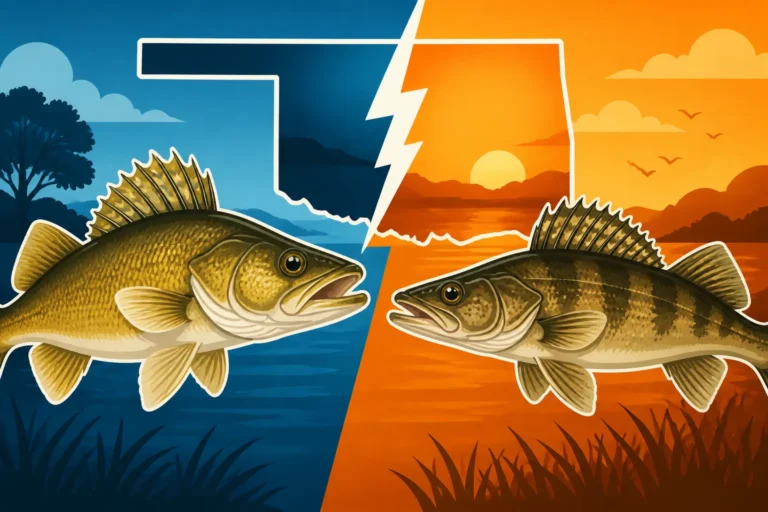
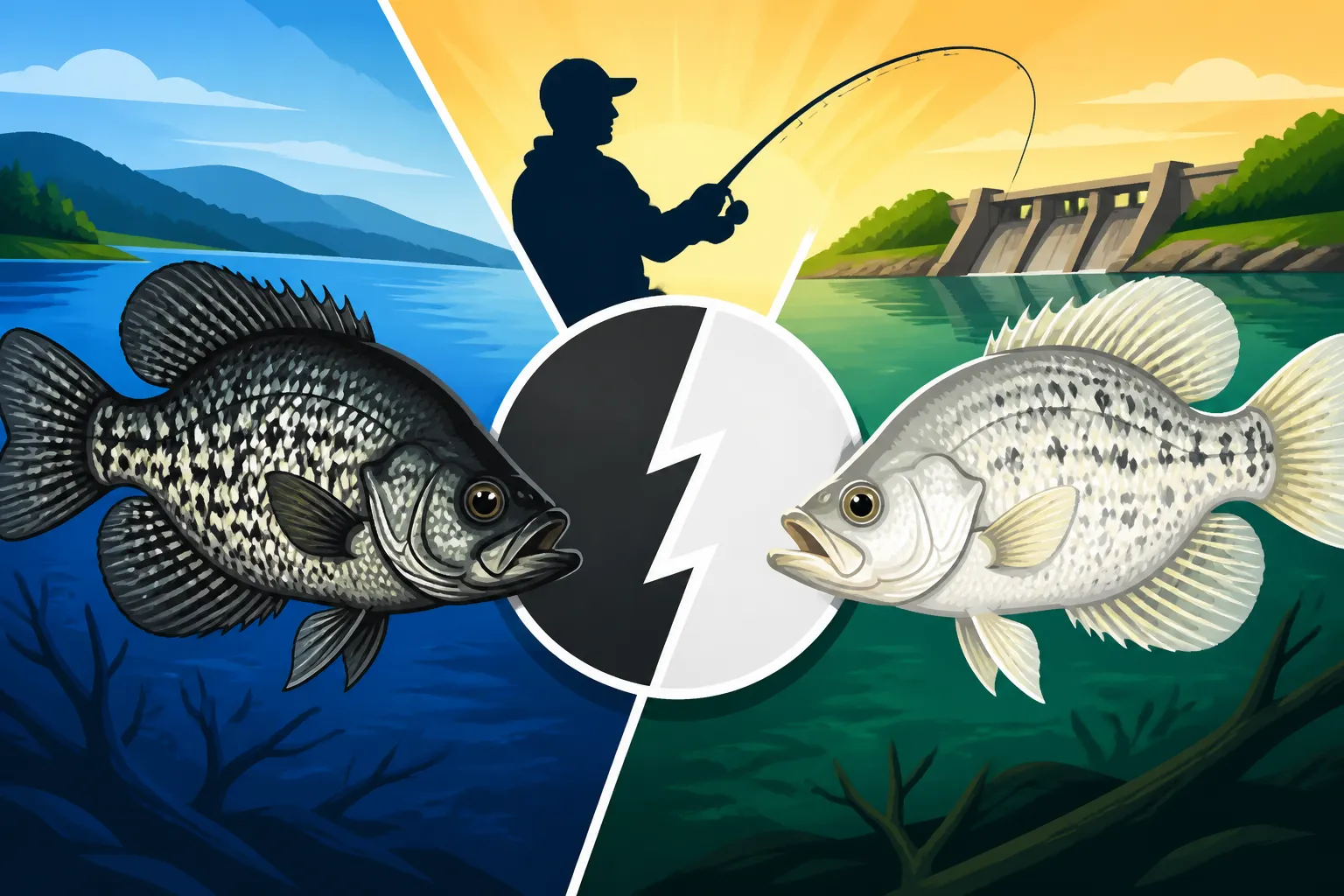
Black crappie, often nicknamed "papermouths" for their delicate mouths, are generally recognized by their darker, mottled appearance. Their spots are irregularly scattered across their body, giving them a speckled look. A key identifying feature is the number of dorsal fin spines: black crappie typically have 7 or 8. They also tend to have a deeper, more compressed body shape than their white crappie cousins.
When it comes to where they like to hang out, black crappie are real homebodies when it comes to structure. They absolutely love clear water with plenty of vegetation, submerged brush piles, standing timber, and rock formations. Think of them as the introverts of the crappie world – they prefer hiding out in dense cover where they feel safe and have ambush points for passing prey. Because of this preference for clearer, more structured environments, you'll often find them congregating in specific areas rather than roaming open water. They thrive in lakes with good water quality and lots of places to hide, making them a common sight in many of Oklahoma's pristine reservoirs. Learning to distinguish them is part of the fun, as covered in Black Crappie vs White Crappie: Key Differences for Oklahoma Anglers.
White Crappie Characteristics and Habitat
White crappie, on the other hand, are typically lighter in color, often silvery or pale green, with distinct vertical bars or stripes running down their sides. These bars are usually quite clear and organized, unlike the random speckling of a black crappie. If you count the dorsal fin spines on a white crappie, you'll usually find 5 or 6, which is a reliable way to differentiate them from black crappie. Their bodies also tend to be a bit more elongated and streamlined compared to the deeper-bodied black crappie.
White crappie are often considered the more tolerant and adaptable of the two species. While they also appreciate structure, they are much more comfortable in slightly murkier or turbid waters, and they don't always demand the dense cover that black crappie seek. You'll frequently find them in larger, more open reservoirs, river backwaters, and even some slow-moving rivers. They are more apt to roam in schools, suspending in open water or along creek channels, especially when chasing baitfish. This adaptability to a wider range of water conditions means they can thrive in places where black crappie might struggle, making them incredibly widespread across Oklahoma. If you're wondering How Many Crappie You Can Keep in Oklahoma, remember that bag limits often apply to both species combined.
Factors Influencing Crappie Distribution in Oklahoma Reservoirs
The question of whether black or white crappie are more prevalent in Oklahoma reservoirs isn't a simple "yes" or "no" answer. It's heavily influenced by several environmental factors unique to each body of water. Oklahoma has a diverse range of lakes, from clear, rocky highland reservoirs to vast, turbid lowland impoundments, and each offers different conditions that favor one species over the other, or sometimes, both equally.
Water Clarity and Vegetation
Water clarity is perhaps the most significant factor. Black crappie, as mentioned, are visual feeders that prefer clearer water where they can ambush prey from dense cover. In reservoirs like Broken Bow Lake or Tenkiller Ferry Lake, which are known for their clear waters and abundant timber, black crappie populations often flourish. The visibility allows them to spot their prey more easily and use the structure for protection. You might find them tucked away in hydrilla beds or around submerged cedar trees, just waiting for a minnow to swim by. This preference makes clear, structured lakes ideal for targeting black crappie.
Conversely, white crappie are much more tolerant of stained or turbid water. Lakes with higher levels of suspended sediment or a "murkier" complexion, like many of our larger, older reservoirs such as Lake Eufaula or Keystone Lake, often have thriving white crappie populations. These lakes might not have the crystal-clear conditions black crappie crave, but white crappie can still forage effectively in lower visibility. They're not as dependent on dense vegetation for ambush points and can thrive in more open water, using subtle changes in bottom contour or brush piles as their primary structure. This adaptability allows them to dominate in many of Oklahoma's vast, siltier impoundments.
Lake Size and Structure
The sheer size and type of structure present in a reservoir also play a huge role. Large, expansive reservoirs with vast open water areas and extensive creek channels, but perhaps less dense shoreline vegetation, often lean towards favoring white crappie. These areas are ideal for schooling fish that roam to find food. White crappie are well-suited to suspending in open water or staging along deep ledges, making them a common catch in many of Oklahoma's larger lakes. You might find them in big schools out on the main lake points or suspended over humps.
Smaller, more intimate lakes or reservoirs with abundant standing timber, rocky points, and numerous coves with submerged cover are often prime black crappie territory. These fish utilize every piece of structure available, from fallen trees to bridge pilings, to hide and hunt. If a reservoir has a lot of diverse cover and habitat complexity, chances are you'll find a healthy population of black crappie. When planning a trip, checking out a guide like Oklahoma's Best Crappie Lakes can help you determine which lakes might favor one species over the other. Knowing the specific conditions of a lake, you can often predict which crappie species will be more common.
The Dominant Crappie: A Reservoir-Specific Answer
So, back to the big question: do Oklahoma reservoirs hold more black or white crappie? The most honest answer is, it truly depends on the specific reservoir you're fishing. However, if we're talking about the overall crappie population across the entire state, and considering the vast number of large, somewhat turbid reservoirs in Oklahoma, white crappie tend to be more widespread and arguably more abundant in sheer numbers across a broader range of waters.
White Crappie: The Widespread Generalists
White crappie are often considered the generalists of the crappie world. Their tolerance for varying water clarities and their tendency to utilize more open-water habitats mean they can thrive in a wider array of Oklahoma's reservoirs. From the expansive waters of Lake Eufaula, often called "Oklahoma's Gentle Giant for Bass and Crappie," to the major impoundments along the Arkansas River system, white crappie find suitable homes. They are often the dominant species in lakes that might experience higher levels of turbidity due to agricultural runoff or seasonal floods, conditions that might deter black crappie. Their schooling behavior also means that when you find them, you often find a lot of them, leading to those legendary "crappie limits" everyone dreams about.
They are less picky about their immediate surroundings and will move freely to follow baitfish schools, making them a favorite target for anglers who prefer to troll or search large areas with their electronics. This adaptability has allowed white crappie to colonize and dominate in a greater percentage of Oklahoma's diverse aquatic environments, making them a very reliable catch for many anglers across the state.
Black Crappie: The Clear Water Specialists
While white crappie might be more widespread, black crappie are certainly not uncommon. They are the prized catch in specific types of Oklahoma reservoirs, particularly those in the clearer, often eastern and southeastern parts of the state. Lakes like Tenkiller Ferry Lake, Broken Bow Lake, and even parts of Grand Lake O' the Cherokees, with their abundant timber and clearer water, are absolutely teeming with healthy black crappie populations. These lakes cater to the black crappie's preference for dense cover and visual hunting.
Anglers targeting black crappie often focus on specific structures – sunken brush, standing timber, or dense aquatic vegetation. These fish provide an excellent challenge and are highly sought after for their robust fighting spirit and delicious meat. So, while white crappie might win the numbers game across the state, black crappie certainly hold their own, and even dominate, in their preferred clear-water, structured havens. For specific lake rules, remember that Stricter Crappie Limits at Six Oklahoma Lakes can apply to both species.
Practical Angling Tips for Both Crappie Species
No matter which crappie species you're chasing, having the right approach makes all the difference. Understanding their preferences helps you refine your techniques and increase your chances of a successful day on the water.
Targeting White Crappie
When you're out looking for white crappie, think "open water" and "mobility." They often suspend in schools along creek channels, over humps, or near main lake points. A good fish finder is an invaluable tool for locating these schools. Once you find them, vertical jigging with small jigs or using minnows under a slip bobber are highly effective methods. Trolling with multiple rods, covering a wide area, is also a fantastic way to find scattered schools of white crappie. They tend to be less shy than black crappie and will often strike aggressively. When it comes to gear, light spinning tackle with 4-6 pound test line is usually sufficient. You'll find a wide variety of effective jigs and minnow rigs on Amazon, perfect for chasing those hungry white crappie.
Consider areas where there's current, like below dams or in riverine sections of reservoirs, as white crappie are more tolerant of moving water. They'll often stage in these areas, waiting for baitfish to be swept past. Remember to always check the local Crappie Fishing Rules and Limits in Oklahoma before heading out, as regulations can vary by lake.
Targeting Black Crappie
For black crappie, your approach should be more focused and stealthy. These fish are all about structure and cover. You'll want to target submerged brush piles, standing timber, rocky outcroppings, and dense weed beds. A boat equipped with side imaging or down imaging sonar can be a game-changer for pinpointing these hidden crappie hotels. Once you've located a promising piece of structure, presentations should be precise. Vertical jigging directly into the cover with small jigs or live minnows is incredibly effective. Tipping a jig with a minnow is often irresistible to a black crappie.
Since black crappie prefer clearer water, line visibility can sometimes be an issue, so consider using fluorocarbon leaders if you're getting a lot of refusals. They can be a bit more finicky than white crappie, sometimes requiring a more subtle presentation, but once you find their hideout, the action can be fast and furious. Don't be afraid to experiment with different jig colors and sizes – a good selection of these can easily be acquired through Amazon to have on hand for varying conditions. You can delve deeper into year-round strategies in Crappie Fishing Techniques and Seasonal Patterns in Oklahoma.
Crappie Comparison Table
Here's a quick comparison to help you distinguish and target both species:
| Feature | Black Crappie | White Crappie |
|---|---|---|
| Appearance | Darker, mottled spots, deeper body | Lighter, distinct vertical bars, more elongated |
| Dorsal Fin Spines | 7-8 | 5-6 |
| Preferred Water | Clearer, less turbid | Tolerant of turbid/stained water |
| Preferred Habitat | Dense submerged structure (timber, brush, vegetation) | Open water, creek channels, scattered brush |
| Behavior | Structure-oriented, often solitary or small groups | Schools more often, roam more widely |
| Foraging | Ambush predator from cover | Active hunter in open water and structure |
| Common Lures | Small jigs, minnows, tiny crankbaits | Jigs, minnows, small crankbaits, spider rigging |
| General Abundance | Common in specific, clearer lakes | More widespread across a variety of Oklahoma lakes |
Ultimately, whether you're catching black crappie or white crappie in Oklahoma's reservoirs, you're in for a treat. Each species offers a unique angling experience, and understanding their individual preferences is the key to maximizing your success and enjoyment on the water.
Disclaimer
This article is for general informational purposes only and does not constitute professional advice. Laws, prices and regulations vary by location and change over time. Consult a qualified professional for guidance on your specific situation.