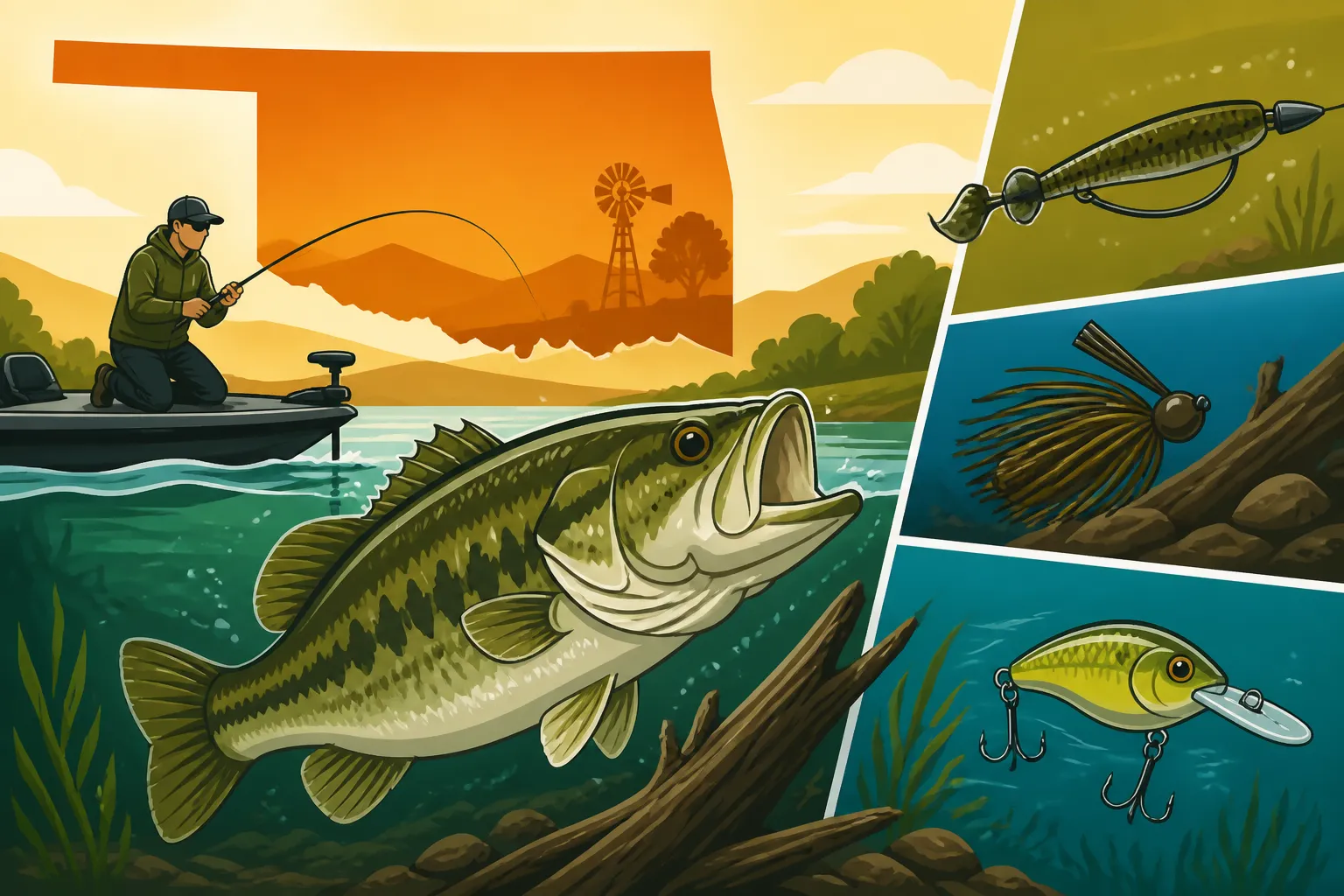
Post-Spawn Bass Fishing Techniques Explained
That period right after the bass spawn can feel like hitting a brick wall for many anglers. One day you're targeting big, aggressive females on beds, and the next, it's like all the fish have vanished into thin air. That sudden shift in behavior and location is incredibly frustrating, leaving many of us scratching our heads and wondering where we went wrong. This comprehensive guide is here to shed light on exactly what happens to bass after the spawn in Oklahoma and, more importantly, equip you with the techniques and insights to keep those lines tight and reels singing throughout this often-challenging post-spawn transition.
The Immediate Aftermath of the Spawn: Recovery and Relocation
The spawn is a truly exhausting time for largemouth and smallmouth bass. Think about it: they've spent weeks building nests, guarding eggs, and fiercely protecting their fry from predators. This intense period of activity, often coupled with minimal feeding, leaves them physically depleted and in dire need of recovery. They’re not just tired; their bodies have been under significant stress. This is why you don't typically find them lingering in those shallow spawning beds once the job is done. Their priority immediately shifts to recuperation and replenishing their energy stores.
Post-Spawn Bass Are Hungry, But Wary
While it might seem contradictory, these exhausted bass are indeed hungry. They've burned through a tremendous amount of energy during the spawn, and their bodies are signaling a critical need to refuel. However, this hunger doesn't necessarily translate into aggressive, reckless feeding. Instead, they often become more wary, preferring easier meals and expending less energy to catch them. This often means they'll seek out larger, slower-moving prey or ambush opportunities rather than chasing down fast-moving baits across open water. It's a strategic hunger, aimed at maximum calorie intake for minimal effort, which makes your bait selection and presentation even more critical.
After their recovery, their primary instinct is to find good food sources and put on weight. This is a crucial distinction from the pre-spawn frenzy, where they were bulking up for the spawn, or the spawn itself, where hunger was secondary to reproduction. Now, it's all about eating efficiently and regaining their strength. Understanding this metabolic need is key to anticipating their movements and selecting the right lures. They're still game fish, and they will bite, but they're often picky about what they'll commit to.
Transitioning from Shallow Water to Deeper Haunts
Once the immediate post-spawn recovery phase begins, bass don't just disappear; they relocate. Their journey takes them from the shallow flats and coves where they spawned, often towards deeper, more stable environments. This move isn't usually a direct sprint to the deepest part of the lake; it's a gradual migration, often following underwater contours and structure. Think of it as moving from their nursery to their summer vacation home. This "vacation home" typically offers cooler water, more consistent oxygen levels, and better access to schools of baitfish, which have also been busy spawning in the shallower areas.
This transition often occurs along distinct paths. You'll find them using points, ledges, and the edges of creek channels as underwater highways. These areas provide both cover and convenient ambush points for passing baitfish. In larger Oklahoma reservoirs like Lake Texoma or Lake Eufaula, these transition zones can be quite expansive, making accurate navigation and understanding underwater topography essential. It's not uncommon to find bass holding on the first significant drop-off or the bend in a creek channel just outside a major spawning flat. They’re still close enough to the areas they just left but moving towards their deeper summer residence.
Where to Find Post-Spawn Bass in Oklahoma
Finding post-spawn bass really boils down to thinking like a fish: where would you go to recover, feed easily, and feel secure after a marathon? In Oklahoma’s diverse waters, this means shifting your focus from the obvious shallow spawning pockets to the slightly deeper, often overlooked, transition areas. These fish aren't gone; they've simply moved to their next phase of their seasonal pattern.
Targeting Secondary Points and Creek Channel Bends
Secondary points, especially those that extend into creek channels, are absolutely dynamite spots for post-spawn bass. Think of these as staging areas where bass gather before making their full migration to deep summer haunts. After leaving the shallow flats, many bass will linger on these points that offer slightly deeper water, often with some rock or timber for cover. They can suspend just off the point, waiting for shad or sunfish to swim by, or relate directly to the structure. This is particularly true in lakes like Grand Lake O' the Cherokees, where numerous creek arms feed into the main lake.
Creek channel bends are another prime location. As bass move from the shallow spawning grounds, they often follow these natural contours, which provide a clear path to deeper water. The bends in these channels are fantastic ambush points because they create current breaks and often accumulate debris, forming excellent cover. Furthermore, baitfish, like shad, also use these channels for travel, creating a ready food source. Look for bends that have brush piles, isolated stumps, or even small humps on the inside or outside turn. The combination of depth, cover, and a travel route for both predator and prey makes these spots irresistible to recovering bass.
Locating Deeper Ledges and Brush Piles
As the post-spawn period progresses and water temperatures continue to climb, especially into Oklahoma's hot summer months, bass will migrate to even deeper structure. Ledges become critical. These are distinct changes in depth, often forming terraces or stair-steps on the lake bottom. Bass will position themselves on the top edge, the face, or the bottom of these ledges, depending on current, baitfish presence, and their activity level. They use these depth changes as vertical highways and ambush points. Using your electronics to identify subtle changes in contour and depth is absolutely essential for locating these fish.
Brush piles, whether natural or man-made, are also goldmines for post-spawn bass, particularly when found on or near ledges, points, or creek channels. These submerged havens offer bass essential cover from the sun, protection from predators, and an ideal ambush point for baitfish. Many anglers use their sonar to scan for these submerged structures. When you find a good brush pile in 15-25 feet of water, especially if it’s adjacent to a channel or point, you've likely found a holding spot for several post-spawn bass. You might even find yourself buying new braided line off Amazon after hitting a few snags in dense cover.
Finding Shad and Other Forage Concentrations
Ultimately, bass are where the food is. During the post-spawn, schools of shad, bluegill, and other baitfish become critical indicators of where bass are holding. Shad, in particular, will often spawn themselves in shallower coves and then begin to move into deeper, more open water, often suspending over ledges or deeper flats. Bass will follow these schools religiously. If you can locate large concentrations of baitfish on your fish finder, there’s a very good chance that bass are nearby, either actively feeding or waiting for an opportunity.
Observing surface activity can also give you clues. Look for subtle splashes, ripples, or even birds diving into the water, indicating active baitfish. On some of Oklahoma’s larger lakes, like Kaw Lake or Broken Bow Lake, you might even see large "bait balls" on your sonar. Bass won't be far from these, often positioned beneath or around the edges of the schools, picking off stragglers. Understanding the movements and patterns of baitfish is just as important as understanding the bass themselves during this phase.
Top Baits and Lures for Post-Spawn Bass
Successfully catching post-spawn bass often comes down to matching your presentation to their mood and location. They’re usually not as aggressive as during the pre-spawn, but they are hungry and will react to the right offerings. The key is often to provide a tempting meal that doesn’t require too much effort on their part.
Soft Plastics: Worms and Jigs for Deeper Water
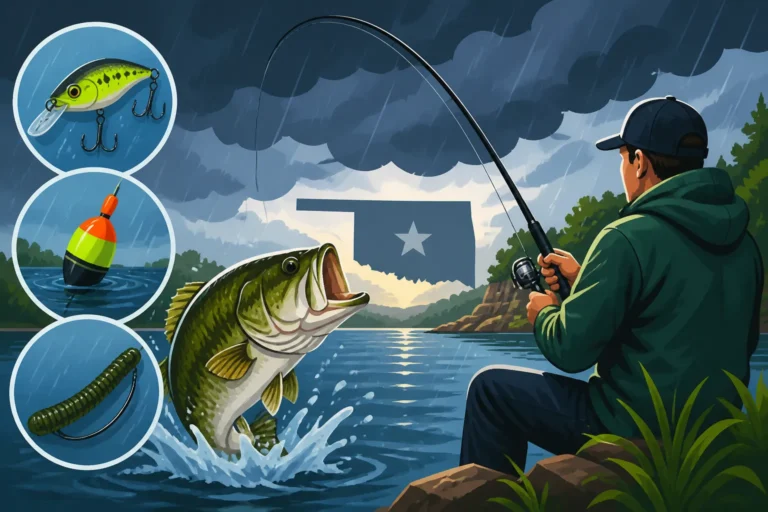
Soft plastic worms are undeniably a staple for post-spawn bass. Whether you're fishing a Texas rig, Carolina rig, or a shaky head, a well-presented worm mimics a natural forage item and offers a subtle, enticing meal. For bass recovering from the spawn, a slower fall and a more natural action can be irresistible. Consider larger worms, 7-10 inches, especially when targeting bigger bass that are looking to bulk up. Colors like green pumpkin, junebug, and plum are perennial favorites in Oklahoma waters. The Texas rig, in particular, is excellent for working through submerged brush piles and timber without getting snagged. You can pick up a wide variety of these worms and related tackle on Amazon.
Jigs, especially football jigs or skirted jigs paired with a crawfish-imitating trailer, are also incredibly effective. Jigs allow you to maintain bottom contact, which is crucial when bass are holding tight to ledges, rocks, or brush. A slow drag-and-hop retrieve often triggers strikes from lethargic bass. The bulky profile of a jig and trailer presents a substantial meal, perfect for bass trying to regain energy. Focus on pitching jigs into dense cover or dragging them along the edges of deep structure. The key is patience; let the jig do the work, mimicking a crawfish or other bottom-dwelling prey.
Reaction Baits for Active Fish in Transition Zones
While slower presentations are often key, there are times when post-spawn bass will actively chase. Crankbaits are excellent for covering water and triggering reaction strikes, particularly when bass are suspended over transition areas like points or creek channels. Medium-diving crankbaits that reach depths of 8-15 feet are often ideal for probing these areas. Colors that mimic shad or crawfish are usually the most productive. The deflection of a crankbait off a stump or rock can often be the trigger that causes a hesitant bass to strike.
Spinnerbaits and bladed jigs (like a ChatterBait) are also fantastic for searching out active post-spawn bass, especially when there’s a bit of wind or stained water. The flash and vibration of these baits can call fish in from a distance, appealing to their lateral line. Work them over submerged grass beds, around the edges of brush piles, or along secondary points. Tandem willow leaf blades or a combination of willow and Colorado blades offer different flash and vibration profiles, allowing you to adapt to the conditions. These baits are particularly effective during the earlier stages of the post-spawn when bass are starting to regain their aggression.
Topwater Lures for Early Morning and Evening Bites
As water temperatures climb, topwater fishing becomes an absolute blast during the post-spawn, particularly in the low-light hours of dawn and dusk, or on cloudy days. Poppers, walking baits (like a Zara Spook), and hollow-bodied frogs are excellent choices. Bass that have recovered from the spawn often move into shallower areas to feed under the cover of darkness or low light, before retreating to deeper water as the sun gets high. These topwater lures create irresistible disturbances on the surface, mimicking injured baitfish or frogs.
Hollow-bodied frogs are especially effective when bass are holding in thick cover, such as lily pads, matted vegetation, or heavy hydrilla beds. They are virtually weedless, allowing you to cast into places where other lures would instantly snag. The explosion of a bass hitting a frog in dense cover is one of the most exciting bites in fishing! For open water or around sparse cover, walking baits and poppers can draw strikes from surprising distances. Always be patient and let the fish fully commit before setting the hook.
| Lure Type | Best Application | Ideal Depth (Feet) | Conditions | Retrieve Style |
|---|---|---|---|---|
| Soft Plastics | Deep structure, brush, ledges, slow bite | 10-30+ | Clear to stained water, calm to light wind | Slow drag, hop, shake |
| Jigs | Bottom contact, heavy cover, crawfish imit. | 8-25 | Clear to stained water, calm to light wind | Drag, hop, pitch |
| Crankbaits | Covering water, transition areas, reaction | 5-15 | Clear to stained water, moderate wind | Steady retrieve, occasional pause |
| Spinnerbaits | Stained water, wind, cover, reaction | 3-12 | Stained to muddy, windy to choppy water | Steady retrieve, slow roll |
| Bladed Jigs | Grass lines, wood cover, reaction | 3-15 | Stained water, wind, overcast | Steady retrieve, rip & pause |
| Topwater Lures | Low light, shallow cover, active fish | 0-3 | Calm water, low light, overcast | Walk, pop, twitch |
Advanced Strategies for Tough Post-Spawn Days
Let’s be honest, not every post-spawn day is a banner day. Sometimes the bass are just plain finicky, especially if they’re heavily pressured or facing fluctuating weather conditions. This is when you need to dig deep into your bag of tricks and employ some more refined techniques.
Finesse Techniques for Highly Pressured Fish
When the bite gets tough, finesse fishing often saves the day. Bass that have seen every crankbait and spinnerbait in the tackle shop might shy away from aggressive presentations, but they can be tempted by subtle, natural-looking baits. The drop shot rig is a prime example. It allows you to present a small worm or creature bait off the bottom, directly in the strike zone, with minimal movement. This is incredibly effective when bass are suspended over deep structure or holding tight to brush piles and are reluctant to chase. It's a game-changer for those post-front conditions where fish become extremely lethargic. You can learn more about how to set up various rigs in our guide on how to rig a Texas rig for bass.
Another killer finesse technique is the Neko rig. This is essentially a wacky-rigged worm with a small nail weight inserted into one end, causing the worm to sink vertically with a subtle, enticing wiggle. It’s fantastic for skipping under docks or pitching into sparse cover where you need a more controlled fall. When bass are schooling on offshore humps or ledges, a football jig paired with a small, subtle plastic trailer can also be considered a finesse presentation if worked slowly and meticulously. These techniques are about patience and precision, appealing to the bass’s natural curiosity and hunger without overwhelming them.
Mastering the Timing: Early Morning and Late Evening Bites
Just like us, bass prefer to do their heavy lifting when it's cooler, especially as Oklahoma heads into its sweltering summer. This means the prime feeding windows often shrink to the early morning hours, right at dawn, and again during the late evening, as the sun dips below the horizon. During these periods, water temperatures are at their coolest, and baitfish are often more active, moving into shallower areas. This is when you'll find bass venturing out from their deeper haunts to ambush prey. These low-light conditions also provide bass with a tactical advantage, as their vision is often better than their prey’s in dim light.
Planning your trips around these critical times can significantly increase your success. While a midday bite can happen, particularly on cloudy days or after a cold front has stabilized, consistent action during the post-spawn is almost always concentrated around these bookends of the day. Consider dedicating your efforts to topwater lures and reaction baits during these windows, then switching to deeper, slower presentations once the sun climbs high. This strategy aligns perfectly with how bass naturally behave and is a cornerstone of effective post-spawn fishing. Learning about the best time of day to fish Oklahoma lakes in summer can certainly improve your odds.
Adapting to Oklahoma's Summer Heat and Water Levels
Oklahoma summers are no joke. High temperatures can drastically impact water quality, oxygen levels, and, consequently, bass behavior. As surface waters heat up, bass often seek out thermal refuges in deeper, cooler water, or areas with stronger current and better oxygenation, such as below dams or in the main lake river channels. This is where those deep ledges, brush piles, and creek channels become even more vital. Understanding how water temperature affects bass spawning in Oklahoma is a good foundation, but it’s just as important to recognize its impact post-spawn.
Water levels can also fluctuate dramatically in Oklahoma's reservoirs, especially with summer rains or drought conditions. High water can push bass into newly flooded cover, while falling water can pull them off the banks and concentrate them on outer weed lines or deeper structure. Always check local lake conditions and current patterns before heading out. Sometimes, adjusting your target depth by just a few feet or moving to a different section of the lake that is less affected by changing levels can make all the difference. Learning how to read the water, understand weather patterns, and adapt your presentation based on these environmental factors is crucial for consistent post-spawn success. For instance, in our guide on Best Bass Lures for Summer Fishing, you’ll find that deeper-diving lures and jigs are often more effective.
Essential Gear for Post-Spawn Anglers
Having the right tools for the job can make a world of difference when chasing post-spawn bass. You don't need to break the bank, but investing in a few key items will pay dividends in terms of efficiency and success.
Rods, Reels, and Line for Various Techniques
For soft plastics and finesse techniques, a medium-heavy spinning rod (7' to 7'3") paired with a 2500-3000 size spinning reel spooled with 10-15 lb braided line and an 8-12 lb fluorocarbon leader is a versatile setup. This combination offers excellent sensitivity for detecting subtle bites and enough backbone to handle larger bass. The braid provides casting distance and strength, while the fluorocarbon leader offers invisibility in clear water. This setup is perfect for shaky heads, drop shots, and lighter Texas rigs. If you're looking for recommendations, our guide on Best Rod for Largemouth Bass Fishing offers some great insights.
When it comes to jigs, crankbaits, and spinnerbaits, a medium-heavy baitcasting rod (6'10" to 7'4") with a fast action is ideal. Pair this with a high-quality baitcasting reel with a gear ratio between 6.3:1 and 7.1:1, spooled with 15-20 lb fluorocarbon or monofilament. Fluorocarbon offers sensitivity and less stretch, which is great for detecting bites and setting hooks with jigs, while monofilament can be more forgiving for treble hook baits like crankbaits. The heavier setup gives you the power to cast larger lures, work fish out of cover, and make strong hooksets.
Electronics and Maps for Offshore Dominance
In the post-spawn, especially as bass move deeper, electronics transition from being a luxury to an absolute necessity. A good fish finder with down imaging and side imaging capabilities will dramatically improve your ability to locate offshore structure, identify brush piles, and even spot individual bass or schools of baitfish. Brands like Garmin, Lowrance, and Humminbird offer a range of options suitable for different budgets. Being able to "see" what's below and to the sides of your boat allows you to make precise casts and understand the contours of the lake bottom without endless, blind casting. Take a look at Fish Finder Features That Matter Most on Oklahoma Reservoirs to see what features are most beneficial.
Beyond the sonar, detailed mapping chips or apps are invaluable. Navionics and LakeMaster charts provide contour lines that show ledges, humps, and creek channels, allowing you to pre-plan your attack and navigate confidently. These maps are particularly useful on large bodies of water like Lake Eufaula, where underwater terrain can be complex. Understanding the topography before you even drop a line gives you a significant advantage, helping you identify prime areas where post-spawn bass are likely to congregate. Many modern fish finders integrate these mapping capabilities directly, offering an all-in-one solution that you can find available on Amazon.
A Note on Oklahoma's Bass Fishing Rules and Limits
Before you head out to chase those post-spawn bass, it’s absolutely vital to be familiar with Oklahoma's bass fishing rules and limits. Regulations can vary not only by species (largemouth, smallmouth, spotted bass) but also by specific lakes or river systems. The statewide daily limit for black bass (largemouth, smallmouth, and spotted bass combined) is generally 6, with only one bass over 16 inches allowed. However, many lakes, like Tenkiller Ferry Lake, have unique regulations, such as a 16-inch minimum length limit on largemouth and smallmouth bass. It’s always best to check the current Oklahoma Fishing Guide provided by the Oklahoma Department of Wildlife Conservation (ODWC) before each trip. This ensures you’re fishing legally and contributing to the conservation of these incredible fisheries for future generations of anglers. You can dive deeper into these specifics in our comprehensive guide on Oklahoma's Bass Fishing Rules and Limits.
Conclusion
The post-spawn period doesn't have to be a mystery or a time of frustration for Oklahoma bass anglers. By understanding the bass's need for recovery, their migration patterns to deeper, more stable environments, and by adapting your techniques to their post-spawn mood, you can continue to enjoy productive days on the water. From slowing down your presentations with soft plastics and jigs, to strategically using reaction baits and topwaters during prime feeding windows, there's a technique for every situation. Couple these strategies with the right gear and a keen awareness of local regulations, and you'll unlock the secrets to consistent post-spawn bass success, even as the Oklahoma summer heats up.
Disclaimer
The information provided in this article is for general guidance and informational purposes only. Fishing regulations and conditions in Oklahoma can change frequently. Always consult the official Oklahoma Department of Wildlife Conservation (ODWC) regulations and local advisories before engaging in any fishing activities. Ensure you have all required licenses and safety equipment.