Striped Bass vs White Bass: What’s the Difference
There's nothing quite like the rush of a powerful strike when you're out on the water in Oklahoma, but for many anglers, especially newcomers, there's a common moment of head-scratching when they reel in a fish that looks like a striped bass but might actually be its smaller, feistier cousin. Distinguishing between striped bass and white bass can be surprisingly tricky at first glance, leading to confusion about regulations, proper handling, and even what techniques work best. This guide is going to clear up all that ambiguity, helping you confidently identify each species and understand their unique characteristics so you can make the most of your time on Oklahoma's incredible fishing waters.
The Family Tree: Understanding Their Kinship
It's easy to look at a striped bass and a white bass side-by-side and immediately see a resemblance. They both have those distinct horizontal stripes, a sleek, powerful body, and a general "bass-like" appearance that makes them feel familiar. This isn't just a coincidence; they're actually quite closely related, belonging to the same biological family. However, despite their shared ancestry, they've evolved to fill different niches in our freshwater ecosystems, leading to the distinct characteristics that help us tell them apart.
A Tale of Two Bass, One Family
Both striped bass (Morone saxatilis) and white bass (Morone chrysops) are members of the Moronidae family, often referred to as the temperate bass family. This is why they share so many common features, from their body shape to their schooling behaviors. Think of them as cousins in a large family – you can see the family resemblance, but each individual has their own personality and unique traits. This family also includes the yellow bass and the hybrid striped bass, which is a cross between a striped bass and a white bass, adding another layer of complexity to identification, but we'll focus on the two main players today.
In Oklahoma, these fish thrive in our large reservoirs and rivers, providing incredible angling opportunities. Understanding their relationship helps to explain why they might be found in similar waters and even respond to similar baits at times, yet still require different approaches for consistent success. Oklahoma's 181 Fish Species: A Quick Overview gives you a broader look at the diversity in our state, but these two particular species hold a special place for many anglers due to their fighting spirit and delicious table fare.
Why the Confusion is So Common
The primary reason for the mix-up is, of course, those stripes. Both species display prominent horizontal lines along their silvery bodies. When you're fishing in low light, or if the fish is thrashing around in the net, those stripes are the first thing your eye catches, and they scream "bass." Moreover, their schooling habits mean that you might catch both in the same general area, especially during feeding frenzies or spring spawning runs, further blurring the lines in the moment.
Another factor is their relative size. While a mature striped bass is typically much larger than a white bass, juvenile stripers can be similar in size to adult white bass. This size overlap, combined with the shared stripe pattern, makes quick identification challenging unless you know exactly what specific details to look for. It's a bit like trying to tell two types of apples apart just by their color when one is a baby and the other is fully grown. Without knowing the subtle cues, it's a real puzzle.
Spotting the Differences: Identification Marks
Alright, let's get down to brass tacks. While they might look similar at first glance, there are several key anatomical differences that will help you tell a striped bass from a white bass every single time. It's all about knowing where to look and what tiny details give them away. Once you learn these tricks, you'll be identifying them like a seasoned pro.
Size and Shape: A Clear Distinction
The most obvious difference, especially between mature specimens, is size. Striped bass are significantly larger and heavier fish. They are built for power and speed, often growing to considerable lengths and weights in Oklahoma's large reservoirs like Lake Texoma. You'll find stripers commonly in the 10-20 pound range, with trophy fish far exceeding that. Their body shape is generally more elongated and torpedo-like, reflecting their open-water, pursuit-predator lifestyle.
White bass, on the other hand, are much smaller. An average adult white bass in Oklahoma might weigh anywhere from half a pound to two pounds, with a truly large one pushing three or four pounds. Their body shape is typically deeper and more compressed laterally compared to the striper, giving them a somewhat "stockier" appearance for their length. Think of a striper as a sleek, long-distance runner, while a white bass is more like a compact, agile sprinter.
Striped Patterns: More Than Just Stripes
Yes, both have stripes, but there are crucial differences in how those stripes appear.
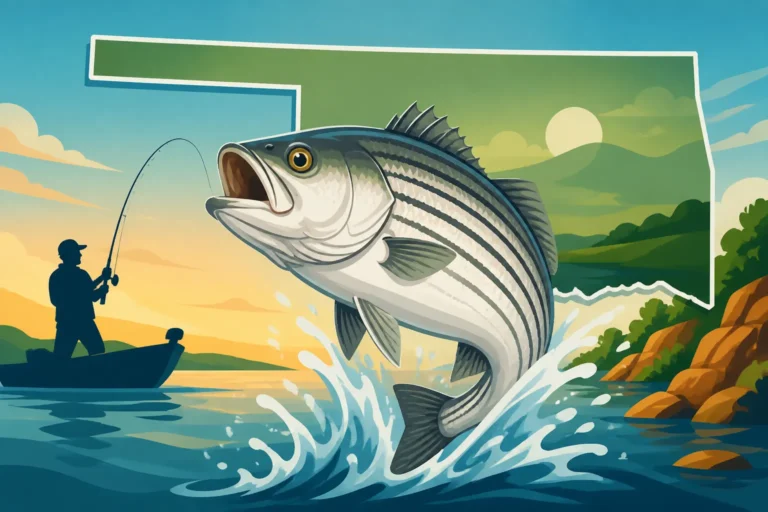
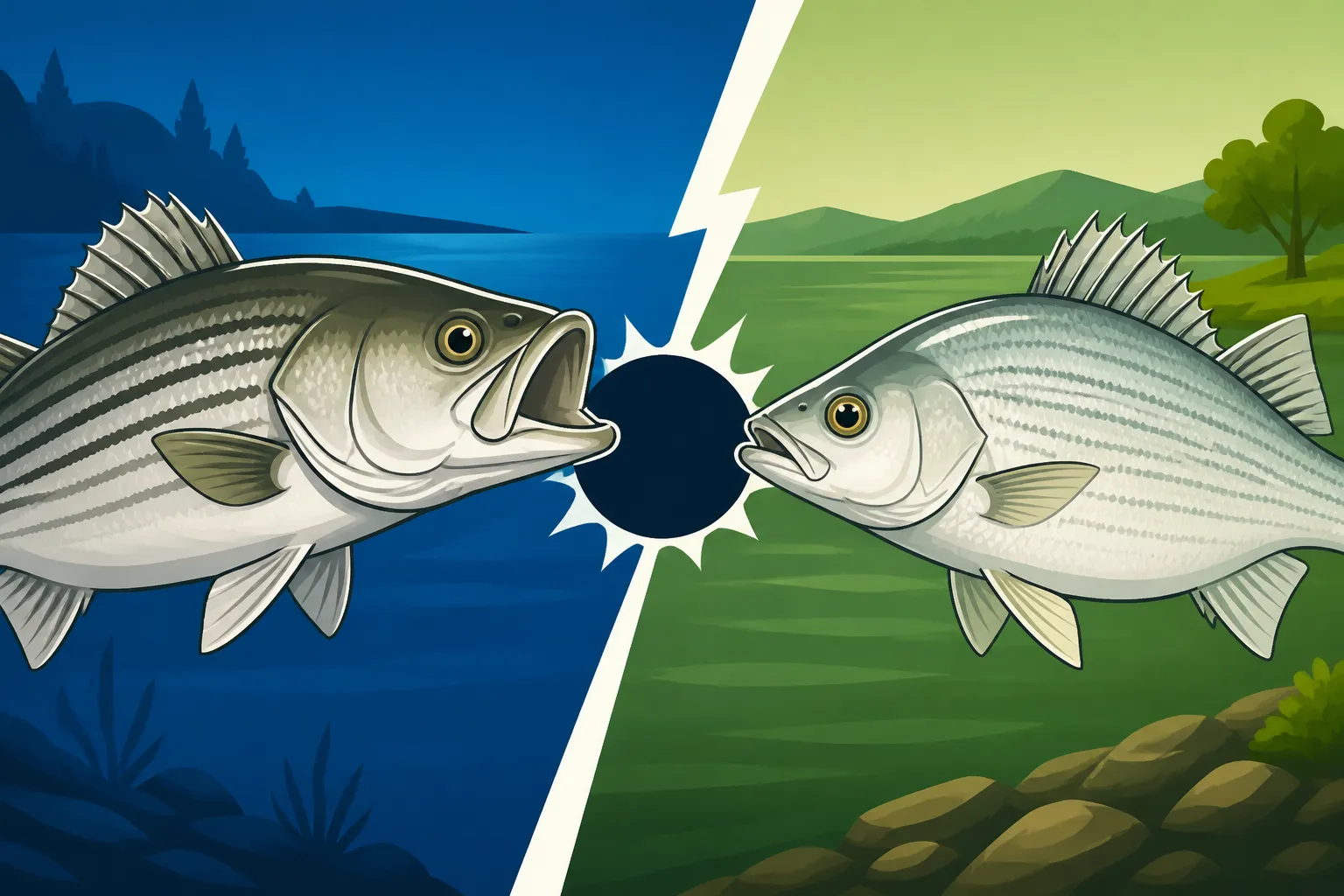
For striped bass, the dark horizontal lines are usually very pronounced and unbroken. They run cleanly from behind the gill plate all the way to the tail. What's often overlooked is that one or more of these lower stripes (usually two) will extend all the way to the tail stem, not fading out prematurely. This consistent, unbroken pattern is a hallmark of the species. Sometimes, you might notice some faint broken lines above the main ones, but the primary stripes are solid.
With white bass, the stripes tend to be fainter and often appear broken or disjointed, especially above the lateral line. Many of the lower stripes will also fade out before reaching the tail, particularly the ones that are furthest down. The coloration also plays a role; while stripers have a silver body with dark stripes, white bass often have a more silvery-white body, giving them a brighter overall appearance, with the stripes being a shade darker. Striped Bass vs White Bass: What's the Difference is exactly what we're talking about right here!
Mouth and Tongue Patches: The Definitive Clues
If you're still unsure after looking at size, shape, and stripe patterns, the mouth and tongue offer the most reliable identification markers. These are the "secret weapons" for telling these two apart definitively.
First, let's look at the tongue. Gently open the fish's mouth and look for a patch of small teeth right in the center of the tongue.
- Striped bass will have two distinct patches of teeth on their tongue. These patches are usually quite prominent and feel rough to the touch.
- White bass will only have one single patch of teeth on their tongue, or sometimes none at all. If present, it's usually smaller and less defined than the striper's patches.
Secondly, examine the mouth itself. The upper jaw (maxilla) of a striped bass typically extends beyond the eye when its mouth is closed, giving it a somewhat "overshot" jaw appearance. For a white bass, the upper jaw usually does not extend past the midpoint of the eye, giving its mouth a smaller, more proportionate look relative to its head size. This difference in jaw structure also reflects their feeding habits; stripers have a larger gape for swallowing bigger prey.
Here's a quick comparison table to help you keep these distinctions straight:
| Feature | Striped Bass | White Bass |
|---|---|---|
| Average Size | 10-20+ lbs (can exceed 50 lbs) | 0.5-2 lbs (rarely over 4 lbs) |
| Body Shape | More elongated, torpedo-like | Deeper body, more compressed laterally |
| Stripe Pattern | Dark, unbroken lines; 1-2 lower stripes reach tail | Fainter, often broken lines; stripes fade before tail |
| Tongue Teeth | Two distinct patches | One single patch, or none |
| Upper Jaw | Extends beyond the eye | Does not extend beyond the midpoint of the eye |
Where They Live and How They Behave in Oklahoma
Knowing how to identify these fish is one thing, but understanding where they live and how they act in Oklahoma's waters is crucial for finding them. While both are freshwater predators, their preferred habitats and behaviors vary significantly, guiding anglers to different locations and tactics.
Habitat Preferences: Deep Water vs. Shallow Runs
Striped bass are often considered open-water, pelagic species, meaning they prefer the wide-open expanses of large reservoirs. In Oklahoma, you'll find them primarily in our biggest lakes, like Lake Texoma, Keystone Lake, and Lake Eufaula, where they can roam freely in search of baitfish schools. They often relate to deep water, humps, ledges, and channels, using their powerful bodies to patrol vast areas. They are highly migratory within these large bodies of water, constantly moving to follow schools of shad or other forage.
For example, on Lake Texoma, which is renowned for its striper fishing, you'll often find them suspended over deep water, or chasing shad up into open coves. Lake Texoma Fishing Guide for Oklahoma Anglers dives deeper into the specifics of this incredible fishery. They prefer cooler, oxygenated water, which often means deeper areas during the hotter months and more active surface feeding during cooler periods or low-light conditions.
White bass, while also found in reservoirs, tend to utilize different parts of the lake. They are more adaptable and can be found closer to shorelines, in shallower coves, and especially in the upstream sections of rivers that feed into reservoirs during their spawning runs. While they do inhabit open water, they are often found relating to structure like submerged brush, rocky points, and creek channels in shallower depths than their striper cousins. You can find them in many of Oklahoma's major lakes, often in higher concentrations closer to river mouths or tributaries.
Feeding Habits: Schooling and Foraging Strategies
Both species are aggressive predators and formidable fighters on the end of a line, but their feeding tactics differ due to their size and preferred habitat.
Striped bass are apex predators in many of Oklahoma's lakes. They hunt in large, coordinated schools, often corralling baitfish like shad into tight balls before ambushing them. This creates those incredible surface boils where acres of water can erupt with stripers crashing bait from below and gulls diving from above. They consume vast quantities of forage, making them important components of the lake ecosystem. Their large size allows them to target bigger baitfish and exert dominance over other predators. Their pursuit can cover miles of water in a single day, driven by hunger and the movement of their prey.
White bass also exhibit strong schooling behavior, but their feeding frenzies tend to be more localized and often occur closer to the surface or around prominent structures. They are incredibly opportunistic, feeding on smaller shad, minnows, and insect larvae. While they can create exciting surface action, their boils are usually smaller in scale than those of striped bass. You might find a school of white bass busting shad in a shallow cove or along a rocky bank, often in areas where a striper might only venture during specific times of year. Their smaller size means they target smaller forage, but their sheer numbers can quickly decimate a bait school.
Spawning Differences: Where and When They Reproduce
Reproduction is another key area where these species diverge, and understanding this can help you predict their movements throughout the year.
Striped bass are anadromous in their native saltwater environments, meaning they migrate from saltwater to freshwater to spawn. In landlocked reservoirs like those in Oklahoma, they undertake similar migrations up major rivers that feed the lakes. They require flowing water to successfully spawn, as their eggs are semi-buoyant and need to remain suspended in the water column for several days to hatch. If the current isn't strong enough, the eggs will sink and perish. This is why major river systems flowing into lakes like Texoma and Keystone are critical spawning grounds. Their spawning period typically occurs in the spring, as water temperatures rise, often between April and June, depending on the specific lake and conditions.
White bass also spawn in the spring, typically earlier than stripers, often from March through May, when water temperatures are suitable. Like stripers, they also migrate upstream into rivers and larger creeks to spawn, preferring areas with gravel or rocky bottoms. However, their spawning requirements are less stringent than those of striped bass. Their eggs are adhesive and stick to rocks, gravel, and submerged vegetation, meaning they don't require the sustained current to stay suspended. This makes them more successful at reproducing in a wider variety of river and creek systems flowing into Oklahoma's lakes, which contributes to their widespread abundance. White Bass Spring Runs in Oklahoma is a fantastic resource if you're looking to target these fish during their annual migration.
Fishing for Both: Techniques and Tackle Considerations
Now that you know how to identify them and where they hang out, let's talk about how to catch them. While there's certainly some overlap in general techniques, tailoring your approach to each species will dramatically improve your success rate. After all, you wouldn't use a fly rod to catch a marlin, right?
Targeting Striped Bass: Power and Persistence
Striped bass fishing in Oklahoma is often a game of power and endurance. Their size and fighting ability demand heavier tackle.
-
Rods and Reels: You'll want a medium-heavy to heavy action spinning or baitcasting rod, typically 7-8 feet long, capable of handling larger lures and heavier fish. Pair this with a robust reel spooled with 15-30 pound monofilament or fluorocarbon, or even heavier braided line (30-65 pound test) for its strength and sensitivity. Many anglers prefer braided line because it helps detect subtle bites in deep water and withstands the brutal fights of a big striper. You can find a great selection of robust rods and reels suitable for striped bass on Amazon, often with reviews from other anglers talking about their experiences on big lakes. Best Rods and Reels for Oklahoma Fishing offers a broader look, but for stripers, think "heavy-duty."
-
Techniques:
- Trolling: This is a very popular and effective method for covering large expanses of water and finding schools of stripers. Anglers often troll with large crankbaits, swimbaits, or umbrella rigs behind their boats at various depths. This allows them to present baits right in front of suspended fish.
- Live Bait: Live shad are king for stripers. They are the natural forage, and stripers can't resist them. Anglers often fish live shad on Carolina rigs or free-lined near schooling fish or along deep structure.
- Casting to Boils: When stripers are busting bait on the surface, casting topwater lures, spoons, or swimbaits into the frenzy can be incredibly effective and exciting. This requires a quick approach to the feeding fish.
- Downrigging/Planer Boards: For deeper fish, downriggers can get baits to precise depths, while planer boards help spread out baits when trolling.
Angling for White Bass: Action-Packed Fun
White bass, though smaller, are incredibly aggressive and provide fast-paced action, especially during their spawning runs. They're often a great target for beginners and seasoned anglers alike because of their willingness to bite.
- Rods and Reels: Lighter tackle is generally preferred for white bass, which makes the fight even more exhilarating. A medium-light to medium action spinning rod, 6-7 feet long, paired with a smaller spinning reel spooled with 6-10 pound monofilament or 10-20 pound braided line is ideal. This lighter setup allows for longer casts with smaller lures and makes even a one-pound white bass feel like a monster.
- Techniques:
- Jigging: Small lead jigs (1/8 to 1/4 ounce) with soft plastic grubs or curly tails are perennial favorites. Vertical jigging over schools of fish or casting and retrieving with a "lift and drop" motion works wonders.
- Casting Spoons/Spinners: Small silver spoons, like Kastmasters or Little Cleos, or inline spinners such as Mepps or Rooster Tails, are incredibly effective when white bass are actively feeding. Their flash and vibration mimic baitfish.
- Trolling: While less common than for stripers, trolling small crankbaits or jigs can also be effective, especially for locating schools in open water.
- Road Runners: These jig-spinner combos are a classic for white bass, offering both flash and vibration in one compact package.
Best Baits and Lures for Each Species
While there's some crossover, certain baits and lures truly shine for one species over the other.
For Striped Bass:
- Live Shad: As mentioned, this is often the undisputed champion.
- Large Crankbaits: Deep-diving models from brands like Rapala or Bomber are excellent for trolling.
- Spoons: Heavy metal spoons (e.g., Sassy Shad, Hopkins Shorty) are great for casting into boils or vertical jigging.
- Swim Baits: Larger soft plastic swimbaits rigged on heavy jig heads mimic large shad. You can find a wide array of these on Amazon.
- Umbrella Rigs: These multi-lure rigs imitate a school of baitfish and are incredibly effective for trolling.
For White Bass:
- Small Jigs with Grubs: White, chartreuse, or clear with glitter are popular colors.
- Inline Spinners: Classic Mepps or Rooster Tail spinners in silver or gold.
- Small Spoons: 1/8 to 1/4 ounce silver spoons.
- Small Crankbaits: Shallow-diving lipped crankbaits that mimic small minnows.
- Road Runners: These jig-spinner hybrids are incredibly effective.
- Small Live Minnows: When the bite is tough, a small live minnow under a bobber can be deadly, especially during spawning runs.
Remember, fish behavior can change with the seasons and water conditions. Seasonal Bait Selection for Bass and Seasonal Lure Selection for Crappie (though not bass specific, the principles apply) can provide deeper insights into adapting your bait choices throughout the year.
Oklahoma's Fisheries: Importance and Management
These two species aren't just fun to catch; they play vital roles in Oklahoma's aquatic ecosystems and contribute significantly to our state's recreational fishing economy. Maintaining healthy populations is a priority for wildlife managers, ensuring that future generations of anglers can enjoy the thrill of catching both stripers and white bass.
The Economic and Recreational Value
The popularity of striped bass and white bass fishing brings substantial economic benefits to Oklahoma. Anglers from across the state and even neighboring states flock to our major reservoirs, especially Lake Texoma, for the chance to catch these powerful fish. This translates into increased business for bait and tackle shops, boat dealerships, marinas, restaurants, and lodging facilities in communities around these lakes. Think about how many fishing trips involve buying gas, snacks, a new lure from Amazon, or even staying overnight at a local cabin.
Beyond the dollars and cents, the recreational value is immense. For many, fishing for stripers and white bass is a cherished outdoor activity, creating memories with family and friends. The excitement of a striper tugging hard on the line, or the non-stop action of a white bass feeding frenzy, creates experiences that keep people coming back to the water year after year. It's a key part of Oklahoma's outdoor culture, and fishing guides often build their entire businesses around these species.
Conservation Efforts and Regulations
Given their importance, both striped bass and white bass populations are carefully managed by the Oklahoma Department of Wildlife Conservation (ODWC). This includes setting specific bag and length limits to ensure sustainable populations. These regulations are designed to protect spawning fish, allow younger fish to grow to maturity, and prevent overfishing.
For instance, Oklahoma's Bass Fishing Rules and Limits and Oklahoma's Bag Limit Rules by Species provide detailed information on the statewide regulations that anglers must follow. These limits can vary by lake and even by specific water body, especially for striped bass, so it's absolutely crucial to check the latest regulations before you head out. Fishing without a license or exceeding bag limits can result in penalties, as outlined in What Happens if You Fish Without a License in Oklahoma.
Conservation efforts also include habitat protection and stocking programs where necessary. While white bass typically reproduce naturally and abundantly in Oklahoma's waters, striped bass populations in some landlocked reservoirs rely on consistent stocking to maintain their numbers, as their natural spawning success can be limited by river flow conditions. By understanding and adhering to these regulations, anglers play a direct role in ensuring the health and longevity of these incredible fisheries for everyone to enjoy.
Disclaimer
This article is for general informational purposes only and does not constitute professional advice. Laws, prices and regulations vary by location and change over time. Consult a qualified professional for guidance on your specific situation.