Best Bait for Walleye in Deep Reservoirs
It can be incredibly frustrating to head out to a vast Oklahoma reservoir, knowing those elusive walleye are down there somewhere in the cool, deep water, but feeling completely stumped on what bait will actually get their attention. You've cast everything in your tackle box, tried different depths, and still, nothing. This guide is all about cutting through that confusion, focusing on the very best baits and techniques to consistently tempt walleye from the depths of our state's big lakes.
Understanding Walleye Behavior in Deep Reservoirs
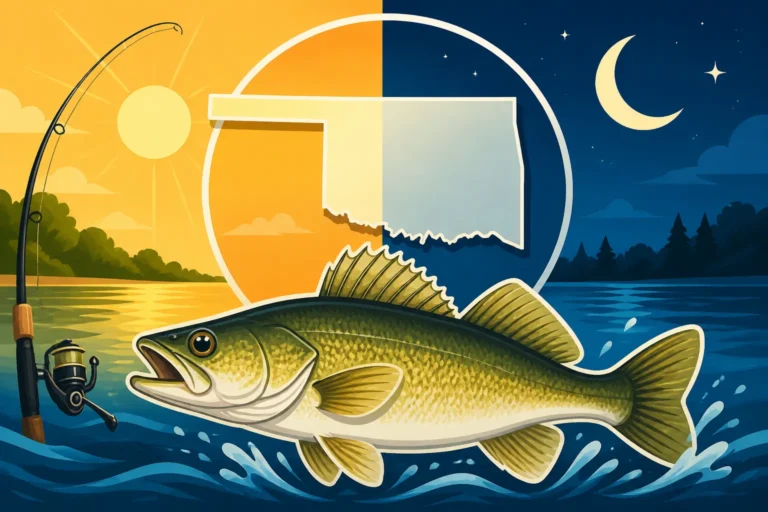
Walleye are fascinating fish, known for their keen eyesight and preference for lower light conditions. In Oklahoma's deep reservoirs, this means they often retreat to cooler, darker waters during the brighter parts of the day and especially in warmer months. Understanding why they go deep and what makes them bite there is the first step to choosing the right bait.
Why Deep Water Walleye Are Different
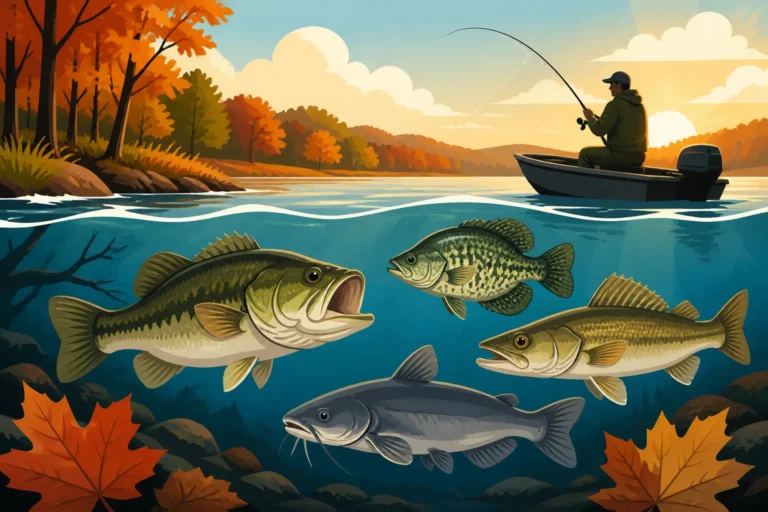
Unlike their shallow-water counterparts or those found in rivers, walleye in deep reservoirs have different habits. They're not just hanging out; they're actively seeking comfort and food in these specific zones. They're often drawn to deep structure like submerged humps, points, rock piles, old creek channels, or even offshore timber. These areas provide ambush points and thermal refuge. The immense volume of water also means prey fish can be scattered, or conversely, schooled up tight. This makes finding the walleye a challenge, but once you do, presenting the right bait is paramount. They're not going to chase a bait far in deep water; they want something that's easy to ambush.
Think about it from a walleye's perspective: it's dark, cool, and they're conserving energy. A flashy, erratic bait might get ignored. A subtle, natural presentation, or something that mimics a struggling baitfish, is much more likely to trigger a strike. This also affects how aggressively they bite; sometimes it's a gentle tick, barely detectable, rather than a hard smash. Best Time of Year to Catch Walleye in Oklahoma can often mean adjusting your depth strategies accordingly.
Key Factors Influencing Walleye Bite
Several environmental factors really influence how and when walleye will bite in deep water. Water temperature is a huge one; walleye generally prefer cooler temperatures, which is why they seek the depths when surface waters heat up. Clarity also plays a role. In clear reservoirs, walleye might stay deeper during the day to avoid light, moving shallower to feed at dawn, dusk, or under cloudy skies. In stained or turbid water, they might be more spread out or even a bit shallower, but still relating to structure.
Barometric pressure also impacts their feeding behavior. A stable or slowly rising barometer often signals good fishing, while a sudden drop can make them lethargic. Wind, believe it or not, can be your friend on deep reservoirs. A good chop on the surface can help break up light penetration, encouraging walleye to rise a bit or become more active. It also creates current which can position baitfish and, consequently, walleye. Always pay attention to these subtle cues; they'll tell you whether to go ultra-finesse or try a more aggressive jigging approach.
Top Baits for Deep Water Walleye
When it comes to luring walleye from the depths of Oklahoma's reservoirs, you really have a few tried-and-true categories of baits that consistently produce. It’s not just about what you use, but how you use it.
Live Bait: The Unbeatable Classic
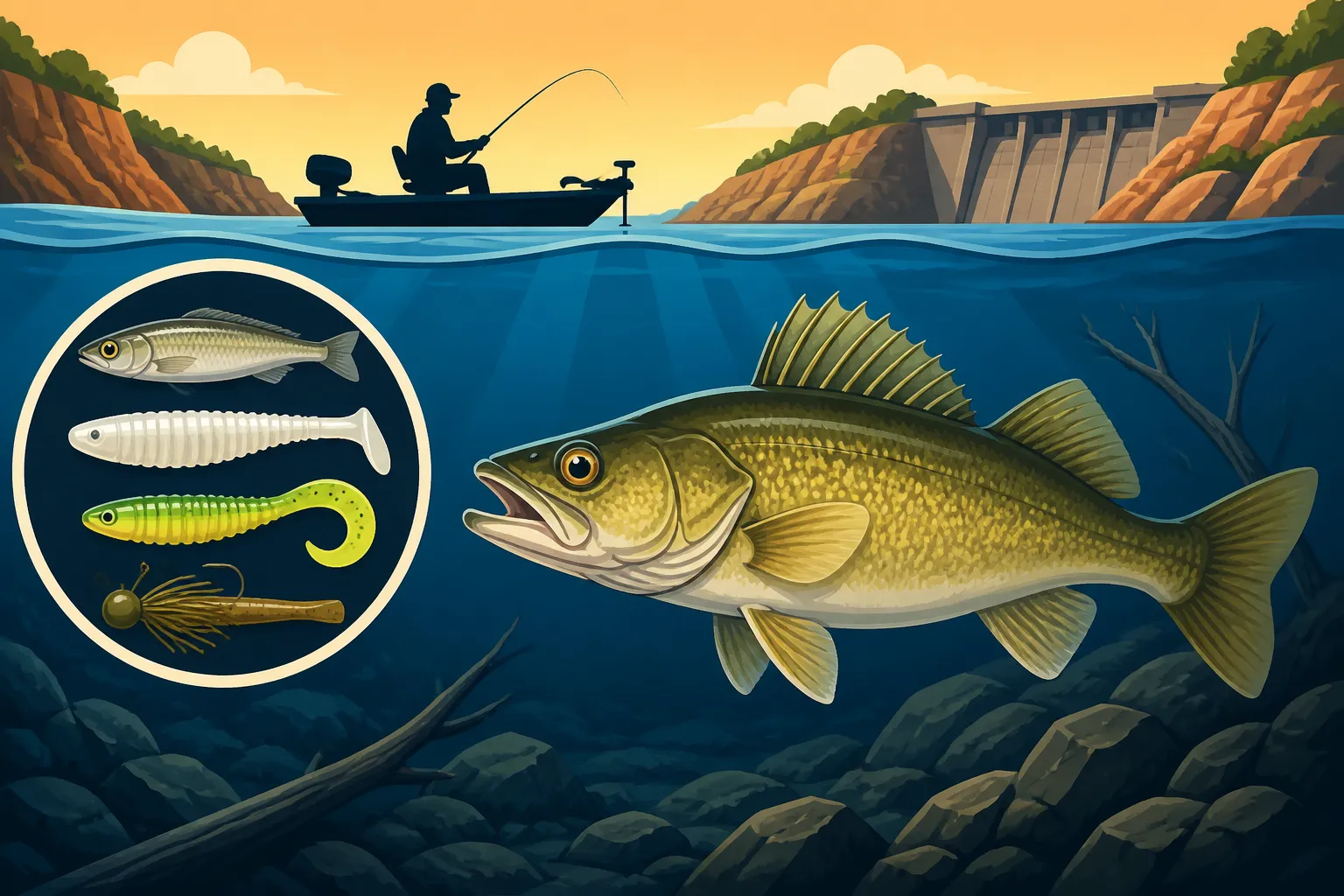
There’s a reason live bait has been a walleye angler's secret weapon for generations: it works. Nothing quite mimics the real thing like, well, the real thing. For deep reservoir walleye, minnows, shiners, or nightcrawlers are often the top choices. Minnows, especially lively ones like fatheads or emerald shiners, rigged on a plain hook or a jig head, are deadly. They provide natural scent, movement, and a profile that walleye can't resist.
When fishing live bait in deep water, presentation is crucial. A simple Carolina rig or a three-way rig with a walking sinker is excellent for keeping your bait near the bottom where walleye lurk. Just drift slowly over structure, allowing your bait to bounce along. Alternatively, you can use a slip bobber set at the exact depth where you're marking fish on your electronics. The subtle struggle of a live minnow sends out irresistible vibrations. You can often find great deals on quality live bait rigs and accessories on platforms like Amazon if your local tackle shop is out of stock. The key is to keep your bait fresh and lively; sluggish bait rarely gets noticed by a discerning walleye.
Jigging Lures: Vertical Presentation is Key
Jigging is arguably one of the most effective ways to target deep water walleye, offering both control and an irresistible action. The beauty of jigs is their versatility: you can tip them with live bait (a minnow head or a piece of nightcrawler), or fish them purely as artificials. Standard lead head jigs in sizes from 1/4 to 3/4 ounce (depending on depth and current) are staples. Pair them with soft plastics like paddletail swimbaits, grubs, or slender fluke-style baits. Colors like chartreuse, white, perch, or bluegill patterns are always good starting points, but always let the fish tell you what they prefer on any given day.
Blade baits and spoons are also excellent jigging options for deep walleye. Blade baits, like those from Johnson or Reef Runner, vibrate intensely on the lift and flutter on the fall, mimicking a distressed baitfish. Spoons, especially slender ones, have a seductive wobble. Vertical jigging directly over suspended walleye or those relating to deep structure is incredibly effective. The idea is to lift the bait sharply, then let it fall on a controlled slack line. Many strikes happen on the fall, so paying attention to your line is critical. Sometimes, a tiny "tick" is all you'll feel. You'll find a wide selection of these Best Lures for Walleye at Oklahoma Reservoirs on retail sites like Amazon if you're looking to expand your deep-water arsenal.
Trolling Baits: Covering Ground Effectively
When walleye are scattered or you're trying to locate schools over large deep flats or humps, trolling is an incredibly efficient method. It allows you to cover a lot of water and present baits at precise depths for extended periods. Crankbaits are king here, particularly those designed to dive deep or be fished with weights, snap weights, or planer boards. Deep-diving crankbaits from brands like Rapala, Berkley, or Bandit can reach impressive depths on their own. Choose colors that imitate local forage, such as shad, perch, or crawfish, or go with brighter colors like firetiger or chartreuse in stained water.
Spinner rigs, often called "crawler harnesses" or "worm harnesses," are another fantastic trolling option, especially when tipped with a plump nightcrawler. These rigs, consisting of a blade, beads, and two snelled hooks, create flash and vibration while presenting natural bait. They can be trolled behind bottom bouncers to keep them near the lakebed. For really deep fish, downriggers or leadcore line can get your baits down to specific depths. Remember, consistency in depth and speed is key when trolling for walleye. How to Troll for Walleye in Summer is a technique that really shines in Oklahoma's hot months.
Here’s a quick overview of bait types for deep walleye:
| Bait Type | Pros | Cons | Ideal Conditions |
|---|---|---|---|
| Live Minnows | Natural scent & action, highly effective | Can be delicate, requires careful handling | Clear water, finicky bite, calm days |
| Nightcrawlers | Easy to find, appealing to many fish | Can be stolen easily, messy | All conditions, slow presentation preferred |
| Jig w/ Soft Plastic | Versatile, active presentation, durable | Requires good feel, can be snag-prone | Vertical fishing over structure, active fish |
| Blade Baits/Spoons | Strong vibration, good flash, durable | Can be heavy, easy to snag if not careful | Vertical jigging, searching for active fish |
| Deep-Diving Crankbaits | Covers water, depth control, durable | Can be expensive, limited depth range | Trolling open water, locating scattered fish |
| Spinner Rigs (Crawler Harness) | Combines flash with live bait, very effective | Can tangle, requires live bait | Trolling over flats or humps, slower speeds |
Presentation and Techniques for Success
Choosing the right bait is only half the battle. How you present that bait to deep-dwelling walleye is just as, if not more, important. Your technique needs to be precise and often subtle to entice these light-sensitive, often finicky fish.
Mastering the Retrieve
The retrieve for deep walleye isn't usually a fast, erratic one. Often, a slow, methodical approach is best. For jigging, this means a controlled lift-and-fall. Lift your rod tip sharply about 1-2 feet, then let the jig fall back down on a semi-slack line, allowing it to flutter naturally. Watch your line closely for any hesitation or "tick" as the bait falls, as this often indicates a strike. Sometimes, simply letting the bait sit still on the bottom for a few seconds can trigger a bite from a curious walleye. The key is to experiment with the cadence of your jigging until you find what the fish prefer on that particular day.
When using live bait on a bottom rig or slip bobber, a slow drift or very slow retrieve is ideal. You want the live bait to appear natural, just struggling along the bottom or suspended enticingly. For trolling, maintain a consistent speed, typically between 1.0 and 2.5 mph, depending on the lure and the activity level of the fish. Varying your speed slightly can sometimes trigger a follower to strike. The bottom line is, walleye in deep water often prefer a slower, more deliberate presentation that gives them time to react without expending too much energy.
Matching Bait to Conditions
One of the most valuable lessons an angler can learn is to match their bait choice and presentation to the specific conditions they encounter. On a bright, calm day, when walleye are likely hugging the bottom in the deepest, darkest spots, a subtle live minnow on a light jig or a slow-trolled crawler harness might be your best bet. If the wind is blowing and creating a good chop, stirring up the water, walleye might become more aggressive. This is when a faster jigging presentation with a blade bait or a deep-diving crankbait might shine. Best Walleye Lures for Spring Fishing will vary greatly from summer deep-water strategies, for instance.
Water clarity also dictates bait choice. In clear water, natural colors and more subtle presentations tend to work better. If the water is stained or murky, brighter colors like chartreuse, orange, or firetiger, along with baits that produce strong vibrations (like blade baits or rattling crankbaits), can help walleye find your offering. Keep an open mind and be willing to switch up your baits and techniques until you crack the code. It’s all part of the fun of chasing Walleye, Sauger and Saugeye: Oklahoma's Cousin Fish.
Gear Considerations for Deep Walleye Fishing
Fishing deep for walleye isn't just about the bait; your equipment plays a critical role in your success. Having the right rods, reels, line, and electronics can make the difference between guessing and truly understanding what’s happening beneath the surface.
Rods, Reels, and Line
For deep water walleye, you'll want a rod with enough backbone to handle the weight of your baits and sinkers, but also a sensitive tip to detect those often subtle bites. A medium-light to medium power spinning rod, around 6'6" to 7'6" in length, with a fast action tip, is a great all-around choice for jigging and live bait. For trolling, a slightly longer, more moderate action rod around 7' to 8' can absorb the shock of a strike and handle larger lures.
When it comes to reels, a reliable spinning reel in the 2000-3000 size range is perfect for most deep jigging and live bait scenarios. For trolling, baitcasting reels offer more control and power, especially when dealing with heavy sinkers or large crankbaits.
Line choice is critical. Braided line, with its no-stretch properties, is highly favored for deep water applications because it offers superior sensitivity, allowing you to feel even the lightest bites. A 10-15 pound test braided line with a 6-10 pound fluorocarbon leader is a fantastic setup. The fluorocarbon leader is virtually invisible underwater and offers good abrasion resistance. For trolling with crankbaits, fluorocarbon or monofilament lines can also be effective, depending on how much stretch you prefer for fighting fish. Don't forget to regularly check your line for nicks and abrasions, especially after fishing around rocky structure.
Essential Electronics
In deep reservoirs, your eyes are effectively useless below the surface. This is where modern electronics truly become your best friend. A quality fish finder, particularly one with down imaging and side imaging capabilities, is almost a necessity for consistently finding deep walleye. These units allow you to mark schools of baitfish, identify submerged structure like humps, rock piles, and creek channels, and most importantly, pinpoint individual walleye holding tight to these features.
Learning to interpret your fish finder is a game-changer. Look for arches or distinct marks near the bottom or suspended in the water column. Often, walleye will appear as small, distinct arches or even short lines right on the bottom contour. Pay attention to changes in bottom composition indicated on your sonar screen, as walleye often relate to transitions from soft to hard bottom, or scattered rock. Utilizing GPS capabilities to mark waypoints on productive spots allows you to return to those deep honey holes time and time again. While specialized units might seem costly, you can find excellent mid-range Fish Finder Features That Matter Most on Oklahoma Reservoirs units on platforms like Amazon that will significantly boost your deep walleye success without breaking the bank. Investing in good electronics means less time searching and more time fishing.
Disclaimer
This article is for general informational purposes only and does not constitute professional advice. Laws, prices and regulations vary by location and change over time. Consult a qualified professional for guidance on your specific situation.