Why Water Skiers and Tubers Must Wear a Life Jacket in Oklahoma
It's a beautiful day out on an Oklahoma lake – the sun is shining, the water is calm, and you're ready for some fun. Maybe you're prepping the boat for some exhilarating water skiing or getting the kids excited for a tubing adventure. But amidst all the excitement, one crucial piece of gear sometimes gets overlooked or misunderstood: the life jacket. It might feel bulky or inconvenient, but ignoring its importance, especially for water skiers and tubers, can lead to serious consequences, both legally and for your safety. This guide will dive deep into why life jackets aren't just a suggestion but a mandatory requirement for these activities in Oklahoma, ensuring everyone understands the regulations and, more importantly, the life-saving reasons behind them.
The Oklahoma Law on Life Jackets for Skiers and Tubers
When you're out on the water in Oklahoma, enjoying activities like water skiing or tubing, it's not just a matter of personal preference whether you wear a life jacket. The state has clear, non-negotiable laws designed to protect participants in these high-risk activities. These aren't arbitrary rules; they're based on decades of boating safety data and tragic incidents that could have been prevented.
Understanding the Mandatory Wear Requirement
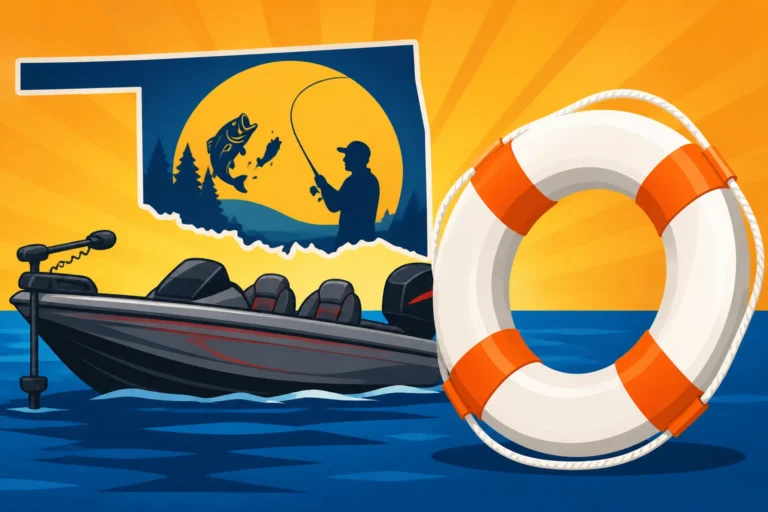
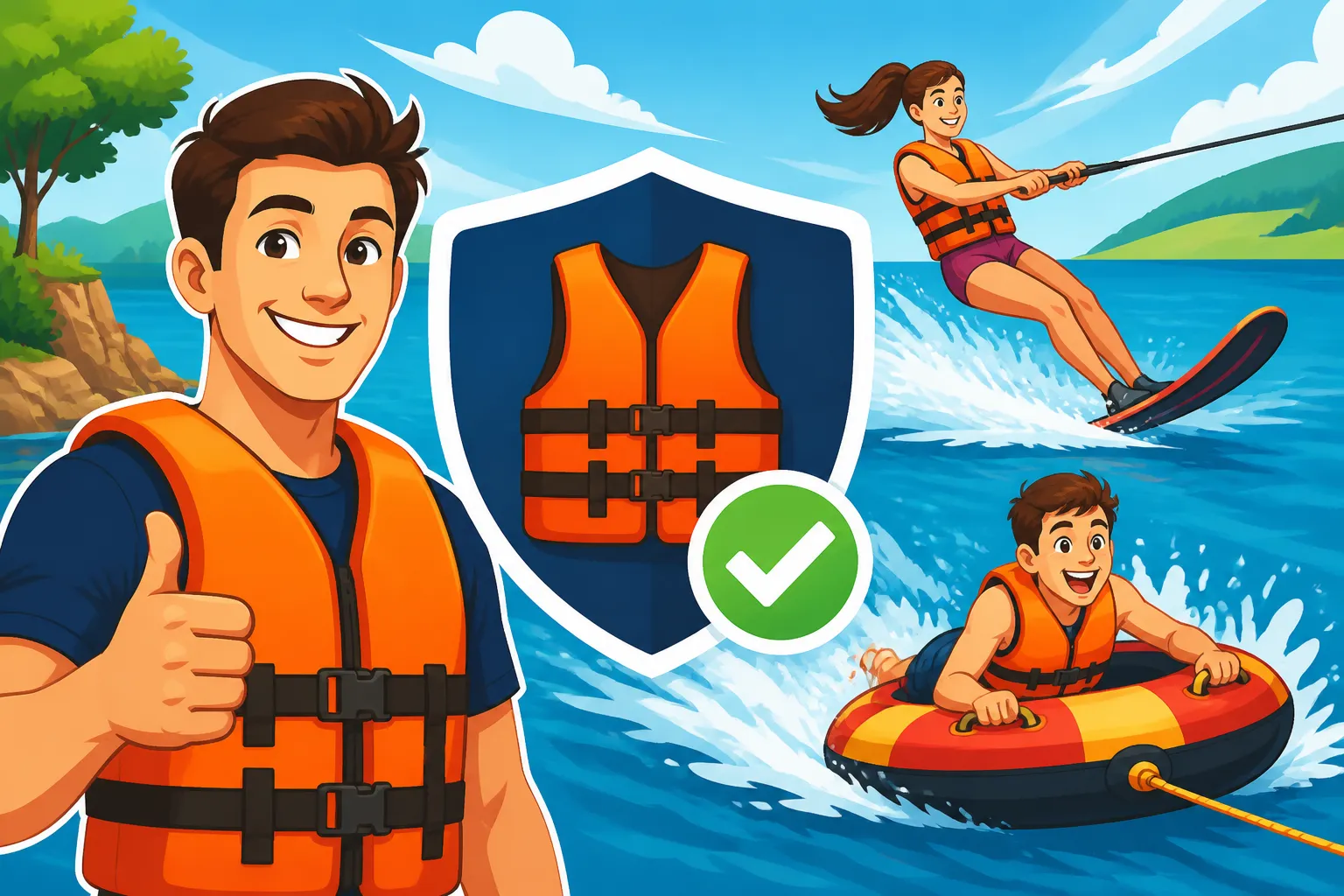
Oklahoma law specifically mandates that anyone being towed behind a vessel, whether on water skis, a tube, a wakeboard, or any similar device, must wear a Coast Guard-approved personal flotation device (PFD). This isn't a rule that applies only to children or weak swimmers; it's universal for all individuals engaging in towed water sports, regardless of age or swimming ability. The rationale is simple yet profound: these activities carry a significant risk of sudden, forceful impact with the water, or being separated from the towable and boat.
Imagine hitting the water at 25 miles per hour after a fall from skis or being flung from a tube. The impact can be disorienting, knocking the wind out of you, or even rendering you unconscious. In such moments, even the strongest swimmer can struggle to surface, let alone stay afloat until help arrives. A properly worn life jacket acts as an immediate safety net, providing buoyancy the instant you enter the water, keeping your head above the surface even if you're unable to help yourself. This immediate flotation is the critical difference between a scary moment and a life-threatening emergency.
Legal Ramifications of Non-Compliance
Ignoring the life jacket mandate for water skiers and tubers isn't just a gamble with safety; it's a direct violation of Oklahoma boating regulations, and there are penalties for non-compliance. Game wardens and marine patrol officers on Oklahoma lakes take these rules very seriously because they are fundamental to preventing accidents and fatalities. If you or someone you are towing is found without a properly worn, Coast Guard-approved life jacket, you can face a citation.
The fines for boating safety violations in Oklahoma can be substantial, and they quickly add up, especially if other infractions are noted. Beyond the monetary cost, there's the inconvenience of dealing with a legal process, and potentially a blemish on your boating record. More importantly, consider the moral and emotional cost if an accident were to occur. No amount of money or legal hassle compares to the potential tragedy that could have been avoided by simply following a life-saving regulation. It’s a stark reminder that these laws are in place for a reason, and respecting them is part of being a responsible boater and participant in water sports. Fines for Boating Safety Violations in Oklahoma details these penalties further.
Beyond the Law: Practical Safety Reasons
While adhering to Oklahoma's boating laws is essential, the true "why" behind the life jacket mandate for water skiers and tubers extends far beyond legal compliance. These regulations are rooted in practical, life-saving principles that address the inherent risks of being towed rapidly across the water. It’s about being prepared for the unexpected and giving yourself the best chance of survival and recovery in an emergency.
High-Speed Impact and Disorientation
Water skiing and tubing involve significant speeds. Even a moderate pace can result in a high-impact fall when you hit the water. Think about hitting a solid surface – that's what water can feel like at speed. This impact can be severe enough to temporarily stun you, knock the wind out of your lungs, or even cause a head injury that renders you unconscious. When any of these scenarios occur, your ability to swim, tread water, or even gasp for air can be severely compromised.
In such a disoriented state, or if unconscious, a life jacket becomes your immediate lifeline. It keeps your head above water, allowing you to breathe, and providing vital minutes for the boat to circle back and retrieve you. Without it, even a strong swimmer could quickly succumb to the water if they can't orient themselves or regain consciousness. The quick, unexpected nature of falls in these sports means there's rarely time to grab a flotation device; it needs to be on you, doing its job the moment you hit the water.
Visibility in the Water
Once you've fallen from water skis or a tube, you become a tiny, often hard-to-spot object in a vast body of water. Lakes are dynamic environments, with ripples, waves, and reflections that can make spotting a person in the water incredibly difficult, especially for the boat driver who might be looking back into the sun, or from a distance. The boat needs to return quickly and safely to you, and visibility is paramount for this.
Most Coast Guard-approved life jackets, especially those designed for towed water sports, come in bright, highly visible colors like neon yellow, orange, or bright red. This isn't just a fashion choice; it's a critical safety feature. These colors stand out against the blue or green of the water, making it much easier for the spotter in the boat to keep an eye on you and for the driver to navigate back to your position without losing sight. In a busy lake with other boat traffic, this increased visibility also alerts other vessels to your presence, helping to prevent further accidents.
Cold Water Shock and Hypothermia
Even on a hot Oklahoma summer day, falling into the lake can expose you to water temperatures that are surprisingly cold, especially in deeper reservoirs. The immediate plunge into cold water can trigger a phenomenon known as "cold water shock." This is an involuntary gasp reflex that can cause you to inhale water, leading to drowning, even if you're a capable swimmer. Cold water shock also causes rapid breathing, increased heart rate, and can quickly incapacitate you.
A life jacket, while not directly providing warmth, gives you crucial flotation, allowing you to focus on controlling your breathing and recovering from the initial shock without expending energy to stay afloat. If rescue is delayed, prolonged exposure to cold water can lead to hypothermia, where your body loses heat faster than it can produce it. Hypothermia impairs judgment, coordination, and eventually leads to unconsciousness. The added buoyancy from a life jacket helps conserve energy and keeps you warmer by keeping more of your body out of the water, providing precious time until help arrives. This is especially important if you're fishing in early spring or late fall when the air might be warm, but the water is still frigid.
Common Misconceptions About Life Jackets
Despite the clear laws and undeniable safety benefits, some lingering misconceptions about life jackets persist among boaters and water sports enthusiasts. Addressing these myths is crucial for promoting a culture of safety on Oklahoma's lakes and rivers. It's easy to fall into the trap of thinking "it won't happen to me," but accidents are, by definition, unexpected.
"I'm a Strong Swimmer, I Don't Need One"
This is perhaps the most common and dangerous misconception. While being a strong swimmer is an invaluable skill, it offers little protection against the specific dangers associated with water skiing and tubing accidents. Imagine this scenario: you're an excellent swimmer, a true fish in the water, but you take a bad fall while tubing, hitting your head on the surface or getting the wind knocked out of you. In that moment of disorientation or unconsciousness, your swimming ability becomes irrelevant.
A life jacket acts as an automatic, passive safety device. It doesn't rely on your consciousness or physical ability to function. The moment you hit the water, it begins working, keeping your airway clear. Even highly experienced swimmers and professional athletes recognize this principle in high-risk water environments. The water doesn't care how many laps you can swim; a sudden, incapacitating event can happen to anyone. Don't let overconfidence be your undoing.
"It's Too Bulky and Restrictive"
Many modern life jackets, particularly those designed for active water sports like skiing and tubing, are far from the bulky, uncomfortable orange vests of yesteryear. Manufacturers have made huge strides in design, comfort, and functionality. You can find sleek, form-fitting vests that offer excellent range of motion for skiing, wakeboarding, or simply riding a tube. Many are designed with flexible materials, large armholes, and multiple adjustment straps to ensure a snug, comfortable fit.
You can find excellent options at retailers like Bass Pro Shops or online at Amazon, offering various styles from traditional foam vests to inflatable models (though inflatable PFDs usually aren't approved for towed activities like skiing/tubing, so always double-check the label for the specific type). The key is to find one that fits correctly – snug but not restrictive – and is rated for the activity you're doing. A well-fitting life jacket allows for freedom of movement, so you can enjoy your activity without feeling encumbered, while still providing critical protection. Life Jacket Rules for Kids 12 and Under on Oklahoma Boats has more details on specific age requirements.
"I Can Just Hold Onto the Rope or the Tube"
Relying on the tow rope or the tube itself for flotation after a fall is a dangerous gamble. When you fall, the tow rope can quickly become slack, or the boat may continue to pull it away from you before stopping. Even if you manage to grab it, holding on can be incredibly difficult, especially if you're disoriented, injured, or facing choppy water. The rope itself offers minimal buoyancy and is not designed as a flotation device.
Similarly, a tube might seem like a large, buoyant object, but trying to cling to it in the water, especially if you're injured or exhausted, can be challenging. Tubes are not designed to support an individual's full weight in the water in the same way a life jacket is. They can also drift quickly with currents or wind, potentially taking you further from the rescue boat. A life jacket provides personal flotation that stays with you, no matter what happens to the rope or the towable. It's a layer of security that doesn't depend on external factors.
Choosing the Right Life Jacket
Selecting the correct life jacket for water skiing and tubing is just as important as wearing one. Not all PFDs are created equal, and understanding the different types and their specific approvals will ensure you have the best protection for your chosen activity. This isn't just about comfort; it's about compliance and, ultimately, your safety.
Understanding US Coast Guard Approval Types
The U.S. Coast Guard (USCG) classifies life jackets into different types based on their design, intended use, and level of buoyancy. For water skiing and tubing, you'll typically be looking for Type III or some specialized Type V PFDs.
- Type I (Offshore Life Jackets): These are designed for rough, open, or remote waters where rescue may be delayed. They offer the most buoyancy and are designed to turn an unconscious person face-up. Too bulky for active sports.
- Type II (Near-Shore Vests): Good for calm, inland waters where a quick rescue is likely. They will turn some unconscious wearers face-up, but not reliably. Still usually too bulky for high-impact towed sports.
- Type III (Flotation Aids): These are commonly used for recreational boating, fishing, and many water sports. They are designed for comfort and mobility, allowing the wearer to put themselves in a face-up position. Many are brightly colored for visibility. This is often the go-to for water skiing and tubing. They offer less flotation than Type I or II, but sufficient for active use near shore with quick rescue.
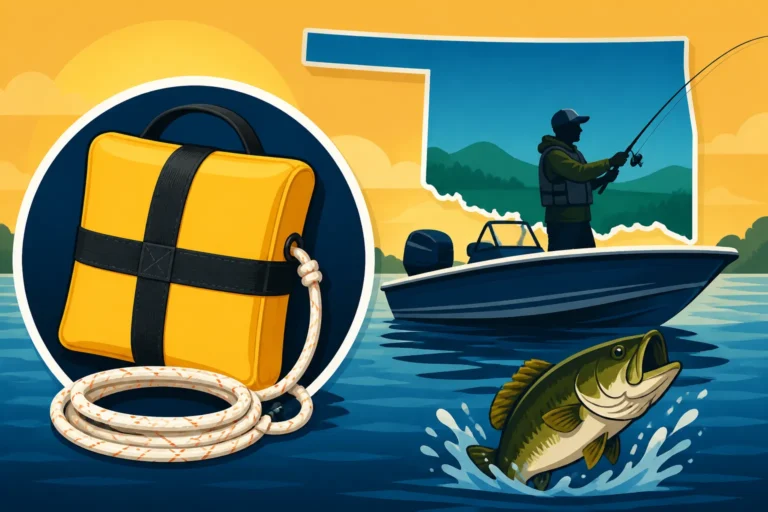
- Type IV (Throwable Devices): These are flotation cushions or ring buoys designed to be thrown to a person in the water, not worn. They are not a substitute for a wearable life jacket, though boats over 16 feet are required to carry one. Type IV Throwable Device Rules for Boats 16 Feet and Longer explains this requirement further.
- Type V (Special Use Devices): These are specific-purpose PFDs, such as those integrated into work vests, deck suits, or inherently buoyant fishing vests. Some Type V PFDs are approved for water skiing or tubing, but they must be worn to be counted as a legal PFD and are labeled for their specific use. Inflatable PFDs often fall into this category but generally are not approved for towed activities due to the risk of impact damage or delayed inflation. Always check the label carefully!
For water skiing and tubing, a Type III PFD is usually the best bet due to its balance of buoyancy and mobility. Always look for the USCG approval stamp on the label.
Fit and Sizing Are Crucial
A life jacket only works if it fits properly. An ill-fitting life jacket can be just as dangerous as not wearing one at all. If it's too loose, it can ride up around your ears or even come off upon impact with the water, defeating its entire purpose. If it's too tight, it can restrict movement and breathing, making you uncomfortable and potentially unsafe.
When trying on a life jacket, ensure it's snug but not uncomfortably tight. Fasten all zippers, buckles, and straps. Have someone pull up on the shoulders of the life jacket while you're wearing it. If it rides up over your ears or mouth, it's too big. You should be able to breathe comfortably and move your arms freely. For children, never buy a life jacket they will "grow into." It must fit them properly right now. Many manufacturers provide weight and chest circumference guidelines on the label, so be sure to check those. Reputable stores like Bass Pro Shops often have fitting guides or staff who can help you find the perfect size.
Maintenance and Inspection
Like any piece of safety gear, life jackets require regular maintenance and inspection to ensure they remain in good working condition. Over time, exposure to sun, saltwater (if you venture outside of Oklahoma!), and general wear and tear can degrade the materials, reducing buoyancy and structural integrity.
Before each outing, make it a habit to inspect all life jackets on board. Check for:
- Rips, tears, or holes in the outer fabric.
- Frayed straps or broken buckles.
- Sun fading or mildew, which can indicate material degradation.
- Loss of buoyancy: The foam inside shouldn't feel stiff or brittle. If you press on it, it should bounce back. A good test is to put on the life jacket and float in shallow water – does it support you adequately?
If a life jacket shows significant signs of wear or damage, it's time to replace it. A compromised life jacket won't perform as expected in an emergency. Storing them in a cool, dry place away from direct sunlight when not in use can extend their lifespan. Don't use them as boat fenders or seat cushions, as this can compress the foam and reduce its effectiveness. Treating your life jacket with care ensures it will be there for you when you need it most.
What to Do If Someone Falls
Even with all the right precautions and properly worn life jackets, falls are an inevitable part of water skiing and tubing. Knowing how to react quickly and safely when someone goes into the water is crucial for a successful retrieval and minimizing risk. The sequence of events immediately following a fall can make all the difference.
The Spotter's Role
The spotter is arguably the most critical person on the boat during water skiing or tubing activities, next to the driver. Their sole responsibility is to constantly watch the person being towed. The moment the skier or tuber falls, the spotter must immediately alert the boat driver. This is typically done by shouting "Skier Down!" or "Rider Down!" loudly and clearly.
Once the call is made, the spotter's job continues. They must keep their eyes on the fallen individual, pointing to them and never losing sight. This is where a brightly colored life jacket truly pays off, as it makes the person much easier to track. The spotter should continue to point and direct the driver until the boat is safely alongside the fallen person. Their constant vigilance ensures the driver can focus on navigating the boat safely back to the person without accidentally losing sight or hitting them. The spotter can also relay information about the person's condition, if visible (e.g., "They're waving," "They're still," etc.), which helps the driver and other passengers prepare for retrieval.
Safe Retrieval Procedures
Once the spotter has alerted the driver, a safe retrieval procedure must be followed to avoid further accidents. The boat driver's primary responsibility is to bring the boat back to the fallen individual as quickly and safely as possible, ensuring the propeller is not a danger.
Here’s a general sequence of safe retrieval:
- Stop Power and Turn: The driver should immediately reduce power to idle and begin a wide, slow turn back towards the fallen person. Always turn in a wide arc so that the tow rope eventually passes to the side of the person in the water, not directly over them.
- Approach from Downwind/Downcurrent: Whenever possible, approach the person from downwind or downcurrent. This allows the boat to drift towards them rather than away, making it easier to maneuver.
- Engine Off or in Neutral: Crucially, as the boat gets close to the person, the engine should be shifted into neutral (if still running) or turned off entirely if there's any risk of the propeller being near the person. The propeller should never be spinning when someone is in the water near the stern of the boat.
- Assisted Boarding: Help the person board the boat, especially if they are tired, cold, or injured. Have a ladder ready or use a boarding platform. The life jacket will have kept them afloat, but they might still need assistance getting back into the boat.
- Check Condition: Once back on board, check the person for any injuries or signs of distress. Even a minor fall can cause bumps or bruises.
Following these steps meticulously, with clear communication between the driver and spotter, ensures a smooth and safe retrieval every time. This systematic approach is a hallmark of responsible boating.
Enjoying Oklahoma's Waters Safely
Oklahoma's lakes and rivers offer incredible opportunities for water skiing, tubing, and all sorts of other water sports. From the vast expanse of Lake Texoma Fishing Guide for Oklahoma Anglers to the clear waters of Broken Bow Lake Fishing Guide on the Mountain Fork River, there's an adventure waiting for everyone. But these experiences are only truly enjoyable when safety is made the top priority. The simple act of wearing a life jacket, especially for water skiers and tubers, isn't just about following a rule; it's about embracing a mindset that values life and well-being above all else.
The Role of Education and Awareness
Education is the first line of defense in preventing boating accidents. Understanding not just what the rules are, but why they exist, empowers boaters and water sports enthusiasts to make informed, safe decisions. This includes being aware of all the Oklahoma Life Jacket and PFD Rules for Boaters, not just for towed activities. When everyone on the lake understands the importance of wearing a properly fitted, Coast Guard-approved life jacket for skiing and tubing, it creates a safer environment for the entire community.
Consider taking a boating safety course if you haven't already. Many resources are available through the Oklahoma Department of Wildlife Conservation or the U.S. Coast Guard Auxiliary. These courses cover everything from navigation rules to emergency procedures and are invaluable for both new and seasoned boaters. Sharing this knowledge with family and friends, especially with younger generations who are just starting to enjoy water sports, is vital. Lead by example: wear your life jacket, ensure your passengers wear theirs when required, and advocate for safe practices.
Preparing for the Unexpected
Even with the best intentions and adherence to rules, the unexpected can still happen on the water. That's why being prepared is so important. Beyond wearing a life jacket, this includes having a Oklahoma Boat Safety Equipment Checklist readily available and ensuring all items are in good working order.
Some additional preparedness tips:
- File a Float Plan: Let someone on shore know where you're going, who's with you, what kind of boat you're in, and when you expect to return.
- Check Weather Forecasts: Oklahoma weather can change rapidly. Always check the forecast before heading out and be prepared to cut your outing short if conditions worsen.
- Communication Devices: Have a fully charged cell phone in a waterproof bag, or a marine radio, to call for help in an emergency.
- First Aid Kit: A well-stocked Best First Aid Kit for a Fishing Boat is essential for handling minor injuries that can occur from falls or other boating incidents.
- Know Your Limits: Don't push yourself or your equipment beyond safe limits. If someone is tired, cold, or just not feeling it, take a break or call it a day.
By taking these steps, and always prioritizing the proper use of life jackets for water skiing and tubing, you can significantly enhance the safety of everyone onboard and in the water. Ultimately, it’s about making memories on Oklahoma’s beautiful waters, not tragedies.
| Activity Type | Life Jacket Requirement in Oklahoma | Key Safety Reasons | USCG Type Recommendation |
|---|---|---|---|
| Water Skiing | Mandatory wear | High-speed impact, disorientation, visibility, cold shock | Type III or specialized V |
| Tubing | Mandatory wear | High-speed impact, disorientation, visibility, cold shock | Type III or specialized V |
| Operating a PWC | Mandatory wear | High-speed impact, disorientation, visibility, cold shock | Type III or specialized V |
| Boating (under 13) | Mandatory wear | Risk of falling overboard, limited swimming ability | Type I, II, or III |
| Boating (13 and over) | Must have on board | Unexpected emergencies, falls, boat capsizing | Type I, II, or III |
Disclaimer
This article is for general informational purposes only and does not constitute professional advice. Laws, prices and regulations vary by location and change over time. Consult a qualified professional for guidance on your specific situation.