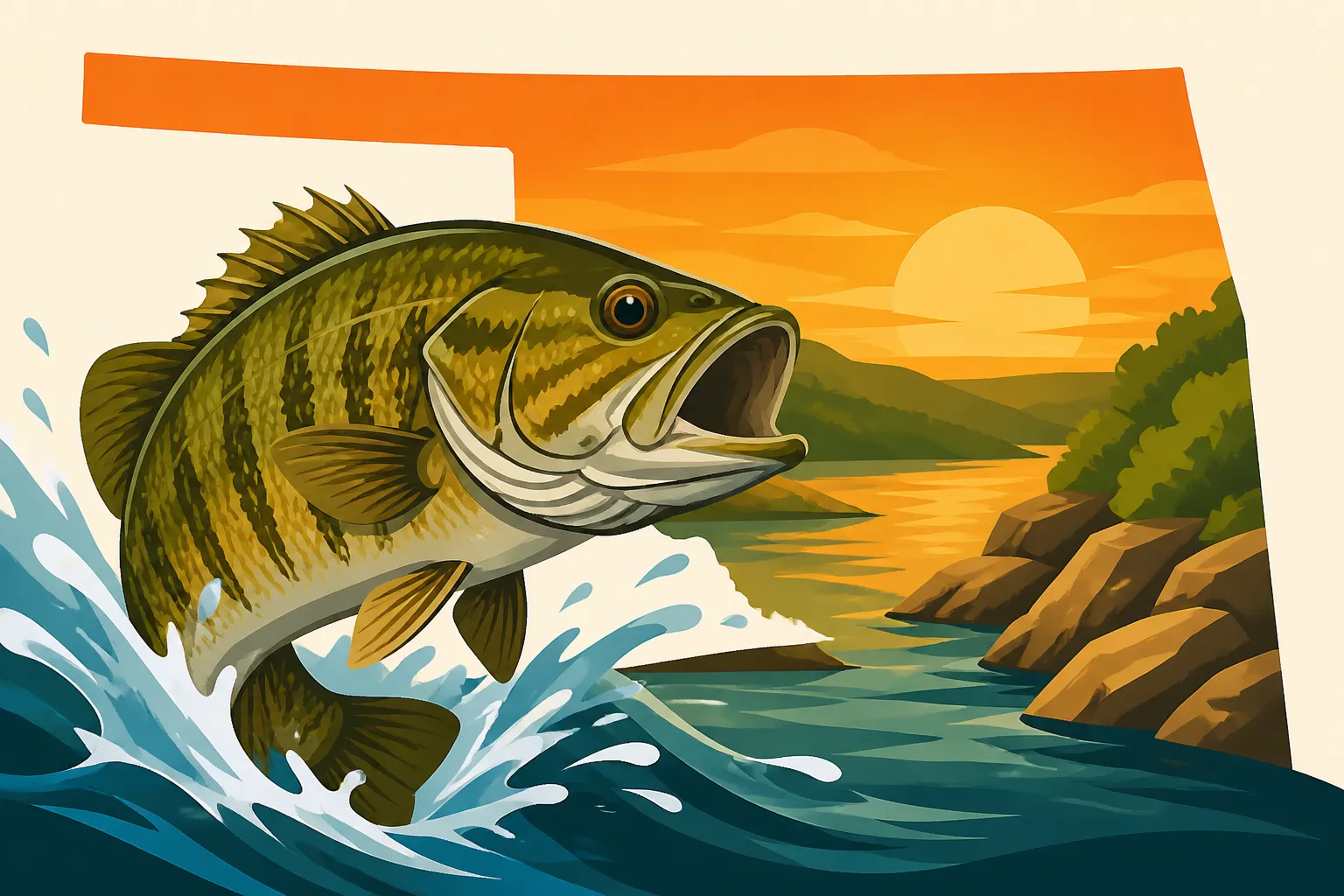
Smallmouth Bass in Oklahoma: What Anglers Should Know
For many anglers, the thought of smallmouth bass conjures images of rocky, clear-water lakes up north or swift-moving mountain streams. But let me tell you, here in Oklahoma, we've got our own share of these feisty bronze backs, and they offer some incredible fishing opportunities that often go overlooked! If you've ever dreamt of battling a hard-fighting smallmouth right here in the Sooner State, then you've come to the right place. This comprehensive guide will dive deep into everything you need to know about smallmouth bass in Oklahoma, helping you find them, understand their habits, and ultimately, bring one of these prized fish to your net.
The Smallmouth Bass: Oklahoma's Feisty Bronze Backs
The smallmouth bass, often affectionately called a "bronze back" or "brown bass," is a true jewel of the freshwater world. Known for its incredible fighting spirit and acrobatic leaps, it's a favorite target for many anglers, even if it might play second fiddle to its largemouth cousin in Oklahoma in terms of sheer numbers. Don't let that fool you, though; when you tie into an Oklahoma smallmouth, you'll know you've found something special. These fish thrive in specific environments, and understanding their preferences is the first step to consistent success.
Distinguishing Smallmouth Bass from Their Cousins
Before you can target smallmouth, you need to be able to tell them apart from their black bass relatives, the largemouth and spotted bass. It's a common mistake, especially when you're excited and a fish is flopping in the livewell. However, there are a few key characteristics that make identifying a smallmouth pretty straightforward once you know what to look for.
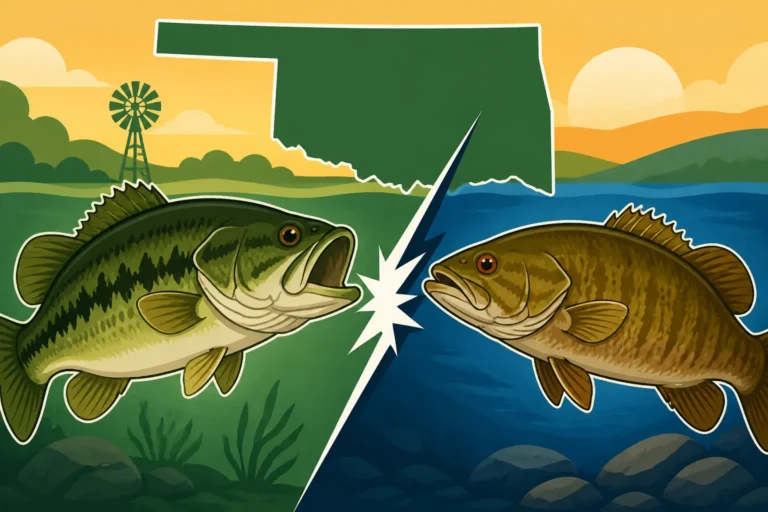
First and foremost, look at the mouth. On a smallmouth, when its mouth is closed, the upper jaw (maxillary) typically does not extend past the back edge of its eye. Compare this to a largemouth bass, where the jaw extends noticeably past the eye, giving it that "bucket mouth" appearance. Spotted bass, the third member of the black bass family found here, usually have a jaw that ends directly under the eye, a sort of in-between. The body coloration is another major clue. Smallmouth bass generally have a bronze, brown, or olive-brown back, often with distinct vertical bars or blotches along their sides, which can sometimes appear as faint tiger stripes. They typically lack the prominent horizontal stripe found on largemouths. Their eyes often have a reddish tint.
Another subtle but helpful identifier is the dorsal fin. A smallmouth's dorsal fin is typically connected, with a slight dip but not a clear separation, compared to the almost completely separated dorsal fins of a largemouth. The spotted bass often has a rough patch of teeth on its tongue, which is absent in both largemouth and smallmouth bass. By paying attention to these details, you'll quickly become adept at identifying these exciting fish. For a deeper dive into distinguishing these species, check out Largemouth vs Smallmouth vs Spotted Bass: How to Tell Oklahoma's Bass Apart.
Preferred Habitats and Water Conditions
Smallmouth bass are particular about where they live, a trait that sets them apart from the more adaptable largemouth. They are absolute connoisseurs of clear, cool, oxygen-rich water. This means you'll rarely find them thriving in murky, shallow, weedy environments that largemouths adore. Instead, smallmouth prefer rocky bottoms, gravel beds, boulders, submerged timber, and deep, defined ledges. They love structure, but it's hard structure, not soft vegetation.
In Oklahoma, this often translates to deeper reservoirs with steep, rocky shorelines and ample submerged structure, or cooler, clearer rivers and streams with noticeable current. Water temperature is also a huge factor. While largemouth can tolerate warmer water, smallmouth prefer cooler temperatures, generally thriving in waters between 65-72 degrees Fahrenheit. This dictates their seasonal movements, often sending them deeper during the scorching Oklahoma summers to find their preferred thermal refuge. Look for areas with quick depth changes, underwater points, humps, and current breaks, as these are classic smallmouth haunts where they can ambush baitfish or crawfish.
Where to Find Smallmouth Bass in Oklahoma: Prime Locations
While smallmouth bass might not be as widespread as largemouth across Oklahoma, the areas where they do thrive offer some truly exceptional fishing. Knowing which waters to target and what specific features to look for within those waters is crucial for a successful smallmouth outing. These fish congregate in specific types of environments, and once you learn to "read" the water for smallmouth potential, you'll open up a whole new world of angling adventure.
Top Lakes for Smallmouth Action
Oklahoma boasts a handful of incredible lakes that are renowned for their smallmouth populations. These reservoirs generally share common characteristics: clear water, rocky terrain, and significant depth. One of the undisputed champions for Oklahoma smallmouth is Lake Murray, located near Ardmore in Southern Oklahoma. This lake is practically tailor-made for smallmouth, with its exceptionally clear water, abundant rocky points, humps, and gravel flats. Anglers frequently find quality smallmouth here, often relating to submerged brush piles and rock outcroppings in deeper water during warmer months. The sheer volume of hard structure provides endless ambush points and hiding places.
Another gem is Broken Bow Lake in the southeastern part of the state. Nestled in the Ouachita Mountains, this deep, clear lake offers breathtaking scenery along with fantastic smallmouth fishing. Its rocky banks, bluffs, and crystal-clear waters provide ideal habitat. Targeting points, submerged islands, and deep creek channels are key here. Tenkiller Ferry Lake, located in Eastern Oklahoma, is another consistent performer. Known for its clear water and diverse structure, Tenkiller holds a healthy population of smallmouth, especially in areas with rocky ledges and offshore humps. Look for transition zones where rock meets gravel or where shallow flats drop off into deeper water.
Finally, Lake Arbuckle, near Sulphur, is an often-overlooked smallmouth powerhouse. Its clear waters and rocky bottom structure make it another prime candidate. These lakes aren't just great for smallmouth; they also offer fantastic fishing for other species, but their clear, rocky characteristics make them stand out for the bronze backs. When fishing these lakes, remember that fishing pressure can be a factor, so exploring less accessible areas or fishing during off-peak times can often lead to better results. You can find more details on these and other fantastic fishing spots in Best Fishing Spots in Oklahoma.
River and Stream Opportunities
While lakes get a lot of attention, some of Oklahoma's rivers and streams provide exceptional, and often less pressured, smallmouth fishing opportunities. These smaller, flowing waters demand a different approach, often favoring wade fishing or kayak angling, which can be an incredibly rewarding experience. The constant current and natural features create a dynamic environment where smallmouth thrive.
The Mountain Fork River, particularly the scenic stretch below Broken Bow Lake, is legendary for its smallmouth. Its cold, clear flows and rocky beds are perfect. Anglers often target deep pools, eddy lines behind boulders, and current breaks where smallmouth lie in wait for unsuspecting prey. The Illinois River in Northeast Oklahoma also offers good smallmouth fishing in its clearer, rockier sections, particularly as it winds through the Ozark foothills. Similarly, the Glover River, an unchanneled stream, provides a more remote and challenging smallmouth experience, with its pristine waters and diverse structure.
When fishing these rivers, focus on areas with visible current, such as riffles leading into deeper pools, gravel bars, and areas with submerged logs or boulders that break the flow. Smallmouth in rivers are usually aggressive due to the constant need to fight current and capitalize on passing food. Lightweight spinning gear is often preferred for river fishing, allowing for precise casts and agile presentations in tight quarters. Remember to always be aware of private land access and respect landowners' rights when fishing rivers and streams. Kayak fishing is an excellent way to cover more water on these rivers, and you can learn about essential gear in Kayak Fishing Gear Guide for Oklahoma Lakes.
Understanding Smallmouth Behavior Through the Seasons
Just like any other fish, smallmouth bass change their behavior and location with the shifting seasons. Water temperature, food availability, and spawning instincts all play a huge role in where these fish are and what they're willing to bite. A good smallmouth angler understands these patterns and adapts their techniques accordingly, rather than sticking to one method year-round. This seasonal understanding is what separates consistent success from random luck.
Spring: Pre-Spawn and Spawn Tactics
Ah, spring! This is arguably one of the most exciting times to target smallmouth bass in Oklahoma. As water temperatures begin to climb after the long winter, typically reaching the upper 40s to low 50s, smallmouth start to stir from their deep-water haunts. This is the pre-spawn phase, where they move to transitional areas near their deeper wintering holes, often staging on secondary points, humps, and rocky flats adjacent to deeper water. They are hungry and aggressive, packing on calories before the rigorous spawning period. Crankbaits, jerkbaits, and swimbaits are incredibly effective during this time, allowing you to cover water and entice these actively feeding fish. Tubes and grubs fished on the bottom can also be deadly as they forage for crawfish.
As the water warms further, generally into the upper 50s and 60s Fahrenheit, the smallmouth move onto shallower, rocky flats and gravel beds to begin their spawn. This is when they become territorial and protective of their nests. Look for beds in 2-10 feet of water, often near submerged rock or timber. While they might be focused on spawning, a well-placed tube, grub, or small jig can still provoke a strike. It's crucial during this time to practice responsible angling. Catching a spawning fish takes it off the bed, potentially leaving eggs vulnerable to predators. If you do catch one, release it quickly and gently to minimize its time away from the nest. Understanding these seasonal movements is key to successful bass fishing, and Oklahoma Bass Fishing: Techniques by Season offers more great insights.
Summer: Deep Water and Night Fishing
When the brutal Oklahoma summer sun starts baking the landscape and surface water temperatures soar into the 80s, smallmouth bass often retreat to their cool-water sanctuaries. This means moving to deeper water, often 20-40 feet or more, seeking out thermal stratification where oxygen levels are still good and temperatures are more comfortable. During this time, you'll find them congregated around main lake points, deep humps, ledges, and submerged timber on the main lake body. They'll relate to structure, but it will be deeper structure than in the spring.
Successful summer smallmouth fishing often involves vertical presentations. Deep diving crankbaits can be used to probe ledges and humps, while finesse techniques like drop shots, shaky heads, and football jigs become incredibly effective for targeting fish that are hunkered down. Slow, methodical presentations are often required. Another fantastic option for summer smallmouth, especially on clear lakes like Murray or Broken Bow, is night fishing. As the sun sets and the surface cools, smallmouth often move shallower to feed under the cover of darkness. Topwater lures, spinnerbaits, and even jerkbaits can be incredibly productive during cooler summer nights. This can be a magical experience, away from the daytime boat traffic, with the cool night air and the sudden explosion of a smallmouth on a topwater bait.
Fall: The Feeding Frenzy
Just as spring sees smallmouth feeding aggressively before the spawn, fall triggers an equally intense feeding frenzy as they prepare for the lean winter months. As water temperatures begin to drop from the summer highs, moving into the 60s and 50s, smallmouth become incredibly active. They'll often move back shallower, particularly in the mornings and evenings, chasing baitfish that are also moving towards the shallows.
This is a prime time for power fishing techniques. Topwater lures can still be effective, especially on calm mornings. Spinnerbaits, crankbaits, and swimbaits retrieved at a brisk pace can draw violent strikes from hungry smallmouth. Look for them on main lake points, rocky flats, and secondary channels, especially where baitfish are congregating. They'll often be found near vertical cover or structure that allows them to ambush prey. The fall bite can be some of the most consistent and exciting smallmouth action of the year, as the fish are eager to strike and often school up, meaning if you catch one, there are likely more nearby. Pay attention to changes in water temperature and baitfish activity, and you'll often find these bronze beauties willing to cooperate.
Winter: Slow and Deep
Winter smallmouth fishing in Oklahoma demands patience, precision, and a willingness to slow way down. As water temperatures plunge into the 40s and even 30s, smallmouth bass retreat to their deepest, most stable wintering holes. They become much less active, their metabolism slowing significantly, and they often suspend in deep water or hug tight to deep structure. You'll typically find them in the deepest parts of the lake, often near vertical drops, main lake channels, or pronounced humps where they can find stable temperatures.
During winter, active searching with fast-moving baits usually won't cut it. Instead, focus on slow, vertical presentations. Blade baits, jigging spoons, and small finesse plastics like drop shots and shaky heads are your best friends. These baits can be presented directly to fish suspended on your electronics or slowly worked along deep contours. The bites can be extremely subtle, often feeling like just a slight tick or added weight, so a sensitive rod and fluorocarbon line are crucial. While not as action-packed as spring or fall, catching a robust smallmouth in the dead of winter is a testament to skill and persistence, and it can be incredibly rewarding. It's a challenging but deeply satisfying way to extend your fishing season.
Essential Gear and Techniques for Oklahoma Smallmouth
Chasing smallmouth bass requires a somewhat refined approach compared to some other fishing endeavors. While they can be aggressive, they are also known for their clear-water preferences and keen eyesight, which means presentation and proper gear can make a significant difference. Having the right tools for the job means you're prepared for whatever conditions Oklahoma's diverse smallmouth waters throw at you.
Rods, Reels, and Line Selection
When it comes to smallmouth fishing, many anglers lean towards spinning tackle, especially for finesse presentations. A medium-light to medium power spinning rod, typically 6'6" to 7'2" in length, with a fast action tip, is ideal. This setup provides the sensitivity needed to detect subtle bites and the backbone to fight a strong smallmouth. Pair it with a 2000 or 2500 series spinning reel, spooled with 6-10 pound test line. Fluorocarbon line is a popular choice for smallmouth because of its low visibility in clear water and its excellent sensitivity. However, a braid-to-fluorocarbon leader setup offers the best of both worlds: the castability and strength of braid with the invisibility of fluorocarbon. Monofilament can also be used, especially for topwater lures or where a bit more stretch is desired.
For power fishing applications, especially in deeper water or when throwing heavier baits like larger crankbaits or spinnerbaits, a baitcasting setup comes into play. A medium-heavy power baitcasting rod, 6'8" to 7'6" in length, with a fast to moderate-fast action, paired with a reliable baitcasting reel, spooled with 10-15 pound fluorocarbon or braid, will provide the necessary power and control. The choice between spinning and baitcasting often comes down to the specific technique you're using and personal preference, but having both options covers most smallmouth scenarios. You can find more general tips for rods in Best Rods for Oklahoma Largemouth Bass, which often applies to smallmouth as well.
Top Lures and Baits
Smallmouth bass are opportunistic feeders, but they do have their favorites. Here's a breakdown of some essential lures and baits for your Oklahoma smallmouth arsenal:
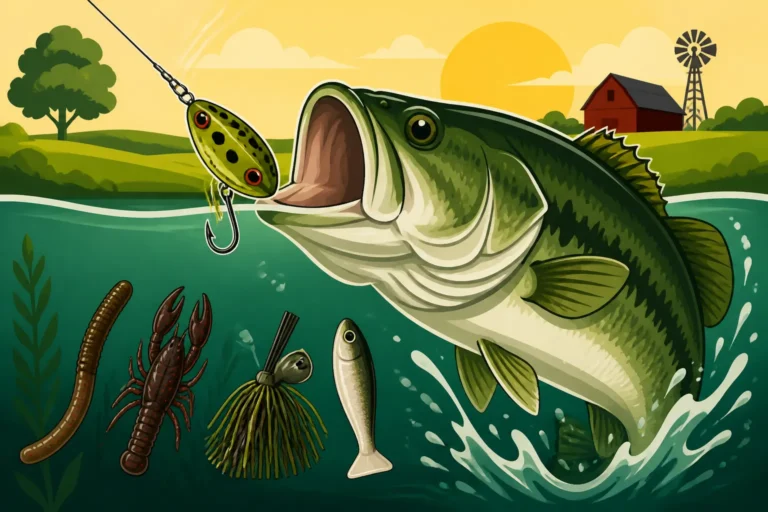
- Tubes and Grubs: These soft plastic baits are smallmouth magnets. Rigged on a jig head, they mimic crawfish or baitfish perfectly. Green pumpkin, watermelon, and brown are classic colors. Cast them, let them sink, and slowly drag or hop them along the bottom, especially over rocky areas.
- Jerkbaits: Especially deadly in cooler water (spring and fall), jerkbaits imitate dying baitfish. A hard, erratic twitch-pause retrieve can drive smallmouth crazy. Popular brands offer excellent options, and you can find a good selection on Amazon.
- Crankbaits: From shallow-diving models that deflect off rocks to deep-diving versions that plumb the depths, crankbaits are fantastic search baits. Crayfish patterns, shad colors, and chartreuse are all effective depending on water clarity and forage.
- Topwaters: When smallmouth are aggressive and feeding near the surface (especially early mornings, evenings, or during the fall), nothing beats the excitement of a topwater strike. Poppers, walking baits, and prop baits can be incredibly effective.
- Spinnerbaits: Often overlooked for smallmouth, a compact spinnerbait can be excellent in stained water or around submerged wood, creating flash and vibration that calls fish in.
- Jigs: Football jigs, in particular, are great for dragging along rocky bottoms, mimicking crawfish. Tip them with a small plastic trailer for added bulk and action.
- Drop Shot Rigs: The ultimate finesse technique, perfect for clear water or highly pressured fish. A small soft plastic minnow or worm rigged above a weight allows for subtle, vertical presentations. It’s a great way to target suspended fish or those hugging tight to structure.
Remember, the key is to experiment with retrieve speeds, pauses, and lure colors until you find what the smallmouth are responding to on any given day.
Finesse vs. Power Fishing
Smallmouth bass fishing in Oklahoma often boils down to a fundamental choice: finesse or power. Understanding when to employ each strategy is crucial for consistent success.
Finesse fishing involves lighter lines, smaller baits, and slower, more subtle presentations. This approach shines in clear water conditions, when fishing pressure is high, or when fish are less active, such as after a cold front or during the slow winter months. Techniques like the drop shot, Ned rig, shaky head, and small tubes or grubs on light jig heads are hallmarks of finesse fishing. These methods are designed to tempt wary smallmouth that might shy away from larger, more aggressive presentations. The goal is to imitate natural forage with minimal disturbance, enticing a bite through subtlety. When using light line and small baits, having a reliable line from Amazon can be a game-changer.
On the flip side, power fishing is about covering water quickly and generating reaction strikes with more aggressive baits. This strategy is most effective when smallmouth are active and feeding, often during the pre-spawn and fall feeding frenzies, or in low-light conditions like overcast days or at dawn/dusk. Lures such as crankbaits, jerkbaits, spinnerbaits, and topwaters fall into the power fishing category. These baits create a lot of commotion, vibration, and flash, triggering a smallmouth's predatory instincts. Power fishing allows you to efficiently locate active fish and capitalize on their aggressive moods. A good angler knows how to switch between these two approaches, reading the conditions and the fish's mood to choose the most effective strategy.
Smallmouth Bass Regulations and Conservation in Oklahoma
Fishing for smallmouth bass in Oklahoma, while exciting, comes with the responsibility of understanding and adhering to the state's fishing regulations. These rules are in place to ensure the sustainability of our fisheries and preserve the opportunity for future generations to enjoy the thrill of catching these magnificent fish. Ignoring them can lead to hefty fines and loss of fishing privileges, which nobody wants.
Statewide and Lake-Specific Rules
In Oklahoma, smallmouth bass fall under the general black bass regulations, which include largemouth and spotted bass. The statewide daily bag limit for black bass is generally 6 fish, with a statewide size limit of 14 inches for largemouth and smallmouth bass. This means any smallmouth you catch must be at least 14 inches long to be legally kept. However, it is absolutely critical to remember that many lakes and rivers in Oklahoma have specific, more restrictive regulations that supersede the statewide limits.
For example, some lakes might have a 16-inch minimum size limit, or even slot limits (e.g., you can only keep fish under X inches or over Y inches, with fish in the "slot" needing to be released). River sections might also have different rules, particularly for smallmouth. Always, always check the current Oklahoma Fishing Guide from the Oklahoma Department of Wildlife Conservation before you head out. This guide provides detailed information on specific lakes, rivers, and species. These rules can change, so a quick check online can save you a lot of trouble. You can learn more about general bass regulations in Oklahoma's Bass Fishing Rules and Limits and Oklahoma Statewide Bass Bag Limit Explained. Understanding How Many Bass You Can Keep in Oklahoma is vital for any angler.
Catch and Release Best Practices
Because smallmouth bass are not as abundant as largemouth in many Oklahoma waters, and because they are such a prized sport fish, practicing responsible catch and release is especially important for their conservation. While it's always fun to keep a few fish for dinner, consider releasing most of your smallmouth catches, especially larger breeding-size fish. This helps maintain healthy populations and ensures that these feisty fighters continue to reproduce and thrive.
When practicing catch and release, handle the fish with care. Minimize its time out of the water; a smallmouth fighting on the end of your line and then being exposed to air for too long causes stress and can severely reduce its chances of survival. Always wet your hands before handling a fish to protect its protective slime coat. Use de-hooking tools, like needle-nose pliers or hemostats, to quickly and gently remove hooks. If the fish is deeply hooked, it's sometimes better to cut the line as close to the hook as possible rather than tearing delicate internal organs trying to remove it. When releasing, hold the fish gently in the water, supporting its belly, and allow it to regain its strength before letting it swim away. Avoid tossing or dropping the fish back into the water. By following these simple practices, you contribute directly to the health of Oklahoma's smallmouth fishery.
Planning Your Oklahoma Smallmouth Adventure
Embarking on a smallmouth bass fishing trip in Oklahoma is an exciting prospect, but like any successful adventure, it requires a bit of planning. From choosing the right time to visit to deciding on your fishing platform, a little forethought can greatly enhance your chances of success and enjoyment on the water.
When to Go and What to Bring
Deciding on the "best" time to chase smallmouth in Oklahoma really depends on your fishing style and what kind of action you're looking for. Generally, spring (April-May) for the pre-spawn and spawn bite, and fall (September-October) for the aggressive feeding frenzy, offer the most consistent and exciting action. During these seasons, the fish are often more active and willing to strike a variety of lures. Summer mornings and evenings, or even night fishing, can also be productive, while winter demands patience and finesse. Knowing these seasonal patterns allows you to tailor your trip for optimal results.
Beyond your rods, reels, and tackle, a successful smallmouth trip requires some essential personal gear. Always check the weather forecast before you go, and dress in layers. Oklahoma weather can be unpredictable, with sudden temperature swings. Sun protection is paramount: a wide-brimmed hat, sunglasses (polarized lenses are a huge advantage for spotting structure and fish in clear water), and sunscreen are non-negotiable. Don't forget plenty of water to stay hydrated, especially during warmer months, and some snacks to keep your energy up. A good pair of comfortable, waterproof boots or wading shoes is crucial if you plan on bank fishing or wading rivers. A small first-aid kit, a headlamp for early morning or late evening excursions, and a map or GPS (especially on larger lakes) can also be invaluable additions to your gear bag.
Boat vs. Bank vs. Kayak Fishing
How you approach the water often dictates your success, and for smallmouth bass, you have several excellent options, each with its own advantages and disadvantages.
Boat fishing offers the most versatility, allowing you to cover vast amounts of water on larger lakes and access remote areas that are unreachable from the bank. Bass boats with powerful engines and sophisticated electronics are designed for efficiently targeting offshore structure where smallmouth often live. You can quickly move from point to point, probe deep ledges with electronics, and stay on top of schooling fish. This is often the most effective method for larger reservoirs like Lake Murray or Tenkiller. However, owning and maintaining a boat is a significant investment, and launching at busy ramps can sometimes be a challenge.
Bank fishing, while more limited in reach, is an excellent and accessible option for many anglers. On smallmouth lakes and rivers, look for areas with public access that feature rocky shorelines, points, or sudden depth changes near the bank. State parks and public access points often provide excellent bank fishing opportunities. While you won't cover as much water as a boat, focusing on a productive section of shoreline with the right bait can still yield fantastic results. It's also a much more affordable way to get started. You can find useful tips for this approach in Bank Fishing Techniques.
Kayak fishing hits a sweet spot between boat and bank, offering mobility and stealth without the full investment of a powerboat. Kayaks are particularly effective for navigating smaller rivers and streams, allowing you to silently paddle into prime smallmouth territory. They can also be used effectively on smaller, clear lakes or to explore secluded coves and shallow areas on larger reservoirs that bigger boats can't access. The low profile and quiet nature of a kayak make it perfect for sneaking up on wary smallmouth. While they require more physical effort than a powerboat, kayaks offer an intimate connection with the water and the fish. Choosing the right kayak and outfitting it for fishing can significantly enhance your experience. Consider what type of water you'll primarily be fishing before making your choice, and remember, a fishing license is required regardless of your chosen platform! What an Oklahoma Resident License Buys You for $31 a Year can give you an idea of license costs.
| Feature | Smallmouth Bass | Largemouth Bass | Spotted Bass |
|---|---|---|---|
| Maxillary (Upper Jaw) | Does NOT extend past the back of the eye | Extends WELL past the back of the eye | Ends DIRECTLY under the back of the eye |
| Coloration | Bronze, brown, or olive-brown; distinct vertical bars or blotches | Green to olive, often with a prominent dark horizontal stripe | Green to olive, dark spots forming horizontal rows |
| Dorsal Fin | Connected, with only a slight dip | Almost completely separated by a deep notch | Connected, with only a slight dip |
| Tongue Patch | ABSENT | ABSENT | PRESENT (rough patch of teeth on tongue) |
| Preferred Habitat | Clear, cool, rocky water; rivers, deep lakes | Weedy, warmer, often murkier water; shallow lakes | Clear to moderately stained water; deeper lakes, river channels |
| Fighting Style | Strong, acrobatic leaps, powerful runs | Powerful head shakes, deep dives | Aggressive, similar to smallmouth but generally smaller |
Disclaimer
This article is for general informational purposes only and does not constitute professional advice. Laws, prices and regulations vary by location and change over time. Consult a qualified professional for guidance on your specific situation.