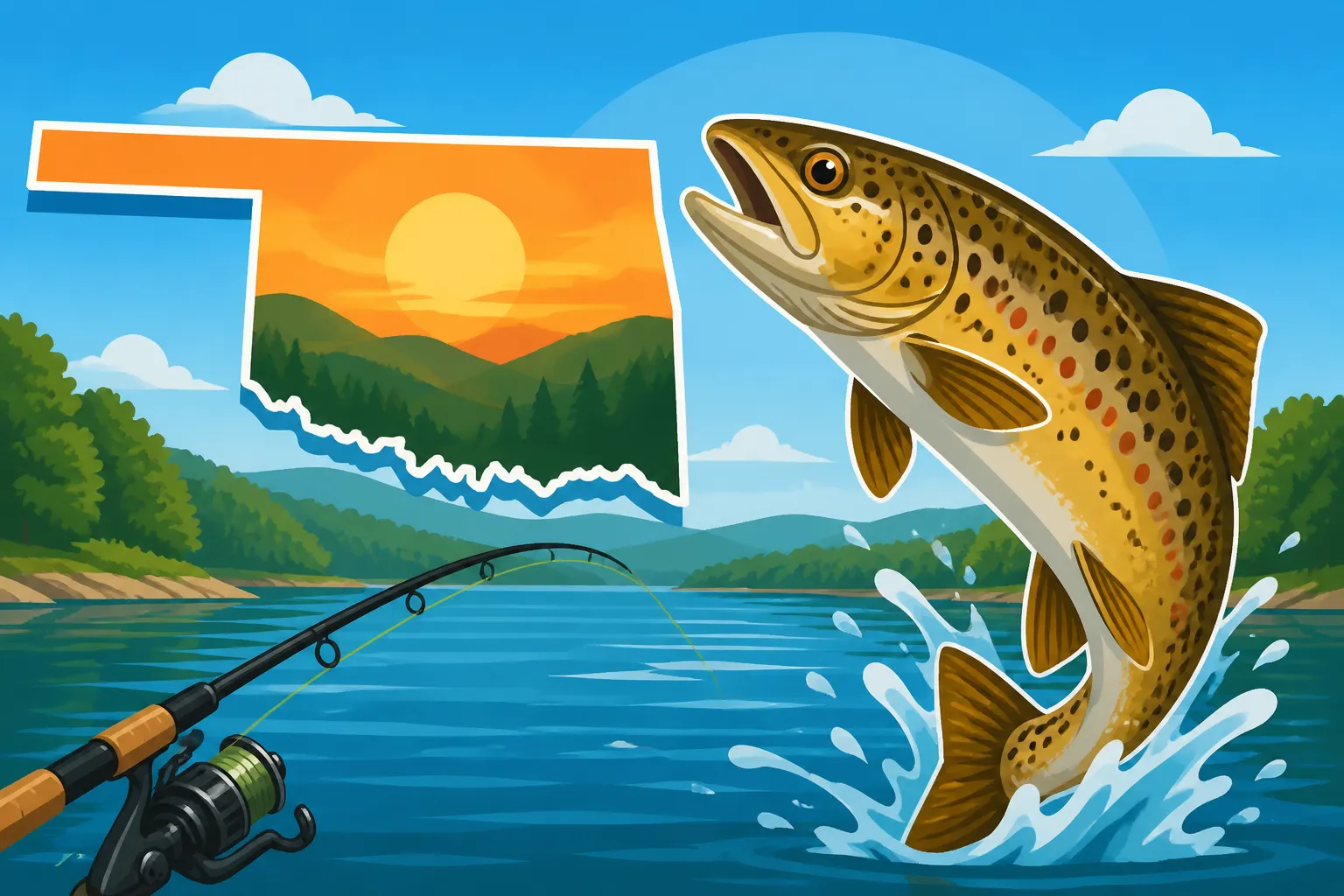
Do Oklahoma Lakes Stock Brown Trout?
It's a common question among passionate anglers new to the Sooner State or those looking to diversify their fishing experiences: do Oklahoma lakes stock brown trout? Many of us dream of catching that elusive, beautiful brown, known for its challenging fight and stunning markings, but the reality for most of Oklahoma's waters is a bit different. This guide will dive deep into Oklahoma's trout stocking programs, clarify what species you can expect to find, and offer insights into why brown trout remain a rare, almost mythical, catch here.
The Elusive Brown Trout in Oklahoma: Setting Expectations
Let's get right to it: generally speaking, no, Oklahoma does not actively stock brown trout in its lakes and reservoirs as a part of its regular sport fishing program. This can be a bit of a letdown for anglers who've heard tales of robust brown trout fisheries in other states. The Oklahoma Department of Wildlife Conservation (ODWC) focuses its significant trout stocking efforts on rainbow trout, which are much more suited to the put-and-take fisheries managed across the state. While it's not impossible to ever find a brown trout in Oklahoma, it would be an extremely rare, isolated, and likely naturally occurring event in specific, pristine cold-water stream environments, not a result of a widespread stocking initiative.
Natural Habitat vs. Oklahoma's Climate
Brown trout, scientifically known as Salmo trutta, are native to Europe and western Asia and are highly prized by anglers worldwide. They thrive in clear, cold, well-oxygenated water, typically found in mountainous regions or spring-fed streams where water temperatures remain consistently low, even during summer. These fish are also quite sensitive to water quality and need specific types of forage and cover to survive and reproduce.
When you look at much of Oklahoma, especially our large, sprawling reservoirs, the conditions are often far from ideal for brown trout. Our summers are notoriously hot, causing most lake and river waters to warm considerably. While deeper parts of some reservoirs might offer cooler refugia, the overall lack of sustained cold water, coupled with lower dissolved oxygen levels in many warm-water impoundments, makes them inhospitable for a self-sustaining brown trout population. The few areas that do support trout, like the Lower Illinois River, are unique due to cold water releases from dams, but even these are primarily managed for rainbow trout.
Understanding ODWC's Trout Stocking Philosophy
The Oklahoma Department of Wildlife Conservation's trout program is designed to create accessible, seasonal fishing opportunities, primarily through "put-and-take" fisheries. This means they stock catchable-sized fish for anglers to enjoy, knowing that many of these fish won't survive the warmer summer months once stocking ceases. Rainbow trout are incredibly well-suited for this model because they are hardy, grow relatively quickly in hatchery environments, and adapt well to a range of water conditions, making them an economically viable choice for widespread stocking.
The goal isn't necessarily to establish self-sustaining populations in most locations, but rather to provide a fantastic recreational angling experience. Because brown trout are more sensitive, have different spawning requirements, and are generally more challenging to raise in hatcheries for this specific purpose, they simply don't fit into the ODWC's current large-scale stocking strategy for sport fishing across the state. If you're specifically hoping to catch trout in Oklahoma, your focus should definitely be on the abundant and regularly stocked rainbow trout.
Oklahoma's Robust Trout Program: Where the Rainbows Are
Even without brown trout, Oklahoma offers some fantastic trout fishing opportunities, especially for rainbow trout. The ODWC works diligently to maintain several popular trout fisheries, providing anglers with a unique cold-water experience in a generally warm-water state. These areas draw thousands of anglers annually, eager to cast a line for these feisty, stocked fish. Knowing where and when these stockings occur is key to a successful trout outing.
Designated Seasonal Trout Areas
Oklahoma features several designated seasonal trout areas that are stocked during the cooler months, typically from November or December through February or March. These locations provide excellent "put-and-take" fisheries where anglers can enjoy catching freshly stocked rainbows. These spots are fantastic for families, beginners, or anyone looking for a fun day of fishing with a high likelihood of success. Some of the most popular seasonal spots include:
- Lake Watonga: Located in Roman Nose State Park, this small lake is a real gem, offering picturesque scenery along with its trout.
- Medicine Creek: Found in the Wichita Mountains Wildlife Refuge, this area provides a unique backdrop for trout fishing.
- Blue River Public Fishing and Hunting Area: Known for its clear, flowing waters, the Blue River is a perennial favorite for trout anglers during the stocking season.
- Lake Carl Etling: Way out in the panhandle at Black Mesa State Park, this offers a unique western Oklahoma trout experience.
It's crucial to check the ODWC's stocking schedule and specific regulations for each location before heading out, as dates and rules can vary. Anglers will also want to ensure they have the correct Fishing License Requirements in Oklahoma and any necessary trout permits.
| Seasonal Trout Area (Rainbow Trout) | Typical Stocking Season | Key Features for Anglers |
|---|---|---|
| Lake Watonga | Winter (Nov-Feb) | Scenic state park, easy access |
| Medicine Creek | Winter (Dec-Feb) | Unique refuge setting, clear water |
| Blue River Public Fishing Area | Winter (Nov-Mar) | Strong flows, challenging wading |
| Lake Carl Etling | Winter (Dec-Feb) | Panhandle location, quiet atmosphere |
Year-Round Trout Fishing Havens
Beyond the seasonal spots, Oklahoma boasts two truly exceptional year-round trout fisheries that thrive thanks to unique geological and infrastructural conditions. These rivers maintain cold water temperatures consistently, allowing for trout survival even in the hottest summer months. These spots are where some of Oklahoma's largest and most challenging rainbow trout are caught, and they offer a truly immersive trout angling experience.
- Lower Illinois River: Flowing out from Lake Tenkiller, the cold-water discharge from Tenkiller Dam creates an ideal environment for trout. This section of the river, from the dam down to the Highway 64 bridge near Gore, is famous for its trout fishery. It's stocked regularly with rainbow trout and occasionally sees some of these fish grow to impressive sizes, offering a genuine challenge. Anglers use a variety of techniques here, from fly fishing to spinning with small jigs and inline spinners. You can find excellent Rainbow Trout Fishing in Oklahoma opportunities here, and it's a fantastic place to practice your skills for Trout Fishing in Oklahoma: Rainbow and Brown Trout, even if the brown trout part is exceptionally rare.
- Mountain Fork River: Located in southeastern Oklahoma below Broken Bow Lake, this river is another year-round trout paradise. The cold water release from the dam sustains a healthy population of rainbow trout, making it a popular destination for anglers, particularly fly fishers. The scenery here is stunning, with crystal-clear waters winding through dense forests, providing a tranquil escape. This river demands skill and patience, often rewarding anglers with beautiful, hard-fighting trout. You can find advice on Best Bait for Rainbow Trout in Oklahoma or Best Time of Year to Catch Trout After Stocking if you're planning a trip to these spots.
These two rivers are the closest Oklahoma comes to having a self-sustaining cold-water fishery that would appeal to brown trout, but even here, the primary focus and success are with rainbow trout. The environmental conditions, while good for rainbows, still generally don't favor brown trout reproduction or long-term survival in significant numbers.
Beyond Brown Trout: Chasing Similar Thrills in Oklahoma
So, if brown trout are essentially a no-go for Oklahoma anglers hoping for stocked fisheries, what's a passionate fisher to do? The good news is that Oklahoma offers a tremendous diversity of game fish that provide similar thrills, challenging fights, and beautiful catches, catering to all sorts of angling preferences. Don't let the absence of brown trout dampen your spirits; the Sooner State's waters are teeming with excitement.
Why Anglers Crave Brown Trout
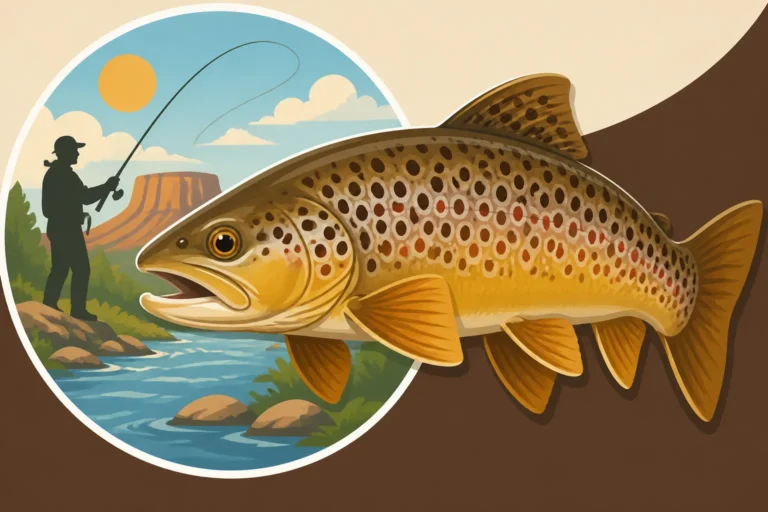
Anglers are often drawn to brown trout for several compelling reasons. They're renowned for their cunning nature, often being more challenging to catch than their rainbow counterparts. They're also incredibly beautiful, with distinct red spots and a golden-brown hue that makes them a prized photographic subject. Furthermore, brown trout are known for their strong, often acrobatic fights, providing an exhilarating experience on the end of a line. Many anglers equate catching a brown trout with a true test of skill and patience. If you've ever seen images of a trophy brown trout, you understand the allure and why someone might ask What Does a Brown Trout Look Like or wish to target them here.
This desire for a challenging, rewarding catch is something Oklahoma anglers share, even if the species in question isn't always a brown trout. The pursuit of a powerful, elusive fish is universal, and Oklahoma delivers on that front with other fantastic species.
Oklahoma's Feisty Alternatives for a Strong Fight
While brown trout might not be readily available, Oklahoma's lakes and rivers are home to numerous species that offer incredible fights and can grow to impressive sizes. If you're looking for that hard-pulling, adrenaline-pumping experience, consider targeting these native and introduced species:
- Largemouth Bass: Our state is a bass fishing paradise, and largemouths are plentiful in nearly every lake and pond. These aggressive predators offer explosive strikes and powerful battles, especially when hooked in heavy cover. Chasing a trophy largemouth provides just as much excitement and challenge as many trout species. Dive into Largemouth Bass Fishing in Oklahoma: The Complete Guide for all the tips and tricks.
- Smallmouth Bass: If you like clearer water and rocky structures, smallmouths are your game. Found in certain clearer lakes and rivers, these bass are known for their incredible fighting ability, often leaping clear out of the water. They are incredibly strong for their size and provide a truly spirited battle.
- Striped Bass and Hybrid Striped Bass: For pure power and endurance, nothing in Oklahoma beats the striped bass, especially in giants like Lake Texoma. These "line-sides" are ocean fish introduced to freshwater, and they fight like freight trains, making long runs and powerful surges. Hybrids offer a similar, albeit slightly smaller, battle. Oklahoma's Striped Bass: An Introduced Species Guide can give you all the details on these incredible fish. Trolling or casting into boiling schools of stripers can provide some of the most intense action you'll ever experience.
- Walleye: Found in several of our larger reservoirs, walleye are known for their delicious fillets and their elusive nature. While not as acrobatic as bass or stripers, they are a highly prized game fish that can be challenging to locate and entice, often requiring specific techniques and timing, similar to how one might approach a wary brown trout. Explore Walleye, Sauger and Saugeye: Oklahoma's Cousin Fish to learn more about these cool-water dwellers.
- Catfish (especially Blue Catfish): If you want to talk about powerful fights and potentially massive fish, look no further than Oklahoma's blue catfish. These giants can grow well over 100 pounds and are a true test of an angler's strength and gear. While a different style of fishing, the thrill of battling a huge blue cat is second to none.
Oklahoma's waters may not host a robust brown trout fishery, but they certainly don't lack in opportunities for thrilling, challenging, and rewarding fishing experiences with a variety of incredible species. It's about adapting your expectations and appreciating the diverse aquatic life we have right here.
Identifying Trout in Oklahoma: Rainbow vs. the "Ghost" Brown
When you're out fishing in Oklahoma's designated trout waters, you're overwhelmingly going to encounter rainbow trout. However, it's always good to know the distinguishing features, especially if you ever come across something unusual that makes you wonder if you've caught a rarity. Understanding the characteristics of the common rainbow trout will help you appreciate what's in your hands and quickly rule out the more elusive brown. Knowing Rainbow Trout vs Brown Trout: How to Tell Them Apart is a great skill for any angler.
Here's a quick rundown of what to look for:
| Feature | Rainbow Trout | Brown Trout |
|---|---|---|
| Coloration | Silvery body, often with a pink or red stripe along the lateral line. Overall iridescent sheen. | Golden-brown or olive-brown back, lighter sides, yellowish belly. Less iridescent. |
| Spots | Small, numerous black spots on the body, head, dorsal fin, and caudal (tail) fin. Often extend onto the tail fin. | Larger, more sparse dark spots, often with a light halo around them. Many spots are red or orange, particularly along the lateral line and lower body. Spots generally do not extend onto the tail fin. |
| Tail Fin | Squared or slightly forked. Prominent spots usually cover the entire tail. | Squared or slightly emarginate (shallowly notched). Few, if any, spots on the tail, which is often uniform in color. |
| Mouth | Upper jaw usually extends to the back of the eye. | Upper jaw extends well past the back of the eye, especially in larger adults. |
| Adipose Fin | Small, fleshy fin between dorsal and tail fin, usually without spots. | Small, fleshy fin between dorsal and tail fin, typically unspotted. |
If you ever catch a trout in Oklahoma that doesn't quite look like a typical rainbow, take a close look at the spots (especially the red ones and their halos) and the tail fin. While it's highly improbable to catch a naturally reproducing brown trout, you never know when an anomaly might occur. For most purposes, however, if it's a trout from an Oklahoma stocked area, it's a rainbow. Knowing the differences can certainly add to your appreciation of these beautiful cold-water fish, even if the brown remains largely a "ghost" in Oklahoma's fishing tales.
Disclaimer
This article is for general informational purposes only and does not constitute professional advice. Laws, prices and regulations vary by location and change over time. Consult a qualified professional for guidance on your specific situation.