Paddlefish Snagging at Grand Lake in Oklahoma
For many anglers, the idea of chasing prehistoric fish with a unique method like snagging can feel intimidating, especially when you’re talking about a lake as vast and legendary as Grand Lake O' the Cherokees. It’s a completely different ballgame from your typical bass or crappie trip, and the specialized techniques and equipment can leave newcomers scratching their heads. This comprehensive guide will walk you through everything you need to know to successfully experience the thrill of paddlefish snagging at Grand Lake in Oklahoma, from understanding the fish itself to mastering the techniques and navigating the rules.
Understanding Oklahoma's Paddlefish: The Prehistoric Giants
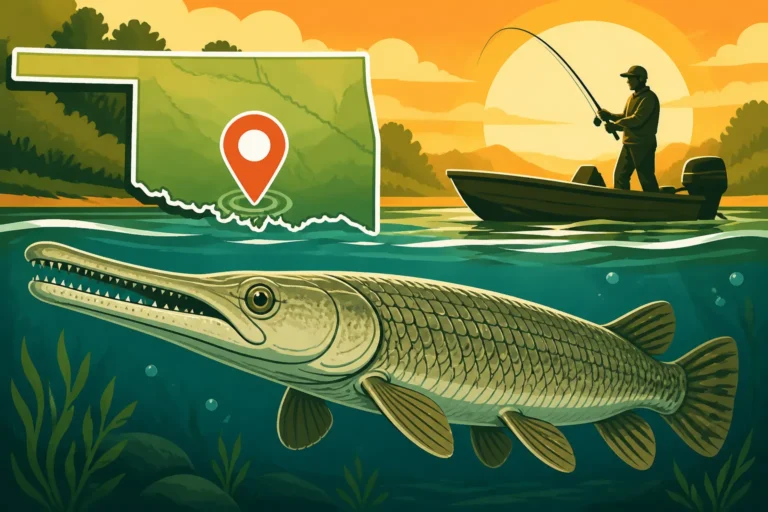
Imagine a fish that’s been around since the dinosaurs, a living fossil with a distinctive, elongated snout resembling a paddle. That's the paddlefish, and Oklahoma is lucky enough to have thriving populations, particularly in the Grand Lake region. These aren't your typical sport fish, and their unique biology dictates a unique angling approach.
What Exactly is a Paddlefish?
The American paddlefish (Polyodon spathula) is an extraordinary creature, often referred to as a "spoonbill cat" due to its distinctive, paddle-shaped snout. This isn't just for show; it's packed with electroreceptors that help the fish detect zooplankton, their primary food source. Unlike most fish we pursue with traditional baits, paddlefish are filter feeders. They swim with their mouths open, sifting microscopic organisms from the water. They can grow to incredible sizes, with some individuals pushing well over 100 pounds and reaching lengths of seven feet or more. Landing one of these giants is an unforgettable experience, a true test of strength and endurance.
Their smooth, shark-like skin and cartilage skeleton set them apart from bony fish. They don't have scales in the traditional sense, and their unique physiology makes them a fascinating study for biologists. For anglers, this means a powerful, dense fish that pulls like a freight train once hooked. Knowing this helps you appreciate the kind of tackle you'll need – finesse fishing won't cut it here.
Why Paddlefish Are Snagged, Not Hooked
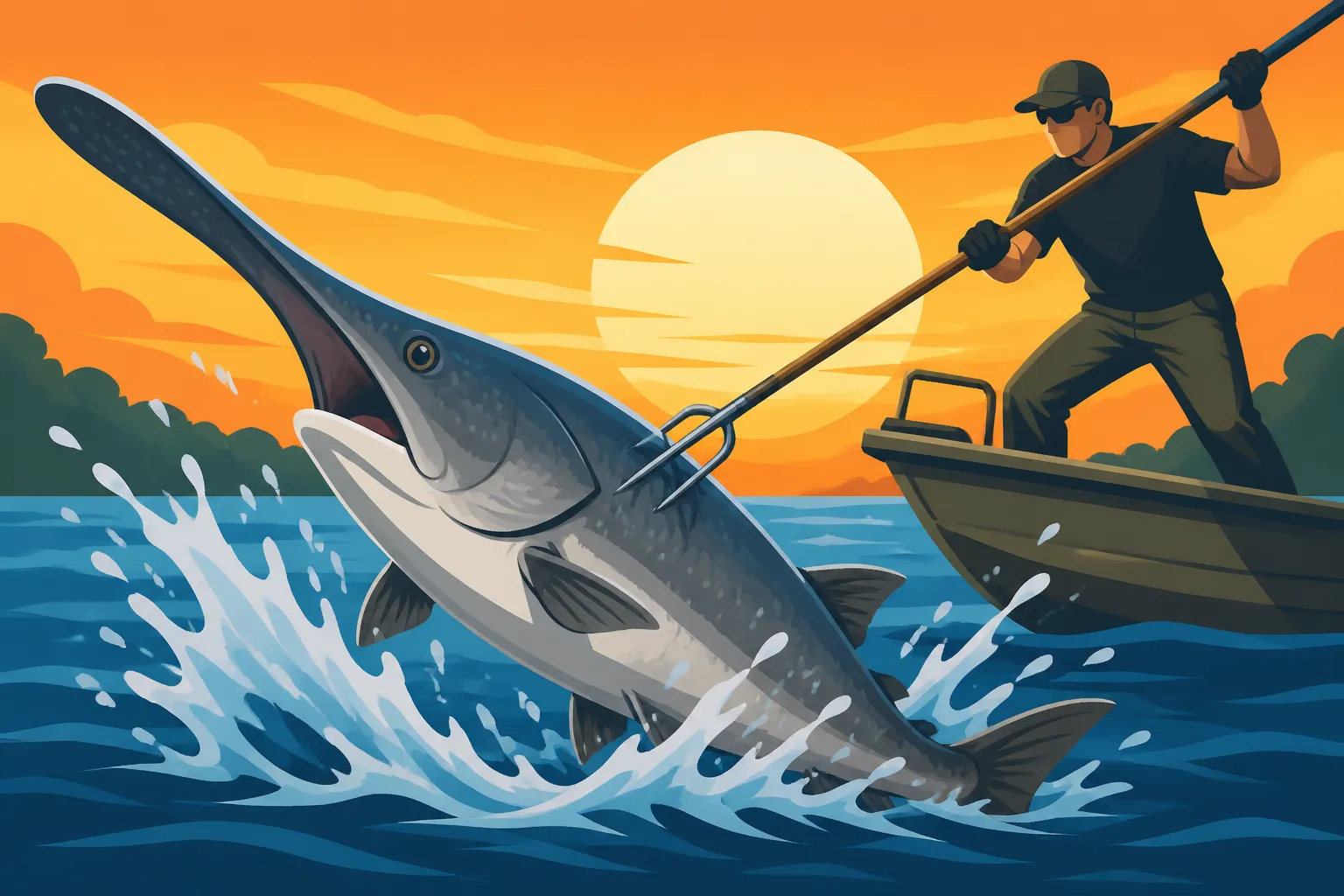
Because paddlefish are filter feeders, they don't strike lures or bite bait like other game fish. You can't just throw out a worm or a crankbait and expect to catch one. This biological reality is why the only effective and legal method for catching them is snagging. Snagging involves casting a heavy lure or weight with large, stout treble hooks and then "ripping" it through the water column, hoping to impale the fish anywhere on its body. It might sound a bit unconventional, or even a little harsh, but it's the accepted and regulated method for harvesting these ancient fish.
The technique requires significant effort, as you're essentially trying to "catch" a fast-moving, often deep-dwelling fish in a vast body of water. It's less about tricking them with bait and more about presenting your hooks in the right place at the right time. The key is to be in areas where paddlefish congregate, typically during their spawning migrations or in deeper channels. This isn't a passive fishing method; it's an active, physically demanding pursuit that offers a huge payoff when you connect with a powerful paddlefish.
The Paddlefish Population in Oklahoma
Oklahoma boasts one of the most robust and well-managed paddlefish fisheries in the United States, largely thanks to dedicated conservation efforts by the Oklahoma Department of Wildlife Conservation (ODWC). The state's large reservoirs, particularly Grand Lake, Lake Hudson, and Fort Gibson, provide ideal habitats for these fish, with ample food sources and suitable spawning grounds. Regular stocking programs and careful regulation ensure the sustainability of the population, allowing anglers to continue enjoying this unique sport for generations.
The health of the paddlefish population is closely monitored, with studies on age, growth, and reproductive success informing management decisions. This means that when you're out on the water, you're participating in a fishery that is carefully nurtured. Knowing that you're part of a sustainable angling tradition makes the experience even more rewarding. The sheer number of large paddlefish caught each season at Grand Lake is a testament to the success of these programs, making it a bucket-list destination for many snagging enthusiasts.
Grand Lake O' the Cherokees: The Heart of Oklahoma Paddlefish Snagging
If you're serious about paddlefish snagging in Oklahoma, Grand Lake O' the Cherokees is where you need to be. It's not just a big lake; it's a paddlefish mecca, drawing anglers from all over the country each season. The lake's specific characteristics make it an unparalleled destination for this exciting form of fishing.
Grand Lake's Unique Ecosystem for Paddlefish
Grand Lake, formed by the Pensacola Dam on the Neosho River, offers an ideal environment for paddlefish. The lake's vast expanses, coupled with its riverine influences, provide the perfect blend of deep channels, nutrient-rich waters, and access to upstream spawning areas. The consistent flow of water from its tributaries, especially the Neosho and Spring Rivers, is crucial for stimulating paddlefish migrations during the spawning season. These river systems bring in the necessary plankton for feeding and the current needed to trigger their ancient reproductive instincts.
The deeper parts of the lake, particularly near the dam and in the main river channels, serve as excellent wintering and staging grounds. As temperatures rise in spring, the paddlefish begin their journey upstream. This predictable migration pattern is what makes snagging so productive here. Understanding these movements is key to finding where the fish will be, whether they're holding in deep water or moving into shallower areas for their spawn. It's a dynamic fishery, and Grand Lake provides all the necessary elements for a thriving paddlefish population.
Historical Significance and Popularity
Grand Lake's reputation as the spot for paddlefish snagging isn't new; it's been cultivated over decades. The area has a long history of this unique fishery, with locals and visiting anglers making annual pilgrimages. The sheer size and numbers of paddlefish caught here have cemented its legendary status. It's a place where state records have been set and broken, and where anglers regularly pull in paddlefish weighing 60, 70, or even 80 pounds. This reputation creates a vibrant, almost festival-like atmosphere during peak snagging season, with boat ramps bustling and stories of trophy catches echoing through local bait shops.
The community around Grand Lake embraces its paddlefish heritage, with many guides and businesses catering specifically to snagging enthusiasts. This infrastructure, combined with the consistent success rates, contributes to its enduring popularity. For many, a trip to Grand Lake for paddlefish isn't just fishing; it's a tradition, a social event, and a chance to connect with one of nature's most incredible freshwater species. Which Oklahoma Lake Has the Best Paddlefish Snagging highlights why Grand Lake consistently comes out on top for this unique pursuit.
Access Points and Prime Snagging Locations
Grand Lake is massive, so knowing where to launch and where to focus your efforts is crucial. Popular access points like Bernice State Park, Twin Bridges State Park, and the numerous private marinas scattered around the lake offer excellent facilities for launching boats of all sizes. During the peak snagging season, these ramps can get quite busy, so planning your launch and retrieval times is wise. Once on the water, the primary areas for paddlefish snagging typically involve the main river channels leading into the lake, especially the Neosho and Spring River arms, and the deeper sections near the Pensacola Dam.
Anglers often target the main river channels and deeper bends where paddlefish congregate during their migrations. Key areas might include the deep water just below the Twin Bridges or the river channels upstream towards Miami, Oklahoma. These spots offer the depth and current that paddlefish favor. It’s not uncommon to see several boats drifting in similar patterns, a clear sign that you’re in a productive zone. Pay attention to your fish finder; paddlefish often suspend in the water column or hold near the bottom, and identifying these schools is the first step to a successful snag.
Timing Your Trip: When to Hit Grand Lake for Paddlefish
Paddlefish snagging at Grand Lake isn't a year-round affair. It's governed by specific seasons and regulations, all designed to protect the fish while providing ample opportunity for anglers. Knowing when to go and understanding the nuances of the season are critical for a successful trip.
The Official Snagging Season Rules
The Oklahoma Department of Wildlife Conservation sets precise seasons for paddlefish snagging, and these are absolutely essential to follow. Generally, the season for paddlefish snagging runs during the spring months, typically from March 1st through May 15th on Grand, Hudson, and Fort Gibson Lakes. However, always double-check the current ODWC regulations booklet or website, as dates can shift slightly year to year. Fishing outside these dates, or using illegal methods, can lead to significant penalties, including fines and confiscation of gear. Paddlefish Snagging Season in Oklahoma provides more detailed information on these important dates.
The spring season aligns with the paddlefish's natural spawning migration, when they move upstream from the main lake into the river channels. This concentration of fish makes them more accessible to snagging. While the season has specific start and end dates, the best time within that window can vary based on water temperature and flow, which directly influence fish movement. Planning your trip carefully around these official dates and anticipated fish movements will greatly increase your chances of success.
Ideal Water Conditions and Migratory Patterns
While the season provides the official window, successful snagging often boils down to hitting the water when conditions are prime. Paddlefish migrations are heavily influenced by water temperature and flow. Typically, as water temperatures begin to rise in early spring, usually into the low to mid-50s Fahrenheit, paddlefish start their upstream movement. Heavy spring rains that increase river flow can also trigger these migrations, pushing fish from the main lake into the tributary arms. A good flow, but not overly muddy water, is often considered ideal.
Watching weather patterns and river gauges can give you a significant advantage. A period of stable weather after a warming trend, with moderate river flow, often means the fish are actively migrating and concentrated. Conversely, a sudden cold front can slow down their movement, causing them to drop back into deeper pockets or pause their journey. Understanding these natural cues allows you to predict the best days to be on the water. Best Time of Year to Snag Paddlefish at Grand Lake, Oklahoma goes into more depth on seasonal timing.
Understanding Daily and Seasonal Limits
Just like with any other game fish, there are strict bag and possession limits for paddlefish to ensure the sustainability of the fishery. In Oklahoma, the daily paddlefish bag limit is typically one fish per person. There's often a statewide annual possession limit as well, which might be two paddlefish per angler. This means you can only keep one paddlefish per day, and once you've reached your annual limit, you can no longer keep any more paddlefish for the remainder of that calendar year, even if the season is still open.
These limits are designed to protect the population, especially large breeding females, and every angler has a responsibility to adhere to them. It’s also important to note that once a paddlefish is caught and kept, it must be immediately processed by removing the head and internal organs, and the eggs (roe) can be harvested. Many anglers are after the valuable roe for caviar. Any paddlefish caught that is not going to be kept must be immediately released unharmed. Always review Oklahoma's Bag Limit Rules by Species before your trip, as these regulations are strictly enforced.
Essential Gear for Successful Paddlefish Snagging
Paddlefish snagging is not for the faint of heart, nor for light tackle. These fish are large, powerful, and require a specialized arsenal to bring them to the boat. Investing in the right gear is paramount, not just for success, but for safety and the ability to handle these magnificent creatures respectfully.
Rods, Reels, and Line: Power and Durability
Forget your medium-action bass rod; for paddlefish snagging, you need heavy-duty equipment. Think saltwater-grade gear. Your rod should be a stout, heavy-action, conventional casting rod, often 7 to 9 feet long. This length provides the leverage needed for long casts with heavy weights and the backbone to drive large hooks into a powerful fish. Look for rods rated for 50-100 pound test line or higher. When it comes to reels, a large conventional baitcasting reel (like a Penn Squall or an Ambassadeur 7000 series) with a strong drag system and high line capacity is essential. You'll be making repetitive, forceful casts and retrieves, so durability is key. Many anglers find great deals on robust reels suitable for this purpose on Amazon.
For line, braided superline is the undisputed champion. It offers incredible strength-to-diameter ratio, no stretch for solid hooksets, and excellent abrasion resistance. You'll want at least 80-pound test braided line, with many experienced snaggers opting for 100 to 150-pound test. The sheer pulling power of a large paddlefish demands it. This heavy line minimizes break-offs, which are not only frustrating but can leave gear in the water and potentially harm fish. The combination of a heavy rod, robust reel, and super-strong braid creates a formidable setup capable of tackling these prehistoric giants.
Heavy-Duty Hooks and Weights
The business end of your paddlefish rig consists of large, heavy treble hooks and substantial weights. Forget the small hooks you'd use for panfish; paddlefish require treble hooks in sizes like 10/0, 12/0, or even 14/0. These hooks need to be incredibly strong and sharp, capable of penetrating the tough hide of a paddlefish. Some anglers prefer to use a snelled hook setup, while others opt for a directly tied, single-treble rig. It’s critical to use hooks that are legally sized; check current regulations for any specific limitations on hook size or type.
Weights are equally important, as you need to get your hooks down to the fish in strong currents. Bell sinkers or pyramid sinkers ranging from 8 ounces up to 16 ounces (or even more in very fast current) are commonly used. The weight is typically rigged several feet above the hooks, allowing the hooks to trail behind and sweep through the water column where the fish are holding. This entire setup is robust, and you can find many options for these specialized hooks and weights on Amazon, making it easy to assemble your rig. What Gear Do You Need for Paddlefish Snagging provides more insights into building your perfect setup.
Critical Boating and Safety Equipment
Beyond the fishing tackle, proper boating and safety equipment are non-negotiable, especially on a large, busy lake like Grand Lake. A sturdy boat capable of handling open water and strong currents is essential. You'll also need a reliable trolling motor for maintaining drifts and maneuvering. A good fish finder or sonar unit is invaluable for locating schools of paddlefish, which often suspend in deeper channels. Modern units with side-imaging or down-imaging can make a huge difference in finding productive areas.
Safety equipment includes Coast Guard-approved life jackets for everyone on board – particularly important for children under 13, who are required to wear them while underway. A throw cushion or ring, working navigation lights, a fire extinguisher, and a horn or whistle are also mandatory. Given the physical nature of snagging and the size of the fish, a large, sturdy landing net or a heavy-duty gaff is crucial for bringing a paddlefish into the boat safely. A good cooler with plenty of ice is also a must if you plan to keep your catch. Always carry a first-aid kit, and ensure your boat's registration is current. Oklahoma Boat Safety Equipment Checklist details all required safety gear.
| Item Type | Specific Gear Recommendation | Why It's Essential |
|---|---|---|
| Rod | 7-9 ft Heavy/Extra-Heavy Conventional | Power for casting heavy weights, leverage for strong fish |
| Reel | Large Conventional Baitcaster (e.g., Ambassadeur 7000) | High line capacity, strong drag, durability for repetitive use |
| Line | 80-150 lb Braided Superline | No stretch for hooksets, high strength, abrasion resistance |
| Hooks | 10/0 – 14/0 Heavy Treble Hooks | Required size and strength for paddlefish |
| Weights | 8-16 oz Bell or Pyramid Sinkers | Get hooks down to fish in current, maintain depth |
| Fish Finder | Sonar with Down/Side Imaging | Locating paddlefish schools and submerged structure |
| Life Jackets | USCG Approved PFDs for all on board | Safety, legal requirement |
| Landing Gear | Large, Sturdy Landing Net or Gaff | Safely landing large, powerful fish |
| Cooler | Large Capacity with Ice | Storing catch, especially if keeping roe |
Mastering Paddlefish Snagging Techniques
Connecting with a paddlefish is an art and a science. It's about more than just brute strength; it requires understanding fish behavior, mastering your cast, and executing a precise retrieve. The techniques used are specific to the unique nature of this fishery.
Drifting Strategies on Grand Lake
Successful paddlefish snagging often hinges on effective drifting. Most anglers use their boat's trolling motor to control their drift speed and direction, positioning themselves in areas where fish are likely to be concentrated, such as deep river channels, bends, or ledges. The goal is to present your heavy rig where the paddlefish are suspending or actively moving. This often means drifting with the current, allowing your weight and hooks to sweep through the productive water column. Using your fish finder to identify schools of paddlefish is critical here; once you spot them, adjust your drift to pass directly over or slightly ahead of them.
Experienced snaggers will pay close attention to the wind and current, using their trolling motor to "steer" the boat and maintain a controlled drift. Sometimes this means a slow, methodical drift, while other times a faster pace is needed to cover more ground or keep up with moving fish. It's a constant dance between boat control, current, and what your electronics are telling you. Observing other successful boats in the area can also provide clues about productive drift patterns and depths. How Does Paddlefish Snagging Work in Oklahoma gives further detail on these tactics.
The Art of the Retrieve and Hook Set
Once your rig is in the water, the actual snagging technique involves a rhythmic, powerful retrieve. You cast your heavy weight and hooks out, let it sink to the desired depth (often near the bottom or where your fish finder shows fish), and then begin a series of long, sweeping pulls or "rips" with your rod. This isn't a gentle jigging motion; it's a strong, upward sweep of the rod, followed by quickly reeling up the slack as you drop the rod tip back down. The idea is for the hooks to sweep through the water where the fish are, hoping to catch on to their body.
When you feel a heavy thud or resistance, it's often a paddlefish. This is where a powerful hookset is crucial. You need to really lean into the rod, driving those large trebles securely into the fish. Unlike a traditional bite, a snag feels like hitting a submerged log that suddenly fights back. The initial shock can be intense, and the fight is often a powerful, sustained pull rather than erratic jumps. Your heavy gear is designed for this moment – to withstand the initial surge and allow you to reel in a large, unyielding fish.
Handling Your Catch: Keeping and Releasing
Once you've successfully snagged a paddlefish and brought it to the boat, proper handling is essential, whether you plan to keep it or release it. If you're keeping the fish, move it quickly and safely into a large cooler filled with ice. Many anglers are after the roe (caviar), and immediate chilling helps preserve its quality. Be mindful of the large hooks; these fish are powerful, and one wrong move could result in injury. If you intend to harvest the fish, you must immediately remove the head and internal organs once you've decided to keep it, especially if you're targeting the roe.
For fish you intend to release, the key is minimal stress and quick release. Avoid dragging the fish onto the boat if possible. Instead, unhook it in the water if feasible, or quickly bring it aboard, remove the hooks with long-nose pliers, and immediately get it back into the water. Support the fish horizontally in the water, allowing it to recover before letting it swim away. Avoid excessive handling, especially by the gills or tail, and minimize its time out of the water. Remember, conservation is key to ensuring this unique fishery thrives. How Big Do Paddlefish Get in Oklahoma is a great read to appreciate the size of these magnificent creatures and why careful handling is so important.
Navigating Oklahoma's Paddlefish Regulations and Best Practices
Fishing for paddlefish in Oklahoma comes with a specific set of rules and ethical considerations. Being a responsible angler means not only knowing these regulations inside and out but also practicing good sportsmanship and contributing to the conservation of this incredible species.
Licensing Requirements for Snagging
Before you even think about hitting Grand Lake for paddlefish, you absolutely must have the correct Oklahoma fishing license. For most residents, an annual Oklahoma Fishing License is sufficient. Non-residents will need a non-resident annual or temporary fishing license. However, here's a critical detail: any angler (resident or non-resident), regardless of age, who plans to fish for paddlefish, and keep them, must also possess a Paddlefish Permit. This permit is an additional endorsement that helps the ODWC track harvest numbers and manage the population effectively. If you're just out there to snag and immediately release, some exemptions might apply, but it's always safest to have the permit if there's any chance you'll keep a fish.
Children under a certain age (typically under 16 for residents, or under 14 for non-residents if not possessing their own license) might not need a general fishing license, but the Paddlefish Permit requirement often applies to anyone keeping a fish, regardless of age. Always check the current regulations carefully, as these details can change. Getting caught without the proper license or permit can result in significant fines and legal trouble. You can easily purchase your licenses and permits online or from authorized vendors. Fishing License Requirements in Oklahoma will provide more in-depth information on all the necessary permits.
Specific Rules and Prohibitions
Paddlefish snagging has its own unique set of rules beyond just seasons and limits. For instance, the method is specifically defined as using a rod, reel, and line with a single barbless hook or up to three hooks (barbed or barbless), no more than 2 inches from point to shank. You can't use trotlines, jug lines, or nets for paddlefish (unless you're a commercial fisherman with special permits, which is a different ballgame). There are also specific rules about when and where snagging is permitted – generally, only from sunrise to sunset in designated waters during the open season. Night snagging is typically prohibited.
Another crucial rule involves the disposition of your catch. As mentioned, any paddlefish you keep must have its head and internal organs removed immediately after you decide to retain it. This "dressing" helps ensure compliance with limits and reduces waste. Some areas may have specific slot limits or size restrictions, so it's always wise to check local signage or the ODWC regulations for Grand Lake specifically. Violating any of these rules can result in penalties. Oklahoma's Catfish Fishing Rules and Limits and Oklahoma's Bass Fishing Rules and Limits highlight that different species have different regulations, so ensure you're familiar with paddlefish specifics.
Ethical Angling and Conservation
Being a responsible paddlefish angler means more than just following the letter of the law; it means practicing ethical angling and contributing to the long-term conservation of the species. This includes making conscious decisions on the water. For example, if you've already filled your limit, consider switching to another species or focusing solely on catch and release, ensuring quick and safe releases for any paddlefish you might accidentally snag.
Participating in creel surveys or reporting unusual catches (or observations of illegal activity) to game wardens helps state biologists manage the fishery. Remember that paddlefish are a unique and valuable resource. Their long lifespan and slow reproductive rates make them particularly vulnerable to overharvesting, which is why strict regulations and ethical practices are so vital. By adhering to the rules and promoting responsible fishing, you play a direct role in safeguarding this incredible prehistoric species for future generations.
Disclaimer
This article is for general informational purposes only and does not constitute professional advice. Laws, prices and regulations vary by location and change over time. Consult a qualified professional for guidance on your specific situation.