How Striped Bass Came to Oklahoma: An Introduced Species
You've probably heard the stories about monstrous striped bass pulled from Oklahoma's deep reservoirs, powerful fish that fight like freight trains and stretch the tape far beyond what most freshwater anglers expect. But have you ever paused to wonder how these magnificent, ocean-dwelling fish ended up thriving in the middle of a landlocked state like Oklahoma? It's a common question, and one that often sparks fascinating conversations among seasoned anglers. This guide is going to take a deep dive into the incredible journey of how striped bass, a true saltwater species, made their way into our Sooner State waters and became one of our most celebrated game fish.
From Salty Seas to Sooner Lakes: Understanding Striped Bass Origins
It's easy to look at a map of Oklahoma and immediately understand that we're far, far from any ocean. So, the idea of a saltwater fish like the striped bass becoming a dominant species in our lakes seems almost fantastical. Yet, here we are, battling these hard-fighting fish that behave much like their coastal cousins. To truly appreciate their presence in Oklahoma, we first need to understand where they naturally belong.
The Natural Habitat of Stripers: An Anadromous Journey
Naturally, striped bass, or stripers as we affectionately call them, are anadromous fish. What does "anadromous" mean? It means they spend most of their adult lives in saltwater, typically along the Atlantic coast from Canada down to the Gulf of Mexico, but they migrate into freshwater rivers and estuaries to spawn. Think of salmon, but in reverse—they don't die after spawning, and many make the journey multiple times. They are perfectly adapted to the dynamic environment of coastal areas, moving between brackish waters and pure freshwater rivers for reproduction, and then back to the expansive ocean for feeding and growth. Their bodies are built for this transition, allowing them to osmoregulate effectively in varying salinity levels.
These massive schools of stripers follow baitfish along the coast, creating legendary runs that attract anglers from all over the world. They are opportunistic predators, feasting on whatever is available, from bunker and herring to shrimp and crabs. This lifecycle, deeply tied to the ocean and connecting rivers, is the blueprint for a wild striped bass population. This natural history makes their presence in Oklahoma all the more remarkable, a testament to human ingenuity and the adaptability of the species.
Why Oklahoma's Inland Waters Posed a Challenge
Now, picture Oklahoma's vast, shimmering lakes and winding rivers. They are, without exception, freshwater environments. There's no direct route to the Gulf of Mexico for striped bass to complete their anadromous lifecycle. The salinity, the tidal flows, the specific types of forage fish, and the sheer scale of their natural migration routes are simply absent here. For a species that relies on these very specific conditions to thrive and reproduce naturally, Oklahoma presents an almost alien landscape.
The biggest challenge was always reproduction. While adult striped bass can tolerate freshwater for extended periods, their eggs and larvae often require specific flow rates, water temperatures, and salinity gradients found in tidal rivers. Without these precise conditions, successful natural spawning and the survival of young stripers would be nearly impossible. This fundamental difference in environment meant that if striped bass were ever to establish a population in Oklahoma, it would have to be through artificial means or a truly unique natural adaptation that defied their typical biological requirements. It highlighted the audaciousness of the initial idea to bring them here, recognizing the significant biological hurdles that needed to be overcome. You might be wondering, then, Why Striped Bass Are Not Native to Oklahoma.
The Strategic Move: Why Oklahoma Introduced a Coastal Giant
The decision to introduce a non-native species, especially one as large and ecologically impactful as the striped bass, isn't made lightly. It's a complex undertaking that involves considerable research, planning, and a clear vision for what the species could bring to the state's aquatic ecosystems and recreational opportunities. For Oklahoma, the motivation was twofold: to create an unparalleled sport fishery and to address certain ecological needs within its burgeoning reservoir system.
Enhancing Sportfishing Opportunities
By the mid-20th century, Oklahoma had built numerous large reservoirs, creating vast bodies of freshwater that were ripe for recreational development. While native species like largemouth bass, crappie, and catfish provided excellent fishing, wildlife managers began to envision something more—a trophy fish with the power and fight of a saltwater species, capable of growing to immense sizes. The striped bass fit this bill perfectly. Anglers were constantly seeking new thrills, and the prospect of battling a 20-, 30-, or even 50-pound fish in a freshwater lake was an incredibly exciting proposition.
Introducing stripers promised to diversify the angling experience, attracting not only local enthusiasts but potentially drawing fishermen from across the region. This foresight aimed to boost tourism, local economies around the lakes, and overall participation in the sport. The idea was to give Oklahoma anglers a unique opportunity that few other landlocked states could offer. The sheer power of a striped bass on the end of your line, especially one that has grown large in a vast reservoir, is an experience that hooks anglers for life. Many anglers even seek out specific gear, often browsing options on Amazon for heavy-duty rods and reels capable of handling these beasts.
Ecological Benefits and Forage Fish Management
Beyond the allure of sportfishing, there was a pragmatic ecological reason for introducing striped bass. Oklahoma's new, large reservoirs, while abundant in game fish, often developed massive populations of certain forage species, particularly gizzard shad. While shad are a natural food source, their populations can sometimes explode, leading to an imbalance in the food chain where smaller predatory fish can't keep up, or the shad grow too large to be effectively consumed by most native predators.
Striped bass, being voracious and efficient predators with a large mouth and a powerful swim, were seen as an ideal candidate to help control these burgeoning shad populations. Their size and aggressive feeding habits meant they could effectively consume large quantities of shad, including the bigger ones that other fish might ignore. This natural predator-prey relationship would, in theory, create a healthier, more balanced ecosystem within the reservoirs. By introducing stripers, fisheries biologists hoped to turn an abundant, sometimes overabundant, food source into a productive game fish, essentially converting nuisance shad into trophy-sized fighting machines that anglers would love to pursue. This ecological role was just as critical as the recreational one in justifying their introduction.
The Pioneering Efforts: Bringing Stripers to Oklahoma Reservoirs
The concept of introducing striped bass was bold, but the actual implementation required meticulous planning and a strong commitment from wildlife agencies. It wasn't just about dumping a few fish into a lake; it involved understanding their biology, culturing them, and selecting the right environments for them to thrive. The journey from initial idea to established fishery was a long and challenging one, but ultimately, incredibly successful.
Early Stocking Programs and Key Locations
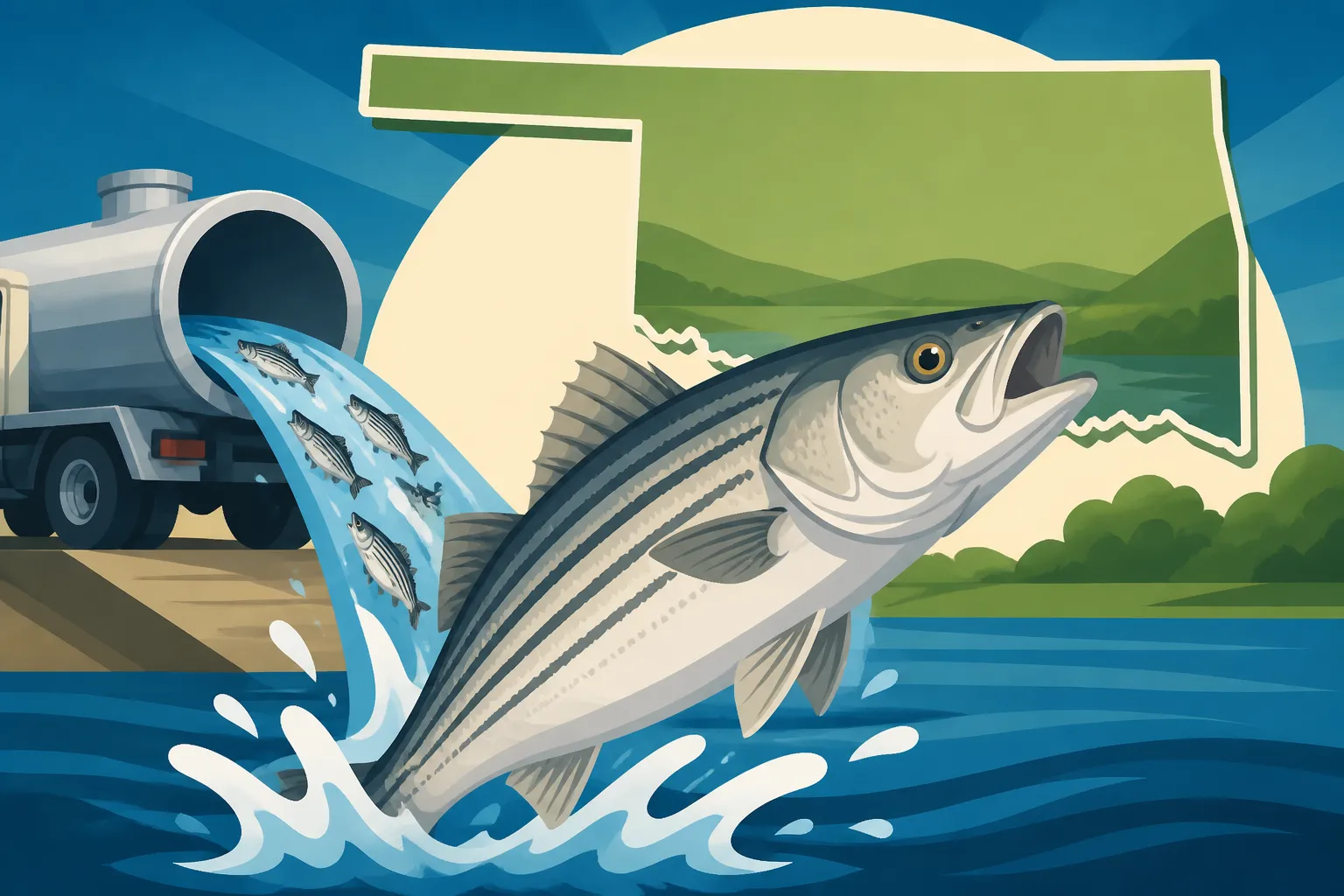
The first significant efforts to establish striped bass in Oklahoma began in the late 1960s and early 1970s. Biologists initially sourced striped bass eggs and fry from coastal states like South Carolina, particularly from the Santee-Cooper River system, which was famous for its landlocked striped bass populations. These tiny fish were then transported and raised in state hatcheries before being stocked into Oklahoma's large reservoirs.
Lakes like Lake Texoma, Keystone Lake, Lake Eufaula, and Kaw Lake were among the primary targets for these early stockings. These lakes were chosen for their large size, deep waters, and, crucially, their abundant populations of gizzard shad, which provided an immediate and ample food source for the newly introduced stripers. The hope was that these fish would not only survive but grow to impressive sizes, offering anglers a unique challenge. These initial stockings laid the groundwork for the incredible fisheries we enjoy today, proving that with careful management, a saltwater giant could indeed become a freshwater legend. For those wanting to target them, knowing Where to Catch Striped Bass in Oklahoma is key.
Overcoming Initial Hurdles: Adaptability and Survival Rates
Introducing any new species comes with inherent risks and challenges. There were concerns about whether the stripers would adapt to the vastly different freshwater environment, whether they would find suitable spawning conditions, and how they would interact with native fish species. Initial survival rates of the hatchery-reared fry and fingerlings were critical. Extensive monitoring was put in place to track their growth, movements, and overall health.
Fortunately, the striped bass proved to be incredibly adaptable. They found the deep, open waters of Oklahoma's reservoirs, with their abundant shad populations, to be excellent habitats. While natural reproduction proved difficult or impossible in most lakes due to the lack of specific riverine conditions, the stocked fish thrived. They grew rapidly, quickly reaching impressive sizes, and began to establish themselves as apex predators in these aquatic systems. This success proved the viability of the stocking program and led to continued efforts to sustain these fisheries. Anglers today can find a wealth of information, from fishing reports to gear reviews, often looking for specific striped bass tackle and guides on platforms like Amazon to increase their chances of success.
Lake Texoma: A Unique and Self-Sustaining Striper Haven
While many Oklahoma reservoirs boast fantastic striped bass fishing, Lake Texoma holds a truly special place in the story of stripers in the state. It's not just a great fishing spot; it's a unique ecological phenomenon that sets it apart from almost every other landlocked striped bass fishery in the world.
The Miracle of Texoma's Reproduction
Lake Texoma, located on the border between Oklahoma and Texas, is one of the few places in the world where striped bass successfully reproduce naturally in a landlocked freshwater environment. This "miracle" is primarily attributed to the Red River, which feeds into Texoma. The Red River provides the necessary long stretches of flowing water that striped bass eggs need to remain suspended in the water column as they develop. Unlike many other rivers that feed reservoirs, the Red River's flow patterns, coupled with Texoma's vast size, create the perfect conditions for successful spawning and egg incubation.
This natural reproduction means that Lake Texoma doesn't rely solely on stocking programs to maintain its striped bass population, although supplemental stocking does occur to enhance the fishery further. The incredible productivity of Texoma's striped bass has made it a world-renowned destination for anglers seeking trophy stripers. It's a truly wild population, behaving much like their coastal brethren, making the fishing experience here exceptionally authentic. The sheer numbers and size of fish available make Lake Texoma's Striped Bass Fishery in Oklahoma a bucket-list destination for many.
The Success of Hybrid Striped Bass Programs
Beyond the pure-strain striped bass, Oklahoma has also found immense success with hybrid striped bass, often referred to as "wipers." These are a cross between a striped bass and a white bass. Hybrid stripers are sterile, meaning they cannot reproduce, but they combine the aggressive fighting nature and larger size potential of the striped bass with the hardiness and schooling tendencies of the white bass.
Hybrid stripers are primarily stocked in reservoirs where natural striped bass reproduction isn't possible, providing another fantastic open-water sport fishery. They grow quickly, fight incredibly hard, and are often more tolerant of varying water conditions than pure stripers. Lakes like Keystone, Eufaula, and Kaw are renowned for their hybrid striper fisheries, offering anglers powerful battles and excellent table fare. Identifying these powerful fish can sometimes be a challenge, so it's good to know the differences, especially between them and their pure-strain cousins. A helpful resource for many anglers is comparing them to other similar species like in Striped Bass vs White Bass: What's the Difference.
Managing a Legacy: Sustaining Oklahoma's Striped Bass Fishery
The introduction of striped bass has been a monumental success, but sustaining this legacy requires ongoing dedication, scientific management, and responsible angling practices. It's a delicate balance to ensure that these introduced species continue to thrive without negatively impacting the native ecosystems they now inhabit.
Ongoing Stocking and Biological Monitoring
For most of Oklahoma's striped bass fisheries, continued stocking by the state's wildlife department is crucial. Since natural reproduction is rare outside of Lake Texoma, millions of hatchery-reared striped bass and hybrid striped bass fingerlings are released into various reservoirs each year. This ensures a consistent supply of fish for anglers and helps maintain healthy populations capable of fulfilling their ecological role as predators of forage fish.
Accurate biological monitoring is equally important. Fisheries biologists regularly conduct surveys to assess the health of the striper populations, track growth rates, analyze stomach contents to understand their diet, and evaluate the overall condition of the forage base. This data helps them make informed decisions about stocking numbers, length limits, and bag limits, ensuring the long-term sustainability of the fishery. It's a continuous, science-driven effort to balance the desires of anglers with the ecological well-being of the lakes.
Angler Impact and Conservation Best Practices
Anglers play a vital role in the long-term health of Oklahoma's striped bass fisheries. Understanding and adhering to regulations, such as daily bag limits and length limits, is paramount. These rules are designed to protect the fish populations, allowing enough individuals to reach maturity and, where applicable, spawn or contribute to the overall biomass. Practicing catch-and-release, especially for larger, older fish that are valuable spawners (even in non-reproducing lakes, they are part of the ecosystem), helps conserve the resource.
Responsible fishing practices also include minimizing stress on released fish, using appropriate tackle to avoid excessive fight times, and handling fish gently. Techniques like Deep Water Striper Fishing Techniques often involve specific gear to bring fish up safely. Many anglers invest in proper tools like fish grippers and long-nosed pliers, often seeking out robust and reliable options on Amazon, to ensure quick and safe releases. The cumulative actions of individual anglers can have a significant impact on the future of this incredible fishery, ensuring that future generations can continue to experience the thrill of battling an Oklahoma striper.
| Feature | Native Range (Coastal) | Introduced Range (Oklahoma Reservoirs) |
|---|---|---|
| Primary Habitat | Saltwater (ocean), migrate to freshwater rivers | Freshwater lakes, reservoirs |
| Reproduction | Anadromous: spawn in freshwater rivers | Mostly hatchery-stocked; Texoma is unique |
| Food Source | Diverse coastal baitfish (herring, bunker, etc.) | Primarily gizzard shad, other forage fish |
| Migration | Long-distance coastal and riverine migrations | Localized movements within reservoirs |
| Salinity Needs | Adaptable to wide range, from ocean to fresh | Tolerant of freshwater for entire life cycle |
The story of the striped bass in Oklahoma is a remarkable testament to human ambition and nature's adaptability. What started as a daring experiment to introduce a saltwater giant into landlocked waters has evolved into a thriving, world-class fishery. From the powerful fights these fish provide to their ecological role in our reservoirs, stripers have become an undeniable part of Oklahoma's angling landscape. It's a legacy that continues to be shaped by ongoing conservation efforts and the passionate anglers who pursue these incredible fish.
Disclaimer
This article is for general informational purposes only and does not constitute professional advice. Laws, prices and regulations vary by location and change over time. Consult a qualified professional for guidance on your specific situation.