Alligator Gar Fishing in Oklahoma
The thrill of landing a truly massive fish is a dream for many anglers, but often, the sheer size and power of species like the legendary alligator gar can feel completely out of reach. It's easy to get intimidated by their formidable appearance and the specialized tactics often required. This comprehensive guide is here to demystify alligator gar fishing in Oklahoma, providing you with the knowledge and confidence to pursue one of the state's most ancient and awe-inspiring freshwater giants.
The Alligator Gar: Oklahoma's Ancient River Monster
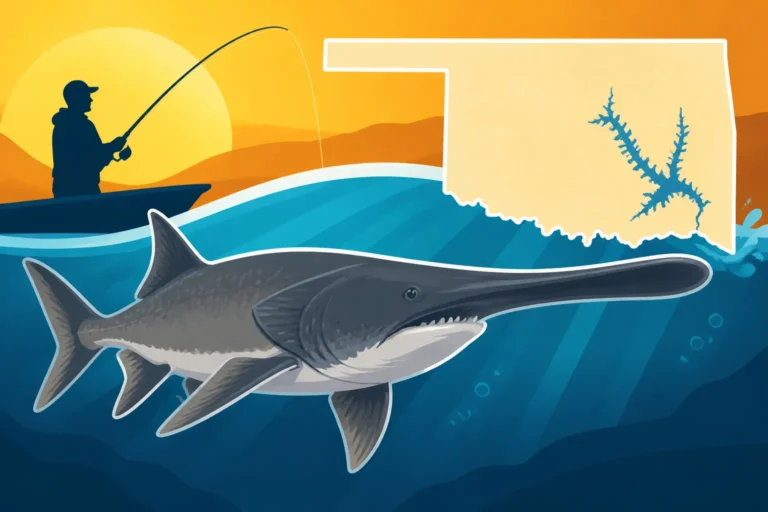
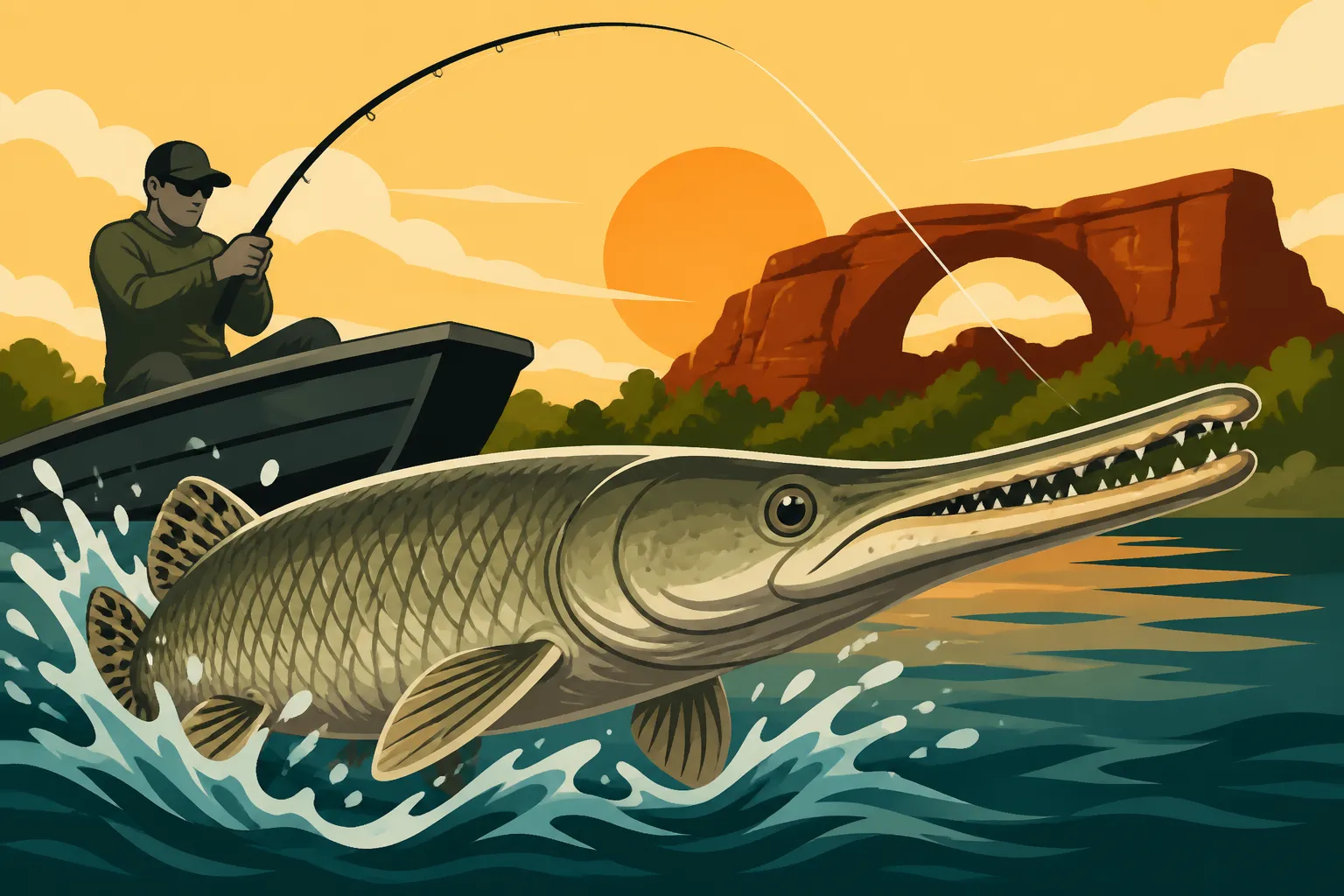
Oklahoma's waters are home to a remarkable array of fish, but few capture the imagination quite like the alligator gar. This isn't just any fish; it's a living fossil, a relic from prehistoric times that continues to thrive in our modern rivers and reservoirs. Their intimidating rows of teeth and armored bodies hint at their long evolutionary history, making them a truly unique target for intrepid anglers.
What Makes Alligator Gar Unique
When you first lay eyes on an alligator gar, it's immediately clear why they're named after their reptilian counterparts. Their elongated, torpedo-shaped bodies are covered in thick, diamond-shaped ganoid scales, which are so hard they were once used by Native Americans for arrowheads. These scales offer incredible protection, making them nearly impervious to most predators and giving them a prehistoric, armored appearance. Their jaws are perhaps their most defining feature: broad, flat, and lined with two rows of dagger-like teeth on their upper jaw, perfectly designed for ambushing and holding onto prey.
Unlike other gar species, the alligator gar has a much broader, alligator-like snout, which helps distinguish it from its narrower-snouted cousins like the longnose gar. They also boast an incredible lifespan, often living for decades, and can grow to truly astounding sizes. It's not uncommon for them to exceed six feet in length and weigh over a hundred pounds, though much larger specimens have been recorded. Their sheer size and predatory nature mean they sit atop the food chain in many of the ecosystems they inhabit. For more on distinguishing between gar species, check out Alligator Gar vs Longnose Gar: How to Tell Them Apart.
Alligator Gar Habitat in Oklahoma
In Oklahoma, alligator gar are primarily found in the larger, slower-moving rivers and their associated backwaters and oxbow lakes. Think about areas with extensive floodplains, dense submerged vegetation, and plenty of cover in the form of fallen trees or brush piles. These environments provide the perfect ambush points for a fish that relies on stealth and explosive power to catch its meals. They prefer warm, sluggish water, often tolerating conditions that many other fish species find challenging due to their unique swim bladder, which functions almost like a lung, allowing them to gulp air from the surface when oxygen levels are low.
While they are certainly present in some of the larger reservoirs, especially those connected to major river systems, their population density tends to be higher in the riverine environments. Look for them in areas where tributaries meet main channels, creating eddies and current breaks that concentrate prey. Flooded timber and dense aquatic grass beds are prime locations, as they offer both concealment and a steady supply of unsuspecting fish. Understanding these habitat preferences is key to locating these elusive giants and increasing your chances of a successful encounter.
Where to Find Alligator Gar in Oklahoma
Finding alligator gar isn't like finding a school of bass; it requires patience, specific knowledge, and often, a bit of adventure. These fish prefer certain environments, and knowing where and when to look can drastically improve your odds of hooking into one of these magnificent creatures.
Key Rivers and Reservoirs for Alligator Gar
Oklahoma offers several prime locations for targeting alligator gar, primarily centered around its larger river systems. The Red River, forming much of Oklahoma's southern border with Texas, is arguably the most famous stronghold for these ancient fish. Its expansive floodplains, numerous oxbows, and deep, often turbid waters create ideal conditions for them to thrive. Tributaries and backwater lakes connected to the Red River system, such as Lake Texoma (especially its riverine sections), also hold significant populations.
Another important area is the lower Arkansas River and its associated tributaries and oxbows in eastern Oklahoma. Areas downstream from major dams, where floodplains are prevalent and the water flow is slower, can be particularly productive. Reservoirs like Lake Eufaula and Fort Gibson Lake, especially in their upper, river-fed arms, might also yield alligator gar, particularly in areas with dense timber and access to deeper channels. When exploring these locations, remember that gar often prefer the less disturbed, more remote sections, so a boat or kayak capable of navigating shallow backwaters can be a huge asset. Don't forget that a valid fishing license is required for all fishing in Oklahoma; you can learn more about this by reading Oklahoma Fishing License Requirements in Oklahoma.
Best Times of Year and Conditions
Alligator gar are warm-water fish, and their activity levels peak when the water temperatures are high. This means late spring, summer, and early fall are generally the most productive seasons for targeting them. During these warmer months, they are more active in feeding and can be found closer to the surface or in shallower areas, especially during low light conditions like dawn and dusk. Night fishing can also be incredibly effective, as gar often become more brazen predators under the cover of darkness.
As for specific conditions, look for periods of stable, warm weather. After a heavy rain, when river levels might rise and create new backwater opportunities, gar can move into these freshly flooded areas to hunt. Conversely, during prolonged dry spells, they might concentrate in deeper holes or oxbow lakes as water levels recede. Pay attention to water clarity; while they can tolerate murky water, very clear conditions might make them more skittish during the day. Overcast days or periods leading up to a storm can also trigger increased feeding activity. The key is to think like an ambush predator – where would they find the most food with the least effort? For detailed information on how large these fish can grow, be sure to read How Big Do Alligator Gar Get in Oklahoma.
Gear and Techniques for Alligator Gar Fishing
Successfully landing an alligator gar isn't just about luck; it's about being prepared with the right equipment and employing effective techniques. These powerful fish demand heavy-duty gear and a strategic approach.
Heavy-Duty Rods, Reels, and Line
Forget your standard bass or crappie setup; alligator gar fishing requires serious muscle. You'll want a heavy to extra-heavy action rod, typically between 7 and 9 feet long. A sturdy saltwater boat rod or a heavy catfish rod can often do the trick. The rod needs enough backbone to handle the weight and incredible power of a gar, allowing you to effectively set a hook into their bony jaws and control their powerful runs.
Pair this rod with a robust conventional reel (like a saltwater casting reel) or a large, high-quality spinning reel that boasts a strong drag system and a high line capacity. A baitcasting reel with a star drag system is often preferred for its raw power and control during the fight. For line, braided line is almost a necessity due to its incredible strength and abrasion resistance. A minimum of 80-pound test braided line is recommended, with many anglers opting for 100-pound test or even heavier, especially when targeting trophy-sized fish. You can find a wide selection of these heavy-duty setups on Amazon, perfect for outfitting your next gar adventure.
Best Baits and Rigs for Alligator Gar
Alligator gar are opportunistic predators, but they primarily feed on fish. Therefore, fresh cut bait is king. Large chunks of carp, buffalo, shad, or drum are excellent choices. Many anglers prefer to use entire small fish or substantial portions of larger ones, as the gar's keen sense of smell will draw them in. The fresher the bait, the better. Rigging these baits typically involves a heavy-duty single hook or, sometimes, a treble hook, though single hooks are often preferred for easier release and less damage to the fish.
A common rig is a simple Carolina rig or a three-way swivel rig. For the Carolina rig, use a heavy lead sinker (2-8 ounces, depending on current) above a swivel, followed by a heavy leader (at least 100-pound mono or fluorocarbon, or even steel leader to prevent bite-offs) and your hook. The leader length can vary, but typically 18-36 inches works well. Some anglers also use a float or bobber rig in shallower, calmer waters, suspending the bait at a desired depth. Remember, gar have incredibly bony mouths, so a very sharp, strong hook is paramount for penetration. Don't cheap out on hooks! For similar heavy-duty gear considerations, you might find useful information in Best Gear for Catfish Fishing in Oklahoma.
Specialty Tactics: Bowfishing and Trotlines
While rod and reel fishing for alligator gar is incredibly challenging and rewarding, two other popular methods in Oklahoma are bowfishing and trotlining. Bowfishing involves spotting the gar in shallow water and shooting them with specialized archery equipment. This method requires a boat, a keen eye, and often takes place at night under bright lights, as gar frequently cruise near the surface in search of prey. It's an active and visually exciting way to hunt these fish, but requires different skills and equipment than traditional angling.
Trotlines are a more passive method, involving a main line stretched across a waterway with multiple baited hooks attached at intervals. This can be an effective way to cover a larger area and increase your chances, especially in river systems. However, trotlining comes with specific regulations regarding line length, hook spacing, and proper tagging, which vary by state and sometimes by water body. Always check the latest Oklahoma fishing regulations before deploying a trotline to ensure compliance. Remember, fishing regulations are crucial for all anglers, and you can bone up on the details by reading Fishing Regulations You Need to Know in Oklahoma.
Alligator Gar Regulations and Safety in Oklahoma
Fishing for alligator gar is a unique experience, but it comes with a strong responsibility towards conservation and personal safety. Understanding the regulations and how to handle these powerful fish is paramount.
Understanding Oklahoma's Alligator Gar Limits
Oklahoma takes the management of its alligator gar population seriously, recognizing their ecological importance and their appeal to trophy anglers. While regulations can change, typically, there are strict limits on the number of alligator gar an angler can keep. Often, it's a one-fish-per-day limit, and sometimes there are specific slot limits or minimum length requirements. These regulations are designed to protect the breeding population of large, mature fish and ensure the species' long-term health.
It's vital to consult the current Oklahoma Fishing Regulations guide issued by the Oklahoma Department of Wildlife Conservation (ODWC) before every trip. These guides are usually available online or at license vendors. Ignorance of the law is never an excuse, and game wardens are diligent in enforcing these rules. Violations can lead to hefty fines and even loss of fishing privileges. Remember that a fishing license is always required, regardless of the species you're targeting.
Handling and Releasing Alligator Gar Safely
Alligator gar are not only massive and powerful, but they also possess an impressive set of teeth and exceptionally rough, sandpaper-like skin. Handling them requires extreme caution to protect both yourself and the fish. If you plan to release a gar, minimizing its time out of water is crucial.
- Gloves and Pliers: Always wear thick, cut-resistant gloves when handling gar. Long-nosed pliers or a jaw spreader can be invaluable for removing hooks safely, keeping your hands clear of those formidable teeth.
- Controlling the Head: A gar's primary weapon is its head and mouth. Try to secure the fish by the base of its head, or use a specialized lip gripper designed for large, toothy fish. Avoid putting your hands directly into their mouth or gill plates.
- Supporting the Body: These are heavy fish. If you're planning a quick photo, support their body horizontally, especially if they are large, to avoid internal injury. Never lift a large gar vertically by its head or tail alone.
- Reviving the Fish: If the fight was long, take time to revive the fish before release. Hold it gently in the water, facing into the current if possible, until it kicks strongly and swims away on its own.
Respecting these ancient creatures and practicing safe handling ensures they can continue to thrive in Oklahoma's waters for generations to come.
Is Alligator Gar Edible?
Despite their fearsome appearance, alligator gar are indeed edible and are considered a delicious table fare by many. Their meat is firm, white, and flaky, often compared to cod or even alligator (ironically!). It has a mild flavor and can be prepared in various ways, including grilling, frying, baking, or smoking.
However, there's a crucial point to remember: the roe (eggs) of the alligator gar is toxic to humans and other mammals. It contains a substance that can cause illness, so always discard the eggs if you're cleaning a female gar. The meat itself, when properly prepared, is perfectly safe and tasty. Many anglers who target gar keep one for the table, enjoying the unique culinary experience that comes with landing such a primeval fish. If you're curious about the edibility of other species, you might be interested in Is Alligator Gar Good to Eat?.
Challenges and Rewards of Alligator Gar Fishing
Embarking on an alligator gar fishing trip is an endeavor unlike many others. It presents unique challenges that ultimately lead to equally unique rewards, cementing its place as a bucket-list experience for many anglers.
The Thrill of the Fight
Hooking into an alligator gar is an adrenaline rush that few other freshwater fish can match. Imagine setting the hook on something that feels like a submerged log, only for that log to suddenly explode into violent head shakes and powerful, line-stripping runs. Their sheer size and muscularity mean they put up an incredible fight, testing both your gear and your angling skills to their absolute limits.
The initial strike might be subtle, almost a gentle tug, or it could be a sudden, powerful snatch that nearly rips the rod from your hands. Once hooked, they often use their body weight and strong tail to resist, sometimes even jumping clear of the water in a display of raw power. It's a battle of wills, requiring patience, strength, and careful rod handling to avoid break-offs. Every turn of the reel, every pump of the rod, is a calculated move in this aquatic chess match. The feeling of finally bringing one of these magnificent beasts to the boat or shore after a prolonged struggle is an unparalleled sense of accomplishment. It's a testament to the fact that you've outsmarted and outmuscled a truly ancient and formidable predator.
Conservation and the Future of Alligator Gar
For a long time, alligator gar were often misunderstood and even reviled, viewed as "trash fish" or nuisances that competed with sportfish. This led to unregulated harvests and population declines in many areas. However, in recent decades, there has been a significant shift in perception. Anglers, biologists, and conservationists now recognize the alligator gar as a vital part of its ecosystem and a unique, valuable sportfish.
The ODWC, along with other state agencies, actively manages alligator gar populations through research, habitat protection, and responsible harvest regulations. Anglers who target these fish are increasingly aware of the need for conservation, practicing catch-and-release with care and adhering strictly to bag and size limits. By understanding their biology, respecting their role in the environment, and employing ethical fishing practices, we can ensure that these ancient river monsters continue to swim in Oklahoma's waters for future generations of anglers to marvel at and pursue. Their future lies in our hands, and by becoming informed and responsible anglers, we contribute to the health and vitality of Oklahoma's entire aquatic ecosystem. For a broader look at the fish species in Oklahoma, you might enjoy Gar Fishing Guide: Alligator Gar and Longnose Gar.
| Alligator Gar Fishing Essentials | Description | Where to Find |
|---|---|---|
| Heavy-Duty Rod | 7-9 ft, Extra-Heavy action, strong backbone | Sporting Goods Stores, Online Retailers (e.g., Amazon) |
| Robust Reel | Conventional or large spinning reel, strong drag, high line capacity | Sporting Goods Stores, Online Retailers (e.g., Amazon) |
| Braided Line | 80-100 lb test minimum, abrasion resistant | Sporting Goods Stores, Online Retailers |
| Strong Leader | 100+ lb mono/fluoro or steel | Tackle Shops |
| Large, Sharp Hooks | 8/0 to 12/0 circle or J-hooks | Tackle Shops, Online Retailers |
| Fresh Cut Bait | Carp, buffalo, shad, drum chunks or whole | Local Bait Shops, Netting (where legal) |
| Heavy Sinkers | 2-8 oz lead, pyramid or no-roll | Tackle Shops |
| Gloves & Pliers | Thick, cut-resistant gloves; long-nosed pliers | Hardware Stores, Tackle Shops |
| Jaw Spreader / Lip Gripper | For safe handling and hook removal | Tackle Shops, Online Retailers |
| Valid Oklahoma Fishing License | Mandatory for all anglers | ODWC Website, License Vendors |
Disclaimer
This article is for general informational purposes only and does not constitute professional advice. Laws, prices and regulations vary by location and change over time. Consult a qualified professional for guidance on your specific situation.