What Is the Size Limit for Blue Catfish in Oklahoma?
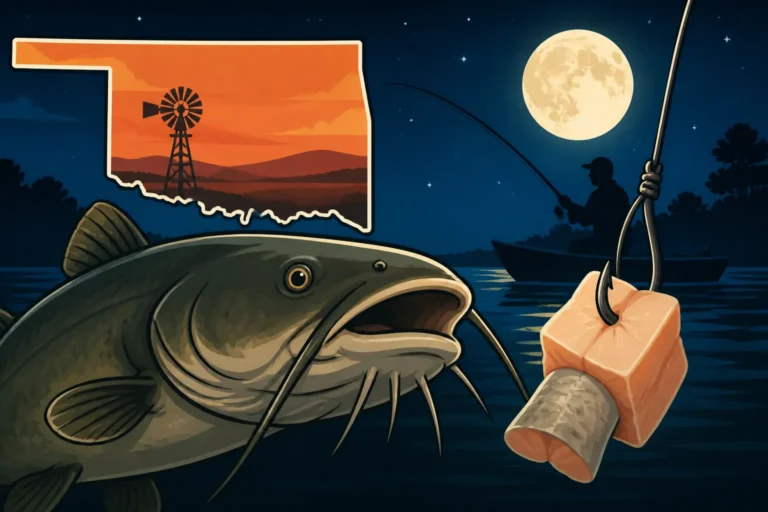
It can be incredibly frustrating to hit the water, reel in a magnificent blue catfish, and then find yourself second-guessing whether you can actually keep it. The regulations around fishing in Oklahoma can sometimes feel like a tangled line, especially when it comes to specific size and bag limits for different species. This guide is here to untangle that confusion, providing a clear, in-depth look at the specific size limits for blue catfish in Oklahoma, so you can fish with confidence and stay on the right side of the law.
Understanding Oklahoma's Blue Catfish Regulations
Oklahoma's waters are teeming with fantastic fishing opportunities, and blue catfish are a prime target for many anglers due to their impressive size and fighting spirit. However, the Oklahoma Department of Wildlife Conservation (ODWC) has specific regulations in place to ensure these populations remain healthy for generations to come. It’s not just about how many you can catch, but often, about the size of the fish you decide to keep.
The Statewide Forked-Tail Catfish Aggregate Limit
First and foremost, it’s important to understand that blue catfish are categorized under "forked-tail catfish" along with their close cousins, channel catfish. This means that for the most part, the daily limits for these two species are combined. You can't just catch your limit of channel cats and then go for another limit of blues; they fall under the same umbrella. The statewide aggregate daily bag limit for forked-tail catfish – which includes both blue and channel catfish – is 15 fish per angler. This aggregate limit is designed to manage the overall harvest of these popular species. Whether you catch 15 channel cats, 15 blue cats, or a mix of both totaling 15, that's your daily maximum. This rule applies to most waters across the state, but as with all fishing regulations, it's always wise to double-check local signage or the current ODWC regulations guide, as some specific lakes or river sections might have slightly different rules. You can learn more about these broader rules in our guide to Oklahoma's Catfish Fishing Rules and Limits.
The Specific One Over 30 Inches Rule
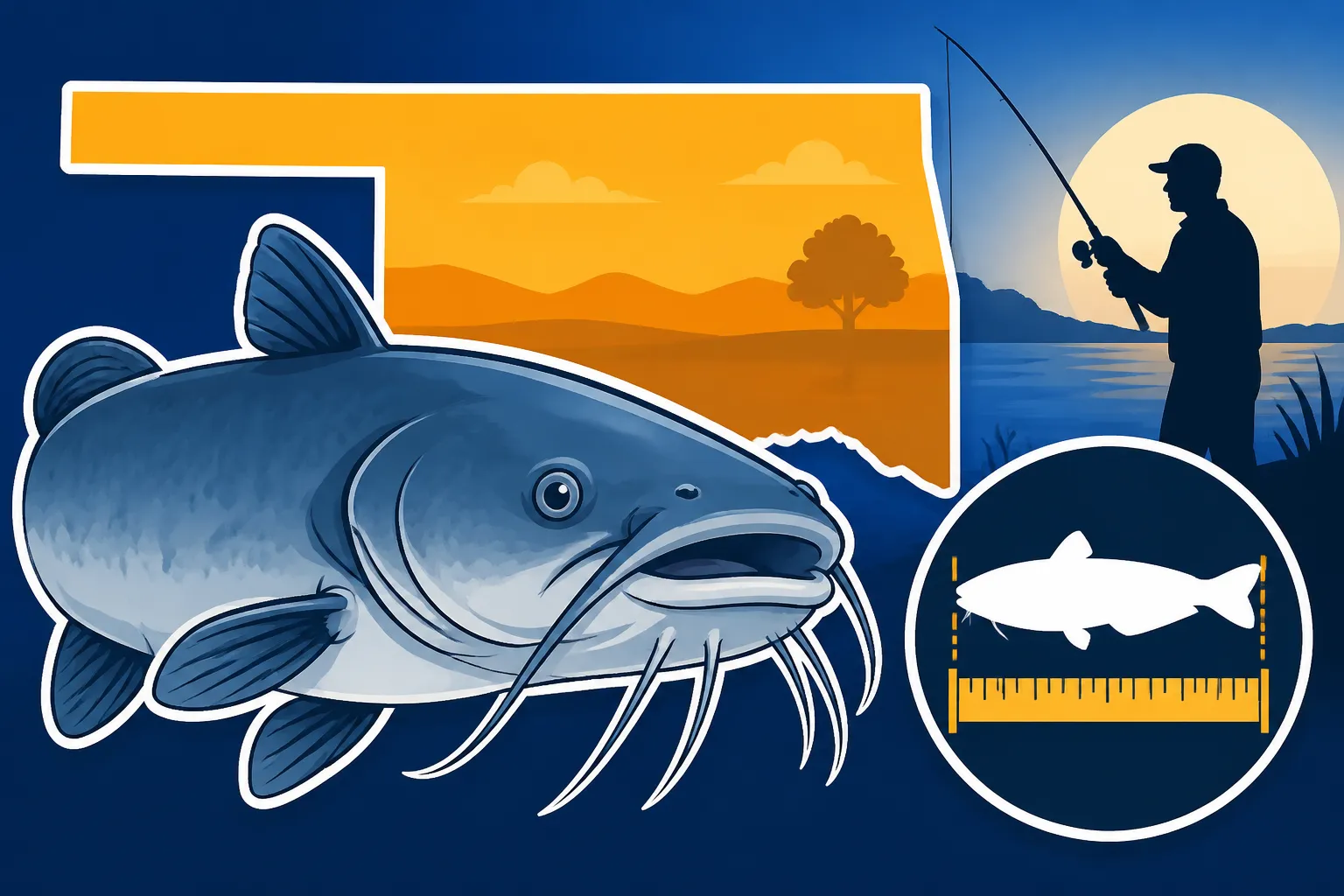
Now, here's the crucial part that often trips up anglers: the size limit for blue catfish. While you can keep a total of 15 forked-tail catfish, there's a very specific restriction on the larger blue catfish within that limit. For blue catfish, anglers are restricted to keeping only one fish per day that is 30 inches or longer in length. This means if you catch a blue catfish that measures 32 inches, you can keep it, but that's your one trophy fish for the day in that size class. Any other blue catfish you keep that day must be under 30 inches.
This rule is often referred to as "the one over 30 inches rule" and it’s a non-negotiable part of the state's conservation efforts. It's not uncommon for anglers to be confused by this, especially when they hook into multiple big blues. Imagine you're out on Lake Texoma, having an incredible day, and you've already boated a beautiful 35-inch blue cat. Later that day, you hook into another monster, a 31-inch brute. While both are fantastic fish, you can only keep one of them if they are both 30 inches or more. The second one, if it's over 30 inches, must be released. Understanding The 30-Inch Blue Catfish Rule in Oklahoma is vital for every serious catfish angler.
Why These Regulations Matter for Blue Catfish Populations
You might wonder why such specific rules exist, especially when you're just trying to enjoy a day of fishing. The "one over 30 inches" rule for blue catfish is a cornerstone of responsible fisheries management. Trophy-sized blue catfish, those magnificent fish exceeding 30 inches, are often the most prolific breeders and contributors to the overall health and genetic diversity of the population. They've survived multiple seasons, navigated various challenges, and proven their ability to thrive. By limiting the harvest of these larger individuals, the ODWC aims to protect the breeding stock, allowing them to continue spawning and producing more fish. This strategy helps ensure that Oklahoma's blue catfish fisheries remain robust and continue to offer excellent angling opportunities year after year. It's a long-term investment in the future of the sport, benefiting everyone who loves to fish for these giants.
Applying the One Over 30 Inches Rule
Knowing the rule is one thing; applying it correctly when you're out on the water, heart pounding with a big fish on the line, is another. It requires a bit of pre-planning and quick decision-making.
Real-World Scenarios for Daily Limits
Let's walk through a few common scenarios to make this rule crystal clear.
- Scenario 1: All small fish. You catch 10 blue catfish, all under 25 inches. You can keep all 10, as none exceed the 30-inch limit, and you are well within your 15-fish aggregate for forked-tail catfish.
- Scenario 2: One trophy, several small. You catch a 33-inch blue catfish, and five other blue catfish ranging from 20-28 inches. You can keep the 33-inch fish and all five smaller fish, for a total of six blue catfish. You've met your "one over 30 inches" quota, and you're within the 15-fish aggregate limit.
- Scenario 3: Two trophies. You catch a 31-inch blue catfish and decide to keep it. Later, you catch an even larger 36-inch blue catfish. You cannot keep the 36-inch fish. Since you already kept one over 30 inches, the second must be released immediately, no matter how tempting it is to keep it. This is why it's so important to understand Why Only One Blue Catfish Over 30 Inches Counts.
- Scenario 4: Mixed bag with channel cats. You catch three channel catfish (all under 30 inches) and one 34-inch blue catfish. You can keep all four fish. Your "one over 30 inches" rule is satisfied, and you're well within the 15-fish aggregate limit for forked-tail catfish. Remember, Blue and Channel Catfish Counted Together in Oklahoma for the total bag limit.
These scenarios highlight the importance of planning your harvest strategy. If you're hoping for a true trophy, be prepared to release any subsequent large fish once you've kept your "one."
Accurate Measurement Techniques for Length and Girth
When you land a fish that's close to that 30-inch mark, precise measurement becomes paramount. A few inches, or even fractions, can be the difference between a legal catch and a violation. Always measure fish from the tip of the jaw (mouth closed) to the tip of the tail, with the fish lying flat. A proper measuring board with a solid end stop is ideal for this, as it prevents any accidental bending or manipulation that could lead to an inaccurate measurement. Lay the fish on its side, gently close its mouth against the end stop, and pinch the tail lobes together for the most accurate overall length.
Avoid measuring fish on carpet or uneven surfaces in your boat, as this can lead to errors. It’s also a good idea to have a clear, easy-to-read measuring device. Many anglers purchase specialized fish measuring boards, which can be found online at retailers like Amazon or at local sporting goods stores. These boards ensure consistency and accuracy, especially when you're trying to quickly measure and decide whether to keep or release.
Catch and Release Strategies for Trophy Blues
For those magnificent blue catfish that exceed the 30-inch mark and must be released (because you already kept your one, or you simply choose to), proper catch and release techniques are essential for their survival. These big fish are fighters, and they can be exhausted after a long battle.
- Minimize Handling Time: Get the fish unhooked and back into the water as quickly as possible.
- Wet Hands: Always wet your hands before touching the fish to protect its slime coat, which is vital for disease prevention.
- Support the Fish: If you need to lift the fish for a quick photo, support its body horizontally, especially its belly, to avoid damaging internal organs. Never hold a large catfish vertically by the jaw alone.
- Use Proper Tools: Long-nosed pliers or de-hookers can help remove hooks quickly and safely. Circle hooks are often recommended for catfish, as they tend to hook in the corner of the mouth, making removal easier and reducing gut hooking.
- Revive the Fish: Hold the fish gently in the water, facing into the current, allowing water to flow over its gills until it regains its strength and can swim away on its own. Don't just toss it back; make sure it's ready.
By following these practices, you contribute to the health of the blue catfish population and help ensure those released trophies can continue to grow and reproduce.
Distinguishing Blue Catfish from Other Species
Proper fish identification is critical for adhering to regulations. Oklahoma is home to three primary catfish species: blue, channel, and flathead. While blue and channel catfish share the "forked-tail" aggregate limit, flathead catfish have entirely different regulations. Misidentifying your catch could lead to unintentional violations.
Blue Catfish vs. Channel Catfish: Key Differences for Anglers
At first glance, blue and channel catfish can look quite similar, especially smaller individuals. Both have deeply forked tails, which is why they're grouped for the aggregate limit. However, there are some clear distinctions:
- Anal Fin: This is often the most reliable way to tell them apart. Blue catfish have a longer, straighter anal fin with 30-35 rays. Channel catfish have a shorter, more rounded anal fin with 24-29 rays. Count those rays, and you'll know for sure.
- Coloration: Blue catfish typically have a bluish-gray body, often without spots, though sometimes juvenile blues can have faint spots. Channel catfish usually have a more olive-brown or gray body, and often (though not always) have distinct dark spots, especially when young.
- Head Shape: Blue catfish tend to have a more prominent "hump" on their back just behind the head, and their head often appears larger and more robust relative to their body.
- Size: Blue catfish grow significantly larger than channel catfish. While channel cats can reach impressive sizes, blues are the true giants of Oklahoma's waters.
Taking the time to understand Channel Catfish vs Blue Catfish: How to Tell Them Apart will save you a lot of guesswork and help you comply with specific regulations.
Flathead Catfish: A Separate Set of Rules
Unlike blue and channel catfish, flathead catfish are distinct and have their own set of regulations. They do not fall under the forked-tail aggregate limit. Flatheads are easily identifiable by their broad, flattened head, small eyes, lower jaw that protrudes beyond the upper jaw, and a square or slightly rounded tail, not a forked one. Their coloration is usually mottled brown or yellow-brown, camouflaging them perfectly with their habitat.
The daily bag limit for flathead catfish in Oklahoma is 10 fish, with no minimum or maximum size limit in most waters. However, it's always critical to check the current regulations as specific lakes or river segments might have unique rules. The key takeaway here is: if it's a flathead, those "one over 30 inches" and 15-fish forked-tail aggregate rules do not apply. It's a completely different game when targeting these unique bottom dwellers.
Why Identification is Crucial for Compliance
Imagine the frustration of a game warden finding a cooler full of fish, and you've accidentally mixed up your blues and channels, or even worse, misidentified a flathead and violated its specific limits. Proper identification is not just about being a knowledgeable angler; it's about respecting the regulations designed to protect our fisheries.
It's a common misconception that all catfish are treated the same under the law. As we've seen, this simply isn't true. The subtle differences in fin ray counts or tail shape become incredibly important when a game warden checks your catch. Before you even cast a line, it's a good practice to familiarize yourself with the key identification features for each species you plan to target. Keep a fish identification guide or the ODWC regulations handy, especially if you're venturing to new waters or targeting a species you don't typically pursue. Being informed is your best defense against accidental violations and ensures a smooth, enjoyable fishing trip.
Gearing Up for Oklahoma Blue Catfish
Landing a big blue catfish is an exhilarating experience, but it requires the right equipment. These fish are powerful, and ill-prepared gear can lead to lost fish, broken lines, and even damaged rods. Beyond the tackle, having the right tools for measuring and handling is just as important.
Essential Measuring Tools and Handling Gear
As discussed, accurate measurement is key to adhering to the 30-inch blue catfish rule. Don't rely on guesswork!
- Measuring Board: A sturdy, reliable measuring board is a must. Look for one that's at least 40 inches long, preferably made of durable plastic or aluminum, with a clear, marked scale and an integrated end-stop for the fish's nose. You can find excellent options on Amazon or at any well-stocked tackle shop. Some even fold up for easier storage.
- Scale: While not directly related to size limits, a good digital scale can help you determine the weight of your trophy. This is especially useful if you're releasing the fish but want to record its impressive statistics.
- Heavy-Duty Gloves: Large blue catfish have rough mouths and sharp pectoral and dorsal fins. A good pair of heavy-duty fishing gloves will protect your hands from abrasions and fin punctures, making handling safer for both you and the fish.
- Pliers/De-hooker: Large, strong pliers are essential for removing hooks from the tough jaws of a big blue cat, especially if they've swallowed the hook deeply. A dedicated de-hooker can provide extra reach and leverage, minimizing stress on the fish during release.
Having these tools readily accessible in your boat or tackle bag ensures you can quickly and safely measure, weigh, and either keep or release your catch without undue stress or injury to the fish or yourself.
Rods, Reels, and Line for Big Blue Cats
When targeting blue catfish, you need gear that can withstand serious punishment. These fish are notorious for their strong runs and deep dives.
- Rods: Look for heavy to extra-heavy action rods, typically 7 to 10 feet long. These rods have the backbone to handle heavy weights, thick lines, and powerful fish. Graphite or composite blanks offer a good balance of strength and sensitivity. Many anglers opt for specialized catfishing rods designed for big blues. Our guide on Best Rod for Catfish Fishing From a Boat offers more detailed recommendations.
- Reels: A robust baitcasting reel is often preferred for blue catfish. Look for reels with a strong drag system, large line capacity, and durable gears. Conventional reels are also popular for their power and ability to hold a lot of heavy line. Spinning reels can work for smaller blues but may struggle with true trophies.
- Line: Monofilament line in the 20-50 pound test range is a common choice, offering good abrasion resistance. Braided line, in similar or higher pound tests, provides superior strength, less stretch (for better hook sets), and a smaller diameter, allowing for more line on the spool. A fluorocarbon leader can be a good addition for extra abrasion resistance. Always use a line strong enough to manage the potential size of fish in your chosen water body.
Bait and Terminal Tackle Considerations
Blue catfish are opportunistic feeders, but certain baits and terminal tackle setups tend to be more effective.
- Bait: Fresh cut bait is often king for blue catfish. Shad, skipjack herring, carp, perch, or even chunks of larger bluegill or sunfish are excellent choices. Use fresh bait; smelly, old bait isn't as effective as often believed. Some anglers also use prepared stink baits or dough baits, but cut bait generally performs better for larger blues. Best Bait for Catfish in Oklahoma Lakes and Rivers provides a deeper dive into effective bait choices.
- Hooks: Circle hooks are highly recommended for blue catfish because they reduce the incidence of gut hooking, making catch and release much safer for the fish. Sizes 5/0 to 10/0 are common, depending on the bait size and target fish.
- Sinkers: Because blue catfish are often found near the bottom in currents, heavy sinkers (up to several ounces) are often necessary to hold your bait in place. Slip sinker rigs are popular, allowing the fish to take the bait without immediately feeling the weight of the sinker.
- Swivels and Leaders: Use strong barrel swivels to prevent line twist and stout leaders (fluorocarbon or heavy mono) to provide extra abrasion resistance against sharp fins, rough bottom structure, and the fish's own thrashing.
Equipping yourself with the right gear not only increases your chances of landing a trophy blue catfish but also ensures you can do so responsibly, respecting the regulations that keep Oklahoma's fisheries thriving.
Catfish Limits in Oklahoma: A Quick Reference
Understanding the specifics can sometimes be overwhelming, so here’s a quick summary of the key catfish limits for anglers in Oklahoma. Remember, this table provides a general overview, and local regulations or specific water body rules can vary. Always consult the official ODWC regulations for the most current information.
| Catfish Species | Daily Bag Limit (Statewide) | Size Limit (Statewide) | Notes |
|---|---|---|---|
| Blue Catfish | 15 (Aggregate) | Only 1 fish 30 inches or longer | Aggregated with Channel Catfish. |
| Channel Catfish | 15 (Aggregate) | No size limit | Aggregated with Blue Catfish. |
| Flathead Catfish | 10 | No size limit | Not aggregated with Blue or Channel Catfish. Distinct regulations. |
| Bullheads | 15 | No size limit | Often included in the 15-fish aggregate for "catfish" but are smaller species. |
This table should help clarify the primary regulations for Bass, Crappie and Catfish Limits Compared. Remember, knowing these rules contributes to conservation and ensures healthy fish populations for everyone. It's truly a shame to catch a fish of a lifetime only to realize you have to release it because you didn't know the rules. Knowing these limits upfront helps you plan your day and ensures you make legal choices.
Disclaimer
This article is for general informational purposes only and does not constitute professional advice. Laws, prices and regulations vary by location and change over time. Consult a qualified professional for guidance on your specific situation.