Is Saugeye Good to Eat?
Many Oklahoma anglers have experienced the thrill of hooking into a saugeye – that feisty hybrid fish that inherited the best traits from its walleye and sauger parents. But once you've landed one of these beauties, a common question pops into mind: "Is saugeye actually good to eat, or should I just release it?" This guide is here to settle that debate once and for all, providing you with everything you need to know about saugeye as table fare, from its taste profile to how to prepare it for a delicious meal.
The Great Saugeye Debate: Is It Truly a Table Fish?
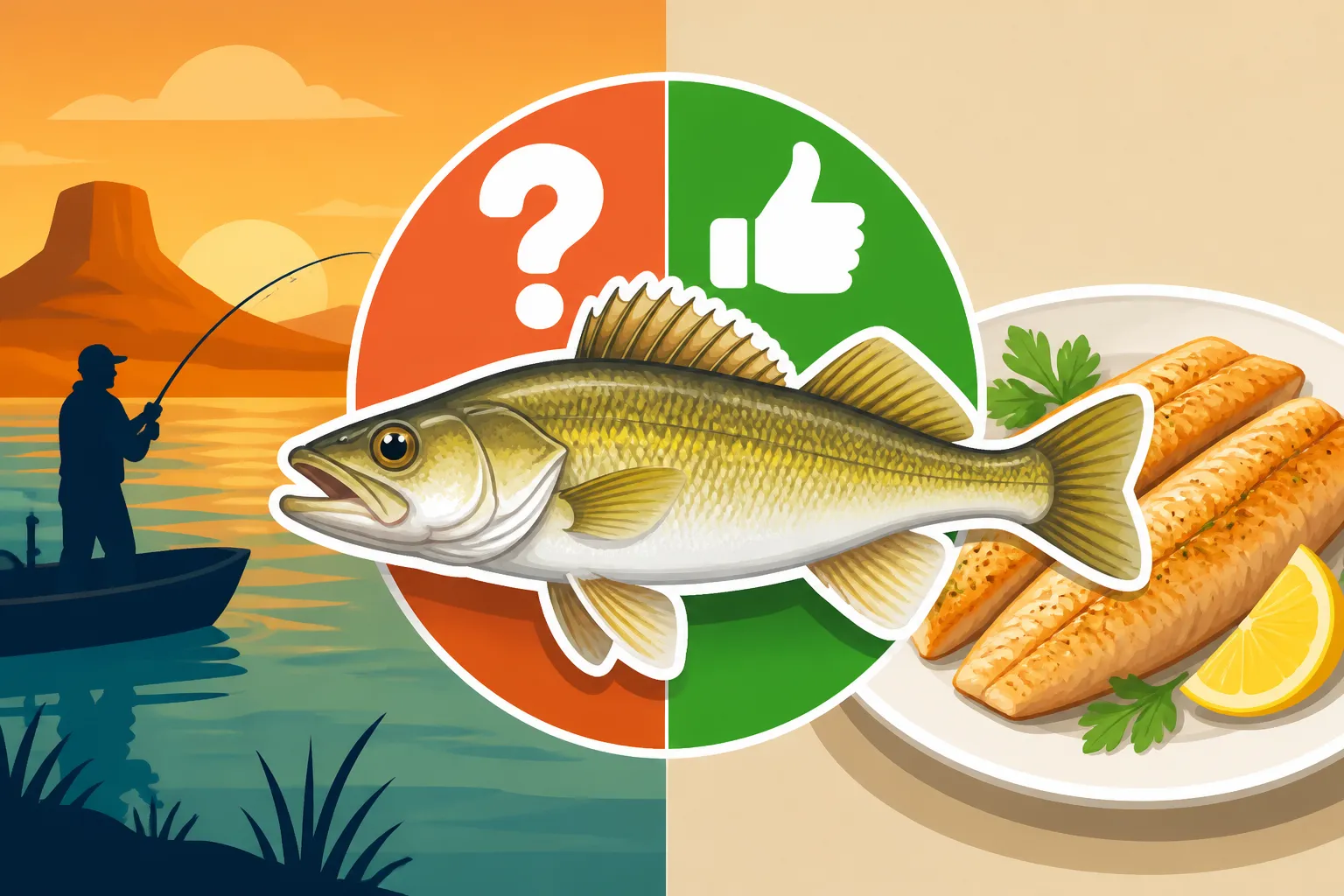
For many years, walleye has held the crown as one of the best-tasting freshwater fish across North America. Given that saugeye are a direct cross between a female walleye and a male sauger, it’s only natural for anglers to wonder if this hybrid carries over those desirable culinary qualities. The short answer is a resounding "yes!" Saugeye are not only good to eat, but many people find them to be exceptionally delicious, often on par with or even surpassing their walleye parent in flavor and texture.
The hesitation often comes from a lack of familiarity. Bass and crappie are common table fish for many Oklahomans, but saugeye can feel like a more specialized catch. Rest assured, if you've been releasing them due to uncertainty, you've been missing out on some fantastic fillets!
What Makes Saugeye a Popular Catch in Oklahoma?
Saugeye have become a real success story in Oklahoma's fisheries. They're stocked in several major lakes and rivers, offering a fantastic opportunity for anglers looking for a challenging fight and a rewarding meal. Part of their popularity stems from their robust nature; they grow quickly, adapt well to various environments, and are known for their aggressive strikes, which makes them incredibly fun to target. They tend to be a bit more tolerant of murkier water and higher temperatures than pure walleye, expanding their habitat range in our sometimes challenging conditions.
Anglers appreciate their willingness to bite on a variety of lures and baits, from jigs and crankbaits to live minnows. They're often found around rocky points, submerged humps, and channel breaks, especially where there's current or an abundance of baitfish. Their hybrid vigor means they can sometimes outgrow their sauger parents and put up a stronger, more sustained fight than a comparably sized walleye. If you're looking for more details on their lineage, check out Walleye, Sauger and Saugeye: Oklahoma's Cousin Fish.
The Flavor Profile: What to Expect from a Saugeye
When it comes to taste, saugeye consistently earn high marks. Their flesh is typically firm, white, and flaky, with a very mild, non-fishy flavor. This delicate taste is often compared directly to walleye, which is widely celebrated for its clean, sweet flavor. Some anglers even claim that saugeye have a slightly sweeter or richer taste than walleye, though differences can be subtle and often depend on the fish's diet and the water body it came from.
The absence of a strong "fishy" odor or taste is a huge plus, especially for those who might be hesitant about freshwater fish. This mildness makes saugeye incredibly versatile in the kitchen, absorbing flavors from seasonings and marinades beautifully without being overpowered. You won't find the stronger, sometimes "muddy" taste that can occasionally be associated with certain species of catfish or even larger bass, particularly if they come from warmer, stagnant waters. The clean, clear waters of many Oklahoma reservoirs tend to produce saugeye with excellent eating quality.
Cleaning and Preparing Your Saugeye for the Plate
So, you've decided to keep a few saugeye for dinner – excellent choice! Now comes the practical part: getting them from the cooler to the cooking pan. Cleaning fish might seem daunting to some, but saugeye are relatively straightforward to process, especially if you have the right tools and a little patience. Like most fish with decent-sized fillets, they don't present any unusual challenges.
Proper handling from the moment you catch them until they hit the cutting board is crucial for maintaining their excellent flavor. Keep them on ice immediately after catching them to preserve freshness and firm up the meat, which also makes filleting a bit easier.
Filleting Saugeye: Tips for Clean and Meaty Fillets
Filleting a saugeye is quite similar to filleting a walleye. They have fairly large, thick scales, so a good scaler or a sharp knife used carefully can help, though many anglers simply skin the fillet rather than scale the fish first. The bone structure is consistent and predictable, making it easy to run your knife along the backbone and ribs to maximize your yield. For best results, you'll want a very sharp, flexible filleting knife. You can find excellent options on Amazon that make this task much easier and safer.
Here's a quick run-through:
- Start with a sharp knife: A 6-8 inch flexible fillet knife is ideal.
- Make an initial cut: Place the fish on its side. Make a deep cut behind the pectoral fin, down to the backbone.
- Run along the backbone: Turn the knife flat and carefully slice along the backbone towards the tail, keeping the knife pressed against the bones to get as much meat as possible.
- Remove the rib cage: Once the fillet is mostly detached, cut the meat away from the rib cage bones.
- Skin the fillet: Place the fillet skin-side down on the board. Hold the tail end firmly and slide your knife between the meat and the skin, working towards the thicker end. Angle the knife slightly down towards the skin.
You'll be left with two beautiful, boneless fillets ready for cooking. Don't forget to rinse the fillets quickly in cold water and pat them dry with paper towels before cooking to ensure a crispy texture if you're frying them. For more general advice on getting started, you might find tips in Best Fishing Techniques for Beginners helpful, especially for overall fish handling.
Common Preparation Methods and Recipe Ideas
The firm, white, and flaky texture of saugeye fillets makes them incredibly versatile. They hold up well to various cooking methods, and their mild flavor means they're a blank canvas for your culinary creativity.
- Pan-Frying: This is a classic for a reason! Dredge the fillets in seasoned flour, cornmeal, or a breading mix (you can find fantastic ready-made breadings on Amazon), then fry them in a little butter or oil until golden brown and flaky. This method highlights the fish's natural mild sweetness.
- Baking: For a lighter option, place fillets in a baking dish, drizzle with olive oil, lemon juice, and sprinkle with herbs like dill or parsley. Bake at 375°F (190°C) until cooked through, usually around 12-15 minutes depending on thickness. You can also add a crumb topping for extra crunch.
- Grilling: Marinate saugeye fillets in a light citrus or herb marinade for about 30 minutes, then grill them over medium-high heat. Be sure to oil the grill grates well or use a grill basket to prevent sticking. The slightly smoky flavor from the grill pairs wonderfully with the mild fish.
- Fish Tacos: Flaky, pan-fried or grilled saugeye is perfect for fish tacos. Serve them in warm tortillas with shredded cabbage, a creamy sauce, and a squeeze of lime.
No matter your preferred method, always avoid overcooking, as this can dry out the delicate flesh. The fish is done when it easily flakes with a fork. Simple preparations often work best with such naturally delicious fish.
Health Considerations and Safe Consumption
When you're bringing fish home from Oklahoma's waters, it's natural to have questions about safety and health. The good news is that saugeye, like most fish from our state's lakes and rivers, are generally safe and healthy to eat. However, being an informed angler means understanding any potential advisories and practicing good food safety.
Fish, including saugeye, are an excellent source of lean protein, omega-3 fatty acids, and essential vitamins and minerals. Including fish in your diet can be a great boost for your overall health.
Understanding Fish Consumption Advisories in Oklahoma
The Oklahoma Department of Environmental Quality (DEQ) and the Oklahoma Department of Wildlife Conservation (ODWC) monitor fish populations and issue consumption advisories when necessary. These advisories are typically related to mercury levels or other contaminants that can accumulate in certain species, especially larger, older predatory fish. While saugeye are predators, they are generally considered safe for regular consumption.
It's always a good practice to check the most current advisories from official Oklahoma state sources before planning a fishing trip, especially if you intend to keep and eat your catch regularly. These advisories are usually species-specific and lake-specific. For example, some advisories might suggest limiting consumption of larger, older blue catfish from certain reservoirs, but generally, panfish and medium-sized game fish like saugeye are less likely to fall under strict advisories. When in doubt, it's best to consult these resources directly or err on the side of moderation, particularly for vulnerable populations like pregnant women or young children. Information about general regulations can often be found alongside consumption guidelines.
Best Practices for Freshness and Storage
To ensure your saugeye tastes its best and remains safe to eat, proper handling from the moment it leaves the water to the moment it hits your plate is critical.
- Immediate Icing: As soon as you catch a saugeye you plan to keep, put it on ice. A good cooler filled with ice is your best friend on the water. This rapid cooling stops bacterial growth and keeps the meat firm. You can find robust coolers perfect for a day out on Amazon.
- Clean Quickly: Try to clean your fish as soon as possible after catching it. The longer a fish sits, even on ice, the more its quality can degrade.
- Rinse and Dry Fillets: After filleting, rinse the fillets quickly under cold water to remove any blood or scales, then pat them thoroughly dry with paper towels. Excess moisture can lead to a "fishy" taste and affect texture.
- Refrigeration: Fresh saugeye fillets should be cooked within 1-2 days if stored in the coldest part of your refrigerator. Place them in an airtight container or zip-top bag with a little ice.
- Freezing: For longer storage, vacuum-seal the fillets or wrap them tightly in plastic wrap and then in freezer paper, removing as much air as possible. You can also freeze them in water in freezer bags to prevent freezer burn. Properly frozen saugeye can maintain quality for several months. Just be sure to thaw them slowly in the refrigerator before cooking.
Following these steps will help ensure that every saugeye you catch and keep turns into a delicious, high-quality meal for you and your family. For more seasonal tips on fishing and fish handling, consider exploring resources like Oklahoma Fishing Seasons: A Month-by-Month Guide.
Comparing Saugeye to Other Oklahoma Table Fish
When you think about "good eating fish" in Oklahoma, a few species probably come to mind right away: crappie, catfish, and maybe bass. Where does the saugeye fit into this hierarchy? In terms of flavor and texture, it often lands at the top of many anglers' lists, frequently drawing comparisons to the highly prized walleye. Let's break down how saugeye stacks up against its relatives and other popular catches.
The unique hybrid nature of saugeye gives them a distinct advantage, combining desirable traits from two excellent species. This makes them a fantastic option for diversifying your angling menu.
Saugeye vs. Walleye and Sauger: A Taste Test Breakdown
Since saugeye are a direct hybrid, comparing them to their parent species is the most logical place to start.
| Feature | Saugeye | Walleye | Sauger |
|---|---|---|---|
| Flavor | Mild, sweet, very clean | Very mild, sweet, often considered superior | Mild, slightly more "gamey" than walleye |
| Texture | Firm, white, flaky | Firm, white, flaky | Firm, white, flaky, sometimes slightly softer |
| Bones | Easy to fillet, few small bones | Easy to fillet, few small bones | Easy to fillet, few small bones |
| Growth Rate | Fast, often reaching good eating size | Moderate to fast | Slower, generally smaller than walleye |
As you can see, saugeye holds its own remarkably well, often being indistinguishable from walleye to the casual palate. The subtle differences often come down to individual fish and local diet. While walleye are often revered, saugeye's robust nature and willingness to bite can make them a more accessible and equally delicious target in some Oklahoma waters. If you're keen on telling the differences between these similar species, you might find Sauger vs Saugeye: Key Differences for Oklahoma Anglers and Walleye vs Sauger: How to Tell Them Apart very enlightening.
How Saugeye Compares to Crappie and Bass for Eating
Beyond their immediate family, how do saugeye compare to other popular Oklahoma game fish on the dinner plate?
- Saugeye vs. Crappie: Crappie are legendary for their delicate, flaky white meat and mild flavor. They are often considered one of the best eating panfish. Saugeye offer a similar mild flavor but generally have a firmer, thicker fillet. If you love crappie, you'll almost certainly enjoy saugeye, perhaps appreciating the more substantial fillet. For more on crappie, see Is Crappie Good to Eat?.
- Saugeye vs. Bass (Largemouth, Smallmouth, Spotted): Bass, especially largemouth, can be a polarizing table fish. Their meat tends to be firmer than saugeye or crappie, and some anglers find it can have a "gamey" or "earthy" flavor, particularly from warmer, muddier waters. While many enjoy bass, saugeye generally has a more consistently mild and appealing flavor profile that appeals to a broader range of tastes. If you're accustomed to the firmer texture of bass, saugeye will likely be a pleasant upgrade in flavor and tenderness.
- Saugeye vs. Catfish (Channel, Blue, Flathead): Catfish are a Southern staple, known for their firm, often darker meat. Channel catfish and smaller blue catfish are prized for their flavor, which can range from mild to slightly stronger, depending on the environment. Flathead catfish also offer excellent firm, white fillets. Saugeye will have a much finer, less "meaty" texture than catfish, and a distinctly different, more delicate flavor. Both are delicious in their own right, but saugeye provides a different, often lighter, culinary experience. For an in-depth look at catfish edibility, you can read Is Flathead Catfish Good to Eat?.
In summary, if you're looking for a fish with consistently white, firm, and flaky meat and a delicate, non-fishy flavor, saugeye should be at the top of your list. It provides an excellent meal that rivals the best freshwater species and offers a superb alternative to the more common crappie, bass, or catfish found in Oklahoma's waters. So next time you hook into one, don't hesitate to take it home and enjoy the feast!
Disclaimer
This article is for general informational purposes only and does not constitute professional advice. Laws, prices and regulations vary by location and change over time. Consult a qualified professional for guidance on your specific situation.