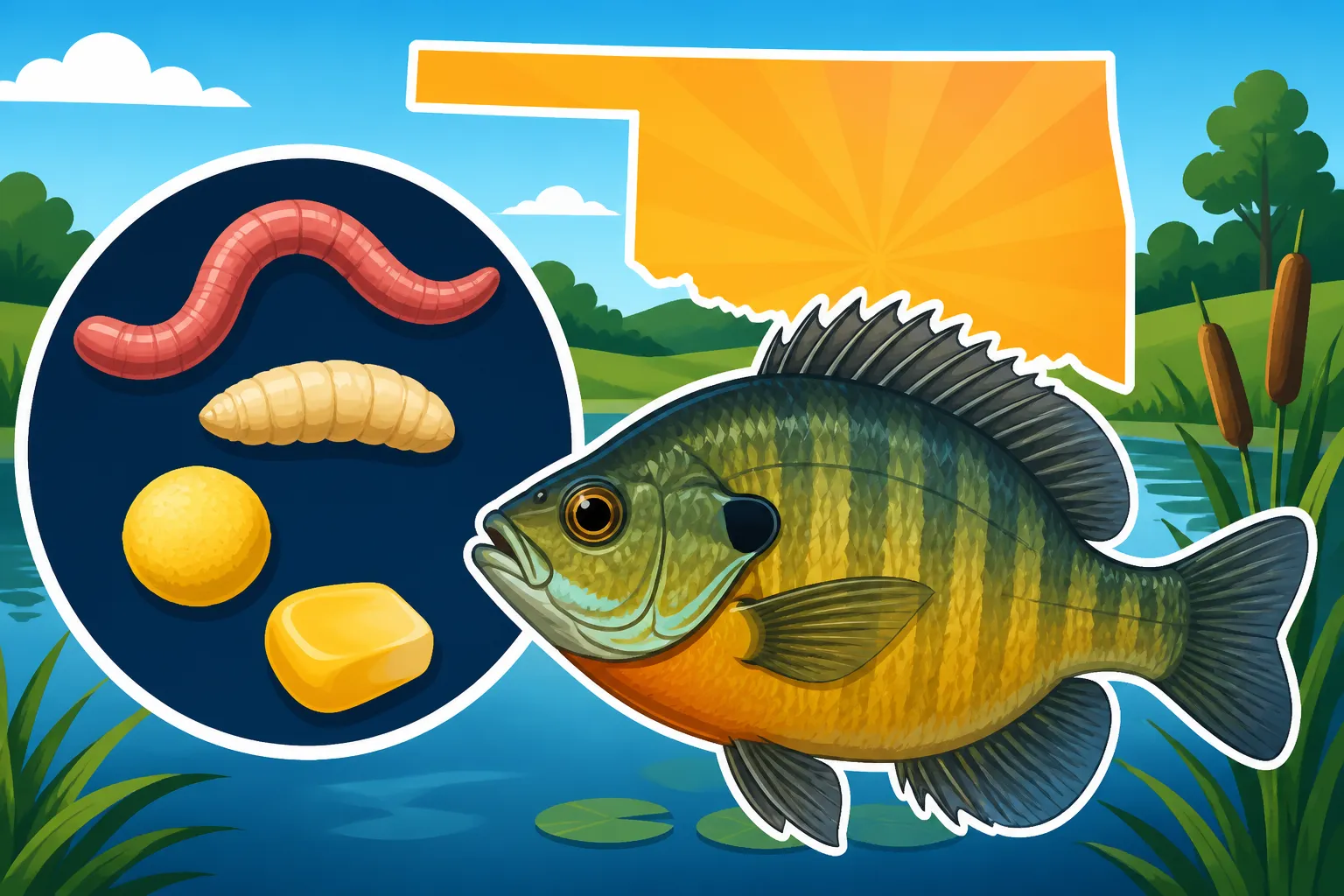
Best Bait for Bluegill in Oklahoma Ponds
It's a common scene in Oklahoma: you've got the kids out at a local pond, sun shining, eager to catch some fish. But then, frustration sets in. The bobber just sits there, or worse, they're getting nibbles but no real bites. You wonder if you're using the right bait, or if you're just wasting your time. This comprehensive guide is here to cut through that confusion, helping you pick the absolute best bait for bluegill in Oklahoma's ponds, ensuring those fishing trips are filled with bending rods and smiling faces.
The Timeless Classics: Natural Baits That Always Deliver for Bluegill
When it comes to bluegill, sometimes the simplest, most natural approach is the best. These tried-and-true baits have been catching panfish for generations, and for good reason. They appeal directly to a bluegill's natural diet and instincts, making them almost impossible to resist.
Worms and Nightcrawlers: The Unbeatable All-Rounder
Ah, the humble worm. Is there any bait more iconic, more universally successful, than a piece of a wiggling worm? Probably not, especially when you're talking about bluegill in an Oklahoma pond. Bluegill absolutely adore worms because they're a natural part of their diet. They're full of scent, they wiggle enticingly, and they look exactly like something a bluegill would normally forage for in the mud or along the bottom.
When using worms, you don't need a whole nightcrawler. In fact, a small piece, about an inch or two long, is often more effective for bluegill's small mouths. Thread it onto a small hook (size 8 or 10 is perfect for most bluegill) so that the hook point is exposed, but the worm still has plenty of wiggling action. The movement is key! You can find worms at nearly any bait shop across Oklahoma, or even dig them up in your own backyard after a good rain. They're incredibly versatile, working well whether you're fishing with a bobber, on the bottom with a small sinker, or even sight-fishing in clear water. For those just starting out, worms are often the Best Bluegill Bait for Beginners because they're so easy to use and almost guarantee some action.
Crickets and Grasshoppers: Seasonal Delights
As the Oklahoma summer really heats up and you hear those distinctive chirps from the tall grass, remember that those insects aren't just background noise – they're prime bluegill bait! Crickets and grasshoppers are absolutely deadly for bluegill, especially during the warmer months when these insects are plentiful around the pond edges. A bluegill sees a cricket skittering on the surface or falling into the water, and it's an immediate, instinctual strike.
Rigging a cricket or grasshopper is pretty straightforward. Use a small, light-wire hook and gently hook the insect through the collar behind its head, or carefully through its abdomen. The goal is to keep it alive and kicking for as long as possible, as that frantic movement on the surface is what really draws the bluegill in. Cast it near lily pads, submerged timber, or weed lines, and let it float naturally. The anticipation of watching a bluegill rise to slurp down a cricket is one of the purest joys in fishing. You can buy crickets at most bait shops, especially those catering to panfish anglers, or if you're feeling adventurous, catch grasshoppers yourself in fields near your fishing spot.
Mealworms and Waxworms: The Panfish Powerhouses
While worms and crickets are fantastic, mealworms and waxworms deserve a special mention because they are practically bluegill magnets. These grubs are packed with protein, have a very distinct scent, and their small, plump bodies are perfectly sized for bluegill to inhale. They're particularly effective when bluegill are a bit finicky or when you're trying to target slightly larger specimens.
You'll often find these sold in small containers at bait shops, or even pet stores as reptile food. They're clean, easy to handle, and last a long time if kept cool. To rig them, simply thread one or two mealworms or waxworms onto a tiny hook. They don't offer as much natural movement as a nightcrawler piece, but their scent and appealing profile more than make up for it. These are excellent choices for still-fishing under a bobber or tipping a small jig. If you're struggling to find them locally, you can even find good quality live bait like these online from various retailers, including Amazon, making it convenient to stock up before your next outing. They're a secret weapon for consistent bluegill action, especially if you're aiming to catch a lot in a short amount of time.
Kitchen Staples and Budget-Friendly Options: Household Baits
Sometimes, you don't need to make a special trip to the bait shop. The best bluegill bait might already be in your kitchen or pantry. These common household items are surprisingly effective, incredibly cheap, and often make for a fun experiment, especially when fishing with kids.
Bread and Corn: Easy and Accessible
If you're looking for an incredibly simple, low-cost bait that almost anyone can use, look no further than your kitchen. Bread and canned corn are surprisingly effective for bluegill, and they're staples in nearly every Oklahoma home. The ease of use makes them fantastic, especially for teaching children how to fish.
For bread, simply tear off a small piece from a slice, roll it into a tight ball, and press it firmly onto a small hook. The goal is to make it dense enough to stay on the hook during the cast, but soft enough that bluegill can easily take it. Once in the water, it slowly softens and disperses, creating a scent cloud that attracts curious bluegill. Canned corn works similarly. Just put a few kernels on a small hook. The bright yellow color is highly visible, and the sweet smell can be irresistible to panfish. Both bread and corn are great for fishing under a bobber or even just letting them slowly sink to the bottom. They might not catch the trophy bluegill, but they'll certainly keep the action steady and help new anglers get the feel of a bite.
Hot Dogs and Cheese: The Surprising Secret Weapons
You might raise an eyebrow at this one, but trust me, hot dogs and cheese can be surprisingly effective for bluegill. There's something about their scent and texture that really calls to them. These are especially good when you're trying to attract slightly larger bluegill that might be a bit more opportunistic.
For hot dogs, cut a standard hot dog into small, pea-sized pieces. The firmer varieties tend to stay on the hook better. The strong, savory smell leaks into the water, acting as an attractant. For cheese, mild cheddar or even Velveeta-style processed cheese works well. Cut it into tiny cubes and press it onto your hook. The soft texture allows the scent to dissipate quickly, and it's easy for bluegill to mouth. These baits are fantastic for sitting on the bottom or fishing just above it. They hold up reasonably well, even against repeated nibbles, meaning you won't have to re-bait as often as you might with bread. This can be a huge plus when you've got impatient young anglers waiting for a bite.
Small Pieces of Shrimp: A Salty Treat
While maybe not a "kitchen staple" for everyone, a small piece of uncooked shrimp (the kind you'd buy for dinner) can be a fantastic bluegill bait. Bluegill are often opportunistic feeders, and the strong, briny scent of shrimp can travel a long way in the water, drawing them in from nearby cover. This bait can be especially good if you're fishing in slightly murky water where visual cues aren't as strong, as the scent trail becomes paramount.
Just like with hot dogs or cheese, you'll want to cut your uncooked shrimp into very small, bite-sized pieces. Thread one or two pieces onto your small hook, ensuring the hook point is exposed. You can fish shrimp under a bobber or on the bottom with a light sinker. The natural texture and smell are very appealing, and while you might not think of shrimp for bluegill, it often proves to be a secret weapon when other baits aren't producing. It's also a surprisingly durable bait, capable of withstanding a few tentative tugs before needing replacement.
Artificial Lures and Jigs: When Finesse Pays Off
While natural and household baits are fantastic for bluegill, there's a whole world of artificial lures and jigs that can be incredibly effective, especially for anglers looking to add a bit more skill and challenge to their panfish pursuit. Artificial baits can often trigger more aggressive strikes and, for some, are more rewarding to fish.
Micro Jigs and Tiny Soft Plastics: Mimicking Naturals
When you want to elevate your bluegill fishing, micro jigs and tiny soft plastics are the way to go. These miniature lures are designed to imitate small insects, larvae, or baitfish that bluegill naturally feed on. The key here is tiny. We're talking jigs with heads weighing 1/64 to 1/32 ounce, paired with soft plastic bodies no more than an inch long.
Popular soft plastic shapes include tiny grubs, worms, or even micro-sized tubes. Colors can vary, but chartreuse, white, black, and natural browns and greens are always good starting points. The trick is to fish them slowly and subtly. Cast them out, let them sink to the desired depth, and then impart tiny twitches and pauses with your rod tip. This makes the jig "dance" in the water, mimicking a vulnerable meal. This technique is often more engaging for the angler and can lead to catching some of the larger, more aggressive bluegill in the pond. You can find an incredible variety of these micro jigs and plastics from tackle shops or online retailers like Amazon, allowing you to experiment with different patterns and colors to see what the bluegill are keying into on any given day.
Small Spinners and Spoons: Flash and Vibration
Sometimes, bluegill need a little extra encouragement, especially if they're active and chasing bait. That's where small spinners and spoons come into play. These lures create flash and vibration in the water, mimicking a fleeing baitfish or insect, which can trigger aggressive reaction strikes.
Look for inline spinners like those from Mepps or Rooster Tail, in sizes from 0 to 1, or tiny casting spoons. Colors with silver, gold, or brass blades work well, often paired with a colorful dressing like chartreuse or red on the hook. The key to fishing these is a steady, slow retrieve. You want just enough speed to get the blade spinning or the spoon wobbling. Cast them out, let them sink for a moment, and then reel them in. They're excellent for covering water quickly and finding active schools of bluegill, especially around weed edges or drop-offs where fish might be ambushing prey. Best Time of Day to Catch Bluegill often involves these faster retrieves when the fish are actively feeding.
Fly Fishing for Bluegill: A Delicate Approach
For the more seasoned angler looking for a truly engaging bluegill experience, fly fishing is an incredibly rewarding technique. Bluegill are perfect targets for fly rods due to their abundance and willingness to strike small flies. This method offers a more delicate presentation and a unique challenge.
The best flies for bluegill are typically small poppers, sponge spiders, or wet flies that mimic insects. Small poppers, fished on the surface with subtle "pops" and pauses, are incredibly exciting as you watch the bluegill rise and strike. Wet flies, fished just beneath the surface or slowly sinking, can imitate nymphs and larvae. A 2 or 3-weight fly rod is ideal for bluegill, offering plenty of fight from even a modest fish. This method isn't just about catching fish; it's about the artistry of the cast and the delicate presentation. It's a wonderful way to connect with the fish and the natural environment of an Oklahoma pond.
Matching Bait to Conditions and Angler Skill
Choosing the "best" bait isn't a one-size-fits-all answer. What works wonders on one day might be ignored the next. Understanding how to adapt your bait choice to the specific conditions of your Oklahoma pond and the skill level of the angler is crucial for consistent success.
Water Clarity and Depth Considerations
The environment where you're fishing plays a huge role in bait effectiveness. Think about the water in your local pond. Is it crystal clear, or is it a bit murky after a recent rain?
In clear water, bluegill rely heavily on their eyesight. This means natural-looking baits that are presented subtly will often outperform bright, flashy options. Live worms, crickets, or realistic micro jigs in natural colors (like browns, greens, or black) are excellent choices. You might also want to scale down your line size and use smaller hooks for a more invisible presentation. Bluegill can be surprisingly wary in clear conditions. However, clear water can also be great for sight fishing, allowing you to see how the fish react to different baits. If you're struggling, consider fishing deeper where the light penetration is less intense, and the fish might feel more secure.
In murky or stained water, scent and vibration become much more important than visual appeal. This is where those strong-smelling baits like hot dogs, shrimp, or even garlic-infused worms can really shine. The scent trail helps bluegill locate your bait when they can't see it clearly. Flashy spinners or jigs with bright colors (like chartreuse or orange) can also work, as the vibration and contrasting colors stand out more in low visibility. Don't be afraid to experiment with slightly larger baits in murky water, as the bluegill won't be as shy about striking something substantial that they can only partially see.
Best Baits for Kids and Beginners
When you're introducing someone, especially a child, to the joys of fishing, the goal isn't just to catch fish, but to make it fun and keep them engaged. This means choosing baits that are easy to use, stay on the hook well, and reliably get bites.
Worms, particularly smaller pieces of nightcrawlers, are hands-down the best option. They're natural, irresistible, and almost guarantee action. Bread balls or canned corn are also fantastic because they're safe to handle, readily available, and kids love the idea of catching a fish on something from the dinner table. The beauty of these baits is their simplicity. A small hook, a bobber that dips excitedly, and a simple cast are all you need. How to Fish for Bluegill with Kids often focuses on these easy-to-manage baits to build confidence and excitement. The sheer joy of watching a bobber disappear is an experience that can hook a new angler for life. Remember, sometimes the "best" bait is the one that leads to the most smiles, not necessarily the biggest fish.
Advanced Tips for Bigger Bluegill
While bluegill are typically pan-sized, many anglers enjoy the challenge of targeting the "slab" bluegill – those hand-sized, dinner-plate specimens that put up a fantastic fight. Catching bigger bluegill often requires a slightly different approach to bait and presentation.
For trophy bluegill, consider scaling up your bait just a touch. Instead of a tiny piece of worm, try a whole small red worm or multiple waxworms. Larger crickets can also entice bigger fish. Sometimes, an artificial lure like a small, realistic jig or a micro spinner can trigger the aggressive bite of a larger bluegill that's more territorial. Presentation also matters. Larger bluegill often hang out in deeper water or tighter to heavy cover like submerged brush piles or fallen trees. You might need to adjust your How to Rig a Bobber for Bluegill Fishing to present your bait just above these structures. Patience is key, as bigger bluegill are often warier and might take more time to commit to a bite. Finding those hidden honey holes and presenting a tempting, slightly larger offering can make all the difference in landing a true bluegill lunker.
Here's a quick comparison of some popular bluegill baits:
| Bait Type | Pros | Cons | Best Use |
|---|---|---|---|
| Live Worms | Irresistible natural scent & action; universally loved | Can be messy; requires proper storage; can come off easily | All-around, especially for beginners; any water clarity |
| Crickets | Excellent surface action; highly visible; natural prey | Seasonal availability; can be fragile to hook | Warm weather, surface fishing; near vegetation |
| Mealworms/Waxworms | Clean, easy to handle; consistent producers; good scent | Can be expensive; smaller size might attract tiny fish | Tipping jigs, still-fishing; good for finicky bluegill |
| Bread Balls | Super cheap & accessible; easy for kids; creates scent | Very soft, comes off easily; attracts small nuisance fish | Family fishing, quick trips; still water, light current |
| Canned Corn | Cheap & accessible; bright color; sweet scent | Can attract smaller fish; less durable on hook | Beginner-friendly; clear to slightly stained water; sight fishing |
| Hot Dogs/Cheese | Durable; strong scent; can entice larger bluegill | Less natural appeal; not always readily accepted | Bottom fishing, targeting larger bluegill; stained water |
| Micro Jigs | Versatile; can target specific depths; reusable | Requires more skill to present; need to buy various colors | Finesse fishing, covering water; active bluegill |
| Small Spinners | Flash & vibration; attracts aggressive fish; reusable | Less effective in very cold water; can snag easily | Covering water, active bluegill; slightly stained water |
Ultimately, the best bait for bluegill in Oklahoma ponds is often a combination of what the fish are biting, what you have on hand, and what you enjoy fishing with most. Don't be afraid to experiment! One day it might be worms, the next it could be a tiny jig. Part of the fun of fishing is figuring out that puzzle. So grab your rod, pack your tackle, and get ready to enjoy some fantastic bluegill action in the Sooner State.
Disclaimer
This article is for general informational purposes only and does not constitute professional advice. Laws, prices and regulations vary by location and change over time. Consult a qualified professional for guidance on your specific situation.