How Many Fish Species Live in Oklahoma
It’s a question every angler, from the seasoned veteran to the curious newcomer, has probably pondered while casting a line into one of our beautiful reservoirs or winding rivers: just how many different kinds of fish are actually swimming around in Oklahoma? You might be surprised to learn that our state's waters are home to an incredibly diverse array of aquatic life, far more than just the bass, crappie, and catfish we all know and love. This guide will take a deep dive into the fascinating count of Oklahoma's fish species, breaking down the numbers and revealing the rich biodiversity beneath the surface.
The Rich Tapestry of Oklahoma's Aquatic Life
When you think about fishing in Oklahoma, the usual suspects like largemouth bass or channel catfish probably come to mind first. But our state's aquatic ecosystems are incredibly complex and support a surprisingly high number of distinct fish species. This biodiversity is a testament to the varied habitats found across Oklahoma, from the clear, rocky streams of the Ozarks to the expansive, muddy reservoirs of the central plains, and the unique conditions of our major rivers.
How Many Species Call Oklahoma Home?
So, let's get right to it: Oklahoma is home to approximately 181 different species of fish. That's a huge number, isn't it? It’s far more than just the handful of popular game fish you typically pursue. This count includes everything from the smallest minnows darting in shallow creeks to the massive alligator gar lurking in slow-moving rivers, and the prized game fish that bring so many of us out to the water each weekend. It’s a dynamic number too, influenced by conservation efforts, environmental changes, and even the introduction of new species, both intentional and accidental. Understanding this vast number helps us appreciate the intricate web of life that sustains our fisheries and keeps our passion alive.
Native vs. Introduced Species: A Changing Landscape
Not all 181 species are "native" to Oklahoma, meaning they weren't here before European settlement. Our state's waters are a mix of species that have been here for millennia and those that have been introduced over time, often to enhance sportfishing or control other populations. Roughly two-thirds of the species are native, while the remaining third are introduced.
For example, our beloved Striped Bass Fishing Techniques for Oklahoma's Lake Texoma and their hybrid cousins are fantastic sport fish, but they were actually introduced to our waters decades ago. Similarly, rainbow trout, while a delightful catch in our trout streams, aren't native to Oklahoma. These introductions have profoundly shaped our fisheries, sometimes for the better, providing new angling opportunities, and sometimes with unintended ecological consequences. It's a delicate balance that fishery managers constantly monitor.
The Impact of Diverse Habitats
Oklahoma's geography plays a massive role in supporting such a wide array of fish species. Think about it:
- Eastern Oklahoma: With its clear, spring-fed streams and rocky rivers flowing into the Arkansas River basin, this region provides habitat for species requiring cooler, clearer water, like some darters and even smallmouth bass. Lakes like Tenkiller Ferry Lake offer different environments from the sprawling Lake Eufaula.
- Western Oklahoma: The dryer, often sandy rivers and playas of the west support fish adapted to more intermittent flows and variable water conditions, such as certain minnows and shiners.
- Large Reservoirs: Our numerous man-made lakes, from the vast Lake Texoma to the scenic Broken Bow Lake, create massive, deep-water habitats for large populations of bass, crappie, catfish, and even species like walleye and striped bass. These lakes often connect river systems, allowing for migration and broader distribution of fish.
- Smaller Ponds and Farm Ponds: These ubiquitous bodies of water across the state, while not always part of major river systems, are crucial for sustaining populations of bluegill, channel catfish, and largemouth bass, offering accessible fishing for many Oklahomans.
Each of these distinct environments offers unique conditions regarding water temperature, clarity, flow, substrate, and vegetation, which in turn dictate which fish species can thrive there.
Oklahoma's Beloved Game Fish
When most of us talk about fishing, we're really talking about targeting game fish. These are the species that are managed by the state for recreational angling, and they represent a significant portion of Oklahoma's fish diversity, even if they aren't the largest numerical group. These fish are thrilling to catch and, in many cases, delicious to eat.
The Bass Family: Oklahoma's Prized Catches
No discussion of Oklahoma fishing is complete without talking about bass. We are truly a bass fishing state! The diversity within the bass family alone is impressive, offering varied challenges and opportunities for anglers.
- Largemouth Bass: The undisputed king of Oklahoma fishing, found in nearly every lake, pond, and slow-moving river. They are aggressive, grow to impressive sizes, and are the focus of countless tournaments. Knowing their habits through the seasons is key to success. Largemouth Bass Fishing in Oklahoma: The Complete Guide offers a deep dive into targeting these beauties.
- Smallmouth Bass: While less common than largemouths, smallmouth bass thrive in the clearer, rockier waters of eastern Oklahoma, particularly in rivers and some northern lakes. They are known for their powerful fights and preference for rocky structure and cooler temperatures. For anglers used to largemouths, targeting smallmouths provides a different, exhilarating experience. Smallmouth Bass in Oklahoma: What Anglers Should Know can help you find them.
- Spotted Bass: Often mistaken for largemouths, spotted bass are a fantastic fighting fish that are abundant in many of our reservoirs. They tend to prefer deeper, clearer water than largemouths and can be a consistent bite when other species are finicky. Learning to distinguish them can be beneficial for understanding their habits. Spotted Bass Fishing in Oklahoma: A Complete Guide is a great resource.
The rules and limits for these bass species, especially the "black bass" (largemouth, smallmouth, and spotted), are carefully managed to ensure sustainable populations. You'll find specific bag and length limits that vary by lake, so always check the regulations. Oklahoma's Bass Fishing Rules and Limits details these vital regulations.
Crappie and Panfish: Accessible Fun for All
Crappie and other panfish are the backbone of family fishing trips and provide consistent action for anglers of all ages. They are widely distributed and offer a delightful experience, whether you're jigging in brush piles or dipping minnows under a bobber.
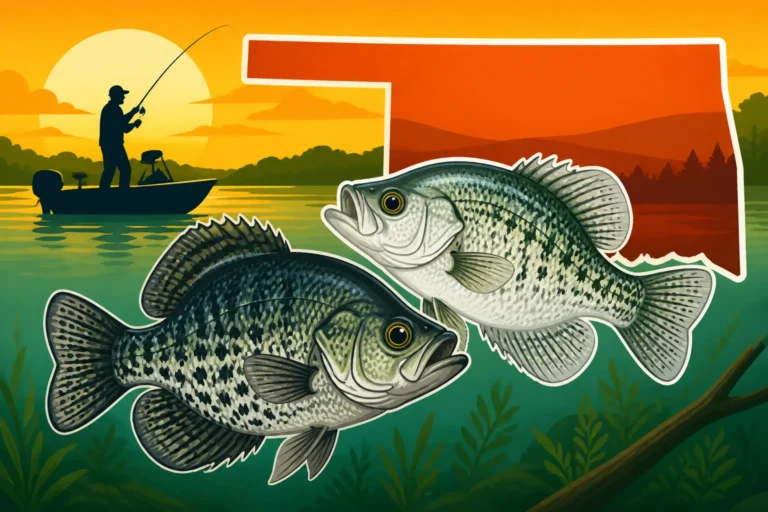
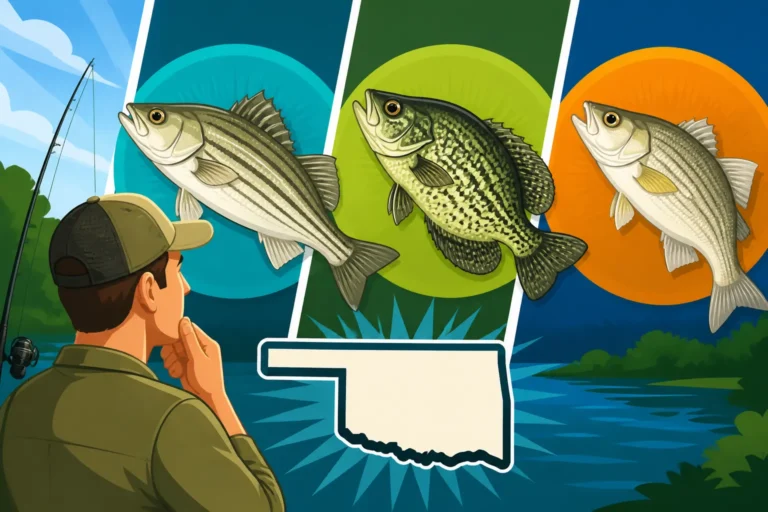
- Black Crappie and White Crappie: Oklahoma is home to both black and white crappie, which are often found together but have slight preferences in habitat. Black crappie tend to prefer clearer water and more vegetation, while white crappie are more tolerant of turbid conditions. Both are highly sought after for their delicious fillets. Knowing the differences can help you refine your techniques. Black Crappie vs White Crappie: Key Differences for Oklahoma Anglers is a good read.
- Sunfish (Bluegill, Redear, Green Sunfish): These smaller, colorful panfish are incredibly abundant and offer endless fun, especially for kids. Bluegill are perhaps the most common, known for their aggressive bites. Redear sunfish are larger and known for their snail-eating habits, while green sunfish are hardy and often found in smaller streams and ponds. They are often targeted with simple bait and tackle setups, making them perfect for beginners. Bluegill Fishing for Beginners is a great place to start learning.
Bag limits for crappie are generous statewide, but certain lakes have special regulations to protect local populations. It's crucial to be aware of these local rules. Crappie Fishing Rules and Limits in Oklahoma will give you the full scoop.
The Mighty Catfish: From Channels to Blues
Catfish are an iconic part of Oklahoma's fishing culture, from casual bank fishing to serious trophy hunting. Our waters boast three main species, each with its unique characteristics and appeal.
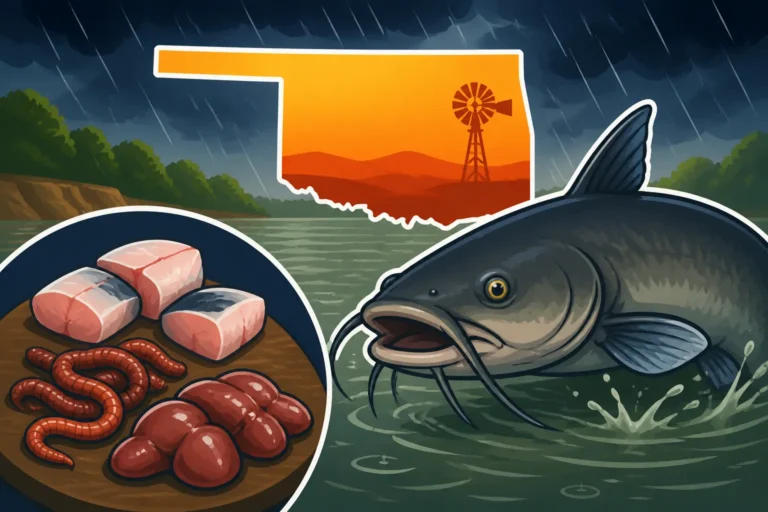
- Channel Catfish: The most widespread and commonly caught catfish in Oklahoma, found in nearly all lakes, rivers, and ponds. They are excellent table fare and provide consistent action. Best Bait for Channel Catfish After a Rainstorm can help you hook more.
- Blue Catfish: Known for their massive size and powerful fights, blue catfish are the ultimate trophy catfish in Oklahoma. They primarily inhabit large rivers and reservoirs, particularly in deeper, open water. Lake Texoma and Grand Lake are famous for their giant blues. How Big Do Blue Catfish Get in Oklahoma is a fascinating read if you're chasing a monster.
- Flathead Catfish: These ambush predators prefer cover, often lurking in log jams, undercut banks, and rocky crevices. They primarily feed on live fish and are known for their distinct appearance and excellent taste. Catching a flathead often requires different tactics than channels or blues.
Catfish regulations are generally generous, but there are specific rules for larger blue catfish in some areas to protect trophy fisheries. Oklahoma's Catfish Fishing Rules and Limits details these regulations. For those who enjoy a bit of a challenge, many anglers also pursue Trotline Fishing for Catfish or Jug Fishing for Catfish as traditional methods.
Other Notable Game Fish: Walleye, Stripers, and Trout
Beyond the big three families, Oklahoma's diverse waters offer even more exciting game fish opportunities.
- Walleye and Saugeye: These elusive and highly prized fish are known for their delicious white meat and challenging bite. Walleye are found in several of our clearer reservoirs, particularly in the northern part of the state. Saugeye, a hybrid cross between a walleye and a sauger, are stocked in other lakes and offer excellent fishing. Walleye Fishing Techniques is a great resource to learn how to target them.
- Striped Bass (Stripers): A truly unique and hard-fighting sport fish, especially famous in Lake Texoma. These saltwater transplants thrive in our large reservoirs and make incredibly powerful runs. They are a bucket list fish for many anglers. Lake Texoma May Striper Fishing in Oklahoma is a must-read for striper enthusiasts.
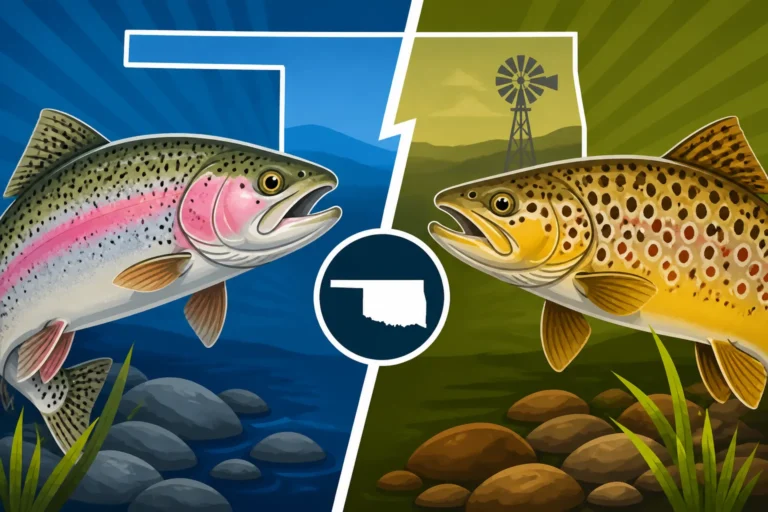
- Trout (Rainbow and Brown): While not native, rainbow and brown trout are stocked in several designated trout streams and ponds, providing a fantastic cold-water fishery, especially during the cooler months. These put-and-take fisheries are a wonderful way to experience trout fishing in Oklahoma. Trout Fishing in Oklahoma: Rainbow and Brown Trout details where to find them.
The Unsung Heroes: Nongame and Native Species
While game fish often get all the glory, the vast majority of Oklahoma's 181 fish species fall into the category of nongame fish. These species might not be targeted by most recreational anglers, but they are absolutely vital to the health and balance of our aquatic ecosystems. They form the base of the food chain, control insect populations, and contribute to the overall biodiversity that makes our waters so vibrant.
The Often-Overlooked Rough Fish: Gar and Buffalo
"Rough fish" is an older term for species not typically considered game fish, but many of them offer incredible angling challenges and unique experiences.
- Gar (Alligator, Longnose, Shortnose, Spotted): Oklahoma is home to several species of gar, with the formidable alligator gar being the largest freshwater fish in North America. These ancient, armored predators are a truly impressive sight and offer a challenging, powerful fight for those who target them with heavy gear. Longnose gar are more common and can be found throughout the state. Alligator Gar Fishing in Oklahoma can teach you about targeting these living fossils.
- Buffalo (Bigmouth, Smallmouth, Black): These large members of the sucker family are filter feeders and bottom dwellers, often found in large schools in reservoirs and rivers. While not typically sought after by sport anglers, they are highly valued by commercial fishermen and some bowfishing enthusiasts. They play an important role in the ecosystem by consuming detritus and plankton.
These fish contribute significantly to the biomass of our waters and are a testament to the ancient lineages of fish that have inhabited our continent for millions of years.
Minnows and Forage Fish: The Foundation of the Food Chain
For every large game fish, there are countless smaller fish that serve as their primary food source. These forage fish might be tiny, but their abundance and health are absolutely critical to sustaining the populations of all the game fish we love to catch.
- Various Minnows and Shiners: Oklahoma has a multitude of minnow species, often differentiated by subtle markings or fin counts. These small fish, like the red shiner or emerald shiner, school in huge numbers in rivers and lakes, forming the base of the food web.
- Gizzard Shad and Threadfin Shad: These silvery forage fish are incredibly important, particularly in our larger reservoirs. They reproduce quickly and provide a massive food source for striped bass, white bass, and large predatory fish. When you see big schools of bait on your fish finder, it's often shad.
- Darters and Topminnows: These smaller, often colorful fish are important indicators of water quality and habitat health. Darters typically live on the bottom of clear streams, while topminnows often feed on surface insects in calm waters.
Without these foundational species, our populations of bass, crappie, and catfish simply wouldn't be as robust. Protecting their habitats and ensuring healthy ecosystems is paramount for the entire fishery. You can find excellent resources, including field guides, on platforms like Amazon if you're interested in identifying the specific minnows you might encounter in your local creek or pond.
Unique and Rare Species: Protecting Oklahoma's Aquatic Treasures
Beyond the common and the popular, Oklahoma is also home to several unique or rare fish species that might not be on an angler's radar but are crucial for the state's ecological integrity. These can include various species of dace, chubs, and some lesser-known darters. Many of these species are quite sensitive to changes in water quality and habitat, serving as important bellwethers for environmental health. Conservation efforts often focus on protecting the habitats of these species, which in turn benefits the entire aquatic community. This intricate web of life reminds us that every organism, no matter how small or obscure, plays a role.
Why Species Diversity Matters to Every Angler
Understanding the sheer number and variety of fish species in Oklahoma is more than just a fun fact; it's fundamental to being a responsible and successful angler. This knowledge impacts everything from conservation to improving your catch rates.
The Ever-Changing Fishery: Conservation and Management
With so many species, managing Oklahoma's fisheries is a complex task. The Oklahoma Department of Wildlife Conservation (ODWC) works tirelessly to monitor populations, set Fishing Regulations You Need to Know in Oklahoma, and implement stocking programs. This careful management ensures that future generations can enjoy the same incredible fishing opportunities we have today.
- Habitat Protection: Protecting diverse habitats, from pristine rivers to healthy reservoir shorelines, is key to maintaining a wide variety of fish.
- Species-Specific Regulations: Different species have different needs and vulnerabilities. That's why you see specific rules for Oklahoma Statewide Bass Bag Limit Explained, Oklahoma Statewide Crappie Bag Limit, and Oklahoma Forked-Tail Catfish Bag Limit. These regulations are designed to prevent overfishing and allow populations to thrive.
- Monitoring and Research: Biologists continuously study fish populations, water quality, and environmental factors to make informed decisions about managing our aquatic resources.
As anglers, we have a vital role to play in supporting these efforts by following regulations, practicing catch and release when appropriate, and advocating for healthy aquatic environments.
How Knowing Species Helps Your Fishing Success
Knowing about the different species isn't just for biologists; it can make you a much better angler!
- Targeting Specific Fish: If you know that walleye prefer deep, rocky structure and cleaner water, you won't waste time looking for them in a shallow, muddy cove where channel catfish might thrive. Understanding the specific needs and behaviors of Largemouth Bass Fishing in Oklahoma: The Complete Guide compared to Crappie Fishing Techniques and Seasonal Patterns in Oklahoma allows you to adapt your approach.
- Bait and Lure Selection: Different fish eat different things. A live minnow might be irresistible to a crappie, while a crankbait might be ignored in favor of a plastic worm by a largemouth bass. Familiarity with the local forage base, which often consists of various minnows and shad, helps you "match the hatch" and select the most effective lures or baits. You can often find a wide selection of species-specific lures and baits online, perhaps even on sites like Amazon.
- Seasonal Patterns: The movement and feeding patterns of fish change with the seasons. Crappie move shallow to spawn in spring, while catfish might retreat to deeper holes in winter. Knowing the species helps you predict where they might be at any given time of year. Oklahoma Fishing Seasons: A Month-by-Month Guide provides an excellent overview of these patterns.
- Conservation through Identification: Being able to correctly identify your catch ensures you're complying with specific bag and length limits. Mistaking a spotted bass for a largemouth can sometimes lead to inadvertently breaking a specific regulation.
Exploring New Species for New Adventures
Perhaps one of the greatest benefits of realizing the sheer diversity of fish in Oklahoma is the inspiration to try something new! If you've always been a bass angler, why not try targeting walleye in a new lake, or try your hand at Paddlefish Snagging at Grand Lake O' the Cherokees?
Our state offers incredible variety, meaning there's always a new challenge, a new technique to learn, or a new fish to pursue. This continuous learning and exploration is what keeps fishing exciting and fresh, ensuring that every trip to an Oklahoma lake or river can hold a new surprise.
Oklahoma's aquatic ecosystems are a treasure trove of biodiversity, far richer than many realize. With approximately 181 different species of fish, our state offers an incredible range of angling experiences, from chasing popular game fish to appreciating the vital roles of lesser-known species. Understanding this diversity not only deepens our appreciation for our natural resources but also equips us with the knowledge to be more effective and responsible stewards of Oklahoma's waters. So next time you're out on the water, take a moment to consider the incredible variety of life swimming beneath your boat, and maybe even try to identify a new species or two!
| Fish Category | Approximate Number of Species | Key Examples (Oklahoma Specific) | Angler Focus | Ecological Role |
|---|---|---|---|---|
| Black Bass | 3 | Largemouth Bass, Smallmouth Bass, Spotted Bass | Sport fishing, tournaments | Apex predators in many systems |
| Crappie | 2 | Black Crappie, White Crappie | Panfishing, recreational | Mid-level predators, prey for larger fish |
| Catfish | 3 (major) | Channel Catfish, Blue Catfish, Flathead Catfish | Sport fishing, food fish, trophy | Scavengers, predators, bottom dwellers |
| Other Game Fish | ~5-10 | Striped Bass, Walleye, Saugeye, Rainbow Trout, White Bass | Diverse sport fishing, unique challenges | Varied predator roles, introduced species often fill niches |
| Gar | 4 | Alligator Gar, Longnose Gar, Shortnose Gar, Spotted Gar | Niche sport fishing, bowfishing | Apex predators, scavengers, ancient lineages |
| Suckers & Buffalo | ~10 | River Carpsucker, Bigmouth Buffalo, Smallmouth Buffalo | Commercial, bowfishing, rarely sport | Bottom feeders, detritivores, planktivores |
| Minnows & Shiners | ~50+ | Red Shiner, Emerald Shiner, Golden Shiner | Baitfish | Primary forage for most game fish, detritivores |
| Darters & Perches | ~20+ | Slender Madtom, Bluntnose Darter, Orangethroat Darter | Biodiversity, ecological indicators | Small predators, benthic insectivores |
| Sunfish (non-crappie) | ~10-15 | Bluegill, Redear Sunfish, Green Sunfish, Warmouth, Longear Sunfish | Panfishing, beginner friendly | Insectivores, prey for bass |
| Other Native/Rare | Varied | Various dace, chubs, unique species, lampreys | Conservation | Maintain ecosystem balance, indicator species |
| TOTAL | ~181 |
Disclaimer
This article is for general informational purposes only and does not constitute professional advice. Laws, prices and regulations vary by location and change over time. Consult a qualified professional for guidance on your specific situation.