What Fish Can You Catch Year-round in Local Ponds
There's a common misconception among anglers that fishing is a strictly seasonal sport, especially when you're talking about smaller, local ponds. We've all been there, packing away the gear as the leaves start to turn, thinking we're done until spring. But the truth is, many of Oklahoma's local ponds hold a vibrant ecosystem that can offer fantastic angling opportunities all year long if you know what to look for and how to adapt. This guide is all about diving deep into the fish species you can reliably target in your local Oklahoma pond, no matter the season.
The Allure of Local Ponds: Why They're Great for Year-Round Fishing
Those little honey holes nestled behind a housing development, tucked away in a park, or even on private land often get overlooked in favor of the big lakes and reservoirs. But trust me, these smaller bodies of water have a charm all their own, and they can be incredibly productive for year-round fishing. The intimacy of a pond allows for a different kind of angling experience, one that often feels more personal and less intimidating than battling the waves on Lake Texoma.
Accessibility and Convenience
One of the biggest advantages of local ponds is their sheer accessibility. You don't need a fancy bass boat or a long drive to get to them. Often, a short trip with a tackle box and a couple of rods is all it takes. This convenience makes them perfect for impromptu fishing trips, a quick hour after work, or a relaxed weekend outing with the family. When the big lakes are rough or crowded, a quiet pond can be a true sanctuary. Plus, with less boat traffic, bank fishing is often a breeze. You might be surprised at what you can reel in from the shore. If you're looking for more general tips, Bank Fishing Tips for Beginners can really set you up for success.
For folks who might not have all the high-tech gear, ponds are forgiving. You can get away with simpler setups, and the fish, while sometimes cunning, are often more willing to bite than their highly pressured reservoir counterparts. This makes ponds an excellent training ground for new anglers, allowing them to build confidence before tackling larger waters. It's also fantastic for teaching kids the ropes; the chances of catching something are often much higher, keeping their excitement levels up.
A Different Kind of Challenge
While ponds might seem less glamorous, they present their own unique challenges and rewards. The fish populations can vary wildly from one pond to the next, offering a diverse array of species to target. Because they're smaller, changes in weather, water temperature, and pressure can have a more immediate and noticeable impact on fish behavior. Learning to read a pond and understand its subtle cues can make you a much better angler overall.
Ponds also force you to slow down and observe. You'll notice subtle weed lines, submerged structures, and changes in depth that you might overlook on a vast lake. This attention to detail often leads to smarter fishing strategies and, ultimately, more successful outings. You're not just casting blindly; you're actively hunting, observing, and reacting to what the pond is telling you.
Year-Round Pond Staples: The Panfish Powerhouses
When we talk about year-round fishing in local ponds, panfish are the undisputed champions. These small, feisty, and incredibly abundant species are often the first fish you'll catch and remain a reliable target throughout every season. They're perfect for keeping the rod bent and putting a smile on your face, whether it's the dead of winter or the dog days of summer.
Bluegill: The Ever-Present Fighters
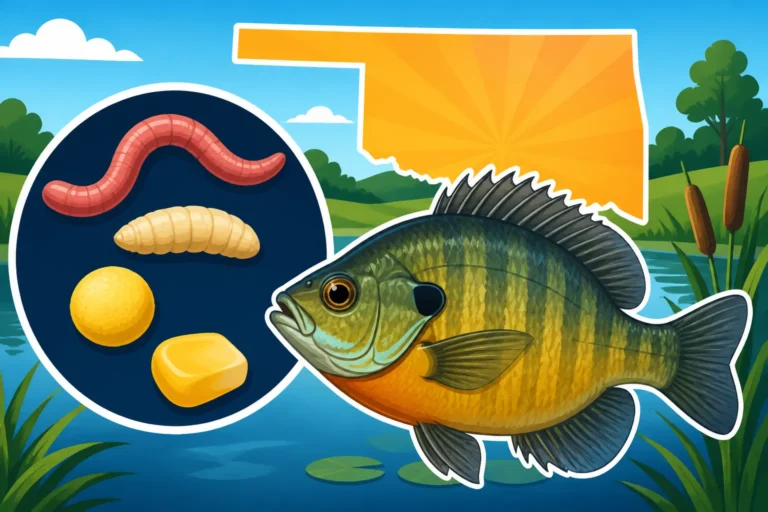
Ah, the bluegill! Many of us started our fishing journey by catching these beautiful, feisty little sunfish. They are, without a doubt, one of the most common and accessible fish you'll find in Oklahoma ponds. Bluegill are active year-round, although their behavior and preferred depths will shift with the seasons. In warmer months, they're often found around cover like lily pads, submerged timber, and brush, eagerly snapping up small insects, worms, and tiny artificial lures. Their willingness to bite makes them fantastic for young anglers, ensuring plenty of action. For specific advice, check out Best Bait for Bluegill in Oklahoma Ponds.
Even when temperatures drop and other species become lethargic, bluegill can still be caught. They'll typically move to deeper pockets of the pond, congregating in schools near the bottom or around submerged structures. A small jig tipped with a piece of worm, a tiny spoon, or even a specialized ice-fishing jig can still entice bites. Just remember to slow down your retrieve and pay close attention to subtle taps on your line. You might even find larger "bull" bluegill in deeper water during the colder months, offering a surprising fight on light tackle.
Green Sunfish: Tough and Territorial
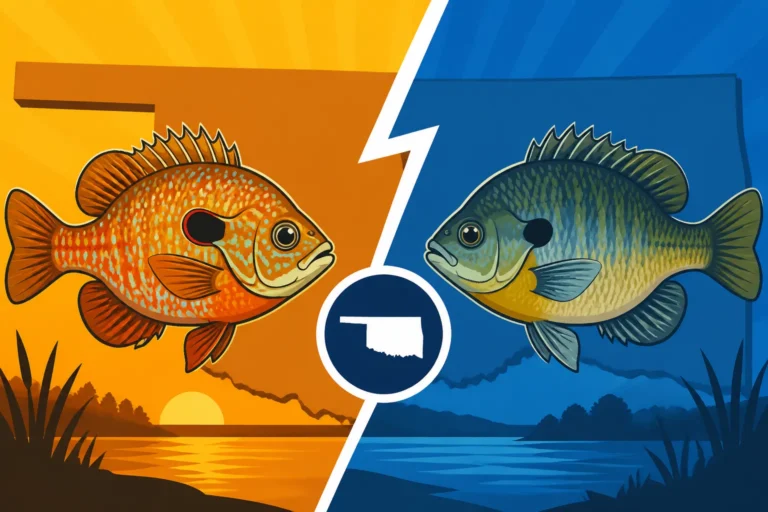
Often mistaken for bluegill, the green sunfish is another resilient and widespread panfish found in many Oklahoma ponds. They're identifiable by their slightly larger mouth, chunkier body, and often more iridescent green or blue markings, along with a distinct yellowish fin edge. Compared to bluegill, green sunfish tend to be a bit more aggressive and territorial. They'll readily strike at a variety of baits, from crickets and worms to small spinners and soft plastic jigs. If you want to dive deeper into distinguishing them, take a look at Green Sunfish vs Bluegill: How to Tell Them Apart.
Like bluegill, green sunfish are active throughout the year. In summer, they'll patrol the edges, often hiding in heavy cover, ready to ambush anything that comes by. In winter, they'll seek out those deeper, more stable water zones. They might not grow as large as some other species, but their feisty nature and willingness to bite make them a consistently fun target. Plus, for beginner anglers or kids, they are almost guaranteed to provide a catch, making them an excellent choice when you're teaching someone to fish. Indeed, they're one of the Best Beginner Fish for Kids Just Starting Out.
Redear Sunfish: The Shellcrackers
Redear sunfish, often called "shellcrackers" due to their preference for snails and other hard-shelled invertebrates, are another delightful panfish species to find in Oklahoma ponds. They can be a bit more finicky than bluegill or green sunfish, preferring to stay closer to the bottom, but they offer a solid fight and grow to a respectable size. Their name comes from the distinct red or orange margin on the operculum (gill flap), which helps distinguish them.
While they might not be as eager to hit a topwater bug as a bluegill, redear are excellent targets when you fish near the bottom. Small worms, crickets, or even specialized redear baits presented on a small hook with a sinker are often irresistible. Like other panfish, their activity slows in winter, but they remain catchable in deeper areas of the pond, especially if you can locate submerged mussel beds or rocky bottoms where their food sources reside. They're a great species to target if you're looking for something a little different from the usual bluegill fare and are willing to put in a bit more effort to find them.
The Predator Presence: Bass and Catfish in Ponds
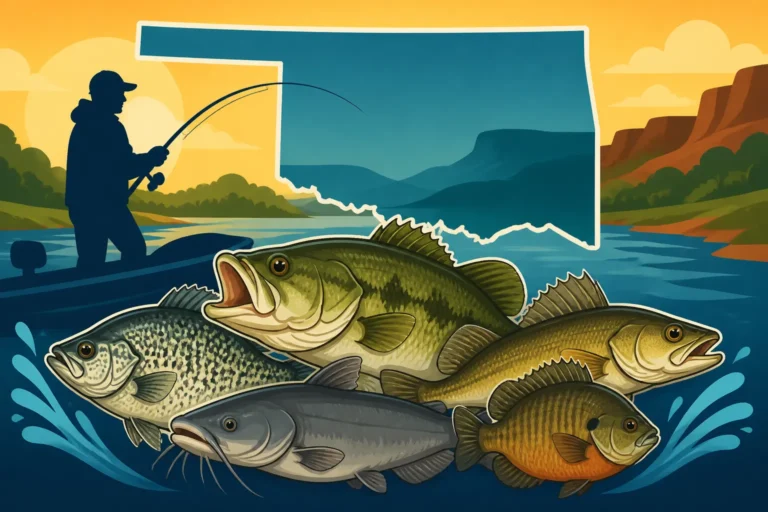
While panfish keep the action steady, many local ponds also harbor larger game fish like bass and catfish. These predators offer a different kind of thrill and often require more specific techniques, but catching a good-sized bass or a hefty catfish from a small pond can be incredibly rewarding, and these fish are also present year-round.
Largemouth Bass: Pond Kings
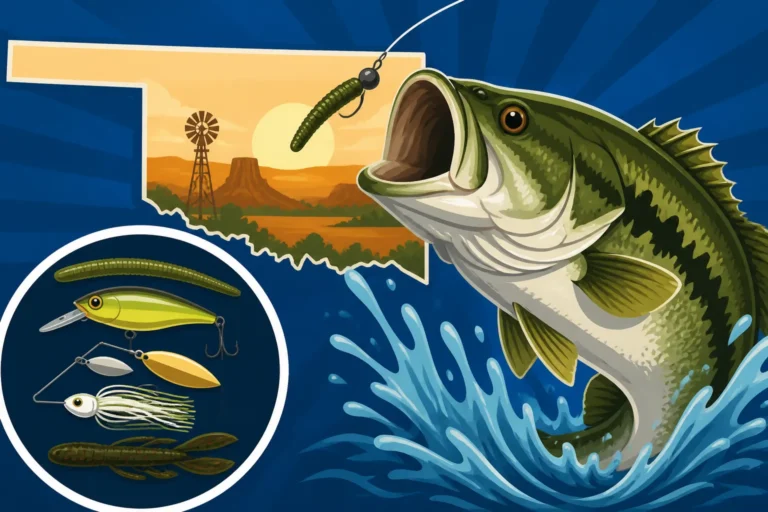
The largemouth bass is often considered the apex predator in many Oklahoma ponds. These aggressive, hard-fighting fish are present in most well-maintained ponds and can provide incredible action. In warmer months, they'll be found patrolling weed lines, under docks, or around fallen trees, ambushing prey. Topwater lures, spinnerbaits, crankbaits, and soft plastics are all effective. Knowing how to identify them is key, so consider reading How to Identify a Largemouth Bass.
During colder periods, largemouth bass become less active but certainly don't disappear. They'll typically retreat to deeper water, often suspending near drop-offs or congregating around significant submerged structure like brush piles or old creek channels if the pond has them. A slow presentation is key in winter; jigs, shaky heads, or slow-rolled spinnerbaits can entice a bite. You might need to make several casts to the same spot, allowing the bait to sit for longer, as bass are less likely to chase aggressively. For some pond-specific bait tips, check out Best Bait for Largemouth Bass in Oklahoma Farm Ponds.
Channel Catfish: Bottom-Dwelling Opportunists
Channel catfish are another fantastic year-round target for pond anglers. These powerful fish are scavengers by nature, meaning they're often willing to bite even when other fish are sluggish. They can grow to impressive sizes in ponds, providing a strong fight that's sure to thrill. They're easy to distinguish from their larger cousins, so knowing Channel Catfish vs Blue Catfish: How to Tell Them Apart can be helpful.
Catfish are usually caught on the bottom using various smelly baits like chicken livers, punch baits, cut bait, or even hot dogs. In summer, they're active throughout the pond, especially in low-light conditions or after a good rain, which stirs up their food source. Best Bait for Channel Catfish After a Rainstorm has some great suggestions. When the water cools in winter, channel catfish will often gather in deeper holes or depressions in the pond bed. While their feeding activity slows, they can still be caught by presenting baits directly on the bottom in these deeper areas. A patient approach with a good stout rod and reel is often all it takes. Fishing for them from the bank is also a popular and effective method; you can learn more at How to Catch Channel Catfish from the Bank.
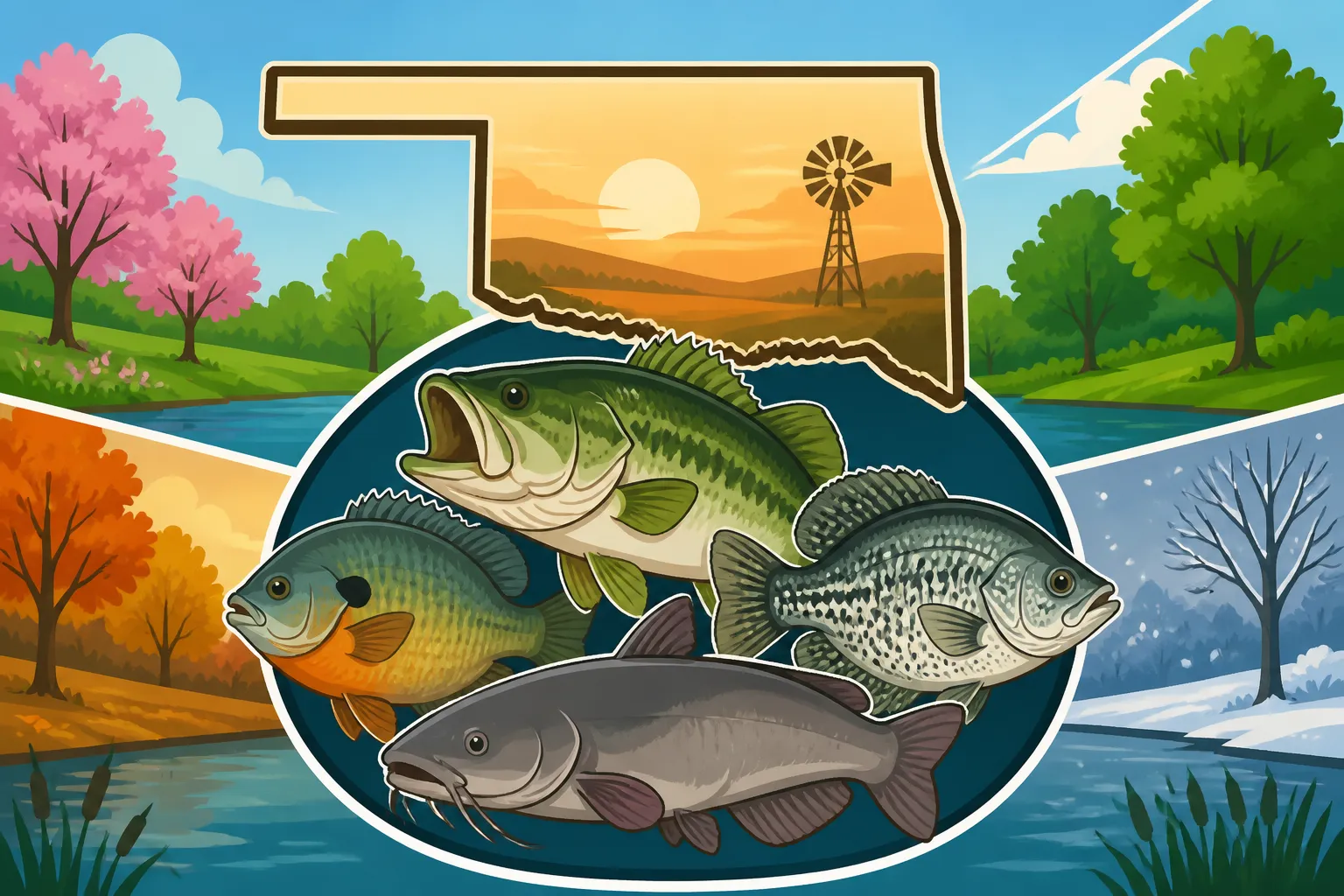
Here's a quick overview of what to expect from these species through the seasons:
| Fish Species | Spring (Spawn) | Summer (Active) | Fall (Feeding Frenzy) | Winter (Slower) |
|---|---|---|---|---|
| Bluegill | Shallow, bedding, aggressive | Mid-depth to shallow, cover, steady bites | Deeper, schooling, consistent | Deepest, slow bites, small presentations |
| Green Sunfish | Shallow, territorial, aggressive | Edges, heavy cover, very aggressive | Mid-depth, good bites, cover | Deeper, slower, still opportunistic |
| Redear Sunfish | Bottom, near cover, good bites | Deeper, near structure, specific baits | Bottom, searching for food, decent bites | Deepest, subtle bites, target structure |
| Largemouth Bass | Shallow, pre-spawn, spawn, post-spawn | Cover, ambush points, dawn/dusk, aggressive | Schools, feeding on baitfish, active | Deep, slow, near structure, subtle presentations |
| Channel Catfish | Active, near structure, smell baits | Bottom, active all day/night, wide range | Bottom, gorging for winter, strong bites | Deepest holes, slow movement, sensitive baits |
Seasonal Nuances for Pond Fishing Success
To truly fish year-round in local ponds, you can't use a one-size-fits-all approach. Each season brings its own set of conditions that influence where fish are, what they're eating, and how actively they're feeding. Understanding these nuances is what separates a casual angler from someone who consistently catches fish, no matter the calendar.
Adapting to Colder Waters
When the temperatures start to plummet and the water cools, fish metabolism slows down dramatically. They don't need to eat as frequently, and they're less willing to expend energy chasing down a fast-moving lure. This is where patience and subtle presentations become paramount. Don't be afraid to fish smaller baits, lighter lines, and work your lures agonizingly slowly. Sometimes, just letting a jig sit on the bottom for an extended period is what it takes. It's a completely different rhythm than summer fishing.
Think about areas of the pond that might retain heat longer, even if only slightly. Darker bottoms or deeper sections can hold a few extra degrees. Also, areas with dense cover, like a deep brush pile, can offer fish a sense of security and a thermal refuge. For catfish in particular, Best Catfish Bait for Winter Fishing gives some excellent pointers. Don't let a chilly forecast scare you away; often, you'll have the pond all to yourself, and the fish you do catch can be some of the biggest and most rewarding. Just bundle up!
Summer Strategies and Night Fishing
Conversely, summer brings its own challenges. Hot water means less oxygen, and fish can become lethargic during the brightest, hottest parts of the day. This is when early morning, late evening, and especially night fishing can become incredibly productive. As the sun sets and the water cools even slightly, fish often become much more active, moving into shallower areas to feed under the cover of darkness. This can be true for bass, crappie (if your pond has them), and especially catfish.
When night fishing, consider using glow-in-the-dark lures, lights on your bobbers, or even a headlamp to tie knots. Just be mindful of other potential pond users and safety. The quiet solitude of a pond at night, with the sounds of crickets and frogs, is a unique and peaceful experience. If you're new to fishing after dark, some tips on Summer Night Fishing Tips for Oklahoma Reservoirs can be adapted for ponds, as the principles of fish behavior in low light remain similar. You might find that the biggest fish in the pond are nocturnal feeders, offering you a shot at a true lunker.
Gear Up for Pond Perfection
Having the right gear doesn't mean you need to break the bank, but it does mean having tools that are effective and versatile for pond fishing. For panfish, a light spinning rod and reel combo, perhaps a 5'6" to 6'6" ultralight or light action rod, spooled with 4-6 lb monofilament or fluorocarbon, is perfect. This setup allows for delicate presentations of small jigs, worms, and tiny spinners. For bass, a medium-light to medium action spinning or baitcasting combo with 8-12 lb line will handle most pond bass. For catfish, a medium to medium-heavy spinning or baitcasting outfit with 12-20 lb monofilament is a good choice to manage those powerful runs.
Consider a small tackle box or a compact backpack, as you'll often be walking around the pond. Essentials include a variety of small hooks (sizes 6-12), split shot sinkers, bobbers, a few small jigs (1/32 to 1/8 oz), some worms or grubs, and a handful of small soft plastics or crankbaits. A pair of pliers for hook removal, a small pair of line clippers, and perhaps a measuring tape are also handy. For those who like to shop online, you can often find great beginner combos and essential tackle on platforms like Amazon without having to visit multiple stores. Sometimes, simplifying your gear is the best approach for pond fishing.
For specific gear advice depending on what you're targeting, guides like Best Gear for Bank Fishing at an Oklahoma Lake offer some excellent insights that are directly applicable to pond environments. The key is to be prepared for the species you expect to encounter and to have bait or lures that match their natural food sources in the pond.
Ethical Pond Fishing and Conservation
Just because a pond is local and perhaps less regulated than a large reservoir doesn't mean ethical angling practices go out the window. If you're fishing a private pond, always ask permission. For public ponds, be sure to check local regulations, as bag and size limits can still apply, even to smaller bodies of water. Always practice catch and release for larger fish if you're not planning on eating them, especially bass, as these larger fish are crucial for maintaining a healthy pond ecosystem.
Be mindful of your surroundings. Pick up any trash you generate and leave the area cleaner than you found it. Avoid leaving fishing line behind, as it can be harmful to wildlife. A healthy pond is a thriving pond, and by being responsible stewards, we ensure that these fantastic local fishing spots remain productive for years to come.
Conclusion
Oklahoma's local ponds are treasures, offering year-round fishing opportunities that are often overlooked. From the consistent action of bluegill and green sunfish to the thrill of battling a largemouth bass or a powerful channel catfish, these smaller waters provide endless enjoyment for anglers of all skill levels. By understanding the seasonal changes and adapting your techniques, you can keep your line in the water and your spirits high, no matter what month it is. So next time you're itching to fish, don't dismiss that little pond down the road. It might just hold your next great catch.
Disclaimer
This article is for general informational purposes only and does not constitute professional advice. Laws, prices and regulations vary by location and change over time. Consult a qualified professional for guidance on your specific situation.