Do Oklahoma Lakes Have More Bass or Crappie?
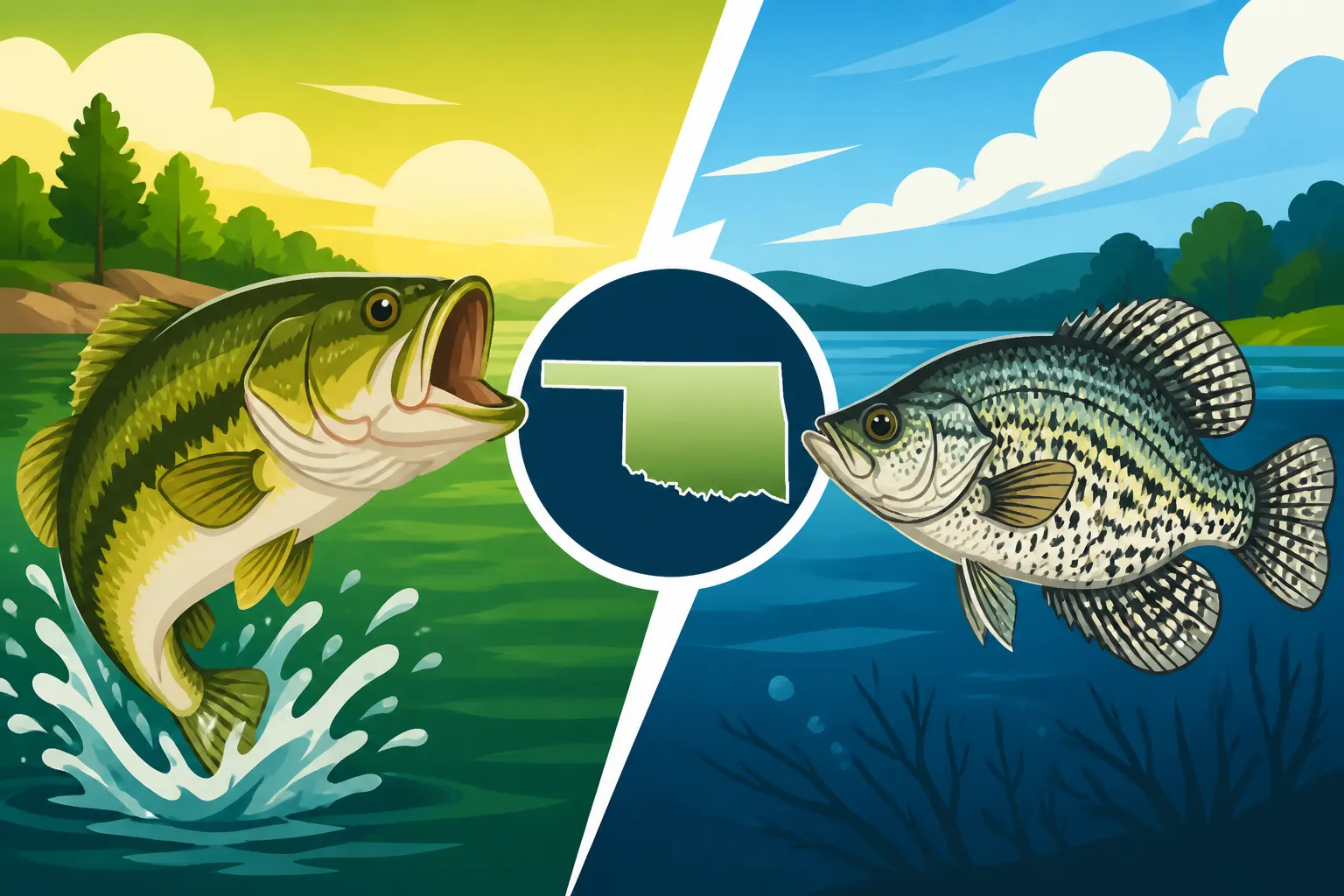
It's a question many Oklahoma anglers ponder as they plan their next trip: do our lakes have more bass or more crappie? The truth is, it's not a simple "yes" or "no" answer, and the reality often shifts dramatically from one body of water to another, and even season to season. This guide will cut through the generalizations to help you understand the intricate factors that determine whether a particular Oklahoma lake is more renowned for its feisty bass population or its prolific crappie schools, empowering you to choose your next fishing destination wisely.
The Nuance of "More": It's Not a Simple Numbers Game
When we ask if there are "more" bass or "more" crappie, it's important to define what we mean. Are we talking about sheer biomass, the number of individual fish, or simply the fish that are easier and more common for anglers to catch? Each of these interpretations can lead to a different answer, and the dynamic between these two beloved species is complex.
Defining "More" from an Angler's Perspective
From an angler's viewpoint, "more" often translates to "easier to catch in numbers" or "more opportunities for a good day." If you can consistently pull in limits of crappie from a brush pile, you might perceive that lake as having "more" crappie, even if biological surveys show a massive, but harder-to-target, bass population. Crappie, particularly white crappie, are known for schooling behavior, which can lead to high catch rates once a school is located. Bass, while they might congregate, tend to be more spread out and territorial, often requiring more finesse and specific techniques to entice a bite. This perception plays a huge role in how we talk about our lakes.
Why Population Dynamics Are So Complex
Fisheries are living, breathing ecosystems, constantly changing due to a myriad of factors. Fish populations aren't static; they fluctuate year by year based on spawning success, water levels, forage availability, fishing pressure, and environmental conditions. A lake that was a crappie powerhouse one decade might shift to being a bass mecca the next, or vice versa. It’s a constant dance between predator and prey, and the health of the entire ecosystem. The Oklahoma Department of Wildlife Conservation (ODWC) regularly conducts surveys to monitor these populations, but even their data presents a snapshot of a dynamic situation.
Biological and Environmental Factors at Play
The inherent biological needs and environmental preferences of bass and crappie are foundational to understanding where each species thrives. A lake's physical characteristics, from its depth and clarity to its structure and forage base, will naturally favor one species more than the other, or provide a balanced habitat for both.
Habitat Preferences and Lake Characteristics
Bass and crappie, while both popular game fish, have distinct preferences for where they like to live, feed, and spawn. Understanding these preferences helps predict which species might dominate a particular water body.
Where Bass Feel at Home
Largemouth bass, especially, are ambush predators that love cover and structure. Think submerged timber, rocky points, weed beds, boat docks, and creek channels. They need places to hide, stage for an attack, and find refuge. Lakes with an abundance of diverse cover—ranging from shallow hydrilla beds to deep rock piles—tend to support robust bass populations. Water clarity also plays a role; while bass can tolerate murky water, slightly stained to clear water often allows them to utilize their sight to hunt effectively. Deep reservoirs with extensive rocky shorelines and submerged trees, like those found across eastern Oklahoma, often create prime bass habitat. Largemouth Bass Fishing in Oklahoma: The Complete Guide offers more insights into their habits.
Ideal Conditions for Crappie
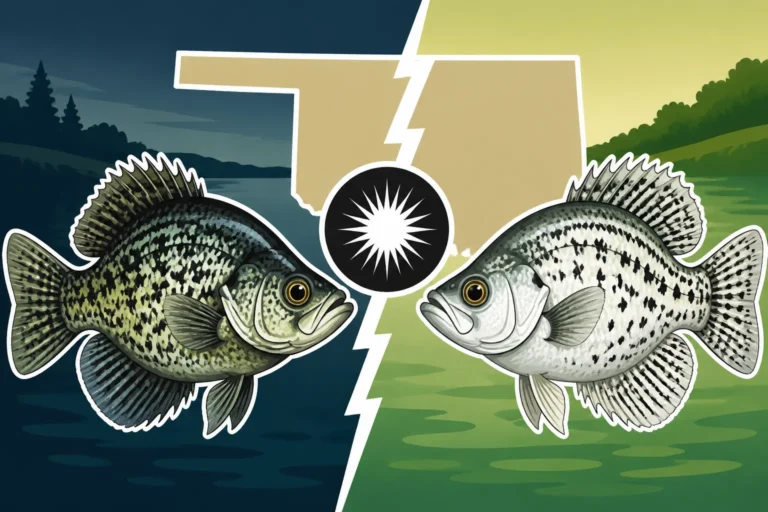
Crappie, both black and white, are also structure-oriented, but often prefer slightly different types and densities of cover than bass. They are notorious for congregating in large schools around standing timber, brush piles (especially those put in by anglers), bridge pilings, and submerged creek channels. White crappie tend to be more tolerant of murky water and often inhabit shallower, more turbid impoundments, while black crappie prefer clearer water and more aquatic vegetation. Lakes with vast amounts of standing timber or those where anglers actively maintain brush piles can be phenomenal crappie fisheries. They also tend to suspend more in open water, chasing schools of baitfish.
Forage Base and Food Availability
The availability of food is a primary driver of any fish population's health and density. Both bass and crappie are predators, but their typical prey sizes differ.
What Fuels Bass Growth
Bass primarily feed on baitfish like shad, sunfish, and smaller shiners. As they grow, they'll also consume crawfish, frogs, and even small rodents or birds that fall into the water. A robust population of threadfin and gizzard shad is critical for supporting a healthy bass fishery, providing the necessary energy for growth and reproduction. Lakes with ample forage can support larger, healthier bass that grow quickly and reproduce more successfully. Best Bait for Largemouth Bass in Oklahoma details their dietary preferences.
Crappie's Menu
Crappie have smaller mouths than bass and primarily feed on smaller baitfish, insect larvae, and zooplankton. Their schooling behavior allows them to efficiently herd and consume smaller shad and minnows. Lakes with large populations of small forage, combined with the right cover, are ideal for crappie. If a lake has an explosion of small shad, it often correlates with a booming crappie population a year or two later.
Spawning Success and Recruitment
The ability of a species to successfully reproduce and for its offspring to survive to adulthood (recruitment) is perhaps the most critical factor in population dominance. This is heavily influenced by environmental conditions during key times of the year.
Bass Spawning Dynamics
Bass typically spawn in the spring when water temperatures reach the mid-60s Fahrenheit. They build nests in shallow, protected areas, and the male guards the eggs and fry. Factors like stable water levels, gradual temperature increases, and minimal predation on the nests are crucial for a successful spawn. Rapid water level fluctuations due to heavy rains or droughts during the spawn can devastate a year class by exposing nests or washing away fry. Spring Bass Spawn Timing in Oklahoma provides more detail on this critical period.
Crappie Reproduction
Crappie also spawn in the spring, often slightly earlier or overlapping with bass, usually when water temperatures are in the low to mid-60s. They, too, build nests, often in communal areas, and are less particular about substrate than bass. Their prolific nature means they can have explosive population growth if conditions are right. However, crappie populations can also be highly cyclical; one or two exceptional spawning years can lead to an abundance, followed by years where numbers might dip. Excessive water fluctuations or cold snaps during the spawn can negatively impact their success, though their sheer numbers often allow them to bounce back quickly.
Fisheries Management and Their Impact
The Oklahoma Department of Wildlife Conservation (ODWC) plays a huge role in shaping the populations of both bass and crappie through active management, stocking programs, and regulations. Their goal is generally to create balanced, sustainable fisheries, but sometimes management strategies can inadvertently favor one species over another.
The Role of ODWC in Balancing Fish Populations
The ODWC employs a team of fisheries biologists who continually monitor fish populations across Oklahoma's lakes and rivers. They use various techniques, including electrofishing, netting, and creel surveys (talking to anglers), to assess the health, growth rates, and abundance of different species.
Data Collection and Assessment
Biologists analyze data on fish size, age, condition, and population density. If they notice a decline in one species or a slow growth rate, they investigate the cause. This might lead to changes in fishing regulations, habitat enhancement projects, or stocking initiatives. For instance, if crappie numbers are low in a particular lake, they might look for reasons like poor spawning habitat or a lack of forage. Their efforts are aimed at ensuring healthy fish stocks for future generations of anglers. Oklahoma's Bag Limit Rules by Species and Fishing Regulations You Need to Know in Oklahoma are direct outcomes of this management.
Habitat Improvement Projects
ODWC often works to improve fish habitat. This includes sinking brush piles, planting aquatic vegetation, and creating artificial structures to give fish more places to hide, feed, and spawn. While many of these projects benefit multiple species, certain types of habitat enhancement might be more attractive to crappie (e.g., dense brush piles) while others favor bass (e.g., isolated timber, riprap). Anglers can also contribute to this effort by creating their own brush piles, always following local regulations.
Stocking Practices for Bass and Crappie
While natural reproduction is the primary source of fish in most Oklahoma lakes, stocking programs are sometimes used to supplement populations or introduce species.
Bass Stocking Efforts
In some lakes, particularly new reservoirs or those recovering from environmental issues, the ODWC might stock fingerling largemouth bass to kickstart or bolster the population. They might also stock specialized strains, like Florida-strain largemouth bass, known for their potential to grow to trophy sizes, hoping to enhance the genetic potential of the fishery. These stockings are not a regular occurrence in every lake but are strategic interventions aimed at specific goals.
Crappie Stocking and Management
Crappie are generally prolific breeders, so large-scale stocking programs for them are less common than for bass. However, ODWC does monitor crappie populations closely, and specific regulations, such as minimum length limits or reduced bag limits (like the stricter limits on certain lakes), are often put in place to protect crappie populations, especially after a period of poor spawning success or heavy fishing pressure. These regulations are critical for allowing smaller fish to grow into a size that can reproduce and contribute to future generations. Crappie Fishing Rules and Limits in Oklahoma delves into these specifics.
Lake by Lake: Spotting the Trends
It's clear that the question of "more bass or more crappie" doesn't have a universal answer for all of Oklahoma. Instead, specific lakes become known for one species over the other, largely due to the unique combination of their environmental characteristics and ongoing fisheries management.
Noted Bass Hotspots
Several Oklahoma lakes consistently produce excellent bass fishing, making them legendary among black bass anglers.
Lake Texoma: A Bass Angler's Dream
While famous for its striped bass, Lake Texoma also boasts an exceptional largemouth and smallmouth bass fishery. Its immense size, diverse habitat including rocky shorelines, deep ledges, and extensive standing timber in its upper reaches, provide ideal conditions. The clear waters on the lower end and more stained areas upriver offer varied opportunities. Anglers often target its vast submerged structure. Lake Texoma Fishing Guide for Oklahoma Anglers provides a deep dive into this giant.
Lake Eufaula: The Gentle Giant's Bass
Oklahoma's largest lake by surface area, Lake Eufaula, is a perennial favorite for bass anglers. Its extensive shallow flats, countless coves, abundant standing timber, and creek channels create a perfect environment for largemouth bass. The sheer amount of fishable water means bass can spread out, find ample forage, and grow to impressive sizes. It’s also a fantastic crappie lake, showing how some reservoirs can sustain both.
Grand Lake O' the Cherokees: Northeast Oklahoma's Bass Factory
Grand Lake, in northeast Oklahoma, is another powerhouse bass lake. Its rocky shorelines, numerous docks, bridge pilings, and vast submerged timber make it a structural paradise for largemouth and spotted bass. Tournament anglers frequent Grand Lake due to its consistent ability to produce quality bass. You can find out more about specific bass spots in Best Bass Fishing Spots on Grand Lake O' the Cherokees, Oklahoma.
Premier Crappie Fisheries
On the other end of the spectrum, some Oklahoma lakes are renowned specifically for their outstanding crappie populations, often drawing anglers looking to fill their coolers.
Fort Gibson Lake: Crappie Central
Fort Gibson Lake is widely regarded as one of Oklahoma's top crappie lakes. Its numerous brush piles, standing timber, and submerged structure create perfect ambush points for schooling crappie. The lake is actively managed for crappie, and anglers often report impressive numbers and sizes. This is one of the lakes with a specific crappie limit of 15 fish, and a 10-inch minimum size limit, highlighting its importance as a crappie fishery. Fort Gibson Lake's 15-Fish Crappie Limit explores these rules.
Tenkiller Ferry Lake: Clear Waters, Abundant Crappie
Lake Tenkiller, known for its clear, deep waters and dramatic bluffs, also holds a fantastic crappie population. While many think of it for bass, its extensive standing timber and deep brush piles are crappie magnets. Like Fort Gibson, it's one of the six lakes with a specific 10-inch minimum length limit on crappie, a testament to its quality crappie fishery. Tenkiller Ferry Lake's Ten-Inch Crappie Limit Explained details the rules here.
Hudson Lake: A Hidden Crappie Gem
Hudson Lake, often overshadowed by larger neighbors, is a consistent producer of good crappie. Its fertile waters and ample cover, especially in its upper reaches, make it a local favorite for anglers seeking papermouths. The lake's management often focuses on maintaining a healthy crappie population. Hudson Lake's Ten-Inch Crappie Limit Explained provides relevant information for anglers.
Lakes Excelling for Both
Some truly special lakes manage to provide outstanding fishing for both bass and crappie. These lakes typically have a highly diverse range of habitats and a robust forage base that can support both species without significant competition.
Lake Eufaula: Truly a Multi-Species Powerhouse
As mentioned, Lake Eufaula is a prime example of a lake that offers excellent opportunities for both bass and crappie. Its sheer size means it has a wide variety of habitats, from shallow, timbered flats to deep, clear channels, allowing both species to find their niche. The extensive shad population fuels growth for both, making it a dream destination for anglers who enjoy targeting multiple species in one trip. This balance is a testament to the lake's ecological health and the ODWC's management. Lake Eufaula: Oklahoma's Gentle Giant for Bass and Crappie is a great resource for this lake.
What This Means for Your Fishing Trip
Understanding the dynamics between bass and crappie populations in Oklahoma is more than just trivia; it directly impacts your fishing strategy and success. Knowing which species is more likely to thrive in a particular lake can help you plan your gear, techniques, and even your expectations.
Leveraging Lake-Specific Knowledge
Before you even launch your boat, a little research can go a long way. Check recent fishing reports, consult local bait shop owners, or look up ODWC fisheries reports for the lake you plan to visit. This intelligence can quickly tell you if the lake is currently fishing better for bass or crappie. For instance, if you're heading to Lake Arbuckle, knowing about its 10-inch crappie rule and reputation as a crappie haven will inform your approach. Lake Arbuckle's Ten-Inch Crappie Rule is a good read.
| Factor | Favors Bass | Favors Crappie |
|---|---|---|
| Primary Habitat | Rocky points, laydowns, weed lines, steep banks | Standing timber, brush piles, bridge pilings |
| Water Clarity | Clear to slightly stained | Stained to clear (white crappie more tolerant) |
| Forage Size | Larger baitfish (shad, sunfish), crawfish | Smaller baitfish (minnows, small shad), insects |
| Spawning Cover | Hard bottom, gravel, roots in shallow areas | Brush, stumps, soft bottom in protected coves |
| Social Behavior | More solitary/territorial, smaller groups | Highly schooling, congregates in large numbers |
| Typical Lure Size | Larger crankbaits, jigs, soft plastics | Smaller jigs, minnows, tiny crankbaits |
Adapting Your Gear and Techniques
If you arrive at a lake known for its abundant crappie, you'll want to have your crappie-specific gear ready. This means ultralight or light action rods, small spinning reels, light line, and an assortment of jigs, minnows, and bobbers. You might also want a good fish finder to locate those brush piles and schools. For bass, you'd be looking at medium to medium-heavy rods, baitcasting or larger spinning reels, a variety of lures from crankbaits to soft plastics, and perhaps a trolling motor for precise boat positioning. Many anglers will bring gear for both species, just in case! You can often find a wide array of specialized crappie jigs and bass lures on Amazon, making it easy to stock up for any scenario.
Targeting Bass Effectively
When bass are the target, focus on structure. Cast crankbaits along rocky points, flip jigs into submerged timber, or twitch topwater lures around weed lines early in the morning. Pay attention to changes in depth and cover, as bass often relate closely to these features. Understanding How to Fish a Texas Rig for Bass or How to Fish a Carolina Rig for Bass can greatly improve your chances.
Finding and Catching Crappie in Numbers
Crappie fishing often involves locating schools. Use your electronics to find brush piles, standing timber, or suspended schools in open water. Once you find them, vertical jigging with small jigs or tight-lining minnows can be incredibly effective. Sometimes, simply finding one crappie means many more are nearby. Techniques like How to Jig for Crappie in Spring are vital skills to master. Remember to check local regulations like Stricter Crappie Limits at Six Oklahoma Lakes as they can vary greatly.
Ultimately, whether an Oklahoma lake has "more" bass or "more" crappie isn't about a simple head count. It's about the interplay of environment, management, and angler effort. By understanding these factors, you can better predict what awaits you and tailor your fishing adventure for maximum enjoyment and success, no matter which species decides to bite.
Disclaimer
This article is for general informational purposes only and does not constitute professional advice. Laws, prices and regulations vary by location and change over time. Consult a qualified professional for guidance on your specific situation.