Best Fish Species for Winter Fishing in Open Water
The thought of fishing in Oklahoma during the dead of winter often conjures images of numb fingers, frozen lines, and a whole lot of nothing. It's a common frustration to bundle up, head out, and come back empty-handed, convinced that all the fish have simply gone dormant. But I'm here to tell you that winter can be one of the most rewarding times to be on the water, especially in Oklahoma's open waters, if you know which species to target and how. This guide will dive deep into the best fish species that remain active and catchable, offering real strategies to make your cold-weather outings a success.
Dispelling Winter Fishing Myths and Embracing the Chill
Let's be honest, the allure of a warm, sunny spring day on the lake is hard to beat. The fish are active, the bites are aggressive, and the layers of clothing are minimal. But to dismiss winter fishing entirely would be to miss out on some truly unique opportunities and experiences. It’s not always easy, let's be real, but when it clicks, it’s magical.
Why Winter Fishing Can Be So Rewarding and Challenging
Winter fishing definitely comes with its own set of challenges. The cold weather means battling icy winds, keeping your hands warm enough to tie a knot, and often dealing with lighter, more subtle bites that require a keen eye and sensitive gear. It's not a time for casual casting and hoping; it demands patience, persistence, and a thoughtful approach.
However, the rewards are often worth every shiver. For starters, boat ramps are usually less crowded, and you can often have entire sections of a lake to yourself, enjoying a tranquility that's rare during peak seasons. Fish, while sometimes less active, often school up in predictable areas to conserve energy and find stable temperatures. This means that when you do find them, you can often catch multiple fish from a single spot. The satisfaction of landing a quality fish in frigid conditions, knowing you've outsmarted the elements and the fish's lethargy, is a feeling unlike any other. It builds character, sharpens your skills, and can lead to some truly memorable catches.
Understanding Open Water in Oklahoma's Winter Landscape
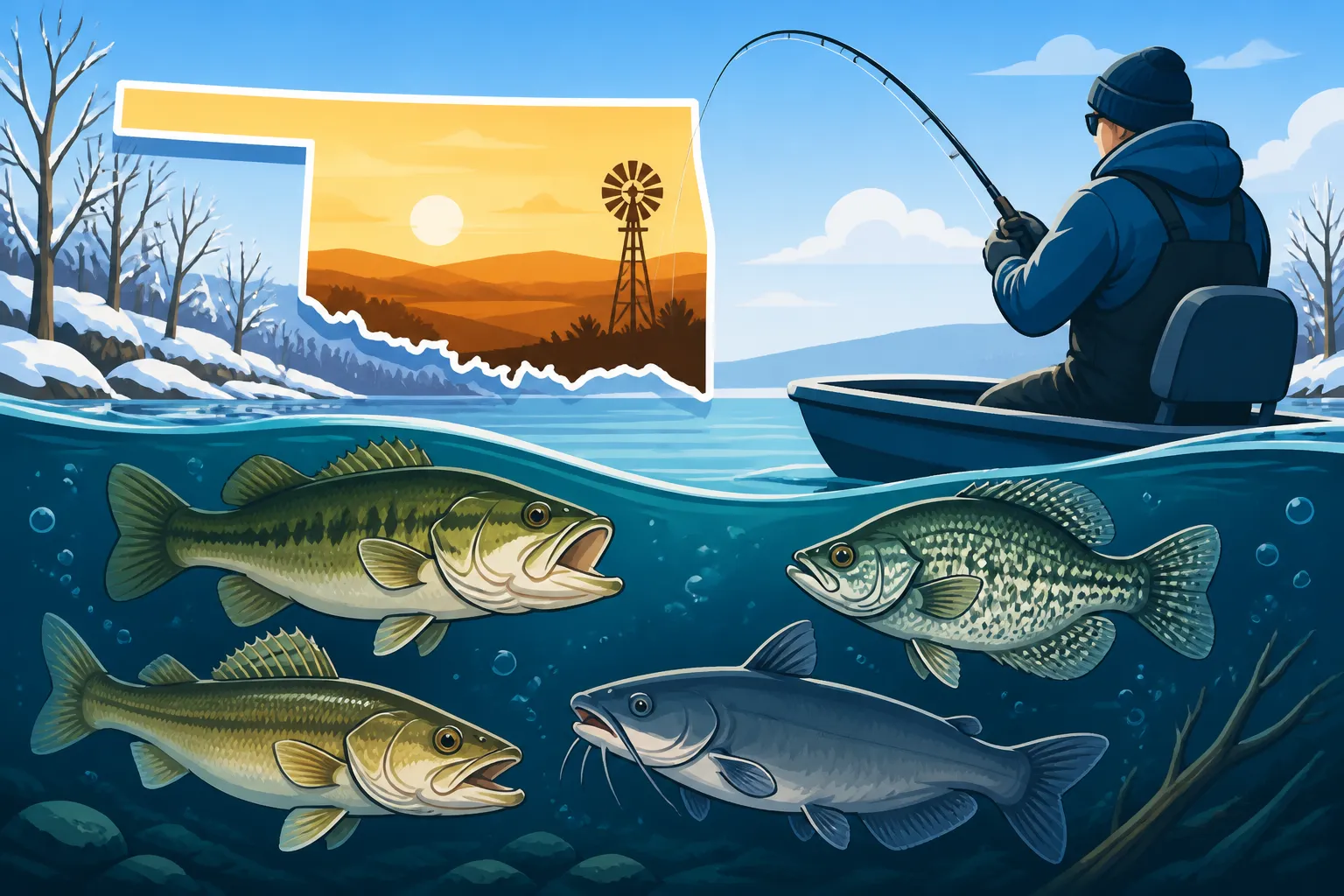
When we talk about "open water" winter fishing in Oklahoma, we're generally not talking about ice fishing. Our winters, while cold, typically don't sustain the kind of thick, safe ice cover needed for regular ice fishing across most of the state. Instead, we're focusing on our vast network of large reservoirs and major river systems that remain unfrozen, or at least largely so, throughout the colder months.
These open waters present a different challenge than summer fishing. Fish tend to migrate from shallow coves to deeper, more stable environments. They'll often congregate around significant underwater structure like old creek channels, deep points, humps, and brush piles where temperatures are more consistent. Understanding the contours of the lake bottom, often with the help of modern electronics, becomes absolutely crucial. The key is to find these concentrated pockets of fish, as they won't be as widely dispersed as they are in warmer water.
Top Species to Target for Open Water Winter Success
Don't let the cold deter you from some fantastic angling opportunities. Certain fish species in Oklahoma truly shine during the winter months, offering consistent action if you know where and how to pursue them.
Crappie: The Winter Panfish Powerhouse
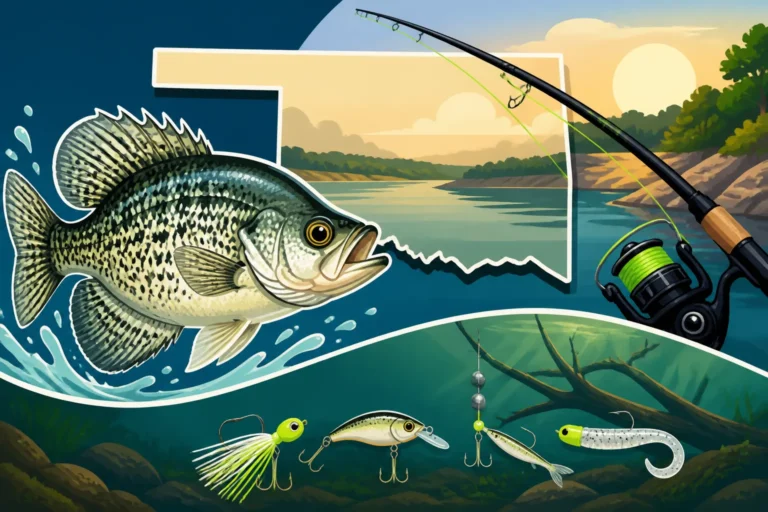
Ah, crappie! These speckled beauties are a favorite across Oklahoma, and for good reason. What many anglers don't realize is just how phenomenal crappie fishing can be in the winter. As water temperatures drop, both black and white crappie tend to school up in large numbers. They'll often seek refuge in deeper water, frequently suspending over or within dense cover such as brush piles, standing timber, or the ledges of old creek channels. This schooling behavior means that once you locate a productive spot, you could be in for some incredible action.
The key to winter crappie is a slow, methodical approach. Vertical jigging directly over these submerged structures is incredibly effective. Tiny jigs, usually 1/16th or 1/32nd ounce, tipped with a small plastic grub or a live minnow, are deadly. You'll want to use light line and a sensitive rod to detect those incredibly subtle winter bites, which can sometimes feel like nothing more than a slight "tick" or added weight on your line. Lakes like Grand Lake O' the Cherokees are famous for their crappie populations, and exploring the deeper creek channels and brush piles there can yield impressive results. Similarly, Where to Catch Crappie on Grand Lake O' the Cherokees is a good resource for finding these honey holes. Remember, understanding the differences between Black Crappie vs White Crappie: Key Differences for Oklahoma Anglers can help you tailor your approach, though both are often found in similar winter habitats.
Blue Catfish: Winter's Big Game Hunter
If you're looking for a genuine fight in cold water, look no further than the blue catfish. These powerful predators remain incredibly active throughout the winter, often feeding heavily as they prepare for the spring spawn. Unlike many other species that become lethargic, blue cats seem to embrace the chill, especially the larger trophy-sized fish.
You'll typically find winter blue catfish congregated in deep holes within river channels, along scour holes created by current, or nestled into current breaks on large reservoirs. They are opportunistic feeders and, in cold water, respond exceptionally well to fresh cut bait. Shad, perch, or even chunks of carp are prime choices. Fishing for blue cats requires stout tackle – heavy rods, large reels spooled with strong line, and robust hooks are essential. You'll often be bottom fishing, letting your bait sit in prime locations. Lake Texoma, for instance, is legendary for its massive blue catfish, and many anglers specifically target them in the winter when the biggest fish are often most accessible. It's common to hear tales of truly giant blue cats coming out of these waters during the colder months, pushing the limits of How Big Do Blue Catfish Get in Oklahoma. Make sure you're equipped with Best Gear for Catfish Fishing in Oklahoma to handle these behemoths.
Striped Bass: The Relentless Cold-Water Fighters
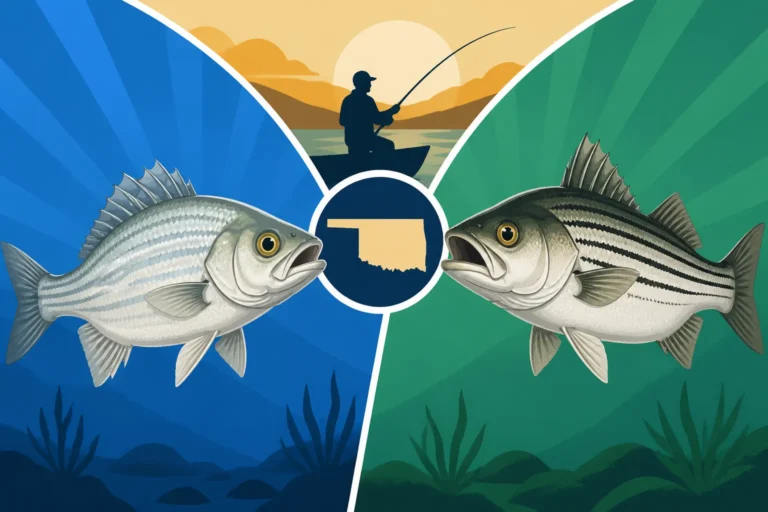
Striped bass, often called "stripers," are another species that truly thrives when the water turns cold. These powerful, schooling fish are non-native to Oklahoma but have found a perfect home in our large reservoirs, particularly Lake Texoma. Unlike many freshwater species, stripers tolerate and even prefer colder water, often remaining highly active and chasing baitfish throughout the winter.
Winter stripers can be found in massive schools in open water, often suspending over deep humps, points, or along the main lake channel. They follow schools of shad relentlessly, and when you find the bait, you'll often find the stripers. Trolling deep-diving crankbaits or presenting live shad on downriggers are very effective techniques. When they push shad to the surface, causing a "boil," casting large swimbaits or heavy spoons into the feeding frenzy can result in explosive strikes. Lake Texoma's Striped Bass Fishery in Oklahoma is world-renowned, and winter is a prime time to target these hard-fighting fish. Modern fish finders with side imaging capabilities are invaluable for locating these nomadic schools of stripers and their baitfish. Check out how Fish Finder Features That Matter Most on Oklahoma Reservoirs can give you a significant edge in finding these fish. For detailed strategies on covering water, don't forget to look into Trolling Gear for Striped Bass at Oklahoma's Lake Texoma.
Gear, Tactics, and Safety for Oklahoma Winter Fishing
Fishing in colder weather demands a bit more preparation and attention to detail than your typical fair-weather outing. Being comfortable and safe on the water is paramount, and adapting your techniques to the fish's slower metabolism will greatly increase your success.
Essential Gear for Cold Weather Comfort and Success
Your personal comfort is the first line of defense against the winter chill. Layering is key: start with a moisture-wicking base layer, add insulating middle layers like fleece or down, and top it all off with a waterproof and windproof outer shell. A good quality pair of insulated, waterproof boots and thick wool socks are non-negotiable. Don't forget a warm hat that covers your ears and a pair of insulated gloves or mittens. A thermos filled with hot coffee, tea, or cocoa can be a real game-changer on a cold day.
Beyond personal warmth, your fishing gear needs some consideration. For crappie, light action rods with fast tips are crucial for detecting subtle bites. For catfish and stripers, you'll want more robust rods and reels that can handle heavier fish and potentially stronger currents. Having reliable electronics, like a GPS-enabled fish finder, is incredibly helpful for navigating and marking fish-holding structure in deep winter waters. If you're out on a boat, a portable propane heater can make a world of difference in keeping you comfortable. Many anglers find great deals on specialized cold-weather fishing gear, from thermal underwear to marine-grade electronics, on platforms like Amazon. It’s always a good idea to invest in quality gear that can withstand the elements and keep you out longer.
Adapting Your Techniques for Cold-Water Fish
Fish metabolism slows down significantly in cold water, meaning they're less likely to chase a fast-moving bait. This dictates a fundamental shift in your angling approach: slow everything down.
- Vertical Presentations: For crappie and even some blue catfish, presenting your bait directly to the fish is often most effective. This means positioning your boat directly over the structure where fish are holding and dropping your lure or bait straight down.
- Slow Retrieves: If you're casting, use incredibly slow retrieves. Think "barely moving" rather than a quick crank. Let jigs and lures sink and suspend, giving lethargic fish ample time to inspect and commit.
- Focus on Structure and Depth: In winter, fish often stack up tightly on specific pieces of structure or in particular depth ranges where temperatures are most stable. Learn to read your electronics to identify these spots. Old river bends, rock piles, ledges, and deep brush piles are prime targets.
- Scent is Your Friend: Adding fish attractant or using scented baits can often entice a hesitant fish in cold water. Their sense of smell can sometimes be more active than their desire to chase.
- Bait Selection: Live bait, such as minnows for crappie or shad for stripers and catfish, is often superior in cold water due to its natural movement and scent. For artificials, smaller profiles and more subtle actions tend to outperform aggressive, flashy lures. You can easily stock up on these specialized baits and lures, often available through retailers like Amazon, which can be delivered right to your door.
Prioritizing Safety in Winter Conditions
Winter fishing comes with inherent risks, and prioritizing safety is not just good practice, it's essential. The consequences of an accident in cold water can be far more severe than in warmer months.
- Tell Someone Your Plans: Always let a friend or family member know where you're going, what time you expect to return, and if possible, who you're with.
- Check the Weather: Oklahoma weather can be notoriously unpredictable. Always check the forecast before you go and be prepared for sudden drops in temperature, wind shifts, or even unexpected precipitation.
- Wear a Life Jacket: Even if you're an experienced boater and swimmer, an accidental fall into cold water can quickly lead to hypothermia and incapacitation. Wearing a Coast Guard-approved life jacket is crucial. It's not just for kids; as this site often reiterates, Do Adults Need to Wear a Life Jacket on an Oklahoma Boat? – the answer is always yes when safety is concerned.
- Hypothermia Awareness: Know the signs of hypothermia (shivering, confusion, slurred speech) and how to respond. Keep extra dry clothes and a blanket in a waterproof bag.
- Emergency Supplies: Carry a fully charged cell phone (in a waterproof case), a marine radio if you're on a larger body of water, and a well-stocked first-aid kit. A reliable portable jump starter for your boat battery can also save a cold, miserable afternoon. You can find quality marine radios and first aid kits designed for outdoor use on Amazon.
Where to Find These Winter Wonders in Oklahoma
Oklahoma is blessed with an abundance of fantastic fishing opportunities, and many of our most popular lakes and rivers remain productive throughout the winter. Knowing the general characteristics of these waters can help you pinpoint your winter hot spots.
Deep Reservoirs: Winter Havens for Multiple Species
Oklahoma's large reservoirs, with their vast expanses and deep channels, become critical wintering grounds for many species. These deep areas offer stable water temperatures that fish seek out.
- Grand Lake O' the Cherokees: A fantastic choice for winter crappie and blue catfish. Its extensive creek channels, deep timber, and brush piles hold significant numbers of crappie. Anglers targeting big blue cats can find success in the deeper main lake areas and river sections. For general information, Grand Lake O' the Cherokees Bass Fishing Guide also has relevant deep water structure insights.
- Lake Eufaula: Known as Oklahoma's gentle giant, Lake Eufaula is another excellent winter destination. Its massive size means plenty of deep water, submerged timber, and creek beds where crappie and channel catfish will congregate. Look for areas with a strong current flow, as this can draw in catfish. Lake Eufaula: Oklahoma's Gentle Giant for Bass and Crappie has more details on its diverse fishery.
- Lake Texoma: This lake is an absolute superstar for winter striped bass and blue catfish. The sheer size and depth of Texoma, particularly its main river channels, make it a prime location for these cold-water giants. Targeting the vast schools of shad with live bait or trolling can lead to incredible striper action. For those after a trophy, the deep holes of Texoma are renowned for producing enormous blue cats. For targeting those powerful fish, check out Best Striped Bass Fishing Spots on Lake Texoma, Oklahoma.
- Keystone Lake: Near Tulsa, Keystone offers great opportunities for winter crappie and white bass. Its varied bottom structure, including submerged timber and ledges, provides ideal ambush points for crappie, while white bass often school up in deeper main lake areas.
River Systems: Consistent Flows for Catfish
While reservoirs get a lot of attention, Oklahoma's major river systems also offer consistent winter fishing, especially for catfish. The constant flow of a river helps prevent widespread freezing and concentrates fish in specific areas.
- Arkansas River and Red River: These large river systems and their major tributaries are prime locations for winter catfish, particularly blue and channel cats. Look for deep holes, scour holes on the outside bends of channels, and areas downstream from dams where current creates natural holding spots. Catfish will often stack up in these areas, seeking refuge from the strong current while waiting for food to drift by.
- Current Breaks: In rivers, identifying current breaks – areas where the flow is significantly reduced – is crucial. These could be behind large rocks, submerged logs, or in eddies. Fish use these areas to conserve energy and ambush prey. Presenting cut bait directly into these slower-moving zones can be highly effective.
Remember, winter fishing in Oklahoma's open waters might mean a little more preparation and a slower pace, but it promises peace, solitude, and the potential for some of the biggest and most memorable catches of the year. Don't let the cold keep you indoors! Get out there and experience the unique thrill of a winter bite. For more year-round insights into angling, exploring a guide like Oklahoma Fishing Seasons: A Month-by-Month Guide can always help you plan your next adventure.
Winter Open Water Species & Tactics Overview
Here's a quick look at the top species to target and general strategies for open water winter fishing in Oklahoma:
| Species | Preferred Winter Habitat | Best Baits/Lures | Key Winter Technique |
|---|---|---|---|
| Crappie | Deep brush piles, standing timber, creek channels | Small jigs (1/16-1/32 oz), live minnows | Vertical jigging, slow retrieve, slip bobbers |
| Blue Catfish | Deep river channels, scour holes, current breaks | Fresh cut bait (shad, perch, carp) | Bottom fishing, tightlining |
| Striped Bass | Open water schools, deep humps, main lake channels | Live shad, large swimbaits, heavy spoons, deep-diving crankbaits | Trolling, vertical jigging, casting to boils |
Disclaimer
This article is for general informational purposes only and does not constitute professional advice. Laws, prices and regulations vary by location and change over time. Consult a qualified professional for guidance on your specific situation.