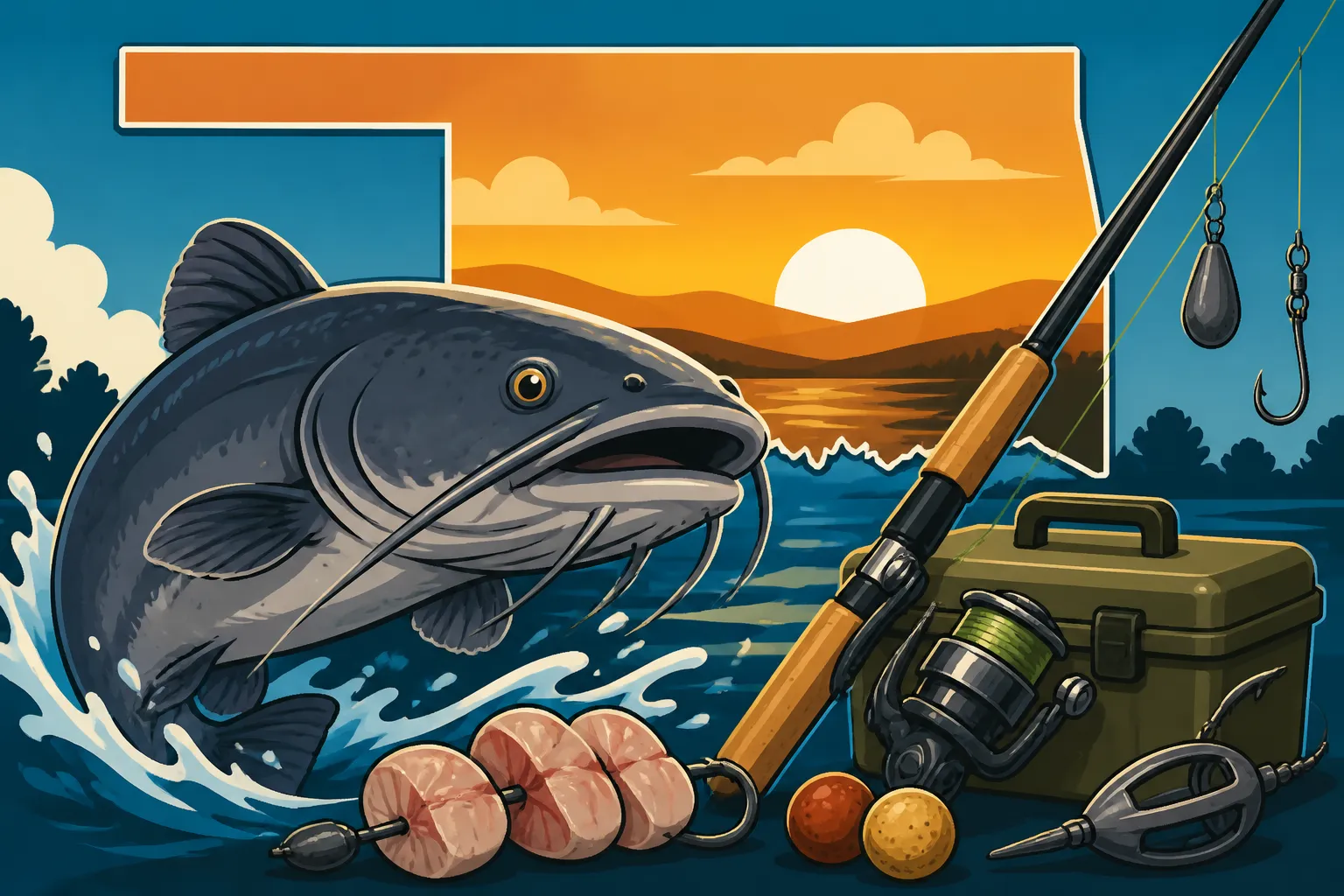
Best Gear for Catfish Fishing in Oklahoma
There's nothing quite like the thrill of a rod bending violently, signaling that a big, powerful catfish has taken your bait. But for many anglers, especially those just starting out or looking to upgrade their setup, wading through the sheer volume of fishing gear available can feel more intimidating than reeling in a monster blue cat. You want to be prepared, but you also don't want to break the bank on unnecessary gadgets. This guide is here to cut through the confusion and help you select the best gear for catfish fishing right here in Oklahoma, ensuring you're ready for those unforgettable tugs.
The Foundation: Rods and Reels for Oklahoma Catfish
When it comes to catfish, you're not typically dealing with light bites or delicate presentations. These are strong, often heavy-bodied fish that live in diverse environments, from swift river currents to deep lake channels. Your rod and reel are your primary tools, and choosing the right combination is crucial for success and enjoyment.
Rod Power and Action for Different Catfish Species
Oklahoma is home to impressive channel, blue, and flathead catfish, each requiring a slightly different approach with your rod.
- Channel Catfish Rods: For most channel cat fishing, a medium-heavy power rod with a moderate-fast to fast action is generally ideal. Channel cats, while strong, don't usually require the heaviest gear, and a rod in this range will give you enough backbone to handle fish in the 5-15 pound range, which are common across lakes like Lake Eufaula and the smaller rivers. The sensitive tip will help you detect those sometimes subtle bites, while the moderate action helps absorb sudden runs and prevents hooks from tearing out. If you're targeting smaller channel cats in ponds or creeks, a medium power rod might even be appropriate. You want something that allows you to feel the fight, but still has enough muscle to steer the fish away from snags.
- Blue Catfish Rods: When you start chasing bigger blue cats, especially those exceeding 20 pounds in reservoirs like Lake Texoma or Grand Lake, you'll need to step up your game. A heavy power rod with a fast action is essential. This kind of rod has a stiffer backbone to handle the immense pulling power of a large blue cat, which can easily reach 50 pounds or more in Oklahoma's trophy waters. The fast action still provides some sensitivity, but its main purpose is to give you maximum leverage during a long, hard fight. Think about a 7 to 8-foot rod; the extra length helps with casting heavier baits and managing powerful fish in open water.
- Flathead Catfish Rods: Flatheads are arguably the toughest fighting catfish in Oklahoma, often preferring live bait and structure. For these powerful beasts, an extra-heavy power rod is your best friend. Flatheads are notorious for trying to dive into submerged timber or rock piles the moment they're hooked, so you need a rod with serious stopping power. A slower, parabolic action on an extra-heavy rod can actually be beneficial here, distributing the stress evenly along the blank and allowing you to put immense pressure on the fish without fear of snapping your rod. Rods from 7 to 9 feet are common for flathead anglers, giving them the reach and strength needed to pull these tenacious fish out of their lair.
Reel Types for Catfishing in Oklahoma
Just like rods, catfish reels come in various forms, each suited for different techniques and fish sizes.
- Spinning Reels: For lighter catfish applications, especially channel cats from the bank or smaller boats, spinning reels are incredibly user-friendly. They're great for casting lighter baits or smaller chunks of cut bait. Look for a durable spinning reel in the 4000 to 6000 series size, which offers a good balance of line capacity and drag power. While not typically recommended for trophy blue or flathead cats due to their limited cranking power and drag systems compared to baitcasters, a good quality spinning reel can certainly land a respectable channel cat in Oklahoma. They're also an excellent choice for beginners, as they are less prone to backlashes.
- Baitcasting Reels (Conventional Reels): This is where serious catfishing begins for many anglers. Baitcasting reels, particularly heavy-duty conventional reels, are built for power and precision. They offer superior cranking power, larger line capacities, and smoother, stronger drag systems, making them the top choice for blue and flathead catfish. When choosing a baitcaster, look for models with a sturdy metal frame, a reliable star drag or lever drag system, and a good gear ratio (around 4.1:1 to 5.3:1) for winching in big fish. Brands like Penn, Abu Garcia, and Daiwa offer excellent options that can withstand the abuse of trophy catfishing.
- Surf Reels: If you're doing a lot of bank fishing on large reservoirs like Lake Texoma or Lake Eufaula, where long casts are essential to reach deeper channels or humps, a large surfcasting reel paired with a long surf rod can be incredibly effective. These reels are designed for maximum casting distance and can handle very heavy lines and baits. They often feature robust construction to endure saltwater environments, which translates well to the harsh conditions of big freshwater lakes. While perhaps overkill for smaller rivers, they're a legitimate option for dedicated bank anglers targeting distant catfish.
The Connection: Line, Leader, and Essential Rigs
No matter how good your rod and reel are, they're useless without a reliable connection to the fish. Your line and terminal tackle are critical components that often bear the brunt of the fight.
Choosing the Right Fishing Line
The type and strength of your fishing line will depend on the size of catfish you're targeting and the water conditions you're fishing in.
- Monofilament Line: Monofilament is a classic choice for catfish due to its stretch, abrasion resistance, and affordability. The stretch can act as a shock absorber, which is great for hard-hitting catfish, reducing the chance of hooks pulling free. It's also fairly abrasion-resistant, a big plus when fishing around submerged timber or rocky bottom structures where catfish often lurk. For channel cats, a 15-25 pound test monofilament is usually sufficient. For blue and flathead cats, you might step up to 30-50 pound test, or even heavier if you're targeting absolute monsters. The drawback is its larger diameter for a given strength compared to braid, meaning less line on your reel and more water resistance in current.
- Braided Line: Braided line has become incredibly popular for serious catfishing, and for good reason. It offers superior strength-to-diameter ratio, meaning you can fit much heavier line on your reel compared to mono. Its near-zero stretch provides incredible sensitivity, allowing you to feel even the lightest taps, and delivers powerful hooksets. When a big blue cat hits, you'll feel every head shake. For blue and flathead cats, 50-80 pound test braid is common, giving you immense pulling power and abrasion resistance. Its thin diameter also makes it less affected by strong currents. The main downside is its lack of stretch, which means your rod's flexibility becomes even more important to absorb those powerful runs. It can also be more expensive than mono and requires sharp scissors to cut.
- Fluorocarbon Leader: While some anglers use braided line directly to their hook, many prefer to tie on a fluorocarbon leader. Fluorocarbon is virtually invisible underwater, which can be an advantage in clearer water conditions, though catfish are not generally known for their keen eyesight. Its primary benefit as a leader, however, is its excellent abrasion resistance. When fishing around jagged rocks or woody cover, a tough fluorocarbon leader (e.g., 50-80 pound test for big cats) can prevent break-offs that might occur with straight braid. It also helps prevent fish from seeing your mainline, adding a subtle touch that might make a difference on wary fish. How Many Fish Species Can You Catch on a Single Trip? often hinges on being prepared for different conditions.
Essential Catfish Rigs
Catfishing can be surprisingly simple when it comes to rigs, but mastering a few key ones will cover most situations you'll encounter in Oklahoma.
- Carolina Rig (Santee Cooper Rig): This is a staple for many catfish anglers. It consists of a swivel tied to your mainline, followed by a leader (often fluorocarbon) of about 18-36 inches, and then your hook. Above the swivel, you'll slide a weight (often an egg sinker or a no-roll sinker) and then a bead to protect your knot from the weight. This rig allows your bait to move naturally in the current or with slight nudges from the fish, offering a more enticing presentation. It's incredibly versatile and effective for both drifting and stationary fishing for all three major catfish species. The length of your leader can be adjusted based on current and how far off the bottom you want your bait.
- Slip Sinker Rig (Fish Finder Rig): Similar to a Carolina rig, but often with a shorter leader, the slip sinker rig features a weight that can slide freely on your mainline, above a swivel that connects to your leader and hook. The advantage here is that when a catfish takes the bait, it feels very little resistance from the weight, which can lead to more confident bites and better hooksets. This rig is particularly effective when targeting wary catfish that might drop a bait if they feel too much resistance. It's a fantastic rig for bottom fishing in lakes or slow-moving rivers, allowing the fish to run with the bait before feeling the full weight of the sinker. How to Rig a Slip Sinker for Catfish details this setup.
- Three-Way Swivel Rig: This rig is excellent for presenting multiple baits or for fishing in heavy current. It uses a three-way swivel: one eye is tied to your mainline, another to a short leader (6-12 inches) with a weight, and the third to a longer leader (1-3 feet) with your hook and bait. This keeps your bait suspended off the bottom, out of snags, and allows it to drift enticingly in the current. It's a great choice for targeting blue cats in deeper channels or flatheads near submerged structure. You can adjust the weight and leader lengths to fine-tune your presentation to the specific conditions.
- Bobber Rigs: While not always associated with big catfish, bobber rigs are incredibly effective for channel cats and sometimes smaller blues, especially when fishing from the bank or in shallower areas. A simple slip bobber rig, where the bobber slides freely on your line up to a stopper knot, allows you to suspend your bait at a precise depth. This is fantastic for targeting fish that might be suspended off the bottom or for keeping your bait above snaggy cover. They're also a blast for kids to use, watching that bobber disappear is pure excitement!
| Catfish Species | Recommended Rod Power | Recommended Reel Type | Typical Line Strength (Mono/Braid) | Common Rigs |
|---|---|---|---|---|
| Channel Catfish | Medium-Heavy | Spinning/Baitcaster | 15-25 lb Mono / 30-50 lb Braid | Carolina, Slip Sinker, Bobber |
| Blue Catfish | Heavy | Baitcaster (Conventional) | 30-50 lb Mono / 50-80 lb Braid | Carolina, Slip Sinker, Three-Way |
| Flathead Catfish | Extra-Heavy | Baitcaster (Conventional) | 40-60 lb Mono / 65-100 lb Braid | Slip Sinker, Three-Way, Live Bait |
The Temptation: Baits and Attractants
What you put on your hook is just as important as the gear holding it. Catfish are opportunistic eaters, but different species often have preferences, and what works one day might not the next. Finding the Best Bait for Catfish in Oklahoma Lakes and Rivers can be a journey of discovery.
Top Catfish Baits for Oklahoma Waters
From stinky concoctions to lively swimmers, a variety of baits will bring success.
- Prepared Baits (Stink Baits): These are fantastic for channel catfish and often attract smaller blue cats. Prepared baits, also known as stink baits or dip baits, come in various forms, from dough balls to potent pastes. They release a strong scent into the water, drawing in catfish from a distance. Brands like Sonny's Super Sticky or CJ's Catfish Bait are popular choices. You'll typically use a special bait holder hook or a sponge hook to keep these baits on. While very effective for numbers of channel cats, they're generally not the go-to for trophy blues or flatheads.
- Cut Bait: This is a universal winner for all three major catfish species in Oklahoma. Fresh cut bait, typically made from shad, carp, sunfish, or even commercially available options like gizzard shad from a place like Bass Pro Shops, is incredibly effective. The oils and blood released into the water are irresistible to catfish. For channel cats, smaller chunks work great. For blue and flathead cats, especially larger ones, bigger fillets or even whole smaller baitfish are often preferred. Many anglers swear by fresh shad from the same body of water they're fishing. The trick is to keep it fresh and to use enough to create a strong scent trail without being so large the fish can't get it in their mouth.
- Live Bait: Live bait is absolutely deadly for flathead catfish, as they are primarily piscivorous (fish-eaters). Small sunfish, perch, or even small carp are excellent choices. Hooked properly through the back or lips, a lively baitfish struggling in the water is a beacon for hungry flatheads hiding in submerged cover. You'll need a way to keep your baitfish alive, like a livewell on your boat or a portable aerated bait bucket. While flatheads are the main target, large blue cats will also readily take live bait, especially shad. Having a variety of live bait sizes can make a significant difference in connecting with bigger fish.
- Worms and Insects: While less common for trophy catfish, a simple nightcrawler or a handful of catalpa worms (if you can find them!) can be incredibly effective for channel catfish, especially smaller ones. These are readily available at bait shops or through services like Amazon for specialized worms. They're easy to use and a great choice for family fishing trips where the goal is consistent action. Just remember that larger catfish might inhale a smaller worm without fully getting hooked.
- Punch Bait: This is another popular option for channel catfish. Punch baits are thick, cheese-based concoctions that you "punch" a treble hook into. They are extremely stinky and messy, but very effective. The consistency helps them stay on the hook even with aggressive casts or in current. They create a powerful scent plume that draws in channel cats, and they often lead to impressive catch rates on lakes and ponds throughout Oklahoma.
Scents and Attractants
Beyond the bait itself, some anglers swear by additional scents and attractants to boost their chances.
- Scent Sprays and Dips: These come in bottles and can be sprayed directly onto your cut bait, artificial lures, or even your prepared baits to enhance their natural odor or add a new, potent smell. Some common flavors include shad, garlic, or a combination of various fish attractants. The idea is to create an even stronger scent trail in the water, particularly in stained or muddy conditions where fish rely heavily on their sense of smell.
- Gels and Pastes: Similar to sprays, but with a thicker consistency, scent gels and pastes cling to your bait longer. This is especially useful in heavy current where liquid scents might wash away too quickly. They can also be applied to soft plastic lures or even the skirts of spinnerbaits if you're experimenting with different tactics for active catfish. While not a magic bullet, many seasoned anglers feel they give them a slight edge, especially on tough days.
Beyond the Rod: Essential Catfishing Accessories
While your rod, reel, line, and bait are the stars of the show, a host of supporting gear can make your catfishing experience much more productive, comfortable, and safe.
Terminal Tackle Essentials
These small but mighty items are what connect your line to the fish.
- Hooks: For catfish, circle hooks are almost universally recommended, especially for catch-and-release and ensuring a solid hookup. When a fish takes bait on a circle hook, you simply let the rod load up, and the hook will typically set itself in the corner of the fish's mouth, minimizing gut hooks. Sizes vary greatly by target species: #2 to 4/0 for channel cats, 5/0 to 10/0 for blue cats, and 8/0 to 12/0 for flatheads. Treble hooks are also used, particularly with punch baits or some prepared baits, but require more immediate hooksets. Always carry a variety of sizes to match your bait and target.
- Weights/Sinkers: You'll need a selection of weights to get your bait down to where the fish are. Egg sinkers and no-roll sinkers are popular choices, ranging from ½ ounce to 8 ounces or more, depending on current and depth. Pyramid sinkers are great for holding bottom in strong current. For fishing snaggy areas, break-away sinkers can be a lifesaver, allowing you to retrieve your main line even if the weight gets hung up. Swivels, both barrel and three-way, are essential for preventing line twist and creating various rigs.
- Leader Material: Even if you're using monofilament mainline, having a spool of heavier mono or fluorocarbon for leaders is smart. It adds an extra layer of abrasion resistance and provides a sacrificial link if you get snagged. Keeping a range of strengths from 30lb to 80lb test will cover most situations. Comparing License Prices for Residents and Nonresidents might seem unrelated, but saving money on licenses means more for tackle!
Tools and Safety Gear
These items ensure a smooth trip and keep you out of trouble.
- Pliers/Hook Remover: Catfish have incredibly tough mouths and often swallow hooks deeply. A good pair of long-nosed pliers or a dedicated hook remover is indispensable for safely extracting hooks, especially from toothy flatheads or deep-hooked blues. Keeping your fingers away from sharp fins and hooks is paramount. You can find durable options at Bass Pro Shops or online.
- Gloves: Catfish, particularly flatheads and channel cats, have sharp pectoral and dorsal fins that can inflict painful wounds. A sturdy pair of fish handling gloves, especially those with good grip, can protect your hands when landing and unhooking fish. This is particularly important if you plan on holding fish for photos.
- Net/Gaff: For larger catfish, a landing net with a wide hoop and deep, rubberized mesh is essential. Rubberized mesh protects the fish's slime coat, which is important if you plan to release it, and also prevents hooks from tangling. For truly enormous trophy catfish that you intend to keep, a stout gaff might be considered, but use with extreme caution and only if you are confident in your ability and the fish's fate. A good scale is also key for those bragging rights! Trophy Catfish Spots in Oklahoma definitely call for a reliable net.
- Headlamp/Lantern: If you're night fishing for catfish, which is often the most productive time, a reliable headlamp or lantern is non-negotiable. You'll need it for tying knots, rebaiting hooks, and safely navigating your fishing spot. Always carry extra batteries!
- First Aid Kit: Accidents happen. A basic first aid kit with bandages, antiseptic wipes, pain relievers, and any personal medications is a must-have for any fishing trip, especially if you're heading to remote areas.
- Cooler: Whether you're keeping your catch for a delicious dinner or just need to keep drinks and snacks cold, a durable cooler is essential. For keeping fish, fill it with ice immediately to preserve freshness.
Bank Fishing vs. Boat Fishing: Adapting Your Catfish Gear
Oklahoma offers fantastic catfishing opportunities from both the bank and a boat, but your gear choices might shift slightly depending on your platform.
Gear Considerations for Bank Anglers
Bank fishing offers accessibility and can be incredibly rewarding, but it comes with its own set of gear requirements.
- Longer Rods for Casting: When bank fishing, especially on large lakes or rivers, casting distance is often key. You'll want longer rods, typically 8-10 feet or even longer, to get your bait out to deeper channels, drop-offs, or current seams that hold catfish. These longer rods, paired with heavier weights, allow you to reach areas that might otherwise be inaccessible. Think about surf rods or specialized longer casting rods.
- Rod Holders: You can't hold a 9-foot rod all day! Sturdy rod holders are essential for bank fishing. They keep your rods secure, alert you to bites, and prevent your gear from being pulled into the water by a hard-hitting fish. Simple spike-style rod holders that you push into the ground are widely available and effective. Some more elaborate, multi-rod stands are also popular.
- Portable Comfort: Since you're not on a boat, think about portable comfort items. A comfortable folding chair, a small table for rigging, and a wagon or cart to haul your gear from the car to your spot can make a huge difference. Don't forget bug spray, especially when fishing near still water at dusk!
- Less Electronics: While some bank anglers use portable fish finders, most rely on reading the water, understanding structure, and scouting locations. You won't have the luxury of extensive sonar like a boat angler, so local knowledge and observation become even more critical. Best Bank Fishing Spots in Oklahoma will often have natural features you can read.
Gear Considerations for Boat Anglers
Boat anglers have more mobility and can access a wider range of prime catfishing spots, leading to some specialized gear.
- Fish Finders/Sonar: This is perhaps the biggest advantage for boat anglers. A good fish finder with down imaging, side imaging, and GPS capabilities is invaluable for locating submerged structure, channels, humps, and even schools of baitfish or catfish themselves. Modern units from brands like Humminbird or Lowrance can help you pinpoint exactly where the fish are holding, especially in deep, open waters like Lake Texoma. This takes a lot of the guesswork out of finding fish.
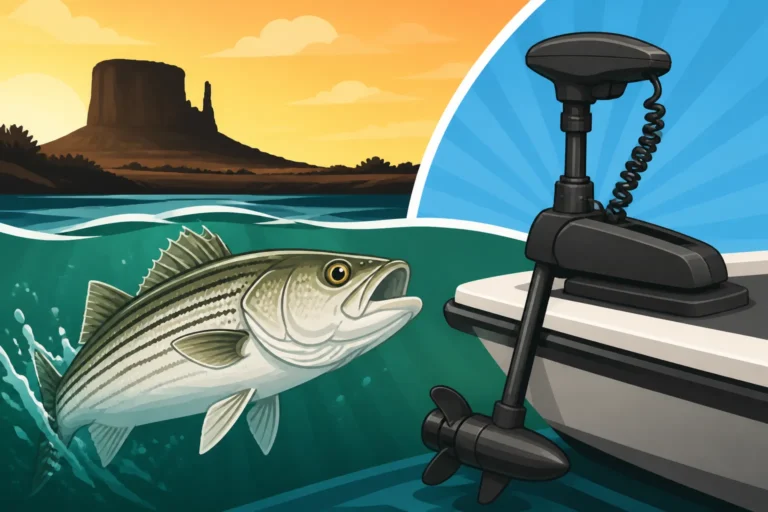
- Trolling Motors: For controlled drifts or subtle repositioning, a reliable trolling motor (bow-mount or transom-mount) is incredibly useful. Spot-Lock features on some newer models allow you to hold your boat in a precise location over a hot spot, even in wind or current, without dropping anchor. This is a game-changer for precise bait placement.
- Anchor System: Even with a trolling motor, a good anchor system is essential. Whether it's a traditional mushroom anchor for soft bottoms or a grapple anchor for rocky areas, being able to hold your position in current or wind is crucial for effective catfishing. Make sure you have enough rope for the depths you plan to fish.
- Livewell/Cooler Space: If you're keeping bait alive or preserving your catch, adequate livewell space or extra coolers are vital. Keeping bait lively is especially important for flathead fishing, and keeping your catch on ice immediately ensures the best quality fillets.
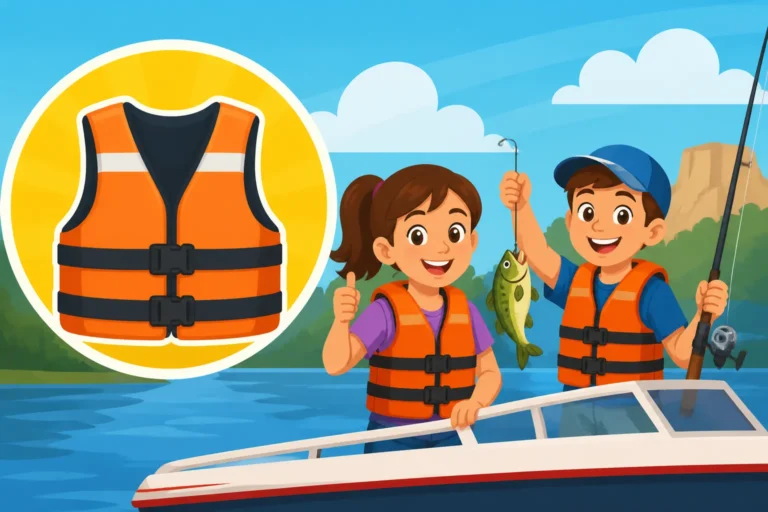
- Safety Equipment: All boats in Oklahoma must carry certain safety equipment, including life jackets for all occupants, a throwable flotation device, a sound-producing device, and navigation lights for night operation. Oklahoma Life Jacket and PFD Rules for Boaters are non-negotiable. Always check your local regulations before heading out.
Ultimately, the "best" gear for catfish fishing in Oklahoma is what works best for you and the type of fishing you enjoy most. Start with solid, reliable basics for your target species, and then slowly add specialized items as you gain experience and discover your preferred techniques. Remember, the most important piece of gear is often patience and a willingness to learn.
Disclaimer
This article is for general informational purposes only and does not constitute professional advice. Laws, prices and regulations vary by location and change over time. Consult a qualified professional for guidance on your specific situation.