Does a Wakeboarder Need a Life Jacket in Oklahoma?
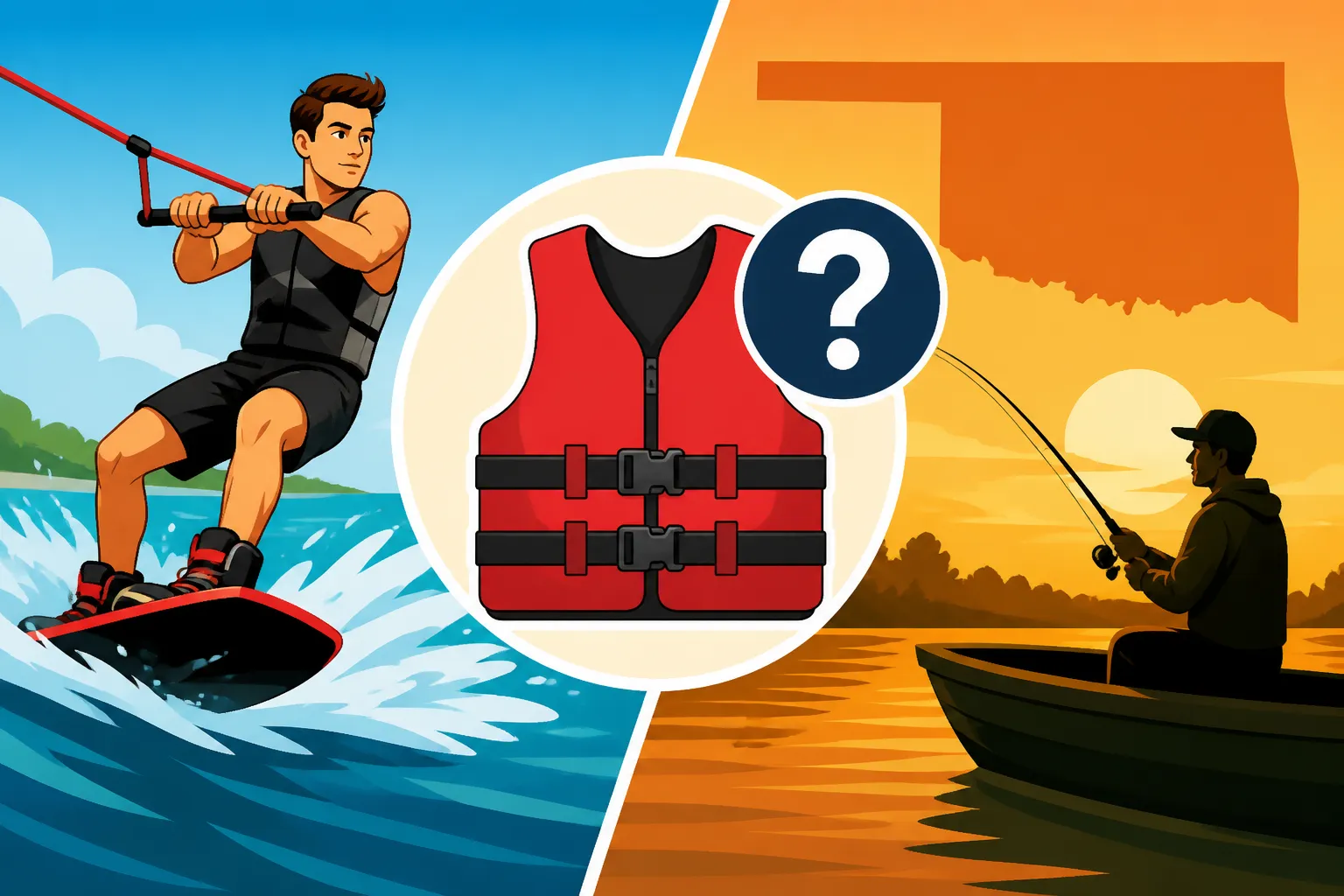
It's a beautiful day out on an Oklahoma lake, the sun is shining, and the water is calling your name for some exciting wakeboarding or waterskiing. But before you or your buddies strap in, a crucial question often pops up: does that wakeboarder really need to wear a life jacket? The short answer is yes, and understanding why and how to comply with Oklahoma's regulations can prevent a lot of headaches, and more importantly, keep everyone safe. This guide will walk you through the specifics of life jacket requirements for towable sports in our great state.
The Short Answer: Yes, Absolutely!
Let's clear the air right away, because there's often confusion, especially with experienced water sports enthusiasts who feel confident in their swimming abilities. When it comes to wakeboarding, waterskiing, or any other activity where you're being towed behind a boat on the water in Oklahoma, the law is pretty clear: you must wear a U.S. Coast Guard-approved life jacket. This isn't just a suggestion; it's a non-negotiable rule designed to protect you in unpredictable aquatic environments.
Why Towable Activities Have Stricter Rules
You might wonder why these activities have different rules than, say, just riding in the boat. The difference lies in the inherent risks involved with towable sports. When you're wakeboarding or waterskiing, you're constantly in motion, often at high speeds, and falls are a frequent, expected part of the fun. These falls can be jarring, disorienting, and sometimes even lead to injury. Imagine taking a tumble at 25 mph – the impact alone can knock the wind out of you or even render you unconscious. In such a scenario, having a life jacket on before you hit the water is critical.
The sudden nature of these falls means there's no time to grab a throwable device or struggle into a life jacket once you're already in the water. The life jacket provides immediate buoyancy, keeping your head above water and allowing you to recover, signal to the boat, or simply float safely until the boat can circle back. It's a proactive safety measure, not a reactive one. This requirement is in place across many states, and Oklahoma prioritizes the safety of its thrill-seeking citizens and visitors enjoying our lakes like Lake Tenkiller or Grand Lake.
Understanding the "Wear It" Requirement
The key phrase here is "wear it." It's not enough to have a life jacket in the boat, readily accessible, or even neatly folded on the swim platform. If you are actively participating in a towable activity – from the moment you hit the water with your board or skis until you're safely back in the boat – that life jacket needs to be securely fastened on your person. This rule extends to anyone being towed, whether they are a seasoned pro practicing flips or a beginner just trying to stand up for the first time.
This mandate simplifies things for boat operators, too. They don't have to guess whether an individual's skill level exempts them from wearing a jacket. The rule applies universally. It means less stress for the person driving the boat, knowing that their wakeboarder or skier has that essential layer of protection already in place. It’s all about creating a safer environment where everyone can enjoy the water without unnecessary risks. You can find more comprehensive details on general regulations in Oklahoma Life Jacket and PFD Rules for Boaters.
Diving Deeper into Oklahoma's Life Jacket Regulations
Oklahoma's boating regulations are designed to ensure safety for everyone on the water. When it comes to life jackets, the rules are specific and leave little room for interpretation, especially for activities that involve being towed. Ignoring these rules isn't just dangerous; it can also lead to citations from game wardens or marine patrol officers.
What the Law Says About Towing Sports
Oklahoma law specifies that anyone engaged in waterskiing, wakeboarding, tubing, or similar activities must wear a U.S. Coast Guard-approved personal flotation device (PFD). This isn't unique to Oklahoma; it's a standard safety measure adopted by most states that recognize the inherent dangers of these sports. The law understands that even the most proficient swimmers can be incapacitated by a sudden fall or collision, especially if they hit their head or get tangled in tow ropes.
Think about a scenario on Lake Eufaula during a busy summer weekend. Boats are crisscrossing, waves are bouncing, and a wakeboarder takes an unexpected dive. Without a life jacket, that person could be hard to spot in the choppy water, increasing the risk of being overlooked by other boaters. A brightly colored life jacket not only provides buoyancy but also makes you much more visible. This is why the "wear it" rule is so crucial for your personal safety and for the awareness of others on the lake. For specific regulations regarding other towable activities, check out Why Water Skiers and Tubers Must Wear a Life Jacket in Oklahoma.
Approved Life Jackets: What to Look For
Not just any old flotation device will do. The law specifically mandates a U.S. Coast Guard-approved life jacket. What does this mean for you? It means looking for the official USCG approval stamp or label on the jacket itself. These approved PFDs are rigorously tested to ensure they meet specific performance standards, including buoyancy and design, to effectively keep a person afloat.
There are different types of USCG-approved life jackets, categorized by their intended use and buoyancy. For wakeboarding and waterskiing, you'll typically want a Type III PFD, often called a "flotation aid." These are designed for continuous wear, offer good freedom of movement, and are comfortable enough for active sports. They provide at least 15.5 pounds of buoyancy, which is generally enough to keep a conscious person afloat in calm water. While some higher-impact sports might favor certain vest types, the most important thing is that it fits properly and is USCG-approved. You can find a wide selection of appropriate life jackets at retailers like Bass Pro Shops or even online through Amazon, just make sure to double-check for that USCG approval. To understand the different types and what they mean, reading Coast Guard Approved Life Jacket Requirements for Oklahoma Boaters can be very helpful.
| Life Jacket Type | Description | Best Use Cases | Key Feature |
|---|---|---|---|
| Type I | Offshore PFD | Rough, remote waters; delays hypothermia | Turns most unconscious wearers face-up |
| Type II | Near-Shore Buoyancy Vest | Calm, inland waters; good for general boating | Turns some unconscious wearers face-up |
| Type III | Flotation Aid (Vest or ski vest) | Watersports, recreational boating, conscious users | Comfortable for continuous wear, good mobility |
| Type IV | Throwable Device (Cushion, Ring Buoy) | Supplemental, not for wearing; quick rescue only | Designed to be thrown, not worn |
| Type V | Special Use Device (Work vests, hybrid PFDs) | Specific activities like kayaking, windsurfing | Approved for specific activity only |
Note: For wakeboarding, Type III is typically the most common and appropriate choice.
Practical Advice for Safe Wakeboarding and Waterskiing
Beyond just understanding the law, there's a lot of practical wisdom that goes into safe and enjoyable wakeboarding or waterskiing. It’s not just about avoiding a fine; it’s about making sure you and your loved ones come back to shore safely after a day of fun on Oklahoma’s beautiful lakes, whether it's Lake Murray or Lake Keystone.
Choosing the Right Life Jacket for Active Sports
When you're out there performing jumps, carving turns, or even just getting up on the board, comfort and fit are paramount. A poorly fitting life jacket can be a major distraction and even a hazard. If it's too loose, it can ride up around your ears when you hit the water, hindering your vision and making it difficult to breathe. If it's too tight, it can restrict your movement and make breathing uncomfortable, especially during strenuous activity.
Look for life jackets specifically designed for watersports. These often have larger armholes, flexible panels, and multiple adjustable straps to ensure a snug, comfortable fit that won't impede your range of motion. Neoprene vests are popular for their comfortable, form-fitting design. Always try on a life jacket before you buy it, just as you would any other piece of athletic gear. Make sure it allows you to move freely, can be securely fastened, and doesn't ride up when you're in the water. Remember, a life jacket that doesn't fit correctly is almost as bad as no life jacket at all. Many reputable brands found at retailers like Bass Pro Shops offer specialized watersports vests, or you can browse options on Amazon for specific features you might need.
Beyond the Law: Why Safety Always Comes First
While adhering to the law is important, true safety goes far beyond mere compliance. A life jacket is your first line of defense, but it's part of a larger safety ecosystem on the water. Always have a designated spotter in the boat who is solely focused on the person being towed. This person can quickly signal to the driver if the skier falls, needs assistance, or if there's any danger in the water.
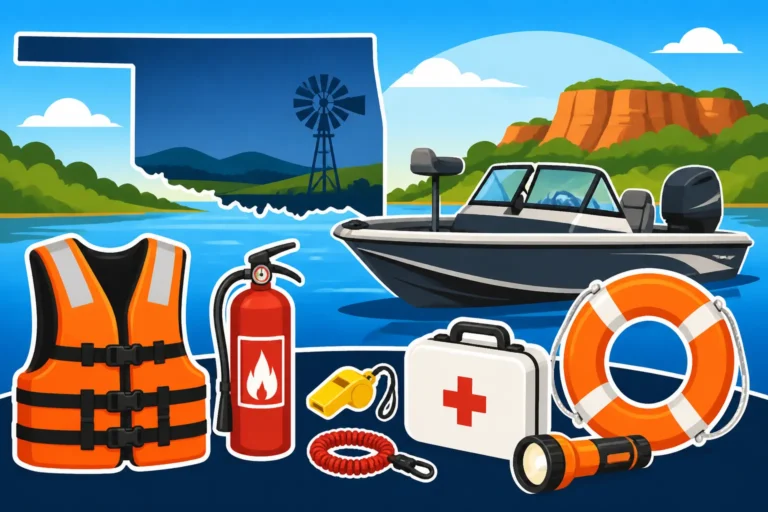
Maintain a safe distance from other boats, shorelines, and swimmers. Understand and use hand signals between the skier, spotter, and driver. Always check your equipment before heading out – inspect tow ropes for fraying, ensure bindings are secure, and confirm your boat has all the necessary safety gear like a throwable device and a first-aid kit. You can explore a detailed list of essential gear in Safety Gear Checklist for a Day on an Oklahoma Reservoir. Remember, the goal is to have an amazing time, and that amazing time is only possible when everyone prioritizes safety.
Common Misconceptions and What to Avoid
Even with clear rules, misconceptions about life jacket use persist. It's easy to fall into traps that undermine safety, often rooted in overconfidence or a lack of understanding of the risks involved. Let's debunk a couple of common ones that I've heard over the years while out fishing or boating around our Oklahoma lakes.
The "Expert Swimmer" Trap
One of the most dangerous misconceptions is that "I'm an excellent swimmer, so I don't need a life jacket." While being a strong swimmer is certainly a valuable skill on the water, it offers little protection against the unpredictable nature of an accident. Imagine hitting the water unexpectedly at speed, having the wind knocked out of you, or even suffering a minor concussion. In these moments, your swimming prowess becomes irrelevant. Your body's natural response mechanisms can be compromised, and even the strongest swimmer can struggle to stay afloat.
Furthermore, Oklahoma's lake waters can be cold, even in summer, leading to cold water shock, which can cause involuntary gasping and disorientation. A life jacket provides immediate buoyancy, keeping you on the surface and allowing your body to recover from the initial shock. It also makes you much easier for the boat operator and spotter to locate in the water, especially in busy areas or if the sun is low. The law doesn't care about your swimming medals; it cares about your safety in the face of unforeseen circumstances. This applies to kids too; even proficient young swimmers need their jackets on, as detailed in Life Jacket Rules for Kids 12 and Under on Oklahoma Boats.
The "Just for a Minute" Fallacy
Another common pitfall is the "I'll just do this one quick pass without it" or "I'll put it on in a minute" mindset. This momentary lapse in judgment is often when accidents happen. Wakeboarding and waterskiing are dynamic sports where conditions can change in an instant. A sudden wake from another boat, an unexpected turn, or a miscalculation can all lead to a fall. That "one quick pass" could be the one where you hit your head or get tangled in the rope.
Safety protocols are designed to be consistently applied because you can't predict when an accident will occur. It's far easier and safer to simply put on the life jacket and keep it on for the entirety of your towable activity, rather than constantly assessing "if this particular run requires it." Consistency in safety habits saves lives and prevents injuries. It's a small inconvenience for a huge peace of mind, allowing you to fully immerse yourself in the joy of skimming across the water without unnecessary worry.
Disclaimer
This article is for general informational purposes only and does not constitute professional advice. Laws, prices and regulations vary by location and change over time. Consult a qualified professional for guidance on your specific situation.