Stricter Crappie Limits at Six Oklahoma Lakes
It can be incredibly frustrating to head out for a peaceful day of crappie fishing, feeling confident you know the rules, only to discover later that the lake you chose has completely different regulations than the statewide standard. Many anglers, both seasoned and new, often overlook the fact that Oklahoma has specific, stricter crappie limits at six of its most popular lakes, leading to potential fines or the unintentional waste of a great catch. This guide is here to clear up that confusion, diving deep into why these rules exist, which lakes are affected, and exactly what you need to know to stay on the right side of the law while still enjoying fantastic crappie fishing.
The Statewide Crappie Rules and Why Some Lakes Differ
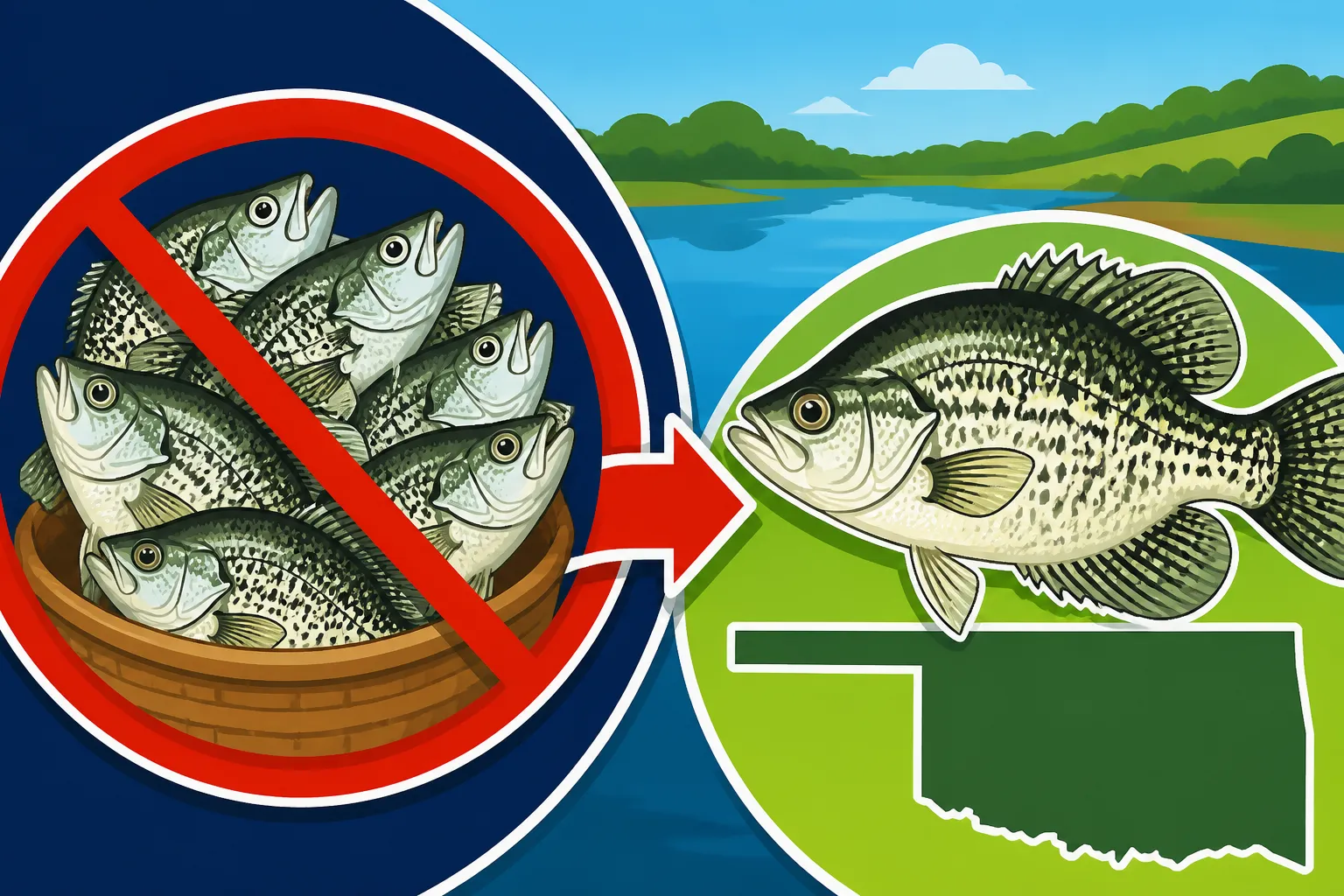
Oklahoma’s vast network of lakes and rivers typically operates under a general set of fishing regulations designed to promote healthy fish populations across the state. For crappie, this statewide rule is a generous one, allowing anglers a daily bag limit of 37 fish with no minimum length requirement. It sounds simple, right? You can catch a lot of crappie, and you don’t have to worry about whether they’re big enough to keep. This general approach works well for many bodies of water where crappie populations are robust and widely distributed.
However, relying solely on this statewide rule can lead to big trouble when you visit certain popular destinations. The Oklahoma Department of Wildlife Conservation (ODWC) meticulously studies fish populations and ecosystems in individual lakes. When they identify specific challenges, such as overharvesting of larger fish, slow growth rates, or an imbalance in the age structure of the crappie population, they implement targeted, stricter regulations. These aren't just arbitrary rules; they're scientifically backed strategies to ensure these specific fisheries remain healthy and productive for generations to come. It’s all about sustainable fishing, even if it sometimes feels like another hoop to jump through.
Understanding Statewide Crappie Bag Limits
Let's break down the standard first. The statewide rule, as mentioned, is designed to be pretty straightforward: 37 crappie per day, with no length limit. This means if you're fishing a pond in rural Oklahoma or a smaller reservoir not listed with special regulations, you can fill your livewell with a variety of sizes, from dinner plate-sized slabs to smaller panfish, up to that 37-fish total. It’s a fantastic opportunity for anglers to really stock up for a fish fry.
This generous limit allows for a lot of flexibility and often reflects a healthy, reproducing crappie population that can handle a higher harvest rate. However, it also means that anglers accustomed to this freedom can easily forget to check for local exceptions when venturing to different, often more pressured, bodies of water. You can learn more about Oklahoma Statewide Crappie Bag Limit to get a full picture of these general regulations.
The Conservation Rationale for Special Regulations
So, why would the state put stricter rules on some of its best crappie lakes? It comes down to conservation and ensuring the long-term health of those specific fisheries. Imagine a lake where everyone is constantly keeping every crappie they catch, regardless of size. Over time, this could deplete the larger, older fish that are crucial for reproduction and maintaining genetic diversity. It could also lead to an abundance of smaller, stunted crappie because there aren't enough predators or larger crappie to thin them out.
By introducing a minimum length limit, like 10 inches, the ODWC ensures that crappie have a chance to grow larger and spawn at least once before being harvested. This helps to produce more eggs and larger, healthier offspring. Reduced daily bag limits, such as 15 fish instead of 37, prevent overharvesting in lakes that see a lot of fishing pressure. These rules are particularly important in popular lakes that are easy to access and attract thousands of anglers each year. It’s a careful balancing act, and these special regulations are a testament to the ODWC's commitment to maintaining top-tier fishing experiences.
Identifying the Six Lakes with Stricter Crappie Limits
Now, for the really important part: knowing which lakes have these stricter crappie limits. It’s not a secret, but it’s something you absolutely must know before you launch your boat or cast from the bank. There are six specific lakes in Oklahoma where you'll find these special regulations in place. These are typically some of the state’s most popular and productive fisheries, which is precisely why they need a little extra protection.
These lakes are Arbuckle, Fort Gibson, Grand Lake O' the Cherokees, Hudson, Lake Texoma, and Tenkiller Ferry Lake. Each of these reservoirs offers incredible crappie fishing, but they also experience significant angling pressure, making these specific rules vital for their sustainability. Don't let the excitement of a new fishing spot make you overlook the necessity of doing your homework.
Lake Arbuckle's Crappie Regulations
Nestled in the beautiful Arbuckle Mountains, Lake Arbuckle is a gem for crappie fishing, known for its clear waters and great scenery. However, anglers here need to be extra mindful of the rules. Arbuckle Lake has a special crappie regulation: you're allowed to keep a daily bag limit of 15 crappie, but each fish must be at least 10 inches long. This means those smaller crappie that might be perfectly legal elsewhere need to be gently released back into Arbuckle's waters to grow larger.
This 10-inch minimum and reduced bag limit are critical for Arbuckle because of its unique ecosystem. The clear waters and deeper structure can sometimes lead to slower growth rates for crappie, making it even more important to protect the younger fish. Always remember to measure your crappie carefully before putting them in your livewell when fishing here. You can find more detailed information by looking up Arbuckle Lake Crappie Rules in Oklahoma.
Fort Gibson Lake's Crappie Rules
East of Tulsa, Fort Gibson Lake is another fantastic crappie destination, particularly during the spring spawn. However, like Arbuckle, it also operates under special crappie limits designed to maintain a healthy population amidst heavy fishing pressure. At Fort Gibson, the daily bag limit for crappie is 15 fish, and they must all meet a minimum length of 10 inches.
Many anglers visit Fort Gibson for its consistent crappie action, especially around submerged brush piles and standing timber. The 10-inch minimum ensures that the crappie have a chance to reproduce, contributing to the next generation of fish. Ignoring this rule, even accidentally, can lead to a stern talking-to or even a citation from an ODWC Game Warden. Always double-check your measurements, especially if you’re used to keeping smaller crappie from other lakes. For a deeper dive, check out Fort Gibson Lake's 15-Fish Crappie Limit.
Grand Lake O' the Cherokees Crappie Limits
Grand Lake, a massive reservoir in Northeast Oklahoma, is a legendary fishing spot for many species, and crappie are no exception. Given its immense size and popularity, it's no surprise that Grand Lake also has special regulations to protect its crappie fishery. Anglers fishing Grand Lake O' the Cherokees will find a daily bag limit of 15 crappie, each required to be at least 10 inches in length.
The sprawling nature of Grand Lake, with its numerous creeks and coves, provides ample habitat for crappie, but also attracts countless anglers. These stricter rules help distribute the harvest pressure and give the crappie a better chance to mature. It's easy to get lost in the excitement of a bite, but keeping a measuring board handy is crucial here. Understanding Grand Lake Crappie Size and Bag Limits is essential for any angler planning a trip to this expansive lake.
Hudson Lake Crappie Regulations
Lake Hudson, another northeastern Oklahoma gem, is well-known for its beautiful scenery and excellent crappie fishing. It's smaller than Grand Lake but still experiences significant angling interest, warranting its own specific crappie limits. If you're heading to Hudson, remember the rule: a daily bag limit of 15 crappie, with a mandatory 10-inch minimum length for all keepers.
The unique characteristics of Hudson Lake, including its sometimes-turbid waters and extensive brushy cover, create prime crappie habitat. These regulations help ensure that the lake continues to produce quality fish year after year. It's particularly important for anglers new to the area to realize that Hudson's rules are not the statewide standard. Knowing Hudson Lake Crappie Limit Explained can save you a lot of hassle.
Lake Texoma's Crappie Rules
Lake Texoma, straddling the Oklahoma-Texas border, is famous for its striped bass, but it also boasts a fantastic crappie fishery. As one of the largest and most heavily fished lakes in the region, Texoma also has specific crappie regulations that differ from the statewide Oklahoma limits. On the Oklahoma side of Lake Texoma, the daily bag limit for crappie is 20 fish, and all crappie kept must be at least 10 inches long.
It's important to note the slightly different bag limit here compared to the other lakes (20 instead of 15), but the 10-inch minimum length remains consistent. Because Texoma is an interstate lake, anglers need to be particularly careful to understand the rules for the state they are currently fishing in. While the states have some reciprocal agreements for certain species, crappie limits can vary. Always check the current ODWC regulations for Lake Texoma's Crappie Rules Compared to the Statewide Limit before you go.
Tenkiller Ferry Lake's Crappie Regulations
Last but certainly not least on our list is Tenkiller Ferry Lake, another beautiful southeastern Oklahoma lake known for its clear waters and deep fishing holes. Tenkiller is a favorite for crappie enthusiasts, but just like the others, it has its own special rules. At Tenkiller, the daily bag limit is 15 crappie, and each one must be at least 10 inches long.
The clear, often deep waters of Tenkiller present specific challenges and opportunities for crappie management. The 10-inch minimum ensures that these fish have ample time to grow and contribute to the lake's ecosystem before being harvested. Anglers heading to Tenkiller, particularly those targeting deeper brush piles, should always have their measuring tape ready. For a comprehensive overview, look up Tenkiller Lake's 10-Inch Crappie Minimum.
Navigating the Regulations: What Anglers Need to Know
Understanding that specific lakes have specific crappie limits is the first step, but truly navigating these regulations requires a bit more proactive effort. It's not enough to just know the names of the lakes; you need to incorporate checking these rules into your routine before every fishing trip, especially if you're exploring new waters. The consequences of not doing so can range from a warning to a hefty fine, and no one wants to cut a great day of fishing short with a ticket.
Think of it like planning a road trip; you wouldn't just jump in the car without checking your route or the local speed limits. Fishing regulations are no different. They are the rules of the road for the water, and they are there to protect the very resource you love to enjoy.
Always Check Current Regulations
The single most important piece of advice I can give any angler, regardless of experience level, is to always check the current Oklahoma Fishing Guide before you head out. Regulations can change, and what was true last year might be different this year. The ODWC makes these guides readily available online, at sporting goods stores, and often at lake marinas.
Before you even pack your tackle box, pull up the latest guide on your phone or computer. Specifically, look for the "Special Regulations" section or search by lake name. It takes just a few minutes, but it can save you a lot of grief. You can often find the most up-to-date information directly from the Oklahoma Department of Wildlife Conservation website. Remember, ignorance of the law is never an excuse, especially when the information is so easily accessible.
Essential Gear for Measuring and Releasing
When you’re fishing these six lakes with stricter crappie limits, a simple ruler or the markings on your rod aren't going to cut it. You need reliable tools to accurately measure your fish. A good, stiff measuring board or a durable tape measure is essential. I personally prefer a measuring board that floats, just in case it takes an unexpected dive! Many anglers keep a small, compact measuring tape attached to their tackle box or boat for easy access. You can find many great options on Amazon for measuring tools that are specifically designed for fishing, often with bright colors or features that make them easy to use quickly and accurately.
Beyond measuring, consider the ethical implications of releasing undersized fish. A proper catch-and-release technique is vital to ensure those small crappie survive to grow bigger. Wet your hands before handling the fish, support its body horizontally, and use needle-nose pliers or a dehooker to remove the hook quickly. Avoid touching the gills or eyes. If a fish is deeply hooked, it’s often best to cut the line as close to the hook as possible rather than trying to rip it out. These small actions make a big difference in the survival rate of released fish.
Penalties for Violating Crappie Limits
Let’s be real, no one wants to get a ticket while enjoying a relaxing day on the water. But the reality is that game wardens patrol these lakes, and they are trained to enforce these regulations diligently. The penalties for violating crappie limits can vary depending on the severity of the offense, but they can include fines, court costs, and potentially even the forfeiture of your fishing gear.
Imagine getting caught with just a few undersized crappie or exceeding the bag limit by a handful of fish. That seemingly small mistake could cost you hundreds of dollars in fines and court fees. It’s a far cry from the small investment of time it takes to check the regulations or the cost of a good measuring board. The ODWC is serious about protecting Oklahoma's fisheries, and they expect anglers to be responsible. Understanding the Penalties for Fishing Without a License in Oklahoma can also give you a broader idea of how seriously fishing regulations are enforced in the state.
Statewide vs. Special Lake Crappie Limits: A Clear Comparison
To really drive home the differences, let's put the statewide regulations side-by-side with the specific rules for these six lakes. It's a stark contrast that highlights why you simply cannot assume the same rules apply everywhere. This comparison should serve as your go-to reference when planning your crappie trips across Oklahoma.
It’s often these subtle differences in numbers—a 10-inch minimum here, a 15-fish limit there—that trip up even experienced anglers. A visual comparison can help cement these important details in your mind.
| Lake/Regulation Type | Minimum Length | Daily Bag Limit | Notes |
|---|---|---|---|
| Statewide (General) | None | 37 Crappie | Applies to most Oklahoma lakes and rivers not listed below. |
| Lake Arbuckle | 10 inches | 15 Crappie | Stricter rules due to unique ecosystem and fishing pressure. |
| Fort Gibson Lake | 10 inches | 15 Crappie | Helps protect breeding stock in a popular fishery. |
| Grand Lake O' the Cherokees | 10 inches | 15 Crappie | Ensures sustainable harvest on this large, popular lake. |
| Hudson Lake | 10 inches | 15 Crappie | Crucial for maintaining healthy crappie populations here. |
| Lake Texoma (OK side) | 10 inches | 20 Crappie | Slightly higher bag limit but still requires minimum length. |
| Tenkiller Ferry Lake | 10 inches | 15 Crappie | Important for sustained growth in clear, deep waters. |
This table clearly illustrates that while the statewide limit is generous, a significant number of premier crappie fishing locations have distinct, more restrictive rules. This is why a simple mental note isn't enough; you need to be prepared and informed.
Implications for Trip Planning
Knowing these differences has huge implications for how you plan your fishing trips. If you're heading to one of the six special regulation lakes, your approach might need to change. For instance, you might focus more on targeting larger fish, knowing that anything under 10 inches needs to go back. This could mean adjusting your bait choices, your fishing depth, or even your presentation to appeal to bigger crappie.
For instance, if you're used to using small jigs for numbers, you might switch to slightly larger baits or live minnows to selectively target those larger slabs. You might also want to bring a cooler dedicated to keeping fish separated, especially if you plan to fish different lakes with varying limits on the same trip. This level of preparedness isn't just about following rules; it's about maximizing your enjoyment and success while being a responsible angler. Consider how these limits impact your ability to keep How Many Crappie You Can Keep in Oklahoma on a given day.
Where to Find More Crappie Fishing Information
Beyond this guide and the official ODWC regulations, there are many resources available to help you become a more informed crappie angler. Online forums, local fishing clubs, and even conversations at bait shops can provide valuable, real-time insights into what's biting and what the local nuances of the regulations might be.
Many YouTube channels and blogs also offer fantastic crappie fishing tips specific to Oklahoma, often highlighting particular lakes. Just remember to cross-reference any information with the official ODWC guide, as personal advice might occasionally be outdated or based on assumptions. Reputable fishing magazines and guides, often available for purchase on Amazon, can also be a goldmine of information, offering detailed maps and seasonal strategies. Ultimately, the more informed you are, the better your fishing experience will be.
Responsible Angling: Beyond the Rules
Being a responsible angler goes beyond simply knowing and following the regulations. It’s about understanding the impact you have on the environment and the fish populations, and actively working to preserve them for future generations. While the stricter crappie limits are a key component of this, there are other practices that contribute to a healthy and sustainable fishery.
Think of it as being a good steward of the natural resources we're so lucky to have in Oklahoma. Every angler has a role to play in maintaining the quality of our lakes and the abundance of our fish. It's about respecting the fish, the water, and your fellow anglers.
Practicing Ethical Catch and Release
We touched on this earlier, but it bears repeating: proper catch and release is paramount, especially when dealing with minimum length limits. When you're required to release undersized crappie, their survival depends on how you handle them. Keep them in the water as much as possible, use barbless hooks to make removal easier, and avoid excessive squeezing or dropping the fish.
Crappie can be fairly resilient, but rough handling, especially in warmer water, can stress them to the point of no return. A quick photo, if you must, and then a gentle release will ensure that those small crappie live to fight another day and grow into trophy-sized fish. It's a small effort that yields huge benefits for the fishery. Learning about Crappie Fishing Techniques and Seasonal Patterns in Oklahoma can also help you understand how different fishing methods might impact the fish you release.
Respecting the Environment and Other Anglers
Fishing is often about peace and solitude, but our lakes are shared resources. Always remember to pack out everything you pack in, and perhaps even a little extra litter you find. Fishing line, bait containers, and other trash can be deadly to wildlife and detract from the beauty of the lake. A simple trash bag in your boat or tackle box makes this easy.
Additionally, be courteous to other anglers. Don't crowd someone's fishing spot, especially if they were there first. Be mindful of your wake if you’re in a boat, and keep noise levels down. These actions might not be "rules" per se, but they contribute to a positive and respectful atmosphere on the water for everyone. Remember, a great fishing day isn't just about the fish you catch; it's about the entire experience.
Disclaimer
Please remember that fishing regulations, including bag and length limits, can change. Always consult the most current Oklahoma Fishing Guide published by the Oklahoma Department of Wildlife Conservation before you go fishing. This article is for informational purposes only and does not supersede official state regulations.