Do You Need Special Gear for Paddlefish Snagging in Oklahoma?
Let's talk about paddlefish snagging in Oklahoma, because if you've ever thought about giving it a try, you've probably wondered if your regular bass or catfish setup is going to cut it. It's a common question, and frankly, it's a valid one! Paddlefish are a unique species, and the way we catch them is even more distinct, which often leaves anglers scratching their heads about what kind of tackle they truly need. This guide will break down exactly why paddlefish snagging often calls for specialized gear and what you should consider before heading out to places like Grand Lake.
Why Paddlefish Snagging Isn't Your Everyday Fishing
Paddlefish snagging isn't like casting a jig for bass or setting out a trotline for catfish. It's a whole different ballgame, demanding a particular approach and, consequently, specific equipment. The sheer size and power of these ancient fish, combined with the active technique required to catch them, mean you can't just grab any old rod and reel and expect success or, more importantly, a safe and comfortable experience.
The Sheer Size and Power of Paddlefish
If you've never seen an Oklahoma paddlefish up close, prepare to be amazed. These aren't your average panfish; they are truly prehistoric giants, often weighing 40, 50, or even over 100 pounds. Imagine hooking into a fish that's longer than you are tall and possesses incredible brute strength! When you snag one of these magnificent creatures, it's not a gentle retrieve; it's a full-on tug-of-war. They will peel line off your reel with a force that can shock an unprepared angler and demand every ounce of power from your rod. Your typical medium-heavy bass rod might feel like a toothpick in your hands, and a standard spinning reel's drag system could quickly overheat and fail under such immense pressure. This is why durability and power are paramount in every piece of gear you choose.
The Snagging Method Itself
Traditional fishing involves enticing a fish to bite a bait or lure. Snagging, on the other hand, is about actively pulling a weighted, large treble hook through the water column in hopes of "snagging" the fish somewhere on its body. This isn't a passive activity; it requires heavy, repetitive casts and powerful sweeping motions to move those big hooks and weights. You're essentially casting a heavy rig a long distance and then reeling it back with purpose, often making multiple attempts in a single spot. This aggressive technique puts significant stress on all components of your tackle. The constant heavy casting can quickly wear down lighter rods and reels, and the sheer force of setting a hook into a dense-bodied fish requires a backbone that most recreational fishing rods simply don't possess. It’s a very physical way to fish, and your gear needs to be up to the task. If you're wondering How Paddlefish Snagging Work in Oklahoma, the method alone dictates much of the gear you'll need.
Essential Gear for Successful Paddlefish Snagging
So, what exactly does special paddlefish snagging gear entail? It boils down to heavy-duty components designed for immense strength, durability, and the unique demands of the snagging technique. Think of it as the heavy artillery of freshwater fishing.
The Rod: A True Workhorse
For paddlefish, you need a rod that's less about finesse and more about raw power. We're talking about a heavy to extra-heavy action rod, typically between 8 to 12 feet long. Shorter rods simply don't offer the leverage needed to cast heavy weights and fight massive fish effectively. A longer rod allows for longer casts, which is crucial for covering more water, especially when you're targeting roaming paddlefish. The backbone of the rod needs to be incredibly stiff to handle those heavy weights during casting and to withstand the powerful runs of a big paddlefish.
Imagine trying to cast a 6-ounce weight with a typical 7-foot medium-heavy bass rod. It would feel awkward, and you'd likely strain the rod, possibly even snapping it. A dedicated paddlefish rod, often made of durable fiberglass or heavy graphite composites, is built to absorb that shock and deliver the necessary power. Some anglers even use surfcasting rods or specialized catfish rods because of their inherent strength and length. You need something that won't give up on you when a 70-pound paddlefish decides to make a dash for the open lake. For a deeper dive, check out Best Rod for Paddlefish Snagging on Grand Lake.
The Reel: Built for Battle
Your reel is just as critical, needing a substantial line capacity and a robust drag system. Many experienced paddlefish anglers opt for large conventional (baitcasting) reels, often those designed for saltwater or heavy-duty catfish applications. These reels are known for their strong gears and exceptional cranking power. A good quality large spinning reel can also work, but ensure it's rated for heavy line and has a smooth, powerful drag that can be tightened down significantly without slipping or jerking.
The large line capacity is essential because a big paddlefish can make incredibly long, fast runs, particularly in open water. You don't want to get spooled (run out of line) in the middle of a fight. A reliable drag system is crucial for tiring out the fish without putting too much strain on your rod or snapping your line. It's about letting the fish run when it needs to, but slowly wearing it down so you can eventually bring it to the boat or shore. Without a solid reel, you'll find yourself losing fish and potentially breaking your equipment, which is never fun after a long day of casting.
The Line: Unyielding Strength
Forget your 10-pound mono; for paddlefish snagging, you need heavy-duty braided line. We're talking 60 to 100-pound test braid, sometimes even heavier. Braided line is preferred over monofilament or fluorocarbon for a few key reasons:
- Zero Stretch: Braid has almost no stretch, which gives you maximum sensitivity to feel your hooks moving through the water and the immediate feedback when you snag a fish. This is crucial for effective snagging.
- Incredible Strength: Its high breaking strength allows you to really lean into a big fish without worrying about snapping your line.
- Abrasion Resistance: While not impervious, higher quality braids offer good abrasion resistance, which is important when your line might be rubbing against structure or the tough skin of a paddlefish during a long fight.
Having a strong line is non-negotiable. Imagine finally hooking into a monster paddlefish, only to have your line snap under the strain. It's heartbreaking! Investing in a good quality, heavy braid is one of the smartest decisions you can make for this type of fishing. Many anglers will spool up with something like 80-pound braid, giving them plenty of backbone for the fight.
Hooks: Big, Strong Trebles
This isn't the time for dainty single hooks. Paddlefish snagging requires large, strong treble hooks. These hooks typically range from sizes 8/0 to 12/0, and they need to be robust enough not to bend or break under the strain of being dragged through the water or set into a large fish. The "snagging" technique relies on these multiple points to securely catch the fish.
Many anglers prefer to use a single, large treble hook, while others might rig a tandem setup with two hooks. The key is sharp points and heavy-duty wire construction. You'll be using these hooks aggressively, so they need to be able to take a beating. Remember, this is about securing a firm hold on a powerful, thrashing fish, so don't skimp on hook quality. Learn more about Best Treble Hook Size for Paddlefish Snagging.
Weights: Getting Down and Staying Down
To effectively snag paddlefish, you need to get your hooks down to where they are, which is often near the bottom in deep water. This means using heavy lead weights, typically ranging from 6 to 16 ounces, or even more depending on current and depth. These weights need to be heavy enough to sink quickly and allow you to sweep your hooks through the water column without them drifting too high.
A common setup involves a three-way swivel, with your mainline tied to one eye, a dropper line with your weight to another, and your hook leader to the third. This helps prevent tangles and ensures your weight is doing its job. The exact weight you use will depend on conditions, but always have a variety on hand. Without sufficient weight, your hooks won't be in the right strike zone, significantly reducing your chances of success.
Other Essential Gear: Safety and Convenience
Beyond the core rod, reel, line, hooks, and weights, there are several other items that are absolutely essential for a successful and safe paddlefish snagging trip.
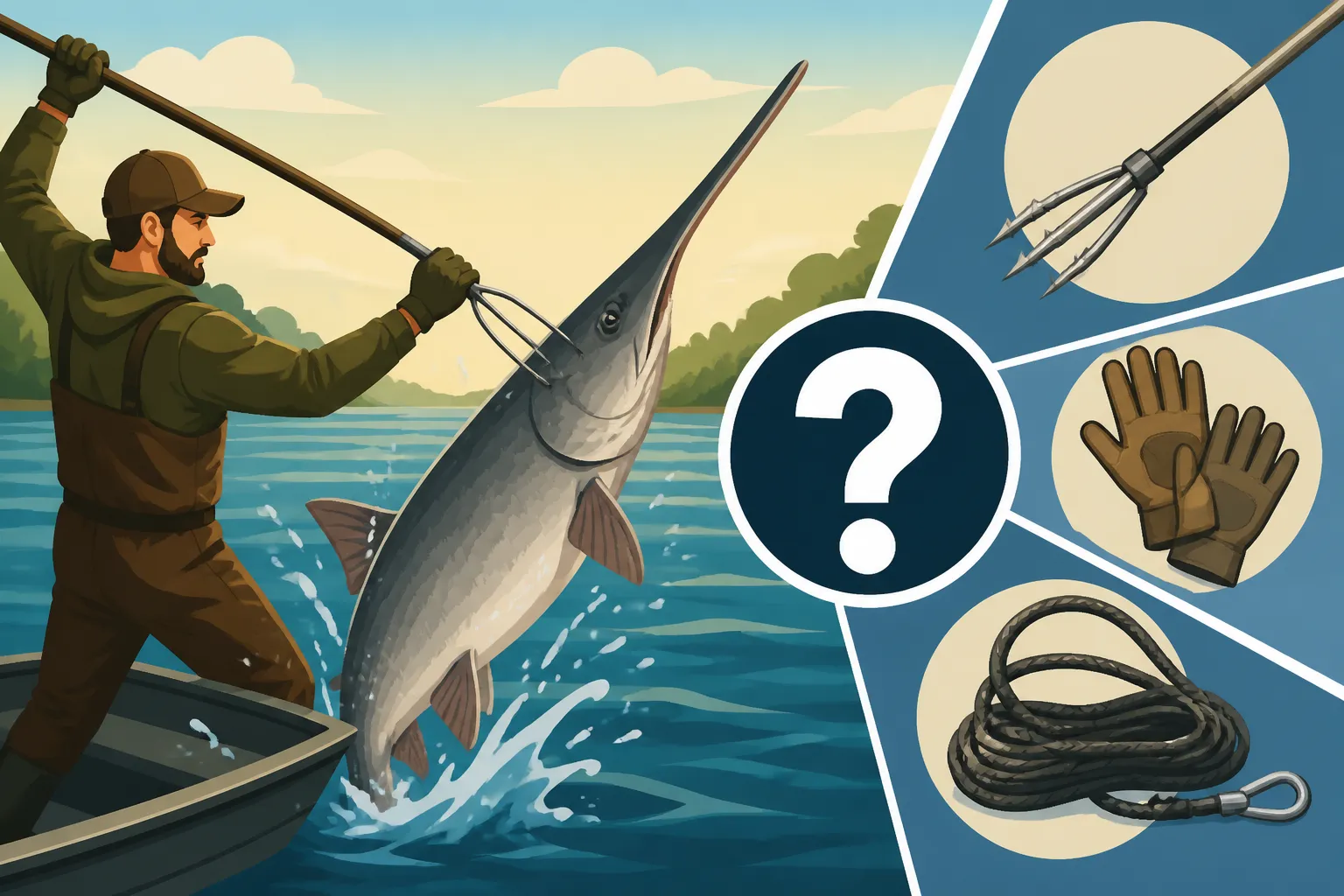
- Heavy-Duty Gloves: Your hands will thank you! Handling heavy braided line, especially when a large fish is on, can cause serious line burn. Gloves also protect you from sharp fins and hooks.
- Large Net or Gaff: Once you've battled a paddlefish to the boat or shore, getting it landed can be the trickiest part. A very large, sturdy net or a heavy-duty gaff designed for big fish is crucial. Trying to lift a 70-pound fish by hand is not only difficult but dangerous for both you and the fish.
- Pliers/Bolt Cutters: For safely removing hooks or cutting line if necessary.
- Life Vest: Safety first! Especially if you're fishing from a boat. Always wear a Coast Guard-approved life vest, particularly when dealing with large, unpredictable fish and heavy tackle. This is not just a recommendation; in Oklahoma, life jacket rules are in place for safety, particularly for younger anglers or when engaged in certain activities.
- Cooler with Ice: If you plan on keeping your catch (and remember to check current bag limits!), you'll need a large cooler with plenty of ice to preserve the meat. These fish are big, so a small cooler won't cut it.
Can You Get By Without All the Specialized Gear?
This is where realism comes into play. Many anglers, especially those just starting out, might look at the specialized gear list and think, "Do I really need all that?" The honest answer is, while you might be able to get by with some adaptations, it often comes with significant drawbacks and increased risks. It’s similar to asking if you can drive a nail with a wrench – you can, but a hammer does the job better and safer.
Adapting Heavy Catfish or Striper Rigs
If you're already an avid angler in Oklahoma, you might have some heavy-duty catfish or striped bass gear. Can you use it for paddlefish snagging? Potentially, yes, but with caveats. A stout, long catfishing rod (especially those designed for trophy blues or flatheads) might have enough backbone, and a large conventional reel designed for big stripers on Lake Texoma could offer the line capacity and drag strength you need.
However, even with these adaptations, you're likely pushing the limits of that gear. A catfishing rod might be a bit shorter than ideal, or it might not have the same sweeping action as a dedicated snagging rod. A striper reel might have a great drag, but the gears might not be built for the repeated, heavy shock loads of snagging. It's a compromise. You might land a smaller paddlefish, but a true lunker could quickly expose the weaknesses in your adapted setup. For those serious about consistency and minimizing lost fish, investing in specialized gear truly pays off. You'll definitely want to know about What Gear Do You Need for Paddlefish Snagging in Oklahoma.
The Risk of Under-Gearing
Using inadequate gear for paddlefish snagging can lead to a host of frustrations and problems.
- Lost Fish: The most common issue is losing fish. Your line snaps, your hook straightens, your rod breaks, or your reel's drag gives out. This isn't just disappointing; it can be disheartening after putting in the effort to snag one of these powerful fish.
- Broken Gear: Lighter rods can snap during casting or during a strong fight. Reels can strip gears, bend spools, or have their drag systems fail. Replacing broken equipment can quickly negate any perceived savings from not buying specialized gear in the first place.
- Injury: This is perhaps the most serious risk. A snapping rod, a line slicing your hand, or a hook pulling out violently can cause serious injury, especially with heavy weights and powerful fish. Safety should always be your top priority.
- Ineffectiveness: Lighter gear makes it harder to cast heavy weights long distances and to effectively sweep your hooks through the water. This means fewer snagging opportunities and a less enjoyable experience overall. You'll spend more time struggling with your equipment than actually fishing.
Ultimately, while it's tempting to try and make do, the unique challenges of paddlefish snagging really do warrant gear that's up to the task. It's an investment in your success, safety, and enjoyment on the water.
Where to Find Your Paddlefish Snagging Gear
So, you've decided to gear up properly for paddlefish snagging in Oklahoma – excellent choice! Now, where do you find these specialized rods, reels, and other essentials?
Local Tackle Shops and Big Box Stores
Your local tackle shops are often a fantastic resource, especially those located near prime paddlefish snagging waters like Grand Lake O' the Cherokees. These stores often stock gear specifically designed for the local fisheries and their staff can provide invaluable, first-hand advice. They understand the nuances of the local water and the specific demands of the fish. Don't be shy about asking for recommendations for a "paddlefish rod" or "heavy-duty snagging reel."
Beyond local shops, larger outdoor retailers like Bass Pro Shops are excellent options. They typically carry a wide range of heavy-duty fishing gear, including stout rods, large capacity reels, and heavy braided lines that can be adapted for or are specifically marketed for paddlefish, sturgeon, or big catfishing. You can often find a good selection of heavy treble hooks and appropriate weights there too. The benefit of these stores is being able to physically handle the gear, feel the rod's action, and compare different reels.
Online Retailers
If you can't find what you need locally or prefer the convenience of shopping from home, online retailers are a treasure trove. Websites like Amazon offer an enormous selection of fishing gear from various brands. You can find everything from specialized snagging rods to heavy-duty conventional reels, high-pound-test braided line, and robust treble hooks. The key when shopping online is to read reviews carefully and pay close attention to the specifications (length, action, line capacity, drag rating) to ensure the gear meets the demands of paddlefish snagging. While you miss out on the hands-on feel, the sheer variety and competitive pricing can be a huge advantage. Just be sure to double-check shipping times if you have a trip planned soon!
| Gear Item | Standard Heavy-Duty Fishing Gear (e.g., Catfish/Striper) | Recommended Paddlefish Snagging Gear | Key Differences |
|---|---|---|---|
| Rod | 7-9 ft, Heavy Action | 8-12 ft, Heavy to Extra-Heavy Action | Longer for casting heavy weights, more backbone for fighting massive, dense fish. |
| Reel | Large Baitcaster/Spinning, 20-30 lb line capacity | Large Conventional (Saltwater/Catfish) or Large Spinning, 60-100 lb line capacity | Higher line capacity, stronger gears, more robust drag system for sustained heavy fights. |
| Line | 30-50 lb Braid/Mono | 60-100 lb Braided Line | Much higher breaking strength, no stretch for better feel and hook sets, more durable. |
| Hooks | Single, J-hooks, or smaller trebles (e.g., for lures) | Large Treble Hooks (8/0 – 12/0), Heavy Wire | Designed specifically to "snag" and hold a large, powerful fish; superior strength. |
| Weights | 1-4 oz | 6-16 oz (or more) | Needed to reach and maintain depth in often deep, strong currents for effective snagging. |
When it comes to Paddlefish Snagging Gear Basics for Oklahoma's Grand Lake, choosing the right equipment is paramount. Don't let under-gearing lead to a frustrating day or, worse, a lost trophy fish. Prepare properly, and you'll be ready to tackle these incredible Oklahoma giants.
Disclaimer
This article is for general informational purposes only and does not constitute professional advice. Laws, prices and regulations vary by location and change over time. Consult a qualified professional for guidance on your specific situation.