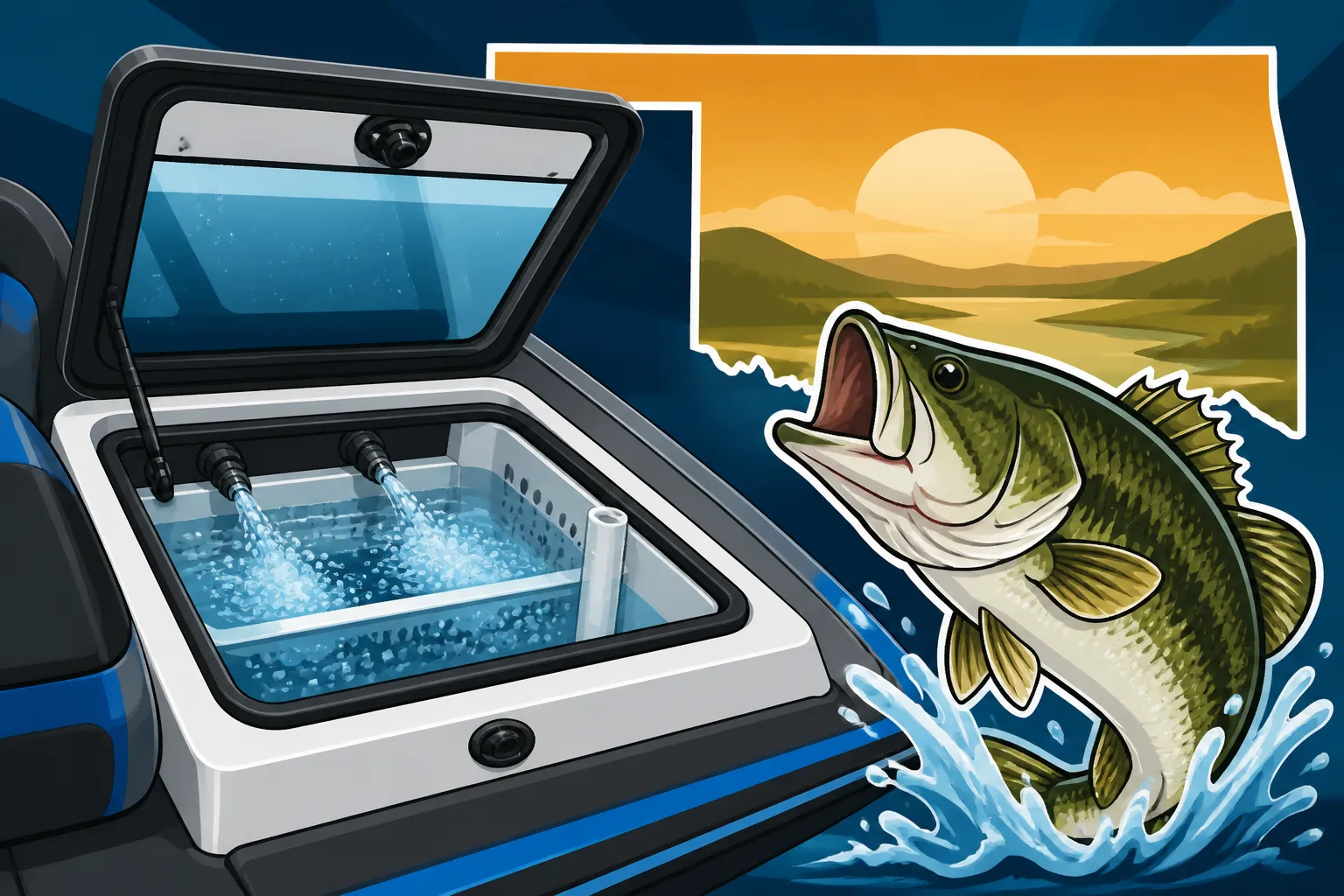
Best Livewell Setup for Bass Tournaments
One of the biggest anxieties for any tournament bass angler isn't just catching fish, but keeping them alive and healthy until weigh-in. It's incredibly frustrating to battle a trophy bass, only for it to suffer in your livewell, potentially costing you precious ounces or even disqualification. This guide is here to walk you through optimizing your livewell setup, ensuring your hard-earned catches remain vibrant and ready for a successful release back into Oklahoma's beautiful waters.
Understanding the Critical Role of a Livewell in Tournaments
For many of us who grew up just fishing for fun, a livewell was simply a glorified cooler. You'd throw a few fish in, maybe turn on the pump for a bit, and hope for the best. But in the demanding world of bass tournaments, where every ounce counts and the health of the fish is paramount, your livewell transcends being a simple storage unit. It becomes a critical piece of life support, and understanding its function is the first step to mastering it.
Why Bass Survival is Paramount and Challenging
Imagine being pulled from your comfortable home, subjected to a high-stress fight, and then confined to a small, often warm space. That's essentially what a bass experiences during a tournament. The initial fight causes physical exertion and lactic acid buildup, which alone can be lethal. Then, once in the boat, they face potential oxygen deprivation, rapidly changing water temperatures, and the psychological stress of confinement. Dead fish mean penalties, sometimes severe ones, that can knock you right out of the money. Beyond the financial impact, there's a deep commitment in the angling community to conservation, and ensuring a healthy release is part of that ethic. It's a tough balancing act, but with the right setup, you can dramatically improve your success rate. This focus on fish health is why organizations like the Oklahoma Department of Wildlife Conservation (ODWC) put so much emphasis on proper handling and why Tournament Angler Rules in Oklahoma are so specific about live release.
The challenge is amplified by Oklahoma's diverse weather. A spring tournament might see cool, stable water, while a scorching summer day on Lake Texoma can quickly turn your livewell into a sauna if not managed properly. This means your setup needs to be versatile and capable of handling extremes. Neglecting the livewell is akin to driving a race car with a faulty engine – you're just asking for trouble, and tournament directors are very serious about fish care, often imposing strict penalties for each dead fish presented at weigh-in.
Beyond Just "Holding Water": What a Good Livewell Does
A truly effective livewell system does far more than just hold water. It actively creates and maintains a hospitable environment, mimicking, as closely as possible, the conditions the fish thrive in naturally. Think of it as a miniature, controlled ecosystem within your boat. The primary functions are circulation, aeration, temperature control, and filtration. Without consistent circulation, oxygen levels become stagnant, and waste products build up. Aeration actively infuses the water with vital oxygen, replacing what the fish consume. Temperature control prevents thermal shock and keeps the fish's metabolism stable, especially crucial in Oklahoma's hot summers or unpredictable cold fronts.
Finally, while often overlooked, some level of filtration or water treatment is vital to neutralize harmful ammonia and other toxins that fish release. A well-designed livewell should be able to exchange fresh water from the lake, recirculate and aerate the existing water, and allow for the introduction of treatments or ice. It's a complex interplay of systems, and each component plays a crucial role in preventing stress and mortality. Understanding these principles empowers you to not just use your livewell, but to truly master it and give your bass the best chance of survival.
Essential Components of an Optimal Livewell System
Outfitting your livewell isn't about buying the most expensive gear; it's about making smart choices that address the core needs of your fish. From keeping them breathing to regulating their body temperature, each component works in concert to ensure a successful day on the water.
Aeration and Oxygenation Systems
Oxygen is the single most critical element for fish survival in a livewell. Without enough dissolved oxygen, fish quickly become stressed, lethargic, and eventually die. Most modern bass boats come equipped with aeration systems that use pumps to either exchange fresh lake water or recirculate and spray existing livewell water, creating bubbles and surface agitation to increase oxygen levels. However, relying solely on these basic systems might not be enough, especially on long, hot tournament days or when you have a limit of active fish. Many serious tournament anglers opt for additional oxygenation methods. This could include adding an independent air pump that pushes air through an airstone, similar to what you'd see in an aquarium, or even dedicated oxygen infusers that inject pure oxygen into the water. These specialized systems can significantly boost dissolved oxygen levels, providing a vital lifeline for stressed fish.
When choosing components, keep an eye out for quality. A reliable livewell pump is non-negotiable, and it’s always wise to have a backup or two. You can find robust pumps, aerators, and even portable oxygen kits at places like Bass Pro Shops or through online retailers. Consider a dissolved oxygen meter, available on Amazon, if you're serious about fine-tuning your system; it provides real-time data on your livewell's oxygen levels, allowing you to react proactively rather than waiting for fish to show signs of distress. Remember, every little bit of dissolved oxygen helps, and proactive measures can prevent serious problems down the line.
Temperature Control: The Silent Killer
Beyond oxygen, water temperature is arguably the biggest factor in livewell mortality, especially in Oklahoma's often sweltering summers. Bass are cold-blooded, and rapid temperature changes or excessively warm water can quickly lead to shock, stress, and death. Your livewell needs to maintain a stable, comfortable temperature for the fish. The ideal range often mirrors the temperature of the lake water they were caught from, or slightly cooler if the lake is very warm.
Many anglers use frozen plastic water bottles or ice packs to gradually cool their livewell water without directly introducing contaminants. Some will add a small amount of raw ice, but this needs to be done cautiously. Chlorine or other chemicals in tap water ice can be harmful to fish, so always ensure the ice is made from purified or lake water. The best livewells are well-insulated, which helps prevent rapid temperature fluctuations. If your livewell isn't heavily insulated, consider adding extra insulation material around the compartments. Monitoring the water temperature with a simple thermometer is crucial; don't guess. Small, incremental additions of cooling agents are better than drastic drops, which can cause thermal shock. The goal is stability and comfort for the fish, not just "cold" water.
Water Quality and Filtration
Even with optimal oxygen and temperature, your livewell water can quickly become toxic. Fish excrete waste (ammonia, feces), which, especially in a confined space, can build up to dangerous levels. This is where water quality and, to some extent, filtration come into play. While most livewells don't have sophisticated filtration systems like home aquariums, you can significantly improve water quality with a few simple steps. The most direct method is regular water exchange with fresh lake water. Many livewells have a "fill" and "recirculate" option – using the "fill" to continuously bring in fresh water is a great strategy, especially when moving between spots.
Beyond exchange, livewell additives are a game-changer. These specialized products, often found at Bass Pro Shops, are designed to neutralize chlorine, bind ammonia, and replace the protective slime coat on fish that can be damaged during handling. They also contain electrolytes and stress-reducing agents that help fish recover from the ordeal of being caught and transported. Having a good quality livewell treatment on hand is an absolute must for any tournament angler. You can also create a rudimentary filter by placing a sponge or filter media over your intake screen to catch larger debris, though this won't remove chemical toxins. Keeping the water clean and stable is just as important as keeping it oxygenated and cool.
| Livewell Feature | Basic Setup | Optimal Setup |
|---|---|---|
| Aeration | Standard recirculating pump | Recirculating pump + dedicated air stone/pump OR Oxygen Infuser |
| Water Exchange | Manual fill/drain | Automatic fresh water exchange system |
| Temperature Control | Minimal insulation, occasional ice | Well-insulated, consistent ice bottles/packs, temperature monitor |
| Water Quality | No additives, no filtration | Livewell additives (de-chlorinator, stress coat), some form of particulate filtration |
| Monitoring | Visual check of fish | Visual check + dissolved oxygen meter + water thermometer |
| Fish Handling | Net fish directly into well | Release bag/measure board with water, gentle transfer |
Setting Up and Maintaining Your Livewell for Tournament Day
A perfect livewell system is only as good as its management. You can have all the bells and whistles, but if you're not diligent about preparation and on-the-water care, you'll still face challenges. This is where experience and consistent habits really pay off, ensuring you're not caught off guard when the bite is hot.
Pre-Tournament Prep: Don't Wait Until the Last Minute
Tournament day is chaotic enough without last-minute livewell issues. A thorough pre-tournament check and cleaning can prevent a lot of headaches. Start by completely draining and cleaning your livewell and all associated hoses and pumps. Use a non-toxic, fish-safe cleaner or simply a vinegar-and-water solution to remove any residue, algae, or odors from previous trips. You don't want anything in there that could stress your fish. Visually inspect all hoses for kinks, cracks, or loose connections. Test all your pumps – both the fill and recirculating pumps – to ensure they're working correctly and not making unusual noises. If you have a backup pump, test that too.
It’s also wise to check your battery connections, as livewell pumps draw power throughout the day. Some anglers even do a "dry run" a few days before the tournament, filling the livewell with water and running the system for a few hours to ensure everything is functioning optimally. Prepare your cooling agents – freeze several water bottles, making sure they're clean and free of labels. Gather your livewell additives, a thermometer, and any other emergency supplies. This diligent preparation allows you to focus on fishing, not fixing problems. Looking to enhance your boat's longevity? Consider reading up on Best Boat Storage and Cover Gear for Oklahoma Weather for comprehensive care.
On-the-Water Management: Keeping Fish Happy
Once you're on the water and making your first casts, your livewell management needs to be active and responsive. The first step, ideally, is to fill your livewell with fresh lake water at the beginning of the day. This acclimatizes the livewell to the ambient water conditions your fish will be coming from. As you catch fish, transfer them into the livewell as quickly and gently as possible. A weigh-in bag filled with water for a quick transfer from the net to the livewell can minimize handling stress. Avoid dropping fish from a height into the well.
Regarding aeration, most tournament anglers run their recirculating or oxygenating pumps continuously, especially when fish are in the livewell. If you're running on a less powerful system, at least run it intermittently, perhaps for 15 minutes every hour, and definitely when you're actively moving between fishing spots. Continuously monitor your water temperature, especially during warmer months. If you notice the temperature climbing, carefully introduce your frozen water bottles. Remember, slow and steady cooling is key to prevent shock. Keep an eye on your fish. Are they swimming upright? Are they darting around, or are they listless and gasping? These are all signs that you might need to adjust your aeration, add more oxygen, or cool the water. Every minute counts when fish health is on the line.
Post-Tournament Care: Releasing and Cleaning
The tournament might be over, but your responsibility to the fish isn't. Post-tournament care is vital for ensuring your catches have the best chance of survival after release. Don't just dump your fish back into the lake from a height. If possible, take them to a shady, calm area with good oxygenation, or use a release tube to gently slide them back into the water. This minimizes further stress and allows them to re-acclimate slowly. If you notice fish are particularly lethargic, hold them gently in the water, supporting them until they can swim off on their own.
Once all your fish are safely released, it's time to thoroughly clean your livewell. Drain all the water, remove any debris, and again, use a fish-safe cleaner or vinegar solution to scrub down all surfaces. Rinse thoroughly until no soap residue or odor remains. Cleaning prevents the buildup of harmful bacteria and algae, which can harbor diseases and make future fish sick. It also prevents your livewell from developing unpleasant odors. Proper cleaning after each use ensures your livewell is ready for the next tournament and that you're doing your part for fish conservation. For more comprehensive boat maintenance tips, check out Oklahoma Boat Safety Equipment Checklist.
Advanced Tips and Troubleshooting Common Livewell Problems
Even with the best preparation, things can go sideways on the water. Knowing how to react and having a few advanced tricks up your sleeve can make all the difference between a penalty and a perfect live release.
The Value of Livewell Additives and Electrolytes
Livewell additives are more than just a marketing gimmick; they are scientifically formulated products designed to counteract the harsh realities of tournament fishing. Most products, like those you can find readily on Amazon, contain several key ingredients. First, they often include a de-chlorinator, which is vital if you're using tap water for any reason (though lake water is always preferred). Second, they contain stress-reducing compounds, often a light sedative that calms fish, reducing their metabolic rate and oxygen consumption. Third, and perhaps most importantly, they help replenish the fish's protective slime coat, which is easily damaged during handling and can leave them vulnerable to disease. Many also include electrolytes, which are crucial for fish osmoregulation – maintaining the balance of salts and fluids in their bodies, especially after a stressful event.
Think of these additives as a "recovery drink" for your fish. They can dramatically improve fish health during transport and aid in a quicker recovery upon release. The best practice is to add the recommended dosage to your livewell water before you even catch your first fish. This creates a prophylactic environment. You might add another dose if you have a particularly stressful day, a long run between fishing spots, or if you notice fish looking a bit "off." Don't skimp on these; they are a relatively inexpensive insurance policy for your catch.
Troubleshooting Common Issues
Despite your best efforts, you might encounter issues. If fish appear stressed – perhaps they're listing to one side, gasping at the surface, or staying at the bottom without moving – your first instinct should be to check oxygen and temperature. Increase aeration, add a fresh dose of livewell additive, and verify the water temperature. If it's too warm, slowly introduce more frozen bottles. If it's too cold (less common in Oklahoma but possible in winter), you might need to slowly exchange some warmer lake water.
Pump failures are a common nightmare. This is why having a backup pump or a portable aerator (like a battery-operated bubbler) is critical. If a pump fails, quickly activate your backup or deploy the portable unit, and then assess if you can manually clear a clog or address a wiring issue. "Gas bladder" issues, where fish can't stay submerged due to expanded swim bladders, often occur when fish are caught from very deep water and brought up too quickly. While difficult to fully prevent, a stable livewell environment with good water quality can help them recover. In severe cases, an experienced angler might "fizz" a fish (venting the swim bladder with a needle), but this should only be done if you are properly trained, as improper technique can be fatal. For further emergency preparedness, review your Boat Safety Equipment Checklist.
Customizing for Oklahoma's Conditions
Oklahoma's fishing conditions can be incredibly diverse, from the hot, expansive waters of Lake Eufaula in July to the cooler, deeper impoundments like Broken Bow in the spring. Your livewell strategy needs to adapt. During the peak of summer, particularly on our larger, shallower lakes that heat up quickly, aggressive temperature control is paramount. You might need more frozen water bottles than usual, and a constant flow of fresh, cooler water from deeper parts of the lake (if available) can be beneficial. In these conditions, running your oxygenation system continuously, especially if you have an infuser, is non-negotiable.
Conversely, in cooler months, while aeration is still important, you might not need to worry as much about ice. Instead, focus on maintaining stable conditions and using livewell additives to reduce stress from handling in colder water. If fishing in murky or stained waters, which are common in many Oklahoma reservoirs after heavy rains, regular water exchange helps dilute impurities, and filtering your intake if possible can prevent debris from entering the livewell. Thinking about Fishing After Rain can help you prepare for these conditions. Being mindful of the specific lake and seasonal conditions will allow you to fine-tune your livewell management for optimal results, ensuring your fish are healthy, whether you're targeting Largemouth Bass Fishing in Oklahoma or battling Oklahoma's Striped Bass at Lake Texoma.
Disclaimer
This article is for general informational purposes only and does not constitute professional advice. Laws, prices and regulations vary by location and change over time. Consult a qualified professional for guidance on your specific situation.