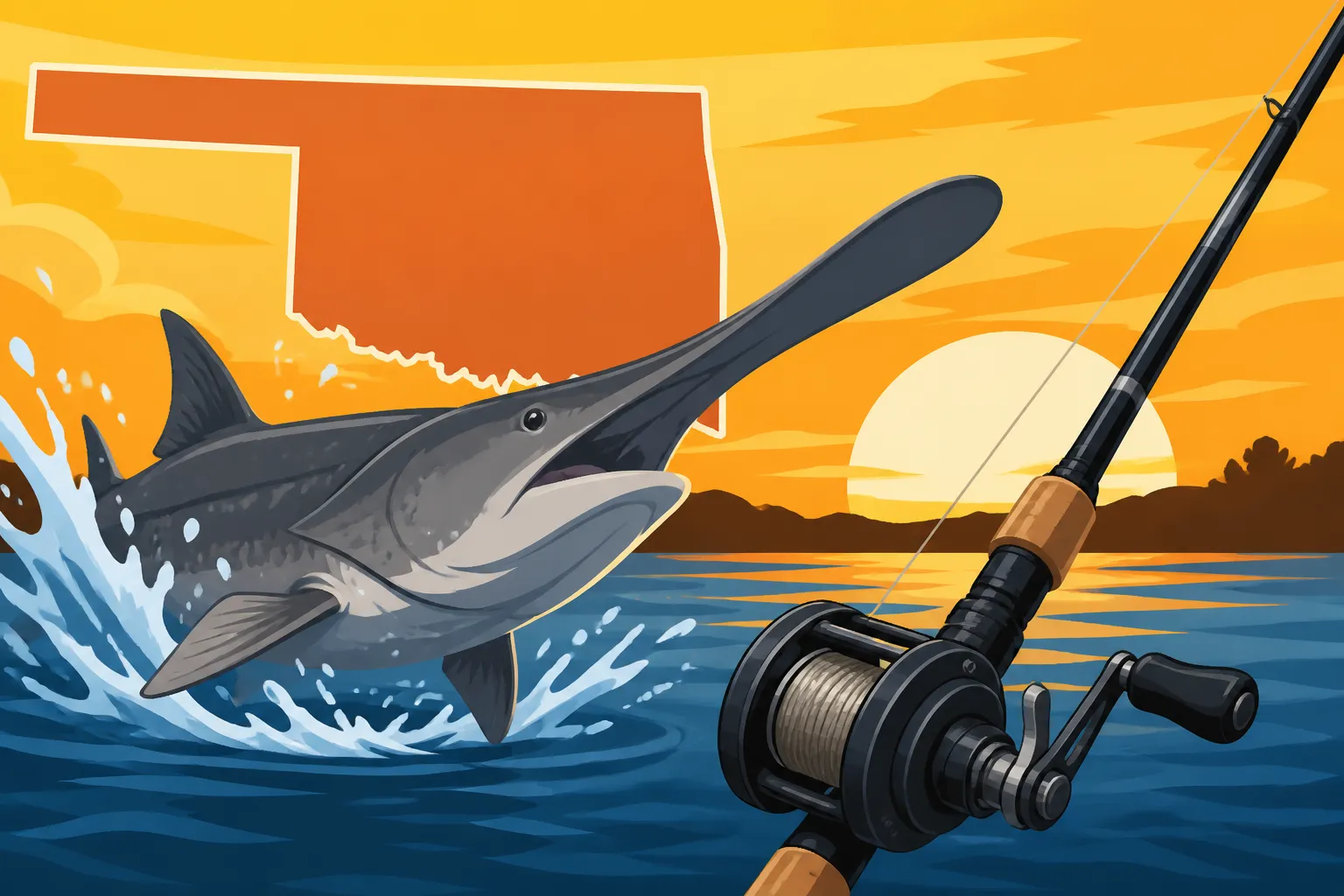
Best Rod for Paddlefish Snagging on Grand Lake
There’s nothing quite like the thrill of paddlefish snagging on Grand Lake, but let’s be honest, it can also be a seriously frustrating endeavor if you’re not properly equipped. Many anglers arrive with a heavy-duty rod, thinking any stout stick will do, only to find themselves struggling to cast the heavy weights needed or losing a monster paddlefish because their gear just wasn't up to the task. This guide is all about cutting through that confusion, helping you understand exactly what makes a rod perfect for paddlefish snagging on Grand Lake, ensuring your next trip is filled with hook-ups and successful landings instead of snapped lines and disappointment.
Why a Specific Rod Matters for Paddlefish Snagging
You might be thinking, "A rod's a rod, right? As long as it's strong, I'm good." Oh, my friend, for paddlefish snagging, that couldn't be further from the truth. These aren't your average panfish, and the technique itself demands a very particular kind of backbone and sensitivity that most general-purpose heavy rods simply don't possess.
The Brutal Demands of Snagging
Imagine casting a lead weight that can easily weigh 8, 10, or even 12 ounces – that’s nearly a pound of dead weight you’re flinging out there, often repeatedly, across vast expanses of water. Now, picture that weight snagging into the thick hide of a prehistoric fish that can grow to over 100 pounds and possesses an incredible will to fight. It's a brutal, high-impact sport, and your rod is the primary connection to all that power. A weak rod will buckle under the strain of casting, lack the leverage to properly set a massive treble hook, and certainly won't stand up to the thrashing fight of a giant paddlefish trying to shake free. This isn't just about reeling them in; it's about controlling them, turning their head, and guiding them to the net. The entire process, from the forceful cast to the dramatic fight, puts immense stress on every part of your rod. Without the right gear, you'll be fighting your equipment more than the fish, which is a battle you're bound to lose.
Not Just Any Heavy-Duty Rod Will Do
Many anglers mistakenly grab their favorite surf fishing rod or a beefy catfish rod, assuming "heavy" means "good enough." While those rods are certainly designed for big fish and heavy weights, they often lack the specific combination of power, action, and length crucial for effective paddlefish snagging. A surf rod, for example, might have the casting power but could be too "whippy" or have too slow of an action to deliver that sharp, instantaneous hookset you need with a massive treble hook. Similarly, some heavy catfish rods, while strong, might be shorter than ideal or have a more moderate action designed for bait fishing, which is a totally different game than actively snagging a moving fish. You need a rod that can load up smoothly for those heavy casts, snap back quickly to drive those hooks home, and then provide unwavering power to haul in a true river monster. For a deeper dive into all the essential components of your rig, check out our guide on What Gear Do You Need for Paddlefish Snagging in Oklahoma.
Key Rod Characteristics for Grand Lake Paddlefish
So, what exactly should you be looking for? It boils down to a few critical characteristics that work together to create the ultimate paddlefish snagging machine. Think of it like building a specialized tool – each part has a specific job, and they all need to be top-notch.
Power: The Backbone of Your Setup
When we talk about "power" in a fishing rod, we're referring to its lifting strength or its resistance to bending. For paddlefish snagging, you absolutely need a rod with extra-heavy power. Anything less, and you'll find yourself undergunned. A heavy power rod might handle the cast, but when you hook into a truly big paddlefish – say, one pushing 50, 70, or even 100 pounds – that rod is going to bend in half, robbing you of control and making it nearly impossible to turn the fish or pump it to the surface.
An extra-heavy power rod, on the other hand, provides the raw strength to cast those absurdly heavy weights (often 8-12 ounces) without feeling like your rod is going to snap on every retrieve. More importantly, it gives you the leverage and backbone necessary to subdue a massive fish. When you feel that characteristic "thump" of a paddlefish, you need to be able to lean into the rod and drive those large treble hooks deep. An extra-heavy rod lets you do that with authority. It's the difference between merely holding on and actually dictating the fight.
Action: Fast vs. Moderate
Rod "action" describes where the rod bends along its length when pressure is applied. For paddlefish snagging, you want a rod with a fast or extra-fast action. This means the rod bends primarily in the upper third or quarter of its blank, leaving the rest of the rod relatively stiff. Why is this so important?
Firstly, it’s about hooksetting power. When you feel that bump, you need to react instantly and forcefully. A fast action allows for a quick, powerful snap of the rod tip, transferring maximum energy to your treble hook and driving it home effectively. A moderate action rod, which bends more towards the middle, would absorb too much of that force, resulting in missed hooksets or shallow penetrations that can easily pull out during the fight. Secondly, a fast action provides excellent sensitivity. Even though you’re dealing with heavy weights, feeling that subtle brush or "thump" of a paddlefish is key to knowing when to set the hook. A stiff, fast tip transmits those vibrations directly to your hand, giving you that split-second advantage.
Length: Getting Maximum Leverage
Paddlefish rods are almost universally long, typically ranging from 8 feet to as much as 10 or even 12 feet. This isn't just for show; it serves several crucial purposes. First and foremost, a longer rod dramatically increases your casting distance. When you're trying to cover vast areas of Grand Lake and reach those deeper channels where paddlefish congregate, every extra foot of cast counts. Many anglers fishing from the bank, particularly during the peak Paddlefish Snagging Season in Oklahoma, will appreciate the ability to throw their heavy rigs further out.
Secondly, and perhaps even more important once you've hooked a fish, length provides leverage. A longer rod acts as a bigger lever, giving you more control over a large, powerful paddlefish during the fight. It allows you to lift their head more effectively, steer them away from obstacles, and maintain constant pressure. This is especially vital when you're battling a fish in strong currents or trying to bring it up from deep water. For a comprehensive overview of the technique, be sure to check out How Does Paddlefish Snagging Work in Oklahoma.
Construction and Components: Durability is Key
Given the immense forces involved, the quality of your rod's construction and components cannot be overlooked.
- Material: Most serious snagging rods are made from a blend of fiberglass and graphite (composite) or pure fiberglass. Fiberglass offers incredible durability and a more parabolic bend under extreme load, making it very forgiving. Graphite can be lighter and more sensitive but might be more brittle under the shock of a heavy snagging cast or direct impact. A good composite blend often provides the best of both worlds – strength, sensitivity, and resilience.
- Reel Seat: This needs to be rock-solid. A heavy baitcasting reel loaded with 80-100+ pound braided line will exert incredible torque. Look for a heavy-duty, reinforced reel seat, often made of aluminum or stout graphite with locking nuts, to ensure your reel stays securely in place. You don't want your reel wobbling or, worse, coming loose in the middle of a fight.
- Guides: The guides on your rod are crucial for handling heavy line and preventing friction. They should be robust, typically stainless steel with ceramic or aluminum oxide inserts. Larger guides are often preferred, especially near the tip, to allow for the free flow of heavy braided line and the passage of leader knots. Pay attention to how many guides are on the rod; more guides distribute stress more evenly along the blank, which is a big plus for fighting big fish.
- Handle: A long, comfortable handle is non-negotiable. You’ll be making two-handed casts with heavy weights, and you’ll need both hands to pump and fight a big paddlefish. The handle should extend well past your elbow, often 20-24 inches or more. EVA foam or cork are common materials, but the key is that it provides a secure, comfortable grip, even when wet, and is long enough to tuck under your arm for leverage during those drawn-out battles.
Top Rod Types and Considerations for Grand Lake
Now that we know the critical features, let's talk about the specific types of rods that truly excel for paddlefish snagging on Grand Lake.
Dedicated Snagging Rods: The Best Choice
If you're serious about paddlefish snagging, investing in a rod specifically designed for it is absolutely the way to go. Brands like Ugly Stik, often found at Bass Pro Shops, or other specialized manufacturers, offer rods that are purpose-built for the unique demands of this sport. These rods typically combine an extra-heavy power with a fast action, are 8 to 10 feet long, and feature reinforced blanks, heavy-duty reel seats, and robust guides. They are designed to withstand the violent casting of heavy weights and the intense battles with massive fish.
These specialized rods often have oversized handles with dense foam grips, perfect for two-handed casting and tucking under your arm for leverage. When you pick one up, you'll immediately feel the difference – they feel like they were forged for a specific, demanding purpose. Shopping at a store like Bass Pro Shops gives you the advantage of handling these rods, feeling their balance, and really getting a sense of their strength before you buy. If you're looking for the best possible experience and want gear that won't let you down, a dedicated paddlefish snagging rod is worth every penny. For a complete look at what your whole rig needs, take a peek at our Paddlefish Snagging Gear Guide for Grand Lake.
Heavy-Duty Catfish or Surf Rods (with caveats)
Sometimes, you might already own a rod that could potentially work in a pinch, especially if you're just starting out or only plan a casual trip. Some very heavy-duty catfish rods or strong surf rods can be pressed into service, but it's crucial to understand their limitations. A very stout catfish rod, particularly one rated for heavy weights (e.g., 8-16 ounces) and over 8 feet long, might be sufficient for smaller paddlefish or if you're not casting extreme distances. Similarly, a heavy surf rod, especially those designed for throwing heavy chunks of bait, can sometimes handle the casting load.
However, these rods often have a more moderate action, which, as discussed, can make hooksets less efficient. They might also lack the ergonomic handle length or the specific balance that a dedicated snagging rod provides. If you're going this route, scrutinize the rod's power, action, and component quality very carefully. You'll be pushing it to its absolute limits, and you might find yourself wishing you had the right tool when that 70-pound paddlefish hits. If you choose to go this route, always double-check user reviews on sites like Amazon to see if other anglers have successfully used these rods for similar heavy-duty applications. For general information on other types of fishing, you might enjoy Best Catfish Fishing Spots in Oklahoma.
What to Look for in the Store
When you’re at a sporting goods store, or even just researching online, here’s how to evaluate a rod for paddlefish snagging:
- The Wiggle Test: Pick up the rod, hold it by the handle, and give it a gentle shake. You want to feel a relatively stiff backbone with a fast, responsive tip. If the rod bends significantly through its middle with just a little shake, it might be too moderate in action for effective snagging.
- Reel Seat Check: Mount a heavy reel (or imagine one) onto the rod. Wiggle it. Does it feel secure? Are the locking nuts easy to tighten down? A cheap or flimsy reel seat is a major red flag.
- Handle Length and Comfort: Hold the rod as if you’re casting or fighting a fish. Can you comfortably use both hands? Does the butt of the rod extend far enough to brace against your body for leverage?
- Component Inspection: Run your fingers over the guides. Are they smooth and securely attached? Are there any visible cracks or loose inserts? Check the winding wraps around the guides – they should be tight and free of frayed edges.
- Read the Ratings: Pay close attention to the manufacturer's suggested line and lure (or weight) ratings printed on the rod. For paddlefish, you'll want a rod that comfortably handles at least 8 ounces, and preferably up to 12 ounces or more, with heavy braided line.
Matching Your Rod with the Right Reel and Line
Your rod is only one part of the equation. To truly dominate the paddlefish on Grand Lake, your rod needs to be perfectly complemented by your reel and line. Think of them as a unified system, where each component supports the others to withstand extreme forces.
Reel Requirements for Snagging
For paddlefish snagging, you'll typically be looking at either heavy-duty baitcasting reels (often round baitcasters) or large, robust spinning reels. The key characteristics are:
- High Line Capacity: You need to hold a lot of heavy braided line. Paddlefish can make blistering runs, and you want enough line on the spool to let them go if necessary without getting spooled. A reel capable of holding at least 250-300 yards of 80lb braided line is a good starting point.
- Strong Drag System: This is non-negotiable. A paddlefish will test your drag to its limits. Look for a reel with a smooth, consistent drag that can generate significant pressure – at least 20-30 pounds of maximum drag is ideal. A jerky or inconsistent drag will lead to snapped lines and lost fish.
- Durable Gearing: The internal gears need to be robust enough to withstand the immense pressure of cranking in heavy weights and fighting powerful fish. Brass or stainless steel gears are preferred.
- Comfortable Handle and Knob: You'll be reeling, setting hooks, and fighting hard. A large, ergonomic handle and knob will reduce fatigue and provide a better grip.
Many anglers lean towards heavy-duty baitcasting reels for their raw power and control, especially when casting heavier weights. However, some prefer large spinning reels for their ease of casting and lack of backlash issues. Ultimately, it comes down to personal preference, but the core requirements remain the same: power, capacity, and a bulletproof drag.
Line Strength and Type
When it comes to line for paddlefish snagging, there's really only one choice: braided line. Monofilament and fluorocarbon lines simply do not possess the necessary strength, abrasion resistance, and low stretch required for this demanding technique.
- Breaking Strength: You'll want heavy braided line, typically in the 80 to 100-pound test range, or even higher for truly monstrous fish or snag-infested areas. This might sound like overkill, but remember you're not trying to fool a wary bass; you're trying to snag a powerful fish with a large treble hook and then haul it in. The line has to endure incredible stress.
- Abrasion Resistance: Paddlefish often inhabit areas with rocky bottoms and submerged timber. Braided line offers superior abrasion resistance compared to mono or fluoro, giving you a better chance if your line scrapes against something during the fight.
- Low Stretch: This is critical for effective hooksets. Braided line has virtually no stretch, meaning when you snap that rod to set the hook, almost all of that energy is transferred directly to the treble hooks. This results in much deeper and more secure hook penetrations, greatly reducing the chances of a paddlefish shaking free. For more on what hooks to use, see Best Treble Hook Size for Paddlefish Snagging.
| Rod Characteristic | Ideal for Paddlefish Snagging | Why It Matters |
|---|---|---|
| Power | Extra-Heavy | Essential for casting heavy weights (8-12+ oz) and controlling large, powerful fish. |
| Action | Fast to Extra-Fast | Provides quick, strong hooksets with large treble hooks; enhances sensitivity. |
| Length | 8-10+ feet | Maximizes casting distance and leverage during the fight. |
| Material | Composite or Fiberglass | Offers superior durability and resilience against extreme forces. |
| Reel Seat | Heavy-Duty, Reinforced | Prevents reel wobble and ensures secure attachment of powerful reels. |
| Guides | Robust, Large | Reduces friction, handles heavy braided line, and distributes stress evenly. |
| Handle | Long, Ergonomic | Allows for two-handed casting and provides crucial leverage during battles. |
Getting your rod, reel, and line in sync is what truly prepares you for the challenge of How Big Do Paddlefish Get in Oklahoma. A weak link in this chain can quickly turn a potential trophy into a heartbreaking story of "the one that got away." Do yourself a favor and prepare your gear right before heading out to Grand Lake. A great place to start planning is with our Paddlefish Snagging Gear Checklist for Grand Lake.
Disclaimer
This article is for general informational purposes only and does not constitute professional advice. Laws, prices and regulations vary by location and change over time. Consult a qualified professional for guidance on your specific situation.