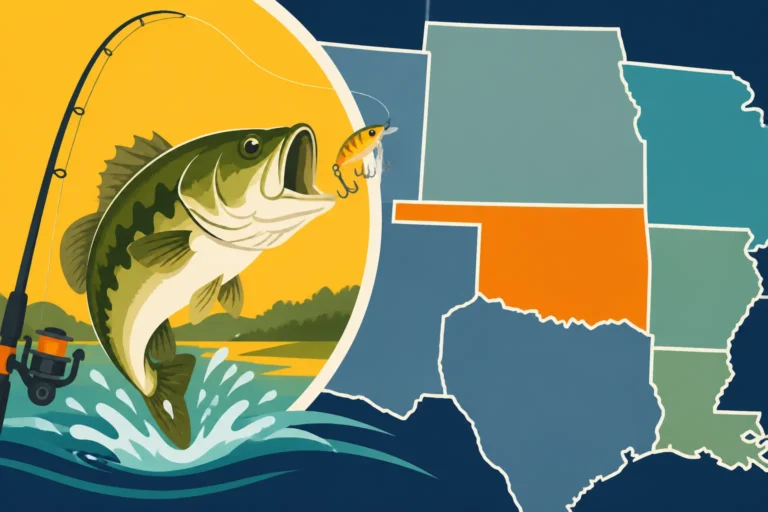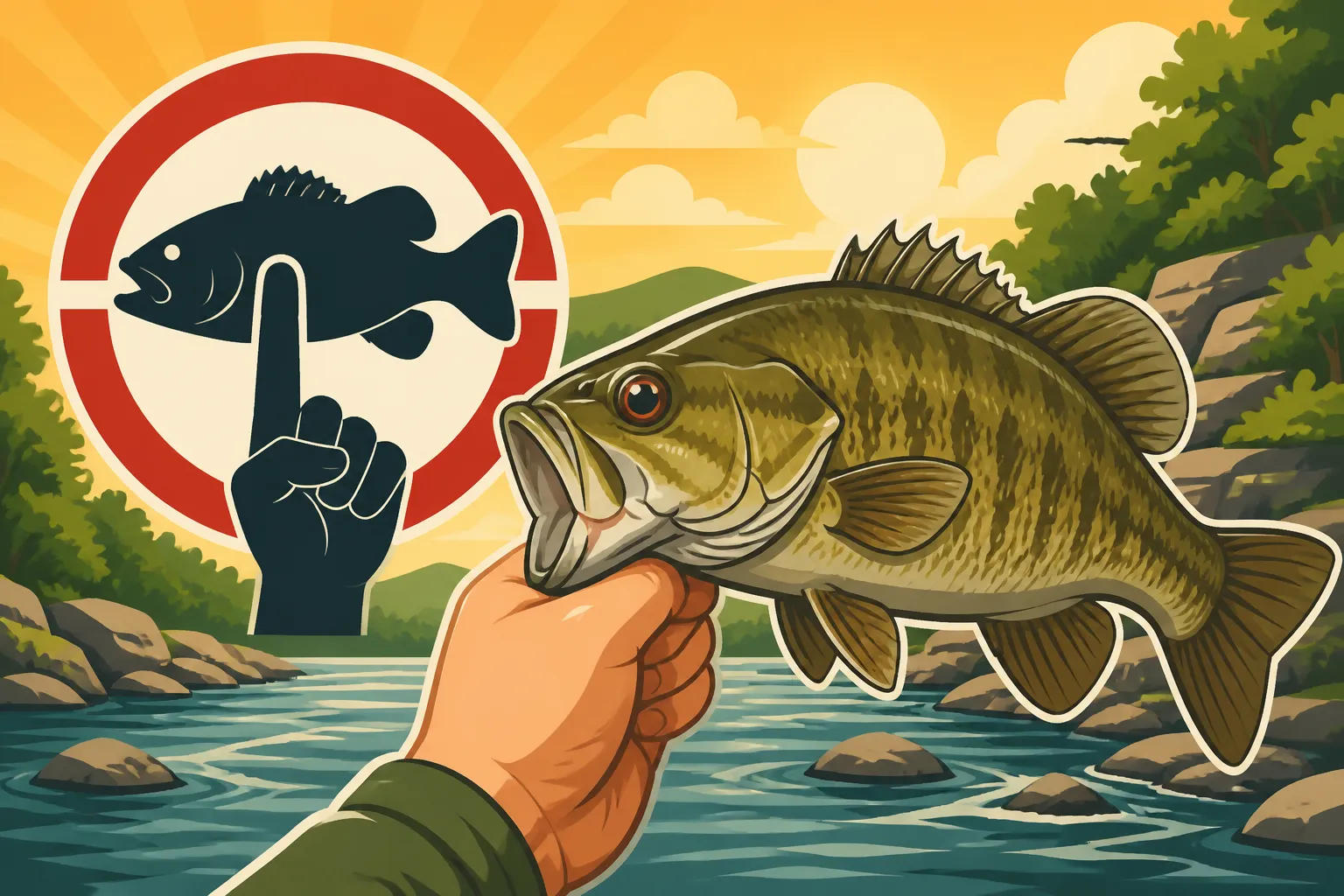
Only One Smallmouth Bass a Day in Oklahoma Rivers
It can be incredibly frustrating to keep all the fishing regulations straight, especially when you're just trying to enjoy a peaceful day on the water in Oklahoma. You might think you've got the general bass limits down, but then you hear whispers about specific rules for rivers and streams that throw a wrench in your plans. This guide is here to untangle the specifics of one such critical regulation: the unique daily limit for smallmouth bass caught in Oklahoma's flowing waters, ensuring you fish legally and responsibly.
Understanding the Unique Smallmouth Bass Limit in Oklahoma Rivers
When you're out fishing Oklahoma's beautiful rivers and streams, you're not just casting for any bass; you're often targeting a truly special fish, the smallmouth bass. But because these fish have particular needs and their populations can be sensitive, the Oklahoma Department of Wildlife Conservation (ODWC) has put some very specific rules in place. It's not enough to know the statewide bass limits, because river smallmouth have their own set of guidelines.
The Specific Regulation for Smallmouth Bass
Let's cut right to it: in Oklahoma rivers and streams, the daily limit for smallmouth bass is one fish. That's right, just one. This might seem incredibly restrictive, especially if you're used to the more generous limits for largemouth or spotted bass in lakes. But this isn't an arbitrary rule; it's a carefully considered measure to protect a species that thrives in these unique environments. This limit applies to all smallmouth bass caught in flowing waters across the state, ensuring that their populations remain healthy and sustainable for future generations of anglers. You can dive deeper into the overarching rules by checking out the guide on Oklahoma's Bass Fishing Rules and Limits.
The thought of catching a second beautiful smallie and having to release it can sting a little, but understanding the why behind the rule makes it easier to accept. These aren't pond fish; they're river fish, and their ecosystems are often more fragile. So, while you might hook into multiple smallmouth in a day, only one can come home with you. This strict adherence to the one-fish limit is vital for conservation, allowing more fish to reproduce and grow. It reinforces the idea that some fishing experiences are more about the thrill of the catch and the beauty of the fish than about filling a cooler.
Where This Rule Applies: Rivers and Streams vs. Lakes
It’s crucial to understand the distinction between rivers and streams, and the larger reservoirs or lakes. This one-smallmouth-a-day rule applies specifically to Oklahoma's rivers and streams. This means if you're wading a clear, rocky river like the Illinois River, the Mountain Fork River, or even a smaller creek that feeds into a larger body of water, this rule is in effect. The habitat in these flowing waters is typically where smallmouth bass naturally thrive, seeking out rocky bottoms and current to ambush prey.
However, if you're fishing on one of Oklahoma's major impoundments or lakes, the general statewide bass limits usually apply. For example, on a large lake, the combined daily limit for black bass (largemouth, smallmouth, and spotted bass) is typically six fish, with specific size restrictions depending on the lake. This differentiation is a key source of confusion for many anglers. The ODWC recognizes that smallmouth populations behave differently in lakes, where they are often stocked or less dominant than largemouth, compared to their native riverine habitats. The guide on Why River Bass Limits Differ From Lake Limits in Oklahoma offers a broader perspective on these differences. Always double-check the current regulations for the specific body of water you plan to fish, as rules can vary and even be lake-specific.
The 14-Inch Minimum Size Limit Alongside the Daily Bag
Adding another layer to the smallmouth bass regulation in Oklahoma's rivers and streams is the minimum size limit. Not only are you restricted to keeping just one smallmouth bass per day, but that single fish must be at least 14 inches long. This means if you catch a smallmouth that's less than 14 inches, it doesn't count as your "one fish" for the day, but you still must immediately release it, unharmed. You then still have the opportunity to catch and keep one legal-sized smallmouth.
This 14-inch minimum size limit is a common conservation tool used to ensure that fish have at least one opportunity to spawn before being removed from the population. For smallmouth bass, which are known for their slower growth rates compared to largemouth, allowing them to reach a certain size helps maintain healthy breeding stocks. It’s important to have a reliable measuring device with you – a simple measuring board or even a sticker on your fishing rod can save you a lot of headache. Imagine landing a beautiful 13.5-inch smallie, only to realize you have to let it go, and you still haven't filled your one-fish quota. It’s a moment that teaches patience and respect for the regulations. For a full breakdown of specific length rules, see The 14-Inch Minimum for River and Stream Bass.
Why Oklahoma Protects River Smallmouth Bass So Strictly
It’s easy to feel like regulations are just there to make fishing more complicated, but for a species like the smallmouth bass in Oklahoma's rivers, these rules are crucial. The stringent one-fish, 14-inch minimum limit isn't about hindering your fun; it's a proactive measure rooted in science and conservation, aiming to preserve these incredible fish and their unique habitats for generations to come.
Smallmouth Bass: A Native Gem with Unique Habitat Needs
Unlike their widespread largemouth cousins, smallmouth bass are often considered more specialized in their habitat preferences. In Oklahoma, they are native to certain clear, cool, rocky rivers and streams, primarily in the eastern part of the state. They thrive in flowing water with plenty of submerged structure like boulders, ledges, and fallen timber, where they can ambush prey and find refuge from strong currents. These river environments are distinct from the murkier, warmer, and often more uniform conditions found in many large reservoirs.
Because their preferred habitats are more specific and often more susceptible to environmental changes (like siltation, pollution, or fluctuating water levels), smallmouth populations can be more vulnerable. They also tend to grow slower than largemouth bass, meaning it takes longer for them to reach reproductive maturity and larger sizes. This slower growth rate and reliance on specific riverine conditions make them particularly sensitive to overfishing. If anglers consistently remove larger, older smallmouth from these populations, it can significantly impact the species' ability to reproduce and maintain stable numbers. The ODWC's strict regulations acknowledge these biological realities, giving smallmouth bass the best possible chance to flourish in their native river homes.
The Impact of Angler Pressure and Conservation Efforts
Let's be honest: smallmouth bass are an absolute blast to catch. They're aggressive, fight hard, and are often found in stunning, scenic river settings. This makes them highly sought-after by anglers, leading to significant fishing pressure, especially in easily accessible river stretches. Without careful management, this intense pressure could quickly deplete smallmouth populations, impacting the overall health of the river ecosystem. The "one smallmouth bass a day" rule is a direct response to this potential for overfishing.
It's part of a broader conservation strategy by the ODWC to ensure sustainable fisheries. By limiting the harvest, the department aims to maintain a healthy age and size structure within the smallmouth population. This means there are enough mature fish to spawn successfully each year, and a good mix of smaller, growing fish coming up through the ranks. Anglers themselves play a critical role in these conservation efforts. Practicing catch-and-release, especially for any fish beyond your daily limit or those under the minimum size, is essential. Think of it as investing in future fishing trips—the more fish you release, the more fish there will be to catch later! Many avid smallmouth anglers voluntarily release all their catches, understanding the delicate balance of these river ecosystems.
How Regulations Support Sustainable Smallmouth Populations
These specific regulations are not just about limiting catches; they are a cornerstone of fisheries management designed to promote long-term sustainability. By allowing only one smallmouth over 14 inches to be kept per day, the ODWC aims to:
- Protect Spawners: The 14-inch minimum ensures that most smallmouth bass have at least one or more opportunities to reproduce before they can be legally harvested. This is vital for maintaining genetic diversity and robust spawning classes.
- Maintain Age Structure: Preventing the removal of too many large, older fish helps keep a natural age structure in the population. Larger, older fish often contribute more to spawning success and can pass on valuable survival traits.
- Reduce Angler Impact: The low daily bag limit reduces the overall number of smallmouth removed from the system, spreading the harvest across more anglers and reducing the impact on localized populations.
Without these thoughtful rules, it's highly probable that Oklahoma's river smallmouth populations would face significant decline, much like what has happened in other states that didn't implement proactive measures. So, while it might sometimes feel restrictive, remember that every regulation, especially one so specific to a species and its habitat, is designed with the fish's well-being and the future of your fishing opportunities in mind. Understanding the broader Fishing Regulations You Need to Know in Oklahoma can help you appreciate the specific intent behind each rule.
Identifying Smallmouth Bass to Stay Compliant
One of the biggest challenges for anglers, especially those new to river fishing in Oklahoma, is accurately identifying the type of bass they’ve caught. In many rivers, it's common to catch largemouth, spotted, and smallmouth bass all in the same outing. Misidentifying a bass could lead to inadvertently violating the one-smallmouth-a-day rule, which no one wants to do. Knowing the key visual differences is absolutely essential.
Key Visual Cues to Differentiate Smallmouth
Smallmouth bass (Micropterus dolomieu) have several distinct features that set them apart from their largemouth (Micropterus salmoides) and spotted bass (Micropterus punctulatus) cousins. Here's what to look for:
- Coloration: Smallmouth typically have a bronze, brown, or golden-green body with vertical bars or mottling along their sides. This often gives them a "tiger stripe" appearance. Largemouth are usually darker green with a prominent horizontal stripe, while spotted bass often have rows of dark spots below their lateral line.
- Mouth Size: This is a big one, as their name suggests! For a smallmouth, when its mouth is closed, the jawline generally does not extend past the back of the eye. For a largemouth, the jawline clearly extends past the back of the eye. Spotted bass have a jaw that ends roughly under the back of the eye, similar to a smallmouth, which is where the confusion often begins.
- Dorsal Fins: Smallmouth bass have connected dorsal fins, and while there might be a slight dip, the two parts are clearly joined. Largemouth bass have a distinctly separated dorsal fin, almost looking like two different fins. Spotted bass also have connected dorsal fins, making this a less reliable differentiator from smallmouth.
- Eye Color: Smallmouth often have reddish eyes, which can be a subtle but helpful clue.
- Scales on Cheek: This is a technical but very reliable way to tell spotted bass from smallmouth. If you run your finger forward from the back of the gill plate onto the cheek, a smallmouth will generally have smaller scales, appearing smoother. A spotted bass will have a patch of rougher, noticeably larger scales on its cheek, extending further forward than a smallmouth.
Here’s a quick comparison to help you visually differentiate:
| Feature | Largemouth Bass | Smallmouth Bass | Spotted Bass |
|---|---|---|---|
| Coloration | Dark green, prominent horizontal stripe | Bronze/brown with vertical bars/mottling | Greenish, rows of spots below lateral line |
| Jaw Extension | Extends past back of eye | Does not extend past back of eye | Ends under or slightly before back of eye |
| Dorsal Fins | Deeply notched, nearly separated | Connected, slight dip | Connected, slight dip |
| Cheek Scales | Uniform, small | Uniform, small | Patch of larger scales near eye |
| Eye Color | Often dark | Often reddish | Dark |
This table provides a quick reference, but nothing beats hands-on experience and a good fish identification guide. You can find more detailed identification tips in our posts like Largemouth vs Smallmouth vs Spotted Bass: How to Tell Oklahoma's Bass Apart and Smallmouth Bass vs Spotted Bass: Key Differences.
What to Do if You Accidentally Catch a Second Smallmouth
It happens to the best of us: you've already kept your one legal smallmouth for the day, or perhaps you're still looking for one over 14 inches, and you hook into another beautiful smallie. What do you do? The rule is clear: immediately release it, unharmed.
This means you need to be prepared for responsible catch-and-release. Have your pliers or forceps ready to quickly remove the hook. Minimize air exposure as much as possible, especially in warmer weather. If the fish is hooked deeply or bleeding, cut the line as close to the hook as you can rather than trying to rip the hook out, which could cause further damage. Gently lower the fish back into the water and allow it to recover before letting it go. It might need a moment to reorient itself, so hold it upright in the water until it swims away under its own power. Some anglers even recommend carrying a small, soft-rubber net (like those you can find on Amazon) to help handle fish gently, reducing stress and injury during the release process. Being prepared for this scenario is a sign of a responsible angler who respects the regulations and the fish.
Essential Gear for Responsible River Bass Fishing
Having the right gear isn't just about catching fish; it's about fishing responsibly and within the law. For river smallmouth fishing in Oklahoma, a few pieces of equipment are absolutely essential:
- Measuring Device: As mentioned, a reliable ruler or measuring tape is non-negotiable. Many fishing boats have rulers built-in, but for bank or wading anglers, a flexible tape measure or a marked fishing net handle will do the trick. You can find excellent, durable options that attach to your vest or belt on Amazon.
- Hook Removal Tools: Pliers, forceps, or a de-hooking tool are crucial for quickly and safely removing hooks, especially when practicing catch-and-release. Long-nose pliers are great for getting into tight spots.
- Appropriate Rod and Reel: While not directly related to compliance, a properly matched rod and reel combo helps you fight fish effectively without over-stressing them, allowing for a healthier release. For smallmouth, a medium-light to medium action spinning rod with 6-10 lb test line is often ideal. Check out our guide on Best Rods and Reels for Oklahoma Fishing for recommendations.
- Fishing License: This should go without saying, but always ensure you have your current Oklahoma fishing license with you, whether in physical form or digitally on your phone. Ignoring this basic requirement can lead to hefty fines, as detailed in Penalties for Fishing Without a License in Oklahoma.
- Knowledge of Regulations: Perhaps the most important "gear" is a thorough understanding of the regulations. Keep a copy of the current Oklahoma Fishing Guide (available online through the ODWC website or in print at many sporting goods stores) handy.
By having these tools and knowledge at your disposal, you can confidently enjoy your river smallmouth adventures, knowing you're adhering to the rules and doing your part for conservation.
Navigating the Broader Bass Regulations in Oklahoma's Rivers and Streams
The one-smallmouth-a-day rule is a cornerstone for river anglers, but it doesn't exist in a vacuum. Understanding how it fits into the larger framework of black bass regulations in Oklahoma's flowing waters is crucial for a complete and compliant fishing experience. Many anglers get tripped up thinking all bass in rivers follow the same rules, but that's simply not the case.
Contrasting Smallmouth Rules with Largemouth and Spotted Bass Limits
While smallmouth bass in Oklahoma's rivers and streams are under the strict one-fish, 14-inch minimum daily limit, their black bass cousins – the largemouth and spotted bass – usually fall under different rules when caught in these same waters. Typically, for largemouth and spotted bass in rivers and streams, the statewide combined daily bag limit of six fish applies, with a 14-inch minimum size limit for all black bass.
This means you could, in theory, keep one 14-inch-plus smallmouth, and then five more largemouth or spotted bass (also 14 inches or longer), for a total of six black bass. However, some specific rivers or stream sections might have unique regulations that deviate from this general rule, so always consult the ODWC's current fishing regulations for the precise waterbody you're targeting. The key takeaway is that the smallmouth bass is singled out for more stringent protection due to its unique ecology and vulnerability in river environments. It underscores the importance of correctly identifying your catch before deciding to keep it. The guide on Black Bass Rules for Oklahoma Rivers and Streams offers a detailed look at these nuanced regulations.
Common Misconceptions About River Bass Limits
Anglers often make assumptions about fishing rules, especially when moving between different types of water bodies. Here are some common misconceptions about bass limits in Oklahoma's rivers and streams:
- "All bass in rivers have a 14-inch minimum.": This is partially true but misleading. While largemouth and spotted bass in rivers do have a 14-inch minimum in most cases, the smallmouth not only has that minimum but also the one-fish daily limit. The nuance is critical.
- "The statewide 6-fish bass limit applies to all river bass.": Again, partially true, but with a major caveat for smallmouth. You can keep a total of six black bass from rivers, but only one of them can be a smallmouth, and all must meet the 14-inch minimum size.
- "Catching and releasing a short smallmouth counts as your one fish.": Absolutely not! If a smallmouth bass caught in a river or stream is under 14 inches, you must release it immediately. It does not count towards your one-fish daily limit, and you still have the opportunity to legally keep one smallmouth of 14 inches or greater.
These subtle differences can lead to big problems if not properly understood. Always err on the side of caution, and if in doubt about the identity or legal status of a fish, release it. Many excellent resources, including laminated field guides that can be purchased from retailers like Amazon, can help you quickly identify fish streamside.
Enforcement and Consequences of Violating Bass Regulations
Oklahoma Game Wardens are highly trained and dedicated professionals who patrol the state's waterways, including its rivers and streams. They are well-versed in fish identification and the intricate details of all fishing regulations. Make no mistake: these rules are enforced. A quick check of your cooler or livewell, or simply observing your fishing practices, is all it takes for a warden to determine compliance.
Violating fishing regulations, such as keeping more than one smallmouth bass from a river or keeping an undersized fish, can lead to serious consequences. These typically include:
- Fines: Monetary penalties can be substantial, ranging from hundreds to even thousands of dollars, depending on the severity and number of violations.
- License Suspension/Revocation: Your fishing license could be suspended or even permanently revoked, preventing you from legally fishing in Oklahoma for a period of time.
- Confiscation of Equipment: In some cases, your fishing gear, including rods, reels, and even your boat, could be confiscated.
- Criminal Charges: Severe or repeated violations can result in misdemeanor charges, which can carry further legal implications beyond just fishing.
The consequences far outweigh any perceived benefit of bending the rules. Game Wardens are there to protect the resource and ensure fair play for all anglers. They are also excellent sources of information. If you're ever unsure about a regulation while on the water, you can often approach a warden for clarification. They'd much rather educate an angler than write a citation. Always ensure you are familiar with Fishing License Requirements in Oklahoma and other crucial rules before heading out.
Disclaimer
Please remember that fishing regulations are subject to change. While every effort has been made to provide accurate and up-to-date information in this guide, it is ultimately the angler's responsibility to consult the current Oklahoma Fishing Regulations Guide published by the Oklahoma Department of Wildlife Conservation (ODWC) before heading out. This guide is for informational purposes only and should not be considered a substitute for the official regulations.