Tenkiller Lake’s 10-Inch Crappie Minimum
It's frustrating when you head out for a relaxing day of crappie fishing, only to realize the rules for your chosen lake are a little different from what you're used to. Many Oklahoma anglers, especially those new to the area or just visiting, often get caught off guard by specific local regulations that deviate from the statewide limits. This guide is here to clear up any confusion around Tenkiller Lake's unique 10-inch crappie minimum, ensuring your next trip is both successful and fully compliant with the law.
Understanding the Tenkiller Lake Crappie Rule
Tenkiller Ferry Lake, or simply Tenkiller, is one of Oklahoma's most beautiful and popular fishing destinations, nestled in the Cookson Hills. But it's also one of those lakes that has specific regulations designed to protect its unique fishery. While many anglers know the general rules, these special exceptions can sometimes be missed, leading to an unwanted encounter with a game warden.
Why the 10-inch Minimum Exists
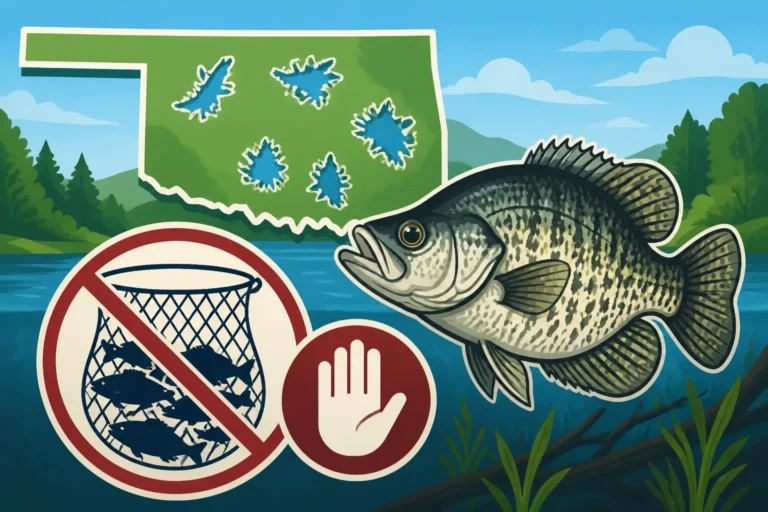
The 10-inch minimum length limit for crappie on Tenkiller Lake isn't just an arbitrary number; it's a carefully considered management strategy implemented by the Oklahoma Department of Wildlife Conservation (ODWC). The primary goal behind such a rule is to enhance the quality of the crappie fishery over time. By requiring anglers to release crappie under 10 inches, the department aims to:
- Protect Juvenile Fish: It gives younger crappie a chance to grow larger, contributing to a more robust and sustainable population. This is particularly important in lakes like Tenkiller, which experience significant fishing pressure.
- Improve Spawning Success: Allowing more crappie to reach sexual maturity and spawn at least once or twice before being harvested helps ensure future generations of crappie. When smaller fish are kept, it can impact the overall reproductive potential of the lake.
- Increase Average Fish Size: Ultimately, anglers want to catch bigger fish. By protecting the smaller crappie, the rule helps to increase the average size of the crappie available for harvest, making for a more rewarding fishing experience for everyone. This is a common strategy, as seen in other lakes that have similar protective measures, like those mentioned in the article on Stricter Crappie Limits at Six Oklahoma Lakes.
How it Differs from Statewide Limits
When you're out fishing in Oklahoma, it's easy to assume that one set of rules applies everywhere. However, that's simply not the case, and crappie limits are a prime example. For most bodies of water across the state, the standard statewide crappie bag limit is pretty generous. Generally, anglers can keep up to 37 crappie per day, with no minimum length limit, as long as they adhere to the overall daily creel limit for all forked-tail species. You can find more details about these general rules in our comprehensive guide on Oklahoma Statewide Crappie Bag Limit.
But Tenkiller, along with a few other select lakes, operates under a different set of guidelines specifically for crappie. Instead of the "no minimum length" rule, Tenkiller Lake has a strict 10-inch minimum length limit. This means any crappie you catch that measures under 10 inches from the tip of its snout to the end of its tail must be immediately released back into the water. This is a crucial distinction that can easily trip up even experienced anglers if they're not aware. It also impacts how many crappie you can actually keep, because while the statewide daily bag limit of 37 still technically applies, every single one of those crappie must meet the 10-inch minimum.
What it Means for Your Catch
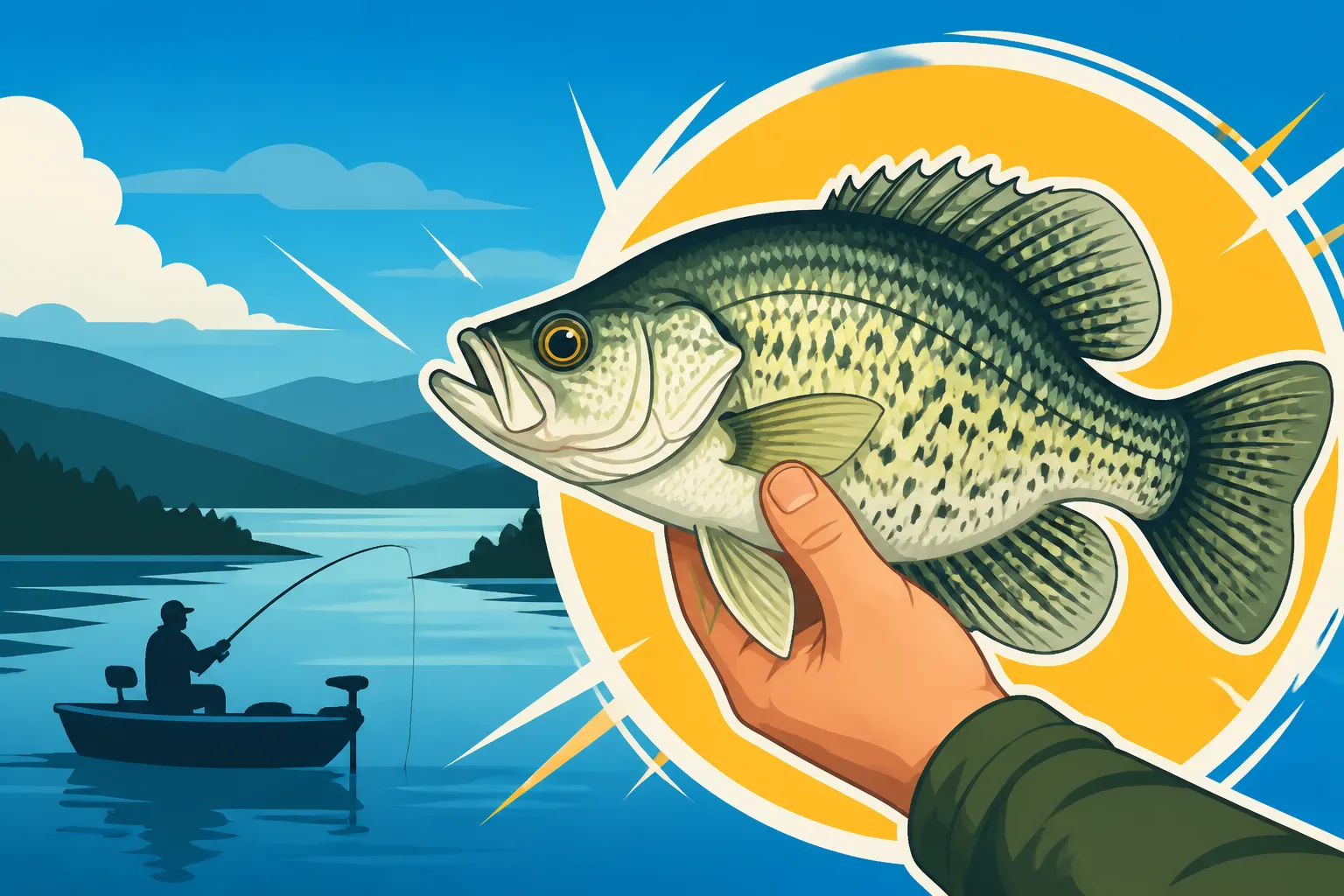
This 10-inch minimum length limit has some very direct implications for how you fish and what you can bring home from Tenkiller Lake. First and foremost, you absolutely need a reliable measuring device. Forget "eyeballing it" or estimating; that's a recipe for a potential citation. Whether it's a bump board, a flexible measuring tape you picked up on Amazon, or even a sticker on your boat, having an accurate way to measure every single crappie you catch is non-negotiable.
Secondly, it means you'll likely be doing a lot more catch-and-release than you might be used to, especially if you're hitting schools of smaller fish. It's not uncommon to catch dozens of crappie on Tenkiller that are just shy of that 10-inch mark. Be prepared to quickly and carefully release these fish. This also influences your fishing techniques; you might find yourself targeting areas or using baits that are more likely to attract larger crappie, rather than just focusing on quantity. You'll need to be mindful of this rule even if you're just planning on keeping a few fish for dinner. Every single fish in your livewell, cooler, or on your stringer must measure at least 10 inches.
Practical Implications for Anglers on Tenkiller
When you’re preparing for a crappie trip to Tenkiller Lake, understanding the why behind the 10-inch minimum is one thing, but knowing the how to comply is where the rubber meets the road. It’s about more than just reading the regulations; it’s about adapting your habits and gear to match the lake’s specific demands.
Measuring Your Crappie Accurately
The difference between a legal crappie and an illegal one can literally be a fraction of an inch, making accurate measurement paramount. Oklahoma uses the "total length" measurement for fish, which means from the tip of the snout to the end of the longest lobe of the tail, with the mouth closed and the tail compressed. Here's how to ensure you're doing it right:
- Dedicated Measuring Device: Don't rely on a ruler from your kitchen drawer. Invest in a proper fishing bump board or a flexible, waterproof measuring tape. Many tackle shops and online retailers like Amazon sell these specifically for anglers. A bump board is usually the easiest method, as you just place the crappie's mouth against the "bump" at the zero mark and read the length at the tail.
- Know Your Tool: Make sure you're familiar with your chosen measuring device. Is it accurate? Is it easy to read in different lighting conditions? Can you quickly measure a struggling fish?
- Practice Makes Perfect: Before you even leave the dock, take a few practice measurements on a toy fish or even a stick to get comfortable with the motion. When you're on the water, you'll want to be quick and efficient to minimize stress on the fish.
- Keep it Accessible: Store your measuring device somewhere easily reachable, like in a boat compartment, tackle box, or even clipped to your belt. You don't want to be fumbling for it when you've got a lively crappie on your line. This is a critical step, especially if you're trying to figure out How Many Crappie You Can Keep in Oklahoma under special lake rules.
Best Practices for Catch-and-Release
Since you'll likely be releasing a lot of crappie under 10 inches on Tenkiller, mastering proper catch-and-release techniques is essential for the health of the fishery. Poor handling can lead to delayed mortality, even if the fish swims away initially.
- Minimize Handling Time: The less time a crappie is out of the water, the better. Have your measuring device and camera (if you're taking a quick photo) ready to go.
- Wet Hands: Always wet your hands before touching a fish. Dry hands can remove the crappie's protective slime coat, leaving it vulnerable to infections.
- Gentle Grip: Support the fish horizontally. Avoid squeezing its belly, gills, or eyes. If you can, hold it by the lower lip or support its body underneath.
- Remove Hook Quickly: Use needle-nose pliers or a dehooking tool to remove the hook as quickly and gently as possible. If the fish is deeply hooked and removal would cause severe damage, it's sometimes better to cut the line as close to the hook as possible.
- Revive If Necessary: If a crappie seems lethargic after release, hold it gently in the water, facing into any current, and allow water to flow over its gills until it regains strength and swims away on its own.
- Barbless Hooks (Optional but Recommended): While not required, some anglers choose to use barbless hooks or crimp down the barbs on their hooks to make hook removal even easier and less damaging to the fish.
Gear Considerations for Tenkiller
The 10-inch minimum might influence some of your gear choices, especially if you're intentionally trying to avoid catching an excessive number of undersized fish.
- Bait and Lure Size: While smaller baits can still entice larger crappie, if you're consistently catching tiny crappie, you might consider upsizing your jigs or minnows slightly. Larger baits sometimes deter the smallest fish, though this isn't a foolproof method. For instance, if you're looking for Best Bait for Crappie in Oklahoma for Tenkiller, consider larger minnows or 2-inch to 3-inch soft plastics.
- Rod and Line: A light to medium-light action rod with 4-6 pound test line is usually sufficient for crappie. This setup provides enough sensitivity to feel subtle bites but also enough backbone to handle a feisty 10-inch plus crappie.
- Electronics: A good fish finder can be invaluable on Tenkiller. It helps you locate schools of crappie and identify larger fish arches, allowing you to target deeper structure where bigger crappie often reside. Features like side imaging or down imaging, often found on units by brands like Lowrance or Humminbird (available on Amazon), can reveal crucial details about submerged timber or brush piles where crappie congregate.
- Livewell or Cooler: If you plan on keeping fish, ensure your livewell is functioning properly to keep your legal crappie healthy until you're ready to head home. A cooler with ice is also an option for immediate harvest.
Navigating Tenkiller Lake's Unique Fishery
Fishing Tenkiller Lake with its 10-inch crappie minimum requires a bit more intentionality than simply casting a line and hoping for the best. It's about understanding the lake itself, knowing where the crappie like to hang out, and adapting your tactics to meet the specific regulations.
Identifying Crappie Hotspots with the Rule in Mind
Crappie, whether black or white, are ambush predators that love structure. On Tenkiller, that means looking for specific features that hold fish, often away from the immediate shoreline, to increase your chances of finding those legal-sized slabs.
- Brush Piles and Submerged Timber: These are classic crappie magnets. Tenkiller has plenty of standing timber, especially in its upper arms and coves, as well as intentionally placed brush piles by the ODWC and local anglers. Larger crappie often relate to these deeper, denser structures. Use your fish finder to locate these underwater havens.
- Rock Piles and Ledges: Crappie will also congregate around natural rock formations, ledges, and drop-offs. These areas offer both cover and access to deeper water, which is particularly important during changing weather or seasonal transitions.
- Creek Channels and River Bends: Old creek channels that wind through the lake bed are highways for baitfish, and crappie will often position themselves along the edges of these channels to ambush prey. Look for bends in the channel or areas where the channel intersects with other structure.
- Bridge Pilings and Docks: Man-made structures like bridge pilings and large private docks can also hold good numbers of crappie, providing shade and cover. However, always be respectful of private property when fishing near docks.
- Deep Water in Summer: As water temperatures rise, crappie will often move to deeper, cooler water. Target deeper brush piles or suspended crappie over main lake humps and points. This is where a good sonar unit, perhaps a Garmin Striker model you browsed on Amazon, really shines, helping you locate these deeper schools.
Seasonal Strategies for Tenkiller Crappie
The 10-inch minimum doesn't just change where you fish, but also how you fish throughout the year. Adapting your approach to the seasons will greatly improve your success rate for legal-sized crappie.
- Spring (Pre-Spawn & Spawn): This is often the most anticipated time for crappie anglers. As water temperatures rise into the 50s and 60s, crappie move shallow to spawn. They'll be found in relatively shallow coves, around submerged brush, and along shorelines with good cover. During this time, you might catch a lot of smaller crappie that haven't quite reached the 10-inch mark, so be prepared for plenty of catch-and-release. Focus on targeting the slightly deeper edges of these spawning flats or adjacent creek channels where larger crappie might stage before moving in to spawn. For more insights on this period, check out our guide on Crappie Fishing Techniques and Seasonal Patterns in Oklahoma.
- Summer (Post-Spawn & Heat): After the spawn, crappie often disperse and move to deeper, cooler water. This is when they relate heavily to deep brush piles, submerged timber, and main lake points in 15-30 feet of water, or even deeper. Night fishing under lights can also be very productive during the summer, as crappie are drawn to the baitfish attracted to the light. Trolling with crankbaits or slow-jigging vertically over structure are effective summer strategies.
- Fall (Feeding Frenzy): As water temperatures begin to cool, crappie become much more active and aggressive, feeding heavily in preparation for winter. They'll often move back shallower, relating to creek channels, points, and coves, much like in spring, but typically not as shallow. Look for baitfish activity, as crappie will be close by. Jigs and minnows are highly effective during the fall.
- Winter (Deep & Slow): Winter fishing for crappie on Tenkiller can be excellent, but it requires patience and precision. Crappie will congregate in large schools in deep water, often suspended over timber or relating to deep creek channels and ledges. A sensitive rod, like a good graphite jigging rod, is key to detecting the subtle bites. Vertical jigging with small jigs or slow-trolling minnows are the go-to techniques.
Common Mistakes to Avoid
Even with the best intentions, anglers can sometimes make mistakes that lead to an unpleasant experience on Tenkiller. Being aware of these common pitfalls can help you avoid them.
- Underestimating the 10-Inch Rule: The biggest mistake is simply forgetting about the special minimum length limit. Just because you have a valid Fishing License Requirements in Oklahoma doesn't mean you're exempt from local lake rules. Always double-check regulations for any specific lake you plan to visit, especially those known for special limits like Tenkiller.
- Improper Measurement: As discussed, eyeballing a fish is a definite no-go. Even if you're close, a game warden's measurement is the one that counts. Always err on the side of caution and use a reliable measuring device.
- Poor Catch-and-Release: Releasing an undersized crappie improperly can harm the fish and negate the conservation efforts of the length limit. Take the extra seconds to ensure a healthy release.
- Assuming Statewide Limits: Never assume the crappie limits on Tenkiller are the same as every other lake. This is why resources like Oklahoma's Statewide Crappie Bag Limit exist, but also why specific lake guides are so important. Always consult the current Oklahoma Fishing Guide for specific lake regulations before you cast your first line. You might find similar variations for other species if you're planning a multi-species trip, so research things like Oklahoma's Bass Fishing Rules and Limits or Oklahoma's Catfish Fishing Rules and Limits as well.
- Not Checking the ODWC Website: The Oklahoma Department of Wildlife Conservation website is the definitive source for current regulations. Rules can sometimes change, so a quick check before your trip is always a good idea.
By keeping these points in mind, your crappie fishing trips to Tenkiller Lake can be both enjoyable and respectful of the conservation efforts that make it such a fantastic fishery.
Here's a quick comparison of crappie regulations:
| Regulation Aspect | Statewide Oklahoma Crappie Limit | Tenkiller Lake Crappie Limit |
|---|---|---|
| Minimum Length Limit | No minimum length limit (for most waters) | 10-inch minimum length limit |
| Daily Bag Limit | 37 crappie per angler per day | 37 crappie per angler per day |
| Possession Limit | Two daily bag limits (e.g., 74 crappie) | Two daily bag limits (e.g., 74 crappie) |
| Measurement Method | Total length: Tip of snout to end of compressed tail | Total length: Tip of snout to end of compressed tail |
| Purpose of Regulation | General management, broad distribution | Enhance quality, protect juveniles, increase average size |
Disclaimer
Please note: Fishing regulations can change. While this guide aims to provide accurate and up-to-date information, it is always your responsibility to consult the current Oklahoma Fishing Guide published by the Oklahoma Department of Wildlife Conservation before heading out on the water. This ensures you are aware of the latest rules and regulations.