Kansas License Holders Fishing Across the Border
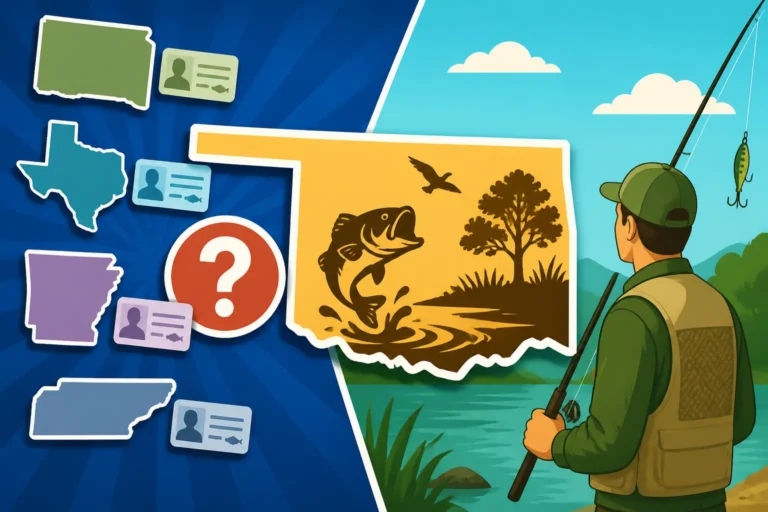
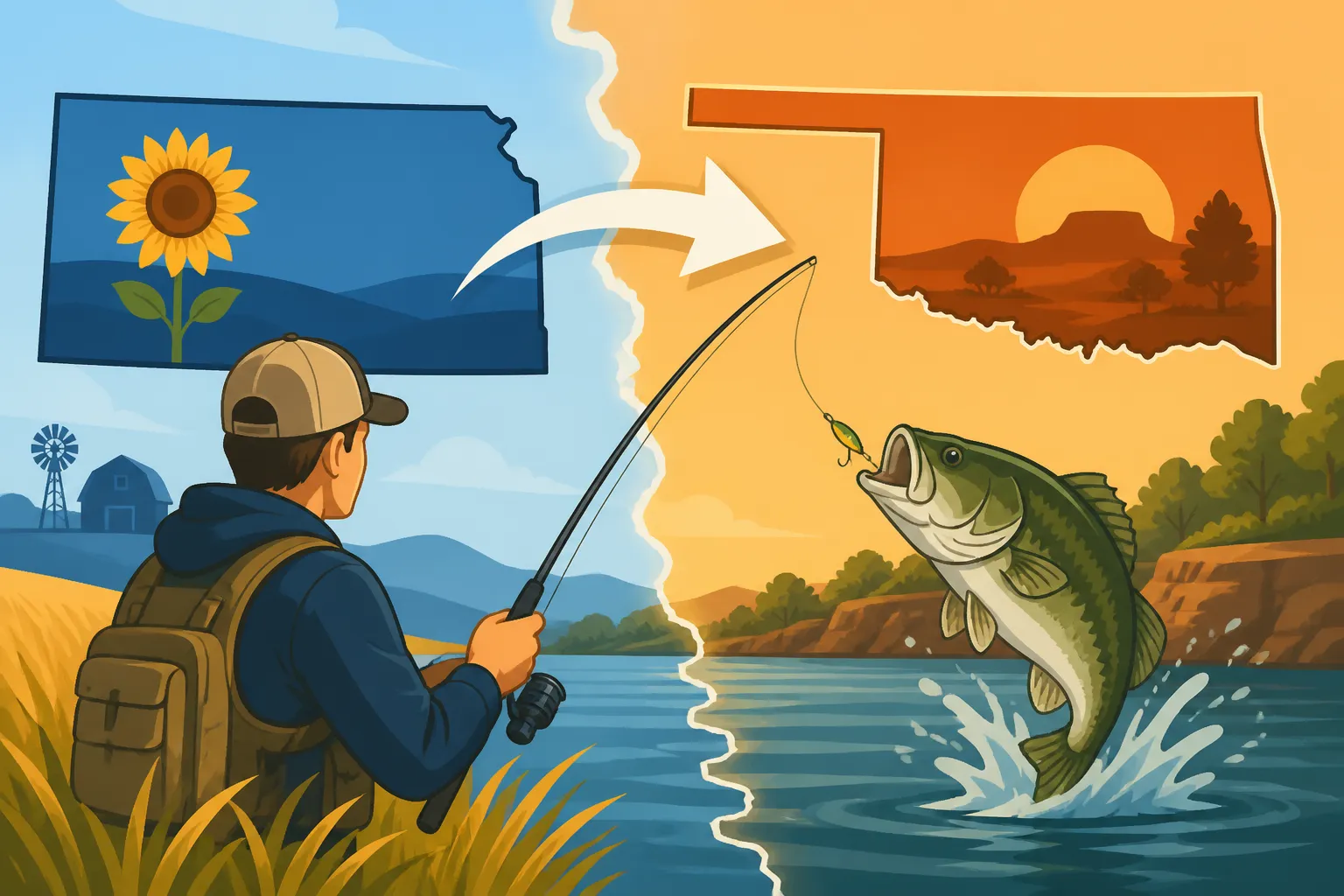
It's a common scenario for anglers living near state lines: you're just a short drive from some fantastic fishing, but suddenly you're wondering if your Kansas fishing license is going to cut it in Oklahoma waters. The truth is, that border-crossing fishing trip can quickly turn confusing, and many folks mistakenly assume their home state license will grant them permission to cast a line just across the border. It’s a frustrating situation when you just want to enjoy the water, but unknowingly run afoul of regulations. This guide will clear up that confusion, explaining why Kansas license holders generally need an Oklahoma license and how to get one, ensuring your fishing adventure is completely legal and stress-free.
Understanding State Fishing License Reciprocity Between Kansas and Oklahoma
When you look at a map, Kansas and Oklahoma share a long border, and it seems logical to assume there might be some kind of agreement in place for fishing licenses, especially for waters that are geographically close. However, the reality is a bit more nuanced than simply driving from one state to the next with your existing license.
The General Rule: Separate States, Separate Licenses
The fundamental principle governing fishing licenses between most states, including Kansas and Oklahoma, is that each state manages its own wildlife resources, and therefore, requires its own licenses. This isn't meant to be an inconvenience, but rather a crucial component of conservation funding. The money collected from license sales in Oklahoma directly supports the Oklahoma Department of Wildlife Conservation (ODWC) – funding fish stocking programs, habitat restoration, enforcement by game wardens, and educational initiatives within the state. The same goes for Kansas; your Kansas license dollars support Kansas wildlife.
Because Kansas and Oklahoma generally do not share large bodies of water that straddle the state line (like, say, Lake Texoma which is notoriously shared between Oklahoma and Texas and has specific reciprocal agreements), there's little practical reason for a blanket reciprocity agreement. Most lakes and rivers that Kansas anglers might consider visiting, such as Grand Lake O' the Cherokees or Kaw Lake, are entirely within Oklahoma's borders and jurisdiction. Therefore, even if you’re just a few miles south of the Kansas line, if you’re fishing in Oklahoma, you’re subject to Oklahoma’s rules. To get a full picture of what's expected, it’s always wise to check the broader Fishing License Requirements in Oklahoma before heading out.
Why Reciprocity is Rare for Inland Waters
The idea of universal reciprocity across state lines sounds great on paper – it would certainly simplify things for avid anglers who travel. However, the intricacies of wildlife management make it incredibly difficult to implement broadly. Each state has unique ecological conditions, different fish populations, and varying pressures on those resources. Consequently, bag limits, size restrictions, and even permitted fishing methods can differ significantly from one state to another.
Imagine the chaos if an angler from Kansas, accustomed to their local limits, inadvertently overfished a species in an Oklahoma lake simply because they weren't aware of the different regulations. This is why having separate licensing systems is so important. It ensures that anglers fishing in Oklahoma are contributing to and are educated on Oklahoma's specific conservation efforts and regulations. Without specific agreements for border waters, assuming your Kansas license covers you would be a mistake and could lead to penalties. It's a system designed to protect the very fish we love to catch, ensuring healthy populations for generations of anglers.
How Kansas Anglers Can Legally Fish in Oklahoma
So, if your Kansas license isn't valid, what's a dedicated angler to do? The answer is straightforward: you need to obtain an Oklahoma nonresident fishing license. It's a simple process, and there are options available depending on how long you plan to fish.
Purchasing an Oklahoma Nonresident Fishing License
For Kansas anglers looking to cast a line in the Sooner State, the most common solution is to purchase a nonresident fishing license from the Oklahoma Department of Wildlife Conservation. Oklahoma offers a couple of key options that cater to different travel plans:
- Nonresident Annual Fishing License: If you anticipate making multiple trips throughout the year, this is usually the most cost-effective option. It covers you for a full year from the date of purchase. The Nonresident Annual Fishing License Cost in Oklahoma might seem a bit higher than a resident license, but it grants you the flexibility to fish any time without needing to buy a new license for each visit. It's ideal for those who have a favorite Oklahoma lake or river they like to frequent.
- Nonresident 1-Day Fishing License: For those spontaneous day trips or if you’re just passing through and want to try your luck for a single day, the 1-day license is perfect. This allows you to fish legally for a 24-hour period. While the Nonresident 1-Day Fishing License Price in Oklahoma is affordable for a single outing, if you add up the cost of several 1-day licenses, it can quickly exceed the annual fee. So, if you're planning more than just a couple of trips, an annual license is often the smarter choice. The good news is that these licenses are generally valid from the purchase date, so you don't have to worry about fixed expiration dates like December 31st for annual licenses in some states. Understanding How Long an Oklahoma Fishing License Stays Valid is key to planning your trips efficiently.
Where to Acquire Your Oklahoma License
Getting your Oklahoma nonresident fishing license is surprisingly easy, whether you prefer the convenience of online purchasing or a more traditional in-person transaction.
The most popular and convenient way to buy your Oklahoma fishing license is directly through the Oklahoma Department of Wildlife Conservation's official website. You can purchase it from the comfort of your home or even on your smartphone right before you hit the water. This digital convenience means you can get your license in minutes, print it out, or simply save a digital copy on your phone to show a game warden if requested. If you’re unsure of the exact steps, there’s a helpful guide on How to Buy an Oklahoma Fishing License Online that walks you through the process.
Alternatively, if you prefer a tangible license or need to pick up some bait and tackle anyway, you can purchase an Oklahoma fishing license from authorized license vendors across the state. These typically include sporting goods stores like Academy Sports + Outdoors, local bait and tackle shops, and even some Walmart locations. This is often the preferred method for those who like to chat with local experts about current fishing conditions or just enjoy the ritual of picking up their supplies in person. For a comprehensive list of vendors, you can refer to Where to Buy a Fishing License in Oklahoma. While you're there, you might want to pick up some essential gear. Many anglers rely on online retailers like Amazon to stock up on new lures, line, or even a new fishing vest to hold all their tackle.
Specific Regulations Kansas Anglers Must Follow in Oklahoma
Having the right license is just the first step. Once you’re in Oklahoma waters, all Oklahoma fishing laws and regulations apply to you, regardless of what you’re used to in Kansas. This isn't a small detail; these rules are in place to manage Oklahoma's diverse fisheries effectively.
Beyond the License: Bag and Size Limits
It's absolutely critical for Kansas anglers to understand that Oklahoma's fishing regulations extend far beyond just the need for a license. Every single rule regarding what you can catch, how many, and how big they must be applies to you. For instance, Oklahoma Fishing Regulations You Need to Know in Oklahoma outlines general rules, but specific species have their own, often complex, guidelines.
Let’s take a look at some common species:
- Bass: Oklahoma has specific rules for Largemouth, Smallmouth, and Spotted Bass. The statewide limit is often a combined six fish per day, but there might be special lake-specific regulations or length limits, such as keeping only one bass over 16 inches. So, if you’re used to different limits back in Kansas, make sure you double-check Oklahoma's Bass Fishing Rules and Limits before targeting these popular game fish.
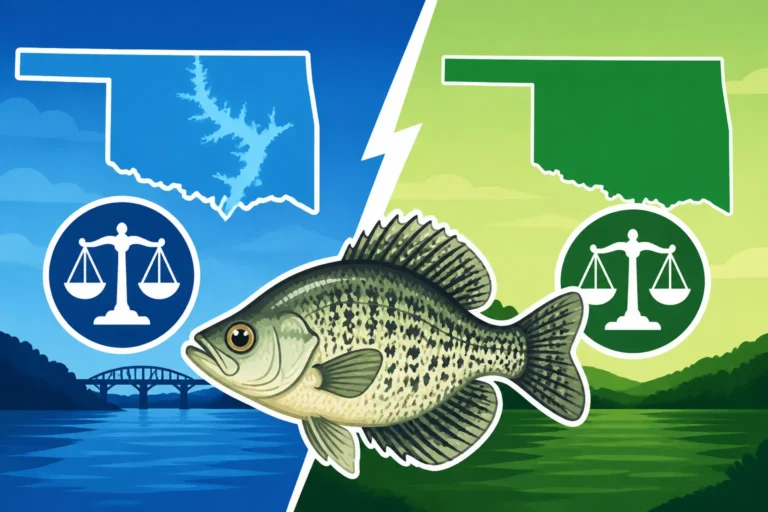
- Crappie: Whether you're chasing black or white crappie, Oklahoma has a statewide limit, usually 37 fish. However, certain lakes, like Tenkiller Lake, Fort Gibson Lake, or Arbuckle Lake, have stricter local regulations, sometimes including a 10-inch minimum length or reduced bag limits. This information is vital for crappie enthusiasts, and you can find these details under Crappie Fishing Rules and Limits in Oklahoma.
- Catfish: Oklahoma is a fantastic state for catfish, but again, there are rules. For channel and blue catfish, the statewide daily limit is often 15, with only one blue catfish over 30 inches permitted. These specifics are outlined in Oklahoma's Catfish Fishing Rules and Limits, and anglers need to be familiar with them to avoid legal trouble.
Before every trip, it's a good practice to consult the current Oklahoma Fishing Guide, often available online through the ODWC website or in print at license vendors. This ensures you're up-to-date on any changes, as regulations can sometimes be adjusted from year to year. You can also find great gear to help you measure and weigh your catch on Amazon, ensuring you comply with all size limits.
The Importance of Knowing Oklahoma's Unique Rules
Forgetting to check Oklahoma’s specific regulations can easily lead to an accidental violation. Ignorance of the law is never an acceptable defense, and game wardens are diligent in their enforcement efforts, especially when it comes to protecting the state's natural resources.
Consider a hypothetical scenario: A Kansas angler, accustomed to a different bass limit, catches seven largemouth bass in an Oklahoma lake. Even if they release the seventh fish upon realizing their mistake, the act of possessing seven fish could be considered a violation. Or perhaps they keep two bass over 16 inches, unaware that Oklahoma's statewide rule often permits only one over that size. These seemingly small differences can result in significant fines and even forfeiture of fishing equipment. To avoid such scenarios, always cross-reference your usual fishing habits with the current Oklahoma regulations. This proactive approach ensures a pleasant and lawful fishing trip.
Consequences of Fishing Without an Oklahoma License
We've talked about what you should do, but it's equally important to understand what happens if you don't. Fishing without a valid license in Oklahoma isn't just a minor oversight; it carries real legal and financial penalties.
Fines and Legal Ramifications
Getting caught fishing without a valid Oklahoma license is considered a misdemeanor offense. This isn't a simple warning or a polite suggestion to buy a license. Game wardens in Oklahoma take these violations seriously, and the repercussions can be substantial. The specific fines can vary, but generally, you're looking at a penalty of at least several hundred dollars. In some cases, depending on the severity and whether other violations were committed (like exceeding bag limits or fishing during a closed season), the fines can increase significantly, and you might even face court appearances.
Beyond the immediate financial hit, there's the potential for your fishing equipment, including rods, reels, and even your boat, to be seized. While this is usually reserved for more egregious or repeat offenses, it's a possibility that no angler wants to face. Furthermore, a conviction for a fishing violation can sometimes lead to the suspension of your fishing privileges in Oklahoma, and potentially even in other states that recognize such suspensions. It's simply not worth the risk. For a detailed breakdown of what you could face, you can look up Penalties for Fishing Without a License in Oklahoma.
Why Game Wardens Enforce License Requirements
Oklahoma Game Wardens aren't just out to spoil your fun; they play a vital role in managing and conserving the state's precious wildlife resources. Their enforcement of licensing laws directly contributes to the sustainability of fishing for everyone.
Think about it: the revenue generated from fishing licenses is a primary funding source for the ODWC. This money goes directly back into maintaining healthy fish populations through stocking, improving habitat, conducting scientific research, and ensuring that future generations can enjoy the same fishing opportunities we have today. When someone fishes without a license, they're essentially enjoying the benefits of these conservation efforts without contributing their fair share. Game wardens are there to ensure that everyone plays by the rules, not only for the sake of fairness but, more importantly, for the long-term health of Oklahoma's fisheries. They are trained professionals who are passionate about conservation and are often the first line of defense against poaching and unsustainable practices. So, when a game warden asks to see your license, they're not being nosy; they're doing their job to protect the sport we all love.
Nonresident Fishing License Options for Oklahoma
To help Kansas anglers clearly see their options when planning a trip to Oklahoma, here's a quick comparison of the two main nonresident fishing license types:
| License Type | Cost (Approximate) | Validity Period | Ideal For |
|---|---|---|---|
| Nonresident Annual Fishing | $81 | 1 year from purchase date | Multiple trips throughout the year, frequent visitors |
| Nonresident 1-Day Fishing | $11 | 24 hours from purchase time | Single day trips, spontaneous outings, trying out a new spot |
Costs are approximate and subject to change by the Oklahoma Department of Wildlife Conservation. Always verify current prices on the ODWC website.
This table illustrates that while a 1-day license seems inexpensive for a quick trip, the annual license quickly becomes the better value if you foresee even a handful of trips across the border. Remember, you can easily purchase either of these online via the ODWC website or from authorized vendors. Consider picking up a high-quality tackle box or a reliable fishing cooler from Amazon to make your Oklahoma fishing trips even more enjoyable once you have your license in hand!
Disclaimer
Please note that fishing regulations, license costs, and requirements can change. Always consult the official Oklahoma Department of Wildlife Conservation website or their current fishing regulations guide before your trip to ensure you have the most up-to-date information. This guide is for informational purposes only and should not be considered legal advice.