Bank Fishing Spots on Lake Texoma
Many anglers dream of fishing the massive, fish-rich waters of Lake Texoma, but the sheer size of the lake and the prevalence of private land can make finding an accessible spot to fish from shore feel like a real challenge. It's frustrating to drive all the way there only to find yourself blocked by fences or steep, inaccessible banks. This guide will walk you through some of the best and most accessible bank fishing spots on Lake Texoma, specifically on the Oklahoma side, offering practical advice and tips to help you cast a line without needing a boat.
Understanding Lake Texoma's Bank Fishing Challenges
Lake Texoma is truly enormous, stretching across the Oklahoma-Texas border with over 89,000 acres of water and more than 1,250 miles of shoreline. While this sounds like a paradise for anglers, it presents unique difficulties for those who prefer to fish from the bank. It's not like your local pond where every inch of shore is open.
The Sheer Scale and Private Property Obstacles
Imagine a lake so vast that it can feel like an inland ocean on a windy day. That's Texoma. This grand scale means much of its shoreline is either privately owned, part of resort developments, or simply too steep and rocky to safely access on foot. Anglers often find themselves driving for miles, only to hit dead ends or "No Trespassing" signs, which can be incredibly disheartening. You want to spend your time fishing, not scouting for non-existent public access points. This is why knowing where to go is half the battle.
Species Accessibility from Shore
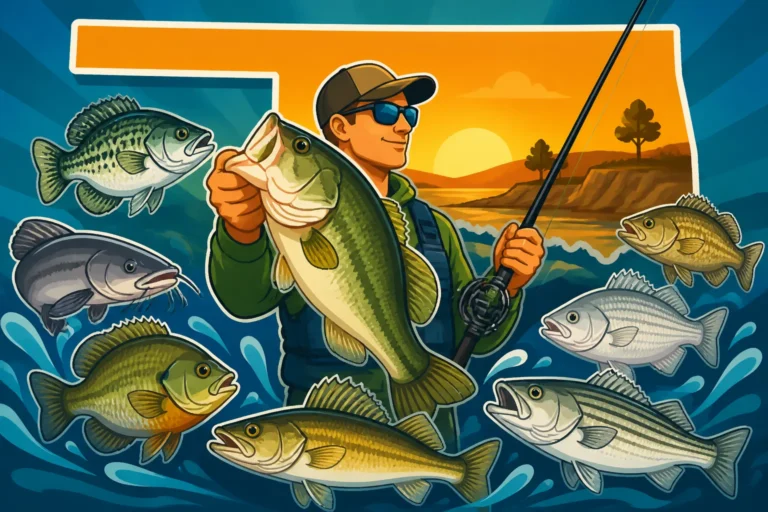
While Lake Texoma is renowned for its trophy-sized striped bass, catching these schooling, open-water predators consistently from the bank can be a real long shot, especially if they're holding deep or far offshore. However, that doesn't mean bank fishing isn't rewarding! Texoma is also teeming with other fantastic species that are very much within reach for shore-bound anglers. You'll have excellent opportunities for channel catfish, blue catfish, various species of sunfish (like bluegill and redear), crappie, and even largemouth and white bass, particularly during their respective spawning runs or when they move closer to shore to feed. The key is adjusting your expectations and techniques for the species that are realistically accessible from where you stand.
Public Access Points for Bank Anglers on Lake Texoma
Thankfully, there are several fantastic public areas on the Oklahoma side of Lake Texoma that cater specifically to bank anglers. These spots offer a mix of amenities, diverse fishing environments, and, most importantly, legitimate access to the water's edge.
Lake Texoma State Park
This is probably your best bet for extensive bank access on the Oklahoma side. Lake Texoma State Park is massive and offers numerous coves, points, and shoreline stretches perfect for setting up camp for the day. While it encompasses many areas, some stand out for bank fishing. You can easily spend a full day here, moving from spot to spot if one isn't producing.
Catfish Bay Area
Despite its name, Catfish Bay isn't just for catfish, though it certainly lives up to its name for whisker fish. This area is known for its relatively gentle slopes and a mix of sandy and rocky bottoms. It's a popular spot for families, offering plenty of space to spread out. You can walk along the shoreline near the campgrounds or picnic areas and cast into various depths. During spring, you might find crappie moving into shallower coves here, and during the warmer months, the channel and blue catfish are almost always a reliable target. Look for areas with submerged timber or rock piles, as these provide excellent cover for fish. For a deeper dive into techniques, check out our guide on Catfish Fishing Techniques for Oklahoma Anglers.
Newberry Creek Area
Located within the state park, the Newberry Creek area provides excellent access, especially if you're looking for more sheltered water. The creek arm can offer some fantastic opportunities for crappie and white bass, particularly when they make their spawning runs up the creeks. The water here can be a bit shallower and often has more visible structure like fallen trees and weed beds, which are magnets for fish. This is a prime spot to try smaller jigs or minnows for crappie, or even a spinnerbait for bass.
Little Glasses Resort & Marina
Situated on the western side of the Oklahoma portion of Lake Texoma, Little Glasses Resort & Marina offers more than just boat slips. There are areas around the resort property, particularly near the camping sections and day-use areas, where bank access is available. It's always a good idea to check in with the resort office upon arrival to confirm the best public access points and any specific regulations they might have. The shoreline here features a mix of rocky points and coves. Anglers often target catfish around the deeper channels and crappie in the calmer coves, especially around docks or submerged brush. This can be a great place to fish for bluegill with the kids, too!
Flowing Wells Resort & Marina
Another excellent option for bank fishing is the Flowing Wells Resort & Marina, located on the northern reaches of Lake Texoma, close to Kingston. Similar to Little Glasses, this resort area offers public access around its perimeter, particularly in its day-use areas or designated fishing spots near cabins and campgrounds. The terrain can vary from rocky ledges to more gradual slopes. This area provides good access to main lake points and coves, which can hold a variety of species. Bass anglers often find success casting along riprap or rocky points, while catfish enthusiasts will appreciate the deeper water access.
Corps of Engineers Parks and Bridge Access
The U.S. Army Corps of Engineers manages several parks around Lake Texoma, many of which offer picnic areas, boat ramps, and sometimes, designated bank fishing zones. These parks, such as Burns Run East and West or Lakeside, can be hidden gems. Always check the specific park map upon arrival to identify areas designated for shore fishing, as some spots might be reserved for boat launching.
Another often overlooked bank fishing opportunity lies near bridges crossing Lake Texoma, such as the one carrying US-70 over the Washita River arm. While safety is paramount when fishing near active roadways, the bridge abutments and riprap can concentrate fish. These structures provide current breaks and ambush points for predatory fish like bass and white bass. Always be aware of traffic and never trespass onto private property to access bridge areas.
Here's a quick overview of some top bank fishing spots on the Oklahoma side:
| Location | Primary Species Targeted from Bank | Key Features for Anglers | Best Time of Year for Bank Fishing |
|---|---|---|---|
| Lake Texoma State Park | Catfish, Crappie, Bass, Sunfish | Diverse coves, points, rocky & sandy shorelines, camping access | Spring, Summer, Fall |
| Catfish Bay (State Park) | Catfish, Crappie, Bass | Gentle slopes, submerged timber, good for families | Year-round, especially warm months |
| Newberry Creek (State Pk) | Crappie, White Bass, Largemouth | Sheltered water, creek arm runs, visible structure | Spring (spawns), Fall |
| Little Glasses Resort | Catfish, Crappie, Sunfish | Rocky points, coves near marina, camping areas | Spring, Summer, Fall |
| Flowing Wells Resort | Bass, Catfish, Crappie | Main lake points, varied terrain, good deeper water access | Spring, Summer, Fall |
| Corps of Engineers Parks | Mixed Bag | Designated areas, picnic spots, some improved access | All seasons |
| Bridge Abutments (US-70) | Bass, White Bass, Catfish | Riprap, current breaks, deep water access (use caution!) | Spring, Summer, Fall |
Tips and Techniques for Successful Bank Fishing on Texoma
Just knowing where to go is a huge first step, but how you approach bank fishing on a lake like Texoma will make all the difference in your success. It's about adapting your gear and strategies to your limited mobility from shore.
Essential Bank Fishing Gear
You don't need a boatload of specialized equipment for bank fishing, but having the right tools can certainly improve your experience. A good all-around medium-heavy spinning rod (6'6" to 7'6") paired with a 2500-3000 series reel spooled with 10-15 lb test monofilament or braid is a versatile setup. This will allow you to cast a good distance and handle most of the fish you'll encounter. Don't forget a comfortable chair, a cooler for drinks and your catch, and a tackle box stocked with a variety of hooks, sinkers, bobbers, and lures suitable for different species. A pair of pliers for hook removal, a tape measure for checking limits, and a small landing net are also invaluable. You can find more details on versatile setups in our guide on Best Rods and Reels for Oklahoma Fishing.
Reading the Water from Shore
When you're confined to the bank, learning to "read the water" becomes even more crucial. Look for visible signs of fish activity:
- Structure: Overhanging trees, fallen logs, rock piles, sudden drop-offs (if you can see them). Fish use these as ambush points and cover.
- Current: Areas where water is moving, like near creek mouths or bridge pilings, can concentrate baitfish and predatory species.
- Color Changes: Differences in water clarity can indicate underwater features or feeding zones.
- Baitfish Activity: Ripples, jumps, or splashes on the surface often mean baitfish are present, and larger fish are likely nearby.
- Wind-Blown Banks: Wind can push baitfish and warm water towards a bank, creating a feeding frenzy zone.
Best Baits and Lures for Bank Anglers
Your bait and lure selection should cater to the species most accessible from the bank.
For Catfish
When targeting catfish from the bank, you can't go wrong with stink bait, cut bait (like shad or hot dogs), or even large worms. Use a simple Carolina rig or a slip-sinker rig with a stout hook (like a 3/0 or 4/0 circle hook) to keep your bait on the bottom. Cast it out, let it sink, and be patient. Night fishing during warmer months can be especially productive for catfish. Our article on Best Bait for Catfish in Oklahoma Lakes and Rivers has more specific recommendations.
For Crappie
Crappie are a fantastic target for bank anglers, especially in the spring and fall when they move closer to shore. Small jigs (1/16 to 1/8 ounce) in chartreuse, white, or black/chartreuse are deadly, tipped with a small minnow or a soft plastic grub. Fish them under a bobber near submerged brush, fallen trees, or around boat docks. Another effective technique is to simply cast a minnow under a small float. For more in-depth strategies, check out Crappie Fishing Techniques and Seasonal Patterns in Oklahoma. Our guide on Best Bait for Crappie in Oklahoma also offers excellent advice.
For Bass and Sunfish
For largemouth and white bass, consider spinnerbaits, crankbaits, or soft plastic worms fished along rocky points or weed lines. For sunfish like bluegill, a simple hook, bobber, and a piece of worm or corn are often all you need for consistent action, making them perfect for younger anglers. Light tackle is key for maximum fun with these smaller but feisty fish.
Preparing for Your Lake Texoma Bank Fishing Adventure
A successful and enjoyable bank fishing trip to Lake Texoma requires a bit of planning beyond just knowing where to go. Being prepared means you can focus on fishing, not fixing preventable problems.
Checking Regulations and Licenses
Before you even think about packing your tackle box, make sure you're compliant with Oklahoma's fishing regulations. All resident and non-resident anglers typically need a valid Oklahoma fishing license. There are different types of licenses, including annual, combination hunting/fishing, and one-day options, so choose what suits your trip best. Always be aware of species-specific bag and length limits, which can sometimes vary by lake. For example, Lake Texoma has its own specific limits that might differ slightly from statewide regulations, especially concerning striped bass (though less likely to be caught from the bank) and sometimes crappie or catfish. You can learn more about what's required in our detailed guide on Oklahoma Fishing License Requirements in Oklahoma and Oklahoma Fishing License Costs and Types. Always carry your license with you, either physically or digitally on your phone, as game wardens do patrol these areas.
Safety First on the Shoreline
Even when bank fishing, safety should be a top priority.
- Sun Protection: Texoma can be intense, especially during the long Oklahoma summers. Wear sunscreen, a wide-brimmed hat, and sunglasses.
- Hydration: Bring plenty of water, even on cooler days. Dehydration can sneak up on you.
- Footwear: Wear sturdy, closed-toe shoes with good grip. Texoma's banks can be rocky, slippery, or uneven. Avoid flip-flops.
- Awareness: Be mindful of your surroundings. Watch for snakes, spiders, and other wildlife. If you're near boat traffic, make sure you're visible and keep your lines clear. If fishing near a road or bridge, prioritize traffic safety.
- Weather: Oklahoma weather can change rapidly. Check the forecast before you go and be prepared for sudden storms or temperature drops. A light rain jacket is never a bad idea.
Leave No Trace Principles
As stewards of our beautiful natural resources, it's vital to practice Leave No Trace principles. Pack out everything you pack in, and perhaps even a little extra litter you find. This means all your bait containers, food wrappers, empty drink bottles, and especially discarded fishing line. Monofilament line can be deadly to wildlife, so make sure to properly dispose of any tangles or cut-offs. Respect private property boundaries and natural habitats. Leaving a spot cleaner than you found it ensures that these precious bank fishing opportunities remain open and enjoyable for everyone for years to come.
Remember, bank fishing on Lake Texoma might require a bit more legwork to find the right spot, but the rewards are absolutely worth it. With the right preparation, knowledge of public access points, and a few good techniques, you can enjoy some truly memorable fishing experiences without ever stepping foot in a boat.
Disclaimer
Fishing regulations, license requirements, and access points can change. Always check the latest Oklahoma Department of Wildlife Conservation regulations before you head out, and verify public access status for any specific location you plan to visit. The information provided here is for general guidance and educational purposes only.