Bank Fishing Access on Lake Arbuckle
Finding good bank fishing access on many Oklahoma lakes can feel like a secret handshake; you know the fish are out there, but getting a line in the water without a boat is often a frustrating challenge. Lake Arbuckle, with its stunning scenery and clear waters, is a prime example, often leaving shore anglers wondering where they can actually cast a line. This comprehensive guide will break down the best public bank fishing spots around Lake Arbuckle, share essential tips for success, and help you unlock its shore-bound potential.
The Challenge of Finding Bank Fishing Access on Lake Arbuckle
Lake Arbuckle is a gem tucked away in south-central Oklahoma, known for its deep, clear water and excellent fishing. However, for those of us without a boat, accessing its prime fishing grounds from shore can be surprisingly difficult. It’s not like every inch of shoreline is easily walkable or open to the public, which can be a real head-scratcher when you just want to spend a quiet afternoon fishing.
Why Lake Arbuckle's Terrain Can Be Tricky for Shore Anglers
One of the main reasons bank fishing at Lake Arbuckle presents a unique challenge is its natural topography. The lake is nestled within the Arbuckle Mountains, meaning much of its shoreline is characterized by steep banks, rocky bluffs, and dense vegetation. While this makes for breathtaking scenery, it doesn't exactly roll out the welcome mat for anglers trying to find a comfortable and safe spot to cast. You might find yourself scrambling over rocks, wading through thick brush, or discovering private property signs that cut off what looked like a promising stretch of shore. This rugged beauty, while appealing, often restricts direct, easy access to the water's edge, making those open, fishable spots feel even more precious.
Common Frustrations for Bank Anglers
It’s easy to get discouraged when you drive around a lake, peering through trees, only to find no clear path to the water. A common frustration for bank anglers at Lake Arbuckle is the lack of designated parking or pathways leading to the water in many areas. You might see a promising cove from the road, but getting there safely and legally is another story. Another issue is overcrowding in the few well-known spots, especially on weekends or during peak seasons. Everyone wants a piece of that good fishing, and without ample space, it can feel like you’re constantly bumping elbows. Then there's the variable water levels; what was accessible last month might be a muddy mess or completely submerged now, requiring constant adaptation and local knowledge to find productive spots.
Prime Public Bank Fishing Locations on Lake Arbuckle
Despite the challenges, Lake Arbuckle does offer some fantastic public bank fishing opportunities if you know where to look. These spots provide safer, more accessible areas to set up your gear and enjoy the day. When planning your trip, consider focusing on these well-known public access points. For a broader overview of the lake, check out our in-depth Lake Arbuckle Fishing Guide, Oklahoma.
Fishing at Lake of the Arbuckles (Buckhorn Area)
The Buckhorn area is arguably the most well-known and user-friendly section for bank anglers on Lake Arbuckle. Located within the Chickasaw National Recreation Area, it boasts several amenities and stretches of accessible shoreline. This area is a local favorite because it balances ease of access with good fishing prospects.
Accessible Coves and Points
Around the Buckhorn Campground and day-use areas, you'll find numerous coves and points that offer relatively easy access to the water. These spots are often cleared of heavy brush, and some even have small, informal paths leading to the shore. The banks here are generally less steep than in other parts of the lake, making it easier to navigate, especially if you're bringing a cooler or extra gear. Look for areas near the boat ramps or picnic sites, as these tend to have the most open shoreline. These coves can be excellent for targeting panfish like sunfish and crappie, especially during their spring and fall movements. Bass also cruise these areas, often holding near submerged timber or rocky outcrops.
Opportunities Near Boat Ramps
While boat ramps are primarily for launching boats, the areas immediately adjacent to them often provide excellent bank fishing opportunities. The substrate around ramps is typically firmer, and there's usually ample parking nearby. Just be mindful of boat traffic and give launching boats plenty of space. The deep water near the end of a ramp can attract fish, especially in cooler months, as they seek out structure and depth changes. Anglers here often find success with catfish, which are always on the prowl for an easy meal, and sometimes even a stray bass or crappie. For more details on what to expect specifically in this region, see Lake Arbuckle Fishing Spots Near Sulphur, Oklahoma.
Veterans Lake and Its Opportunities
Just a short drive from Lake Arbuckle, Veterans Lake offers a fantastic, family-friendly bank fishing alternative, especially if you're staying in Sulphur. While technically a separate body of water, it’s managed by the city of Sulphur and is part of the Chickasaw National Recreation Area, making it a convenient option.
Family-Friendly Shoreline Access
Veterans Lake is designed with accessibility in mind. It features paved walking trails that loop around much of the lake, providing numerous easy-to-reach spots for bank fishing. The shoreline is generally gentle, making it safe for kids and less strenuous for anglers of all ages. You'll find plenty of picnic areas and restrooms, adding to its appeal for a full day out. This lake is regularly stocked, making it a reliable spot for catching catfish, sunfish, and even some bass. It’s a great place to introduce someone new to fishing or just enjoy a relaxed day without the ruggedness of some of Lake Arbuckle's main areas.
Stocking Programs and Targeted Species
The Oklahoma Department of Wildlife Conservation (ODWC) often includes Veterans Lake in its stocking programs, particularly for channel catfish. This means consistent opportunities to reel in some keepers. The lake also supports healthy populations of largemouth bass and various sunfish. Anglers targeting catfish will do well with stink baits, cut bait, or worms fished on the bottom. For bass, try casting small spinnerbaits or soft plastics near any visible cover like submerged brush or docks. The consistent stocking and clear access make it a low-frustration option when Lake Arbuckle's main body proves too challenging from shore.
Specific Spots Near Campgrounds and Day-Use Areas
Beyond the main Buckhorn area, other campgrounds and day-use sites around Lake Arbuckle can offer decent bank fishing, though they might require a bit more exploration. These areas are usually quieter and can offer a more secluded fishing experience.
The Point Campground
"The Point" campground, another section of the Lake of the Arbuckles within the Chickasaw National Recreation Area, also offers potential bank access. While primarily for campers, non-campers can often use day-use areas or explore paths leading to the shoreline. The terrain here can be a mix of gentle slopes and steeper sections, so wear appropriate footwear. Look for areas where the land juts out into the lake, as these points often concentrate fish. You might find bass and crappie schooling around submerged structure off these points.
Guy Sandy Boat Ramp Area
The Guy Sandy area, located on the western side of the lake, is primarily a boat ramp, but the surrounding shoreline can offer opportunities. While not as developed for bank fishing as Buckhorn, diligent anglers can find spots along the banks near the ramp or by walking short distances along the shore. This area is generally less crowded, providing a quieter experience. It’s a good spot to try for catfish or to cast out for bass along the rocky bottom. Always be aware of private property boundaries when exploring these less-trafficked areas.
Essential Tips for Successful Bank Fishing at Lake Arbuckle
Bank fishing might seem straightforward, but at a lake like Arbuckle, a little preparation and strategy can significantly boost your success. It’s about more than just finding a spot; it’s about understanding the environment and the fish.
Gear Considerations for Shore-Bound Anglers
When you're not on a boat, every piece of gear you bring needs to count. Portability and versatility are key.
Lightweight and Versatile Rods and Reels
Since you'll likely be walking to your spots, a lightweight rod and reel setup is crucial. A medium-light to medium power spinning rod, 6 to 7 feet long, paired with a matching spinning reel spooled with 6-10 lb test line, is a fantastic all-around choice. This setup is versatile enough to handle everything from panfish to decent-sized bass and catfish. You don't want to be lugging around multiple heavy setups when you're hiking to a prime location. Think about a telescopic rod or a breakdown rod if space is really at a premium in your backpack. Our guide on Bank Fishing Gear vs Boat Fishing Gear offers more comparisons.
Smart Tackle Box and Bait Choices
A minimalist approach to your tackle box is wise. Instead of bringing everything, focus on baits that are proven producers for the species you expect to encounter. For Lake Arbuckle, this means a selection of:
- Worms: Live nightcrawlers or artificial worms are universal baits for nearly all species.
- Crappie Jigs: Small curly tail grubs or tube jigs in various colors (chartreuse, white, black/chartreuse) on 1/16 to 1/8 oz jig heads are essential for crappie.
- Spinnerbaits/Soft Plastics: For bass, a few small spinnerbaits (1/4 to 3/8 oz) and some soft plastic worms or creature baits rigged Texas-style are excellent choices.
- Catfish Baits: Stink bait, chicken liver, or cut bait on a simple bottom rig will serve you well for catfish.
- Bobbers and Weights: A selection of slip bobbers, split shot weights, and small bell sinkers will complete your basic setup.
Remember to bring extra hooks, swivels, and leader material, as snagging is common in rocky areas.
Understanding Lake Arbuckle's Species and Seasonal Patterns
Knowing what fish bite when and where will give you a significant advantage, especially when limited to bank access. Lake Arbuckle is renowned for its diverse fishery, including excellent bass, crappie, and catfish populations.
Seasonal Behavior of Bass and Crappie
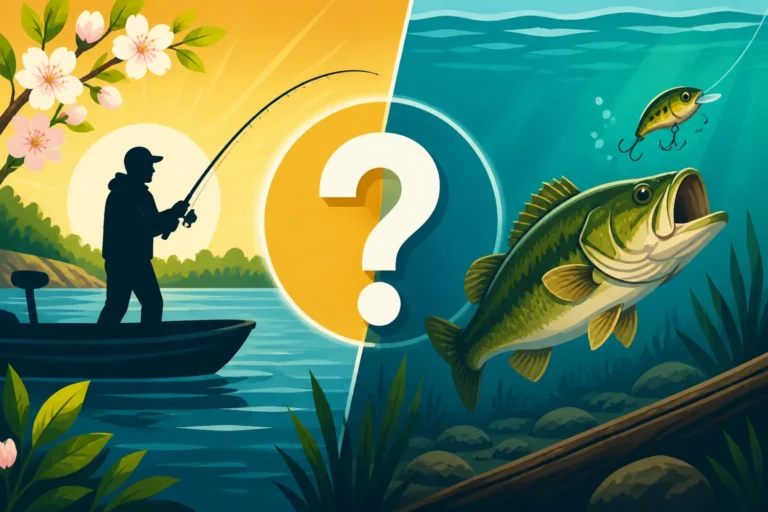
- Spring: This is prime time! Bass and crappie move into shallower coves and creek arms for their spawn. Focus on areas with submerged brush, rocky points, and docks. Small jigs under a bobber for crappie, and soft plastics or spinnerbaits for bass, are highly effective. Don't forget to review Oklahoma's Bass Fishing Rules and Limits and Crappie Fishing Rules and Limits in Oklahoma before heading out. For crappie specifically, be mindful of Lake Arbuckle's Ten-Inch Crappie Rule Explained.
- Summer: Fish move deeper to escape the heat. Early mornings and late evenings are best. Night fishing can be very productive for crappie under lights and for catfish. Look for deeper access points along rocky banks or near submerged timber.
- Fall: As water temperatures cool, fish become more active again, feeding heavily to prepare for winter. They can be found in a variety of depths, often moving in and out of coves. Crankbaits, jigs, and live bait work well.
- Winter: Fishing can be tough but rewarding. Fish school up in deeper main lake areas or sheltered coves. Slow presentations with jigs or spoons are key.
For a broader perspective on the best times to fish, consider our guide on the Best Time of Year to Fish in Oklahoma.
Targeting Catfish from the Bank
Catfish are a bank angler's best friend. They are often found cruising the bottom in a variety of habitats, making them highly accessible from shore. Use a simple bottom rig with a sinker and a hook, baited with anything from nightcrawlers to cut bait or prepared stink baits. Channel catfish are abundant and will readily bite. Blue catfish are also present and can grow quite large, so a slightly heavier setup might be warranted if you're specifically targeting them. Look for areas near creek channels, drop-offs, or any place where natural debris might accumulate, as these are prime feeding grounds for catfish.
Safety and Etiquette for Bank Fishing
A safe and respectful fishing trip ensures everyone can enjoy the outdoors.
Be Aware of Your Surroundings
Always be mindful of slippery banks, uneven terrain, and potential wildlife. Wear sturdy, slip-resistant shoes, especially around rocky areas. Inform someone of your fishing plans, including where you're going and when you expect to return, especially if you plan to explore less-trafficked areas. Also, be aware of boat traffic, especially near ramps and popular coves. A life jacket isn't just for boaters; consider wearing one if you're fishing near deep, fast-moving water or in areas where a fall could be dangerous.
Respect Private Property and Leave No Trace
Public access points are a privilege, not a right. Always respect private property boundaries. If a sign says "No Trespassing," take it seriously. Pack out everything you pack in—and then some. Pick up any discarded fishing line, bait containers, or trash you encounter. Leaving a spot cleaner than you found it helps ensure continued access for all anglers. Nobody likes a messy fishing spot, and keeping our lakes clean preserves the environment for fish and future generations of anglers.
Planning Your Lake Arbuckle Bank Fishing Adventure
A little planning goes a long way, especially when you're looking for those elusive bank fishing spots.
Utilizing Maps and Local Resources
Don't just drive blindly! Modern technology and local knowledge can significantly enhance your search for bank fishing spots.
Digital Maps and Satellite Imagery
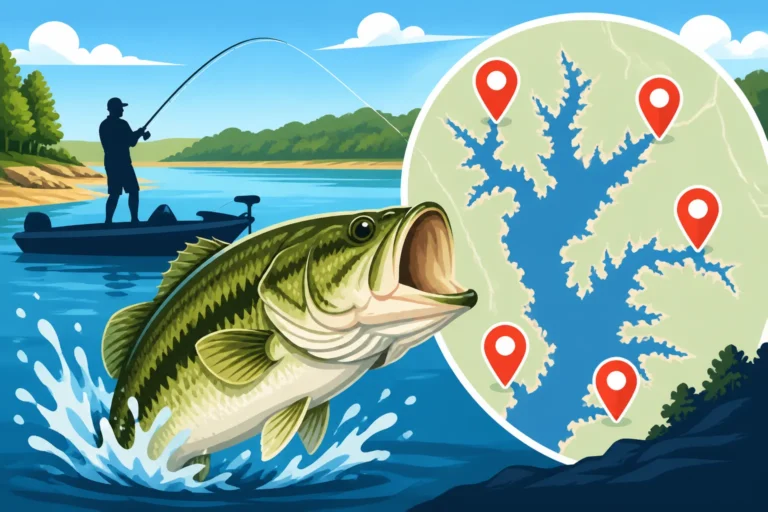
Before you even leave home, spend some time with online mapping tools like Google Maps or even specialized fishing apps. Look for green spaces (public land), contour lines (indicating depth changes near shore), and clearings near the water. Satellite imagery can often reveal paths, open shorelines, or even subtle features like old roadbeds or submerged structure that could hold fish. Zoom in on areas around campgrounds, parks, and boat ramps. This digital reconnaissance can save you a lot of time and frustration on the ground. When looking for local information or even to connect with guides who might share bank fishing insights, platforms like FishingBooker can sometimes offer valuable community resources or tips shared by local experts.
ODWC Resources and Local Bait Shops
The Oklahoma Department of Wildlife Conservation (ODWC) website is a treasure trove of information. They often provide maps of public access areas, stocking reports, and detailed regulations. Their fishing reports can also give you an idea of what's biting and where. Don't underestimate the power of local bait shops! These places are often run by seasoned anglers who know the lake like the back of their hand. They can offer real-time advice on current conditions, hot spots, and even lesser-known bank access points. Plus, it's a great way to support the local community.
Checking Regulations Before You Go
It's absolutely critical to know the rules specific to Lake Arbuckle and Oklahoma in general. Penalties for fishing without a license or exceeding bag limits can be steep.
Oklahoma Fishing License Requirements
Unless you are under 16, an Oklahoma resident over 65 (with the proper license), or fishing on a designated free fishing day, you will need a valid Oklahoma fishing license. There are different types of licenses for residents and non-residents, and prices vary. It's easy to purchase one online through the ODWC website or at many sporting goods stores and bait shops. Be sure to check Oklahoma Fishing License Requirements in Oklahoma to understand what you need.
Specific Lake Arbuckle Rules and Bag Limits
While statewide regulations for species like bass, crappie, and catfish apply, some lakes, including sections of Lake Arbuckle, might have special restrictions. For example, Lake Arbuckle has a 10-inch minimum length limit for crappie, which is stricter than the statewide regulation. Always consult the current Oklahoma Fishing Guide (available online or at license vendors) for the most up-to-date information. Understanding these rules, especially for bass with "The One 16-Inch Bass Rule Anglers Miss," and for specific crappie limits, is vital. You can also refer to our comprehensive Fishing Regulations You Need to Know in Oklahoma for general guidance.
Disclaimer
Please remember that fishing regulations, access points, and lake conditions can change. Always consult the official Oklahoma Department of Wildlife Conservation (ODWC) regulations before your trip. Exercise caution and respect private property when exploring new fishing spots.