Lake Murray Fishing Spots Near Ardmore, Oklahoma
Ever feel overwhelmed trying to pinpoint that perfect fishing spot, especially when you're visiting a new area or just want a change of scenery? It's easy to get lost in endless maps and forum discussions, wondering where the fish are really biting. If you're near Ardmore, Oklahoma, and dreaming of a successful day on the water, this guide is tailor-made for you. We're diving deep into Lake Murray, one of Oklahoma's most beloved fishing destinations, to uncover its prime locations and help you plan your next angling adventure.
Lake Murray: A Jewel for Anglers Near Ardmore
Lake Murray isn't just another body of water; it's a genuine treasure nestled in south-central Oklahoma, just south of Ardmore. What makes this lake so special for anglers? Well, for starters, it's one of Oklahoma's oldest and most beautiful lakes, boasting crystal-clear water, rugged shorelines, and plenty of hidden coves and deep structures. It's a geological anomaly, a true crater lake formed by an ancient meteorite impact, which gives it a unique bowl-like shape and depth that many other Oklahoma reservoirs don't possess. This distinct topography means varied habitats for a wide array of fish species, making it a versatile playground for any fishing enthusiast.
Why Lake Murray Stands Out
Unlike some of the muddier, shallower lakes in the state, Lake Murray's clear waters often give anglers a different kind of challenge, but also a rewarding one. You'll find lush aquatic vegetation in some areas, rock piles, steep drop-offs, and plenty of standing timber, all contributing to a diverse ecosystem. The lake is managed by the Oklahoma Department of Wildlife Conservation (ODWC) to maintain healthy fish populations, which means anglers can expect a robust fishery. It's not uncommon to hear tales of trophy catches from regulars who know the lake's secrets. Plus, being surrounded by Lake Murray State Park, the largest state park in Oklahoma, adds to its charm, offering ample amenities and a tranquil environment away from the hustle and bustle.
A Diverse Fishery Thriving in Clear Waters
Lake Murray truly offers something for everyone, whether you're chasing aggressive bass or looking for a relaxing day reeling in panfish. The lake is well-known for its excellent populations of largemouth bass, smallmouth bass, and even some spotted bass. But the excitement doesn't stop there. Crappie fishing is incredibly popular, especially during the spring and fall, with both black and white crappie inhabiting its waters. For those who enjoy a heavier fight, channel catfish and blue catfish are abundant, particularly in deeper holes and along submerged creek channels. You might even stumble upon some feisty sunfish, perfect for introducing kids to the joys of fishing. This diversity means you can tailor your trip to your preferred species or simply try your luck at whatever bites.
Understanding Lake Murray's Layout
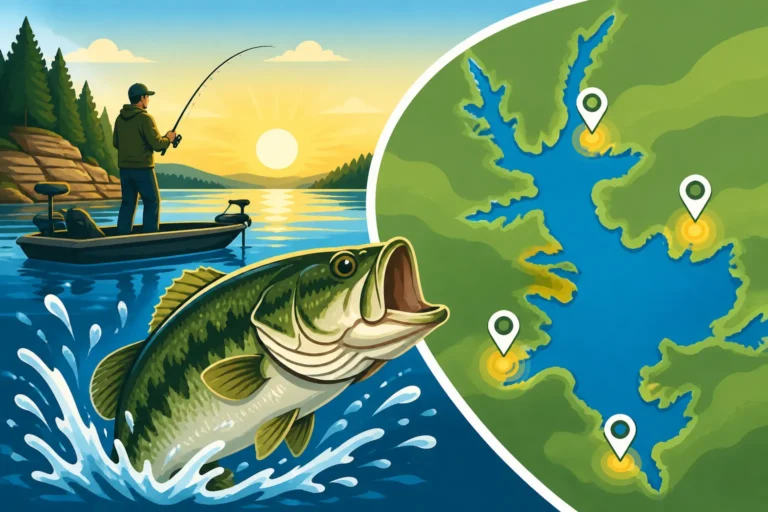
Before you even cast a line, getting a feel for Lake Murray's geography can dramatically improve your success. The lake covers about 5,700 acres, but its irregular shape, with numerous fingers, coves, and points, makes it feel much larger. The deepest part of the lake reaches around 100 feet, providing critical deep-water sanctuaries for fish during hot summer months or cold winters. The northern end of the lake tends to be shallower with more timber and brush, while the southern end opens up more with deeper water and rocky ledges. Familiarizing yourself with a good map or a fish finder equipped with GPS will be invaluable here, helping you pinpoint those hidden treasures beneath the surface. Knowing where the old creek channels run, or where submerged humps are located, is often the key to finding concentrations of fish.
Unlocking Lake Murray's Best Fishing Spots by Species
Now, let's get down to brass tacks: where exactly should you be casting your line at Lake Murray? Different fish species have different preferences when it comes to habitat, and Lake Murray offers a variety of environments to suit them all. Remember, checking the latest Oklahoma's Bag Limit Rules by Species and ensuring you have your Fishing License Requirements in Oklahoma sorted before you head out is always the first step to a legal and enjoyable day.
Targeting Largemouth Bass Hotspots
For many anglers, bass fishing is the main event at Lake Murray. Largemouth bass especially thrive in the lake's diverse cover. Look for them around submerged timber, brush piles, rocky points, and especially along weed lines. One of the most productive areas for largemouth is the northern arm of the lake, particularly around the areas leading into Canyons Campground and the sandy flats near Buzzard's Roost. These spots often feature a mix of shallow and slightly deeper water with plenty of cover where bass ambush their prey. During the Spring Bass Spawn Timing in Oklahoma, shallower coves with protected banks, like those found around the Lake Murray State Park Lodge and Marina, become prime targets as bass move up to build nests. Fishing these areas with soft plastics, jigs, or spinnerbaits early in the morning or late in the evening can be incredibly productive.
As the seasons change, so do the bass's habits. In summer, they often retreat to deeper, cooler waters, concentrating around ledges, deep points, and submerged humps. This is when your electronics really come into play. Vertical jigging or dropping Texas-rigged worms into brush piles in 15-30 feet of water can yield big results. For the best chance at a trophy, be sure to brush up on Oklahoma's Bass Fishing Rules and Limits, as there can sometimes be special regulations for certain sizes.
Crappie Hotspots and Techniques
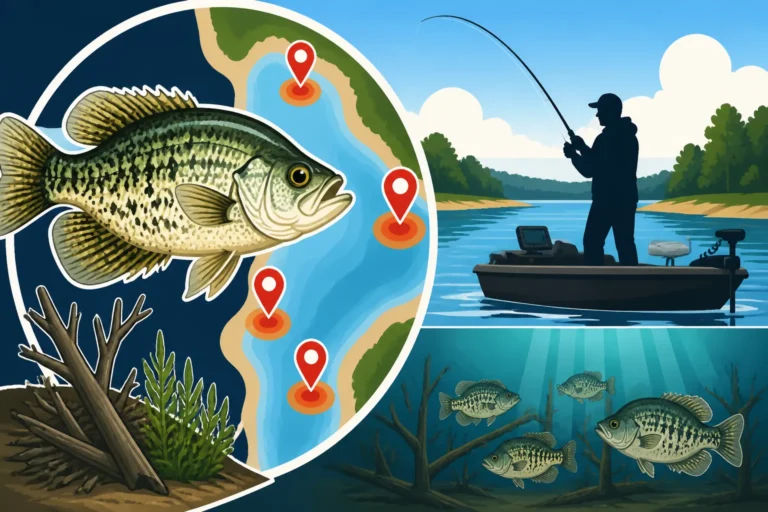
Crappie are another huge draw to Lake Murray, offering consistent action and delicious fillets. Both black and white crappie are present, and they tend to congregate in brush piles, standing timber, and around bridge pilings. During the spring, similar to bass, crappie move into shallower water to spawn. Look for them in protected coves, especially those with some kind of structure like submerged cedar trees or brush. The area around Martins Landing and Elephant Rock often holds good numbers of crappie in spring. Small jigs, particularly those in chartreuse, white, or black-and-chartreuse combinations, tipped with a minnow, are classic crappie getters.
In the warmer months and into fall, crappie will move deeper, often suspending over brush piles or around the mouths of coves. Trolling with multiple jigs at different depths, a technique often called "spider rigging," can be very effective for covering water and finding active schools. For deeper crappie, don't be afraid to use a fish finder to locate schools and drop small spoons or heavier jigs directly on top of them. Remember to check Crappie Fishing Rules and Limits in Oklahoma for current daily limits and size restrictions, especially since some lakes have stricter rules than the statewide limit.
Finding Catfish Havens
For those who love the strong pull of a catfish, Lake Murray delivers. Channel catfish are widely distributed throughout the lake and can be caught almost anywhere, from the shallow coves to the deeper main lake. Blue catfish, known for their larger size, tend to prefer the deeper, open water areas, especially along old creek channels and river bends. The main lake body, particularly the deeper basins and rocky ledges, are excellent spots to target blue catfish. You'll often find them congregating in holes or near ledges where they can ambush baitfish.
Night fishing is a particularly popular and productive way to catch catfish on Lake Murray, especially during the warmer months. Anglers often set up on points or in calm coves, using cut bait, stink bait, or even live perch. Bottom fishing with a slip-sinker rig is the go-to method. Don't be shy about trying chicken liver or prepared baits if you're after channel cats. For bigger blue catfish, fresh cut shad or skipjack herring are often irresistible. Make sure you're aware of Oklahoma's Catfish Fishing Rules and Limits, especially regarding the slot limit for blue catfish, which allows only one fish over 30 inches per day.
Navigating Lake Murray: Access, Ramps, and Shoreline Strategies
Getting onto or near the water is the first practical step for any fishing trip. Lake Murray offers a variety of access points, from well-maintained boat ramps to secluded spots perfect for bank fishing. Knowing your options can help you plan the most efficient and enjoyable outing.
Public Access and Boat Ramps
Lake Murray State Park provides excellent infrastructure for boaters. There are several public boat ramps scattered around the lake, making it easy to launch everything from a bass boat to a small jon boat. Some of the most popular and well-maintained ramps include those at Marina del Rey (Lake Murray Marina), Martins Landing, and Sunset Beach. These ramps usually have ample parking and are suitable for various vessel sizes. Marina del Rey, in particular, offers fuel, bait, and tackle, making it a convenient hub for any angler. If you're bringing your own boat, be sure to check out Best Boat Ramps on Lake Murray, Oklahoma for detailed information on facilities and conditions. Remember that busy weekends can see these ramps get crowded, so arriving early is often a good strategy.
Choosing your ramp can also dictate your initial fishing strategy. If you're planning to focus on the northern, shallower areas, using a ramp like those near Elephant Rock might make more sense. If you're after deeper water bass or catfish on the southern end, the ramps closer to Marina del Rey or Cedar Cove will put you right in the action.
Shoreline Fishing Opportunities
You don't need a fancy boat to enjoy fishing at Lake Murray. There are numerous excellent spots for Bank Fishing Tips for Beginners and experienced anglers alike. The extensive shoreline of Lake Murray State Park offers plenty of public access. Areas around the various campgrounds, such as Canyons Campground and the Buzzard's Roost area, provide good bank access, often with natural structure like rocks and submerged timber close to shore. The fishing pier at Lake Murray Lodge is another fantastic spot, offering easy access to deeper water without needing a boat, and it's a great place to try for crappie or catfish. The clear waters also make it a popular spot for Family-Friendly Fishing Spots at Lake Murray State Park, Oklahoma, where kids can often catch bluegill and small bass.
When bank fishing, consider lighter tackle and live bait like worms or minnows, which can be particularly effective for panfish and smaller catfish. For bass, casting lightweight lures such as spinnerbaits or soft plastics parallel to the shoreline can yield good results, especially during dawn or dusk. Always be mindful of your surroundings and respect any posted regulations within the state park.
Hiring a Local Guide for Deeper Insights
If you're new to Lake Murray or simply want to maximize your time on the water, consider hiring a local fishing guide. These professionals spend countless hours on the lake and possess an intimate knowledge of seasonal patterns, hotspots, and the most effective techniques. A guide can save you valuable time by putting you directly on the fish, teaching you new tricks, and even providing all the necessary gear. Many guides specialize in specific species, like bass or crappie, offering a tailored experience.
You can often find reputable local guides through the Lake Murray State Park office or local tackle shops in Ardmore. Websites like FishingBooker are also excellent resources for finding and booking experienced guides in the Lake Murray area. A guided trip isn't just about catching fish; it's an educational experience that can deepen your understanding of the lake and improve your skills for future solo trips. They can help you with everything from understanding local nuances to selecting the Best Rods and Reels for Oklahoma Fishing for Lake Murray's unique challenges.
Here’s a quick overview of some popular spots and their primary targets:
| Location / Access Point | Primary Species Targeted | Best Fishing Method | Notes on Access / Features |
|---|---|---|---|
| Marina del Rey (Lodge) | Largemouth Bass, Crappie, Catfish | Boat, Pier, Bank | Full-service marina, pier, deep water access, good structure. |
| Martins Landing | Crappie, Largemouth Bass | Boat, Bank | Good for crappie in spring, easy boat ramp access. |
| Elephant Rock | Largemouth Bass, Crappie | Boat, Bank | Rocky points, submerged timber, good for ambush predators. |
| Cedar Cove | Catfish, Bluegill | Boat, Bank | Calmer waters, good for family fishing, deeper holes for cats. |
| Canyons Campground | Largemouth Bass, Catfish | Bank, Small Boat | Northern end, shallower, brushy, good for topwater. |
| Sunset Beach | Largemouth Bass, Crappie | Boat, Bank | Sandy areas, some rock, good overall access. |
| Buzzard's Roost | Largemouth Bass | Bank, Kayak | Secluded, good for clear water bass, sandy flats. |
Seasonal Strategies and Local Wisdom for Lake Murray Fishing
Fishing success on any lake is heavily influenced by the seasons, and Lake Murray is no exception. Understanding how fish behavior changes with water temperature and weather patterns will give you a significant edge.
Spring Spawning Action and Post-Spawn Recovery
Spring is arguably the most anticipated season for many Lake Murray anglers, especially those targeting bass and crappie. As water temperatures rise into the 50s and 60s Fahrenheit, fish move from deeper wintering grounds into shallower coves and protected areas to spawn. This pre-spawn and spawn period is when fish are actively feeding and can be incredibly aggressive. For bass, look for rocky banks and shallow flats, often near drop-offs. For crappie, submerged brush and timber in protected coves are key. Early spring can be fantastic for big bass on spinnerbaits and jigs, while the peak spawn calls for slower presentations with soft plastics.
Post-spawn, fish often move slightly deeper to recover but remain active. This is a great time to target them on secondary points and ledges just outside the spawning coves. White bass and even some hybrid stripers can also become very active during the spring, chasing shad in open water. Keep an eye on local fishing reports, which can often be found through services like FishingBooker, as they'll tell you what's currently biting and where.
Summer's Heat: Early Mornings and Night Fishing
Summer fishing on Lake Murray can be challenging during the day due to the heat and bright sun, which drive many fish into deeper, cooler waters. However, savvy anglers know that early mornings, late evenings, and especially night fishing can be incredibly productive. For bass, focusing on deep structure – ledges, humps, and submerged brush piles – with deep-diving crankbaits or heavy jigs is key. The clear water means fish can be spooky during the day, so long casts and stealth are important.
Night fishing truly shines in summer, particularly for catfish, crappie, and even some bass. Catfish will actively cruise shallower flats and creek channels under the cover of darkness, making them easier targets for bottom rigs with cut bait. Crappie often gather under artificial lights placed over the water, which attract baitfish. This can make for some fantastic evening action. Just remember to be safe on the water at night, ensuring you have proper navigation lights and a good spotlight.
Fall Turnover and Winter Patterns
As autumn arrives and water temperatures begin to drop, Lake Murray experiences what's known as "fall turnover." This is when the surface waters cool and sink, mixing with deeper, warmer water. This process can scatter fish initially, making them harder to find, but once the lake stabilizes, fishing can become red hot. Baitfish, like shad, often school up in large numbers, and predatory fish like bass and crappie will follow them into creek arms and main lake points. Crankbaits, jerkbaits, and umbrella rigs can be very effective for chasing these schooling fish.
Winter fishing, while often overlooked, can offer some of the best opportunities for trophy fish on Lake Murray. Fish become less active, but they often school tightly in specific deep-water areas. For crappie, vertical jigging over deep brush piles or ledges can yield heavy limits. For bass, slow-rolling spoons or jigs on deep humps or channel swings can entice sluggish giants. Catfish will also congregate in deeper holes, making them accessible to those willing to brave the colder temperatures. Just make sure to dress warmly and utilize your fish finder to locate these winter hideouts.
Disclaimer
The information provided in this guide is for general informational purposes only and is subject to change. Fishing regulations, conditions, and fish behavior can vary. Always consult the latest official regulations from the Oklahoma Department of Wildlife Conservation and exercise caution and good judgment when on or near the water.