Dawn Fishing Techniques
That alarm clock ringing before the sun even thinks about peeking over the horizon can feel like a real betrayal sometimes, can't it? Especially when all you want to do is hit snooze. But for us Oklahoma anglers, those pre-dawn moments hold a magic that's tough to beat, offering some of the most productive and peaceful fishing you'll ever experience. This guide is all about getting you ready to conquer those early mornings and truly master the art of dawn fishing on our beautiful Oklahoma waters.
Why Dawn Fishing is a Game Changer in Oklahoma
There's a reason seasoned anglers swear by those early morning hours. It's not just about bragging rights for being the first one on the water; it's about tapping into a prime feeding window that often makes all the difference between a slow day and a banner one. If you've ever struggled to catch anything during the bright, hot midday, then you know the frustration. Dawn fishing addresses many of those challenges head-on.
Cooler Temperatures and Active Fish
When the sun is blazing down on an Oklahoma lake in the middle of summer, the water heats up, and most game fish tend to get sluggish, retreating to deeper, cooler waters or thick cover. But before sunrise, the water is at its coolest point, often a degree or two lower than even late evening. This slight temperature drop, coupled with the low light, signals to many predatory fish that it's prime time to forage. They emerge from their deeper haunts or dense vegetation, actively cruising the shallower areas for an easy meal. This means less work for you, as the fish are often more aggressive and willing to strike. You're essentially meeting them where they want to be, at their most energetic.
Less Pressure and More Serenity
Let's be honest, we all love a good fishing spot, but sometimes it feels like everyone else has the same idea. Public boat ramps can get crowded, popular coves can be lined with boats, and the general hustle and bustle can disrupt the tranquility we seek on the water. Dawn fishing completely flips this script. You'll often find yourself with entire stretches of lake or river practically to yourself. The peace and quiet are unparalleled – just you, the chirping crickets giving way to the morning birds, and the gentle lapping of water against your boat or the bank. This lack of pressure not only makes for a more relaxing experience but also means the fish haven't been spooked by countless lures, boat traffic, or loud conversations. They're typically less wary and more focused on feeding, giving you a distinct advantage. It's a fantastic way to experience some of the Best Fishing Spots in Oklahoma without the crowds.
Understanding the Dawn Bite: Fish Behavior and Environmental Factors
To truly excel at dawn fishing, it's not enough to just be there early. You need to understand why the fish are biting and how specific environmental factors play into their morning routine. It's a delicate dance between light, temperature, and the food chain.
Low Light and Ambush Predators
The transition from darkness to twilight, and then to full daylight, is a critical period for many fish species. Predatory fish, like bass and crappie, often use the low light conditions to their advantage. Their vision is typically better in dim light than that of their prey, allowing them to ambush unsuspecting minnows, shad, or insects that might be less cautious in the gloom. This is why you'll often find them patrolling shallow flats, submerged weed lines, or the edges of drop-offs during this time. As the sun rises and the light intensifies, these fish usually retreat to thicker cover or deeper water, making them harder to entice. Knowing this, your lure choices and presentation become crucial. Darker colored lures or those with a strong silhouette work well when it's still dark, while more natural or slightly brighter colors can come into play as the sky brightens.
Changing Water Temperatures and Oxygen Levels
While we touched on cooler temperatures generally, the subtle changes throughout the dawn period are also important. As the night cools, the surface water cools down, and then as the sun barely starts to hit the surface, it gradually begins to warm again. This slight warming can stimulate fish activity, especially if the prior night was particularly cold. Furthermore, oxygen levels in the water can sometimes fluctuate. During the night, aquatic plants consume oxygen through respiration, but as the sun rises, photosynthesis begins, replenishing oxygen. While not always a dramatic shift, higher oxygen levels in specific areas, like around submerged vegetation, can draw in baitfish and subsequently, the predators we're after. These oxygenated zones are often overlooked but can be goldmines for early morning action.
Insect Activity and the Food Chain
Don't underestimate the tiny things! Dawn is a prime time for insect hatches on and around the water. Mayflies, caddisflies, and various other aquatic insects often emerge or become active as the light changes. This surge in insect activity creates a buffet for smaller baitfish and panfish, which in turn attracts larger game fish. Imagine a school of shad or minnows gorging themselves on emerging insects near a shallow point or a brush pile. A hungry bass or crappie isn't far behind. This is where subtle topwater presentations, small jigs, or even fly fishing can really shine. Pay attention to what's happening on the water's surface – if you see splashes or rises, it's a clear indicator that the food chain is in motion, and you should probably join the party.
Essential Gear for a Successful Dawn Fishing Trip
Getting out before the sun means you need to be prepared for conditions that evolve rapidly. From pitch black to bright sun, cool to warm, your gear needs to be versatile and well-organized. You don't want to be fumbling around in the dark, trust me.
Lighting and Visibility
This is non-negotiable. A good headlamp is your best friend when launching a boat, rigging your rod, or navigating a bank in the pre-dawn hours. Look for models with a red light option, as it preserves your night vision better and is less likely to spook fish than a bright white beam. Brands like Black Diamond or Petzl offer excellent, durable options that you can often find on Amazon. Beyond your personal lighting, if you're boating, ensure all your navigation lights are fully functional. Not only is it a legal requirement, but it's crucial for safety, helping you avoid unseen obstacles or other early bird anglers. Reflective tape on your gear or clothing can also add an extra layer of visibility. For those paddling a kayak, having a 360-degree white light is essential, which is a key part of any Kayak Fishing Gear Every Oklahoma Angler Needs.
Lure and Bait Selection for Low Light
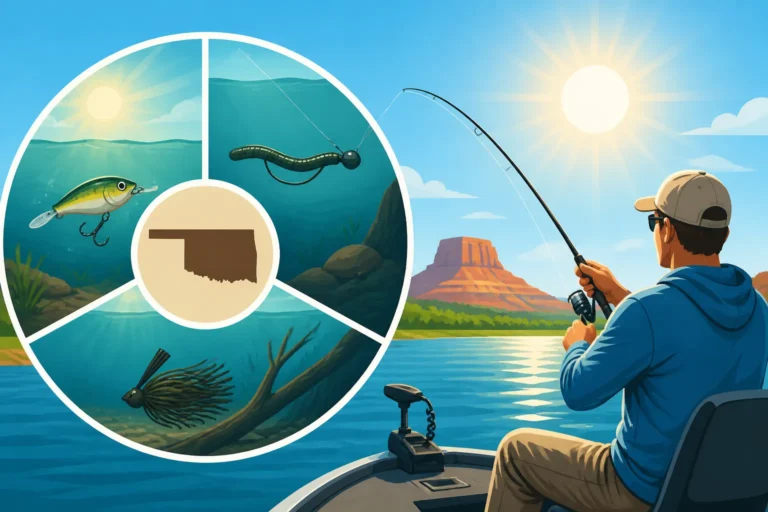
As mentioned, lure color and profile become more critical in low light. When it's still quite dark, opt for dark colors like black, blue, or purple, or lures that create a strong silhouette against the faint sky. Spinnerbaits with large thumping blades, buzzbaits, or even dark-colored jigs and worms can be incredibly effective for bass. For crappie, dark-colored jigs or those with UV enhancements can stand out. As the sky lightens, transition to more natural colors or those with a bit of flash, like silver or chartreuse. Topwater lures are phenomenal during dawn, as fish are often looking up for prey silhouetted against the brightening sky. Think poppers, walk-the-dogs, or prop baits. Make sure your tackle box is organized so you can quickly switch lures without losing precious minutes. This might mean having a dedicated section in your tackle box just for dawn-specific baits.
Cold Weather and Dew Protection
Even in summer, Oklahoma mornings can be surprisingly chilly, especially on the water. Add to that the heavy dew that often settles on everything, and you can quickly find yourself wet and uncomfortable. Layering is key. Start with moisture-wicking base layers, add a fleece or thermal layer, and top it off with a waterproof and windproof jacket. This allows you to shed layers as the day warms up. Waterproof pants or rain bibs are also a good idea, even if rain isn't in the forecast, just to combat the dew. Don't forget a warm hat and gloves if it's spring or fall; those numb fingers make tying knots a nightmare. Having these items easily accessible, perhaps in a dry bag, can save your morning. You can find reliable rain gear and layering options easily on Amazon.
Hydration and Snacks
While it might seem obvious, many anglers get so caught up in the fishing that they forget basic needs. Dawn fishing often means you skipped breakfast or only grabbed a quick coffee. Bring plenty of water to stay hydrated, especially as the sun rises and temperatures climb. Pack some easy-to-eat snacks like granola bars, fruit, or trail mix. This keeps your energy levels up and helps you stay focused on the task at hand – catching fish! A well-stocked cooler isn't just for keeping your catch fresh; it's also for keeping you performing at your best.
Strategic Techniques for Different Oklahoma Species at Dawn
The beauty of dawn fishing in Oklahoma is that almost every popular game fish becomes more active. However, each species has its own preferences and habits, so tailoring your approach will significantly boost your success.
Largemouth Bass Techniques
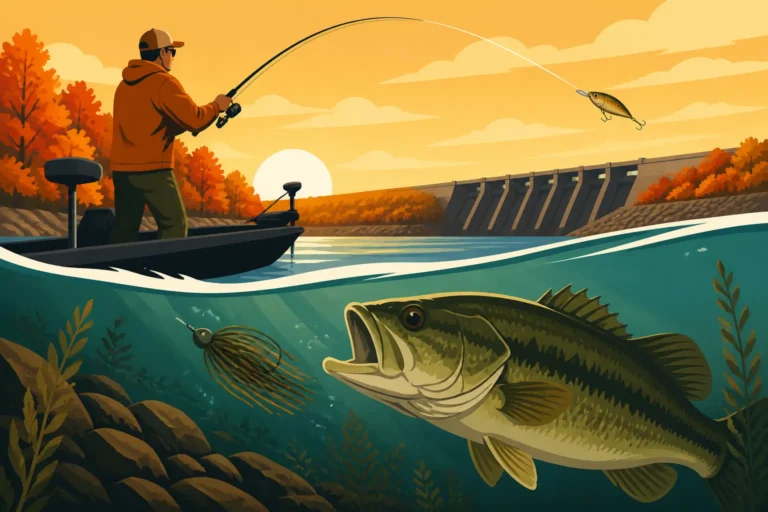
Largemouth bass are quintessential ambush predators, and low light provides the perfect conditions for them to hunt. Focus your efforts on shallower cover: submerged timber, weed lines, lily pads, or riprap banks.
- Topwater Lures: This is arguably the most exciting way to catch bass at dawn. As the sun just begins to lighten the sky, throw a walking bait or a popping frog right into dense cover or along sparse grass lines. The explosive strikes in the half-light are unforgettable. Don't be afraid to let your lure sit for a few seconds after casting before starting your retrieve; that subtle splash can draw attention.
- Spinnerbaits and Buzzbaits: When it's still quite dark, these lures excel at drawing strikes by creating vibration and flash. Fan-cast them over shallow flats or parallel to weed edges. The key is to keep them moving, letting the blades do the work of attracting attention. Black and blue combinations are fantastic in low light.
- Jigs and Plastics: As the light increases, pitching jigs with plastic trailers or Texas-rigged worms into heavier cover becomes effective. Bass might pull back slightly into thicker brush, but they'll still be looking for an easy meal. A slow, methodical retrieve often works best as they settle into their morning patterns. For more seasonal insights, check out Best Bass Lures for Spring Fishing.
Crappie Fishing at Dawn
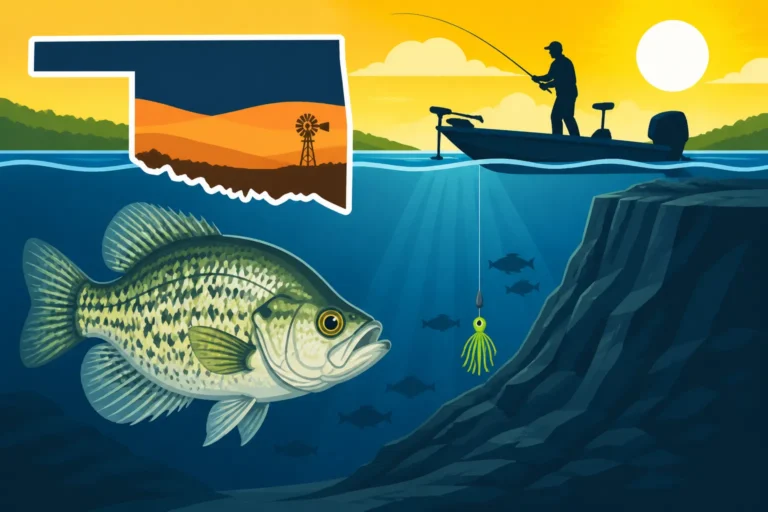
Crappie are schooling fish that also use low light to their advantage, often moving into shallower water to feed before retreating deeper as the day brightens.
- Shallow Cover Jigging: Target brush piles, submerged trees, dock pilings, and bridge abutments in 5-15 feet of water, especially those adjacent to deeper channels. Use small jigs (1/16 to 1/8 oz) in dark colors or those with a bit of chartreuse or pink. A slow, steady retrieve or a subtle lift-and-drop presentation often triggers bites.
- Casting Small Crankbaits: If you find crappie spread out over flats or along channel edges, small suspending or shallow-diving crankbaits can be incredibly effective. Cast them out and retrieve them slowly, letting them wobble and dive. This can cover more water than jigging alone.
- Minnows Under a Bobber: Sometimes, the simplest methods are the best. A live minnow fished under a bobber near shallow cover is a classic for a reason. Adjust your depth until you find the fish. This is particularly effective as the sun starts to peek, when crappie might be slightly suspended. For a deeper dive into techniques, explore Crappie Fishing Techniques and Seasonal Patterns in Oklahoma.
Catfish Fishing in the Early Morning
Catfish, especially channels and blues, are notorious for their nocturnal feeding habits, but those early morning hours are an extension of their prime time before the heat sets in.
- Bottom Fishing with Stink Bait or Cut Bait: Catfish rely heavily on their sense of smell. Rig up a Santee Cooper rig or a simple slip-sinker rig with your preferred stink bait, punch bait, or fresh cut bait (shad is a local favorite). Cast it to the bottom near channel swings, deep holes, or the mouths of creeks.
- Prepared Baits and Worms for Channels: For smaller channel cats, chicken livers, prepared dough baits, or even a wad of nightcrawlers can be irresistible. These are excellent choices for bank anglers looking to fill a cooler.
- Drifting for Blue Catfish: On larger reservoirs like Lake Texoma or Lake Eufaula, drifting cut bait (especially fresh shad) in deeper channels or over flats where baitfish are schooling can lead to some impressive blue catfish catches. Pay attention to your sonar to identify baitfish schools and any prominent structure. You might find some excellent insights in Winter Catfishing Techniques in Oklahoma that can be adapted for cold dawn hours too.
Striped Bass Fishing on Lake Texoma
If you're targeting striped bass, particularly on Lake Texoma, dawn is one of the absolute best times. These powerful fish love to chase baitfish in low light.
- Topwater Explosions: Similar to bass, stripers will absolutely crush topwater lures at dawn. Look for schooling activity or birds diving, indicating baitfish being pushed to the surface. Large poppers, walk-the-dogs, or pencil poppers can elicit incredible strikes.
- Live Bait Trolling or Freelinig: If you can net some fresh shad, freeline them out behind your boat or slow troll them near prominent points, humps, or main lake structure. Stripers will often ambush baitfish moving up from deeper water.
- Slabs and Spoons: When stripers are holding deeper or busting sporadically, dropping heavy spoons or "slab" lures (like those from Sassy Shad or Johnson Silver Minnow) and jigging them vertically can be very effective. This technique mimics injured baitfish. Remember to check out Lake Texoma May Striper Fishing in Oklahoma for seasonal nuances.
| Species | Best Dawn Location | Recommended Lures/Baits | Key Technique |
|---|---|---|---|
| Largemouth Bass | Shallow cover, weed lines, riprap, lily pads | Topwater, Spinnerbaits (dark), Jigs | Fan casting, pitching to cover, slow retrieve |
| Crappie | Brush piles, docks, submerged timber (5-15ft) | Small jigs (dark/chartreuse), Minnows, Small Cranks | Vertical jigging, slow retrieve, bobber fishing |
| Channel Catfish | Creek mouths, deep holes, channel swings | Stink bait, cut bait, worms, liver | Bottom fishing, tightlining |
| Blue Catfish | Deep channels, humps, main lake structure | Fresh cut shad | Drifting, bottom fishing |
| Striped Bass | Points, humps, schooling baitfish activity | Topwater, Live shad, Slabs/Spoons | Casting to busts, trolling, vertical jigging |
Pre-Dawn Preparation: Maximizing Your Time on the Water
The most successful dawn fishing trips are often won long before you ever leave the house. Being prepared means you spend less time fumbling and more time fishing.
Organizing Your Tackle and Gear
Imagine reaching your favorite fishing spot, it's still dark, and you can't find that specific lure you know will work. Frustrating, right? Before your trip, take the time to organize your tackle box. Have your favorite low-light lures, leaders, and tools easily accessible. Check your lines for any nicks or fraying, and tie on fresh knots if needed. Consider having a small, dedicated "dawn kit" with your headlamp, a few go-to lures, a multi-tool, and some extra hooks and weights. This way, if you forget your main tackle box, you still have the essentials. If you're a boat angler, make sure your Oklahoma Boat Safety Equipment Checklist is complete and readily available, as an early morning stop by a game warden is not unheard of.
Checking Forecasts and Water Conditions
Never, ever skip this step. A quick check of the weather forecast will inform your layering choices and help you anticipate potential wind or storms. But also look at the fishing reports for your chosen lake or river. Are water temperatures rising or falling? Is there a recent cold front that might make fish sluggish? What's the current water clarity? All these factors influence fish behavior and can help you select the most effective lures and techniques. For instance, if the water's murky, louder lures or baits with strong scent trails might be more effective. Knowing the weather and water temperature is also crucial for understanding How Water Temperature Affects Fishing Success? generally.
Getting Your Boat or Bank Spot Ready
If you're fishing from a boat, charge your trolling motor batteries the night before. Make sure your gas tank is full, and all your required safety equipment is onboard and easily reachable. Get your rods rigged up with your preferred lures or bait so you can literally grab and go. For bank anglers, scout your spot ahead of time during daylight hours. Identify safe paths to the water, potential snags, and good casting lanes. Knowing your bank spot in the dark removes a lot of guesswork and helps prevent mishaps. Having everything staged and ready to go reduces stress and ensures you maximize those precious early morning minutes when the bite is usually at its hottest.
Navigating Common Challenges and Safety Tips
Dawn fishing, while incredibly rewarding, isn't without its unique challenges. Being aware of these and having strategies to overcome them will ensure your trip is both productive and safe.
Fog and Visibility Issues
Oklahoma lakes, especially in spring and fall, can get surprisingly foggy in the early morning. This dense fog can dramatically reduce visibility, making navigation tricky, particularly on large bodies of water like Lake Eufaula or Grand Lake O' the Cherokees. If you're boating, reduce your speed to a crawl, use your navigation lights, and if you have a marine horn, use it periodically to signal your presence. A good GPS unit can be invaluable for staying on course. For bank anglers, fog can make footing uncertain, so move slowly and use your headlamp. If the fog is too thick to safely navigate, sometimes the best decision is to wait it out near shore or at the ramp. Your safety is always more important than catching a fish.
Staying Warm, Dry, and Comfortable
As discussed in the gear section, layering is paramount. But beyond just clothing, consider bringing a thermos of hot coffee or tea. That warm drink can do wonders for your morale and body temperature when the chill sets in. Hand warmers are a small but mighty addition, especially if you're dealing with cold air or wet hands. If you’re bank fishing, a small, waterproof mat or portable chair can keep you off the damp ground. For boaters, ensure your boat's drainage plugs are in, preventing any overnight dew or rain from accumulating in the bilge. Being uncomfortable makes it hard to focus and enjoy the experience, so prioritizing warmth and dryness will pay dividends.
Dealing with Solitude and Unexpected Encounters
While the solitude of dawn fishing is a major draw, it also means you're often alone on the water. Make sure someone knows where you're going and when you expect to be back, especially if you're exploring remote areas. Carry a fully charged cell phone (in a waterproof case!) for emergencies. While unlikely, encounters with wildlife can be more common in the quiet morning hours. Be aware of your surroundings, especially if you're walking through wooded areas to get to a bank spot. Respect wildlife and keep a safe distance. Having a plan and communicating your whereabouts is just good practice, whether you're fishing on your own or with a buddy. It's part of being a responsible angler on any of Oklahoma's Best Lakes for Fishing.
Disclaimer
Fishing inherently involves risks. Always prioritize safety, adhere to all local, state, and federal regulations, and use appropriate personal protective equipment. The information provided in this guide is for informational purposes only and should not be considered a substitute for professional advice or local expert guidance. Always check current weather and water conditions before heading out.